Quick Answer
To get the most from a STEAM education conference, plan your schedule around hands-on sessions and networking, and bring a notebook and business cards.
Why Attend a STEAM Education Conference?
Conferences like the NJTEEA annual meeting bring together educators who share a passion for STEM and technology education. You'll find workshops on coding robots, laser cutters, and other tools that can transform your classroom.
Beyond the sessions, the real value often comes from informal conversations with peers and exhibitors. These interactions can lead to collaborations, resource sharing, and new ideas you won't find in a catalog.
Trade-offs: Big vs. Small Conferences
Large national conferences offer a wide range of sessions and vendors, but can feel overwhelming and impersonal. Smaller state-level events, like the NJTEEA conference, often provide a more intimate setting where you can connect deeply with local educators and get hands-on time with equipment.
Consider your goals: if you want to see the latest products, a big expo hall helps. If you're looking for practical classroom strategies and a supportive community, a smaller conference may be a better fit.
Frequently Asked Questions About STEAM Conferences
What should I bring to a STEAM education conference?
Bring a notebook or tablet for notes, business cards or a digital contact method, a refillable water bottle, and comfortable shoes. If you plan to attend hands-on sessions, check if you need a laptop or any specific software installed. Pack light but include a way to capture ideas and a way to share your contact info.
How do I choose which sessions to attend?
Review the conference schedule in advance and prioritize sessions that align with your current teaching goals or a specific challenge you're facing. Leave some flexibility for spontaneous choices based on what you hear from other attendees. Pick one or two 'stretch' sessions outside your comfort zone to broaden your perspective.
How can I network effectively at a robotics education conference?
Approach exhibitors and speakers with specific questions about their products or research. Ask fellow educators about their classroom experiences and share your own. Exchange contact info and follow up within a week to keep the connection alive. Set a goal to have at least three meaningful conversations each day.
What should I do after the conference to make the most of it?
Within a few days, review your notes and identify one or two actionable ideas you can implement in your classroom. Share highlights with colleagues and reach out to new contacts. If you saw a product you're interested in, request more information or a demo. Turn your conference experience into a concrete action plan before the excitement fades.
Products You Might Encounter
-
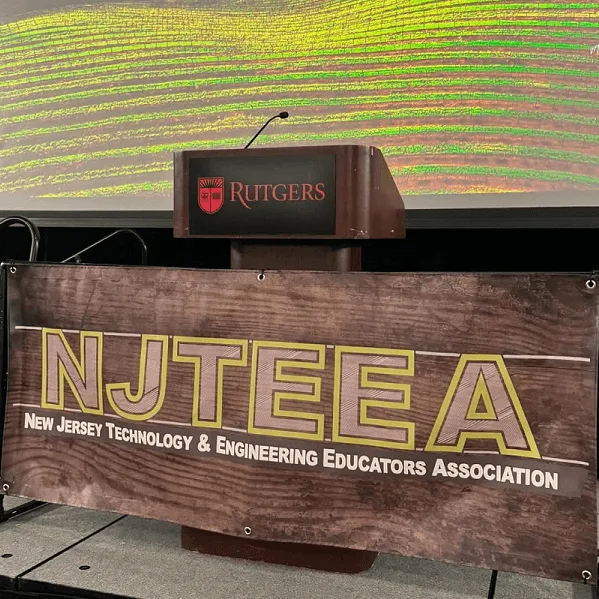
[Conference] NJTEEA 2024 Annual Conference (New Jersey Technology & Engineering Educators Association): At the NJTEEA 2024 conference, Makeblock ambassador Jason brought the xTool P2 and Makeblock coding robots to share projects and resources with STEM and TechEd educators. Seeing tools like these in action helps you judge how they might fit your own teaching environment before you invest.
[Conference] NJTEEA 2024 Annual Conference (New Jersey Technology & Engineering Educators Association)