Quick Answer
For sensitive skin, sterling silver and stainless steel are the safer picks because they contain no added nickel or lead. Brass is the budget-friendly option but needs a protective coating or regular polishing to slow tarnish. If you want a piece that lasts for decades with minimal care, choose sterling silver; if you want maximum durability at the lowest cost, choose stainless steel.
Choosing jewelry often comes down to three metals: sterling silver, brass, and stainless steel. Each behaves differently on your skin, in your jewelry box, and on your receipt. The right choice depends on how reactive your skin is, how often you plan to wear the piece, and how much maintenance you are willing to do.
This comparison breaks down the real-world differences using materials facts from our catalog, so you can match a metal to your daily habits instead of guessing from a label. We will also flag the trade-offs that matter most, like tarnish speed, adjustability, and whether a piece can be worn in water.
Sterling Silver: The Sensitive-Skin Standard
Sterling silver is an alloy of 92.5% silver and 7.5% other metals, usually copper. That composition makes it strong enough for everyday wear while still being gentle on most skin. It does not contain nickel or lead, so it is a reliable choice for people who react to cheap costume jewelry. The trade-off is that sterling silver can tarnish over time, especially when exposed to humidity, sulfur, or skin oils. A quick polish with a soft cloth usually restores the shine.
In our catalog, sterling silver pieces often carry a higher price than brass or stainless steel because the raw material costs more. For example, the Sterling Silver Adjustable Branch and Mushroom Ring is priced at $35.00, compared to a catalog comparison price of $70.00. That ring is adjustable, which adds convenience but also a care requirement: adjust it once to the correct size and then leave it alone, because excessive opening and closing can weaken the band.
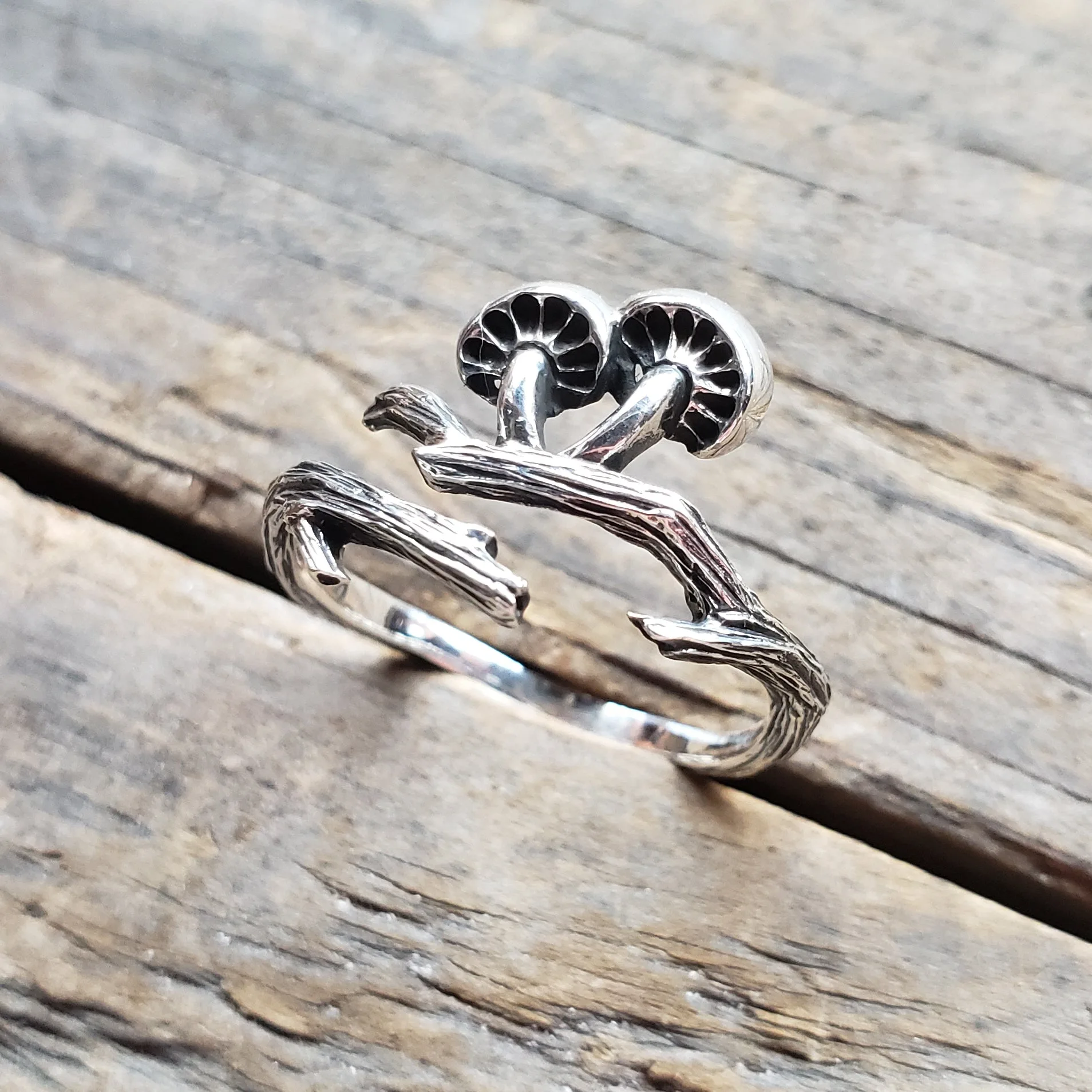
Sterling Silver Adjustable Branch and Mushroom Ring
- Best for: people with sensitive skin, anyone who wants a piece that can be polished back to new.
- Watch for: tarnish in humid climates; store in an anti-tarnish pouch or bag.
Brass: Affordable Character With a Maintenance Trade-Off
Brass is an alloy of copper and zinc. It is affordable, takes on a warm golden tone, and develops a patina over time that many people find attractive. However, brass tarnishes faster than sterling silver or stainless steel, and the greenish skin mark some people notice comes from copper reacting with sweat and lotions. If you dislike that, look for brass pieces with a clear protective coating, or plan to polish the metal every few weeks.
Brass is also softer than stainless steel, so it can bend or scratch more easily under daily wear. That makes it a good fit for statement pieces worn occasionally, but a less ideal choice for a ring you never take off. If you have sensitive skin, brass is not the safest bet because the copper content can irritate some people, and the zinc content varies by manufacturer.
- Best for: budget-conscious shoppers who like a vintage or antique look and do not mind polishing.
- Watch for: green skin marks, faster tarnish, and bending on thin bands.
Stainless Steel: The Low-Maintenance Workhorse
Stainless steel is an alloy of iron, chromium, and often nickel. The chromium forms a protective oxide layer that resists rust and tarnish, which is why stainless steel jewelry holds up well in daily wear, including hand washing and light exercise. It is also the most affordable of the three metals in most catalogs, and it does not require polishing to stay bright.
The catch is nickel. Many stainless steel alloys contain nickel, and nickel is a common skin allergen. If you have sensitive ears or a known nickel allergy, stainless steel is not automatically safe. Look for grades labeled nickel-free or surgical stainless steel, and patch-test any new piece by wearing it for a short time before committing to all-day wear. Stainless steel is also harder to resize, so fit matters more than with adjustable sterling silver.
- Best for: everyday pieces, active lifestyles, and shoppers who want zero polishing.
- Watch for: nickel content if you have sensitive skin; limited resizing options.
Tarnish, Durability, and Skin Reactions Side by Side
Tarnish resistance ranks stainless steel first, sterling silver second, and brass last. Sterling silver tarnishes gradually and can be restored with a polishing cloth. Brass tarnishes faster and may need a polish or protective coating more often. Stainless steel rarely tarnishes at all, but it can still scratch.
Durability under daily wear also favors stainless steel, followed by sterling silver, then brass. Sterling silver is soft enough to adjust but strong enough to hold shape if you follow care instructions. Brass is the softest and most prone to bending. For skin reactions, sterling silver and nickel-free stainless steel are the safest, while brass is the most likely to cause irritation because of its copper and zinc content.
- If you react to cheap earrings, start with sterling silver or nickel-free stainless steel.
- If you want a patina that looks intentional, brass can work, but seal it or embrace the darkening.
Metal Trade-Offs at a Glance
- Sterling silver: skin-friendly but tarnishes: Contains no nickel or lead, so it suits most sensitive skin, but it needs occasional polishing and can tarnish in humid air. Choose sterling silver if you want a classic look and will store it in a dry pouch.
- Brass: affordable but high-maintenance: Lower cost and warm tone, but tarnishes faster and can leave green marks on skin; often needs a protective coating or frequent polishing. Choose brass for occasional statement pieces, not for a ring you never remove.
- Stainless steel: durable but may contain nickel: Resists tarnish and scratches, needs no polishing, and costs less, but many alloys include nickel, which can irritate sensitive skin. Choose nickel-free stainless steel if you want low maintenance and have no nickel allergy.
Catalog Examples That Show the Differences
- Sterling Silver Adjustable Branch and Mushroom Ring: Sterling silver ring shaped like a branch with two mushrooms, adjustable starting at size 7. The catalog notes that excessive opening and closing can weaken the band. Shows how sterling silver can be both skin-friendly and adjustable, but also that adjustable rings need careful handling to last.
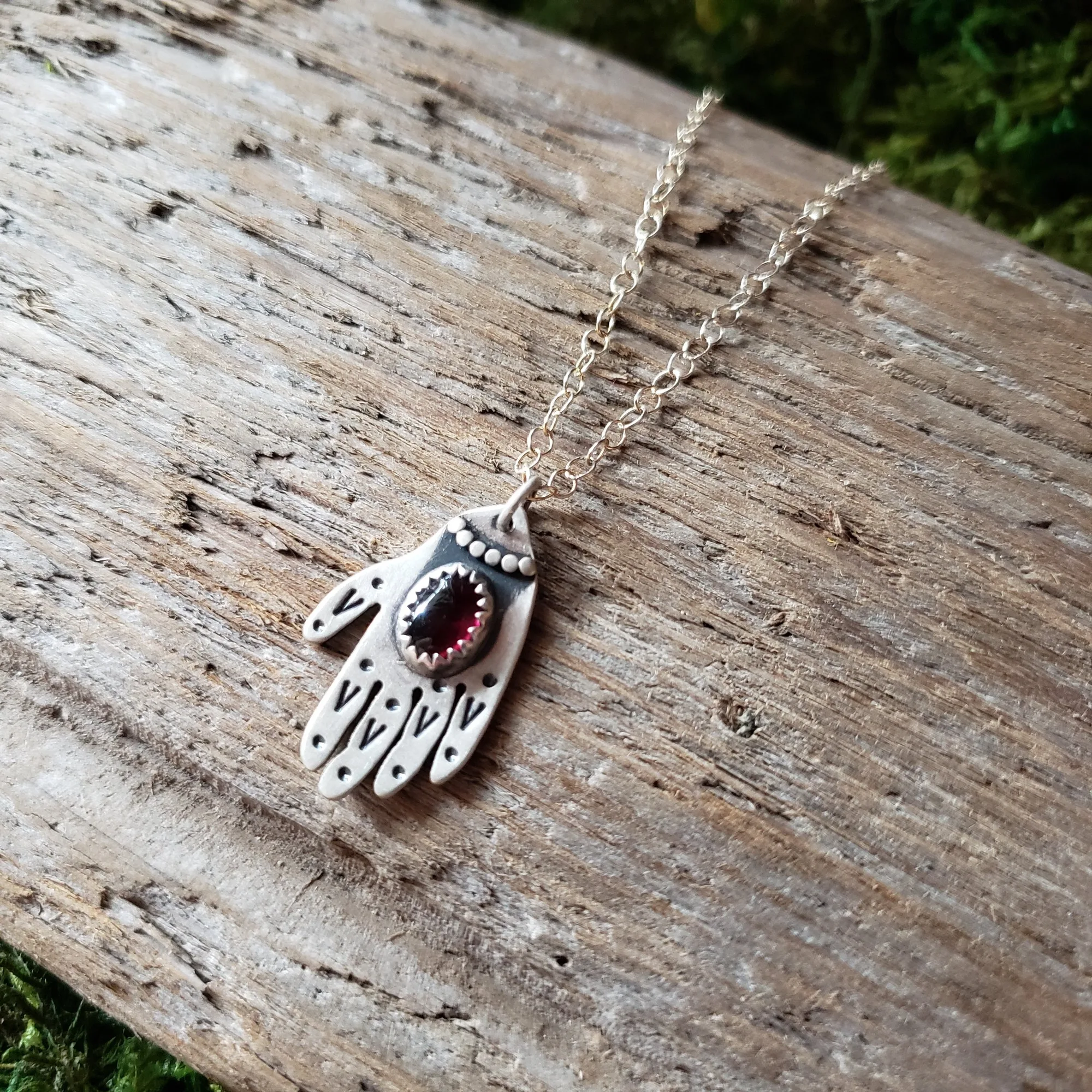
- Garnet Hamsa Hand Sterling Silver Pendant: Hand-cut sterling silver pendant with a bezel-set garnet, oxidized and polished, on a delicate sterling silver chain. A concrete example of sterling silver used for a detailed, sensitive-skin-friendly necklace that can be worn daily with minimal irritation risk.
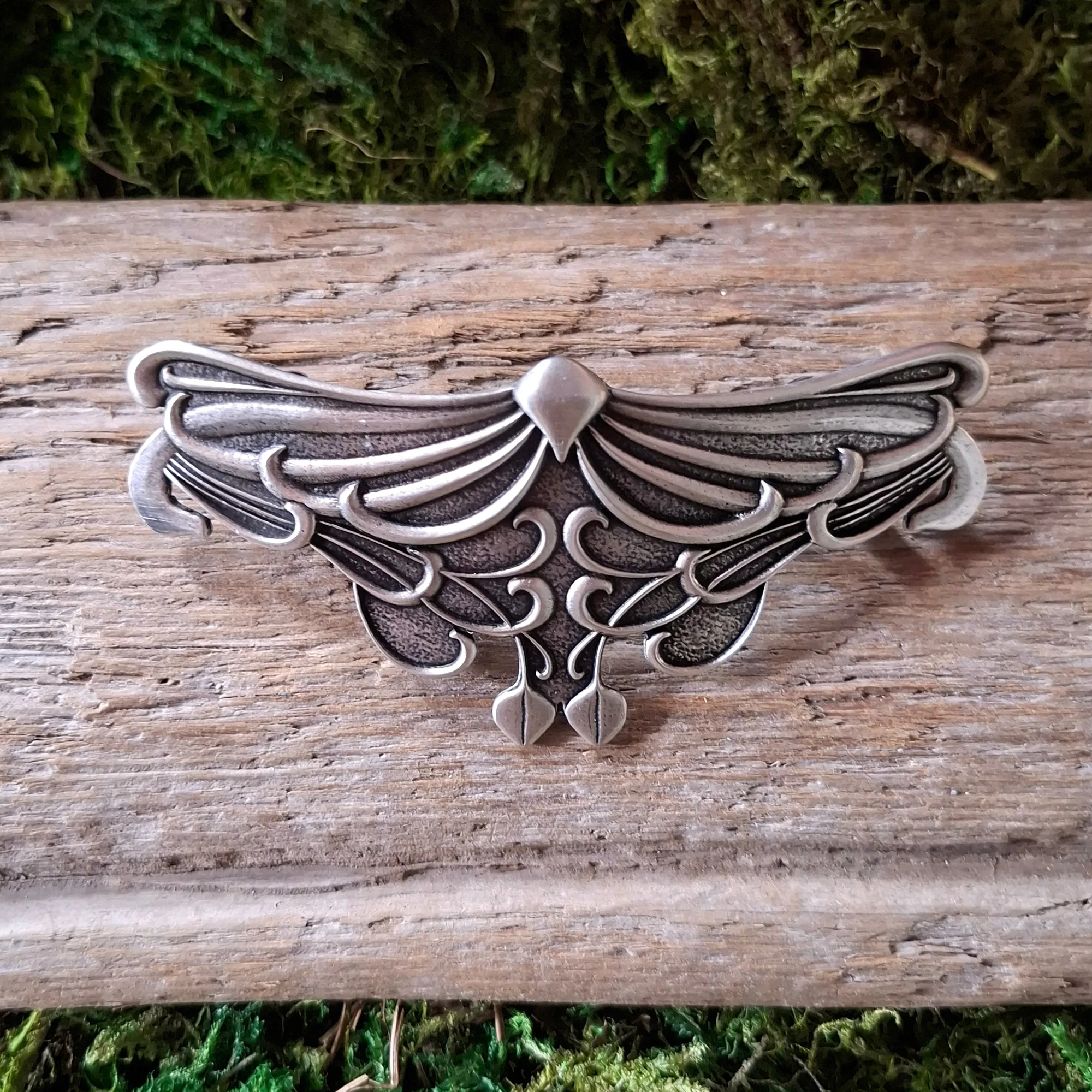
- Elvish Pewter Hair Barrette: Silver-toned pewter barrette with a steel mechanism, hand cast in California. Pewter is not sterling silver or stainless steel. Reminds shoppers that not all silver-colored metal is sterling silver; pewter is a different alloy with its own care needs and is best for hair accessories rather than skin-contact jewelry.
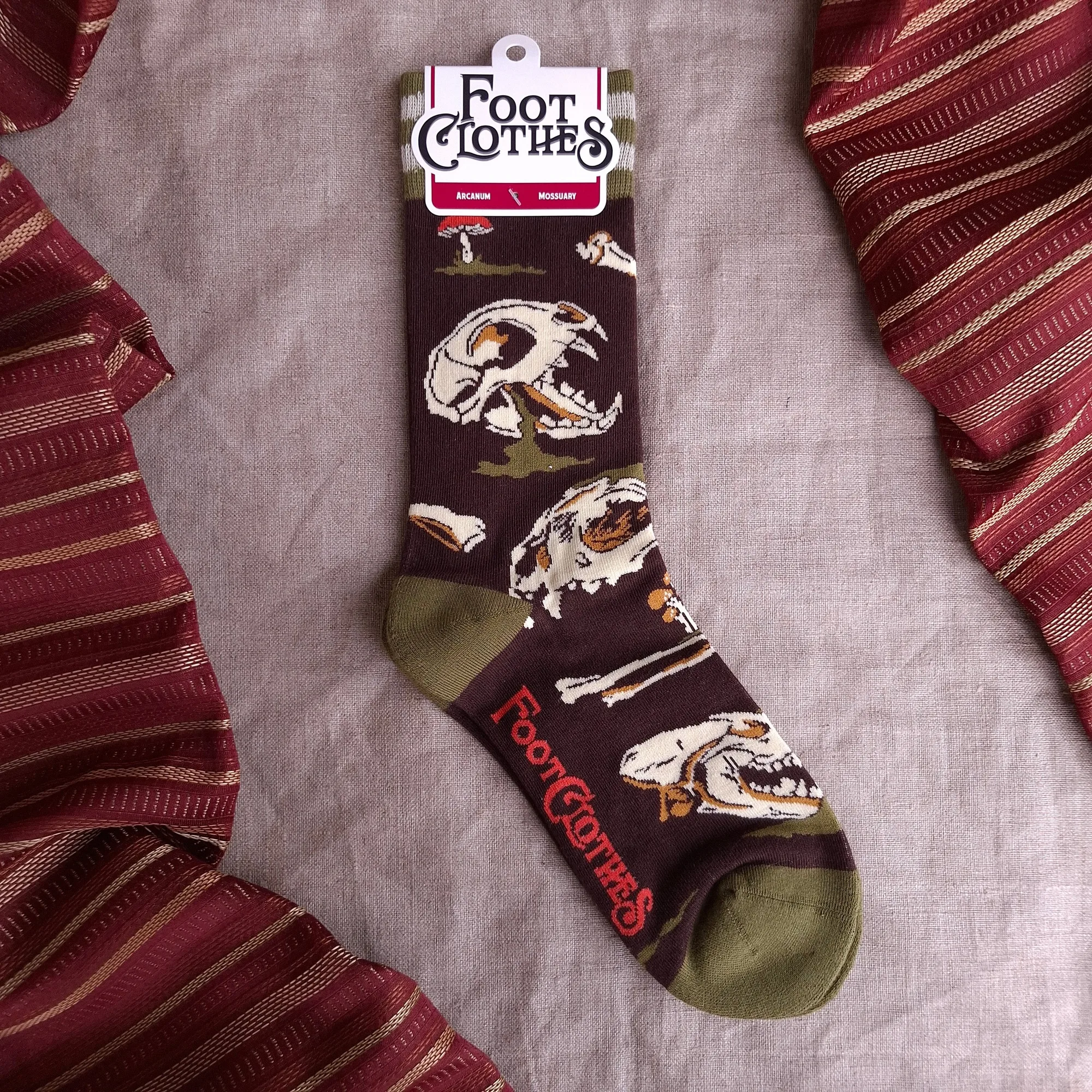
- Mossuary Crew Socks: Crew socks with a mushroom and skull pattern from Foot Clothes. A reminder that metal choice only applies to jewelry; textiles like socks are a separate category and do not carry the same skin-reaction concerns.
Which Metal Should You Choose?
Best for
- Sensitive skin or known metal allergies: sterling silver or nickel-free stainless steel.
- Everyday wear with minimal care: stainless steel.
- Budget-friendly vintage style and you do not mind polishing: brass.
- A piece you want to adjust and wear daily: adjustable sterling silver, like the Branch and Mushroom Ring.
Not for
- Brass: people with sensitive skin or those who dislike green skin marks.
- Stainless steel: anyone with a nickel allergy unless the piece is explicitly nickel-free.
- Sterling silver: shoppers who want zero maintenance and never want to polish.
There is no single best metal for everyone. Match the metal to your skin, your daily routine, and how much upkeep you will actually do. Sterling silver and nickel-free stainless steel cover most sensitive-skin needs, while brass is a budget option with a visible trade-off in tarnish and care.