Quick answer
Choose Dream Night Serum if you prefer a lightweight, concentrated layer and want to sample the formula in a travel-friendly size. Choose Dream Night Cream if you want a single ultra-hydrating step that seals in moisture and targets stress-related signs of aging overnight. If you want both textures and a better value, the Dream Bio-Retinol Duo pairs the serum and cream for a complete routine at a lower combined price.
How the two formulas differ on the shelf
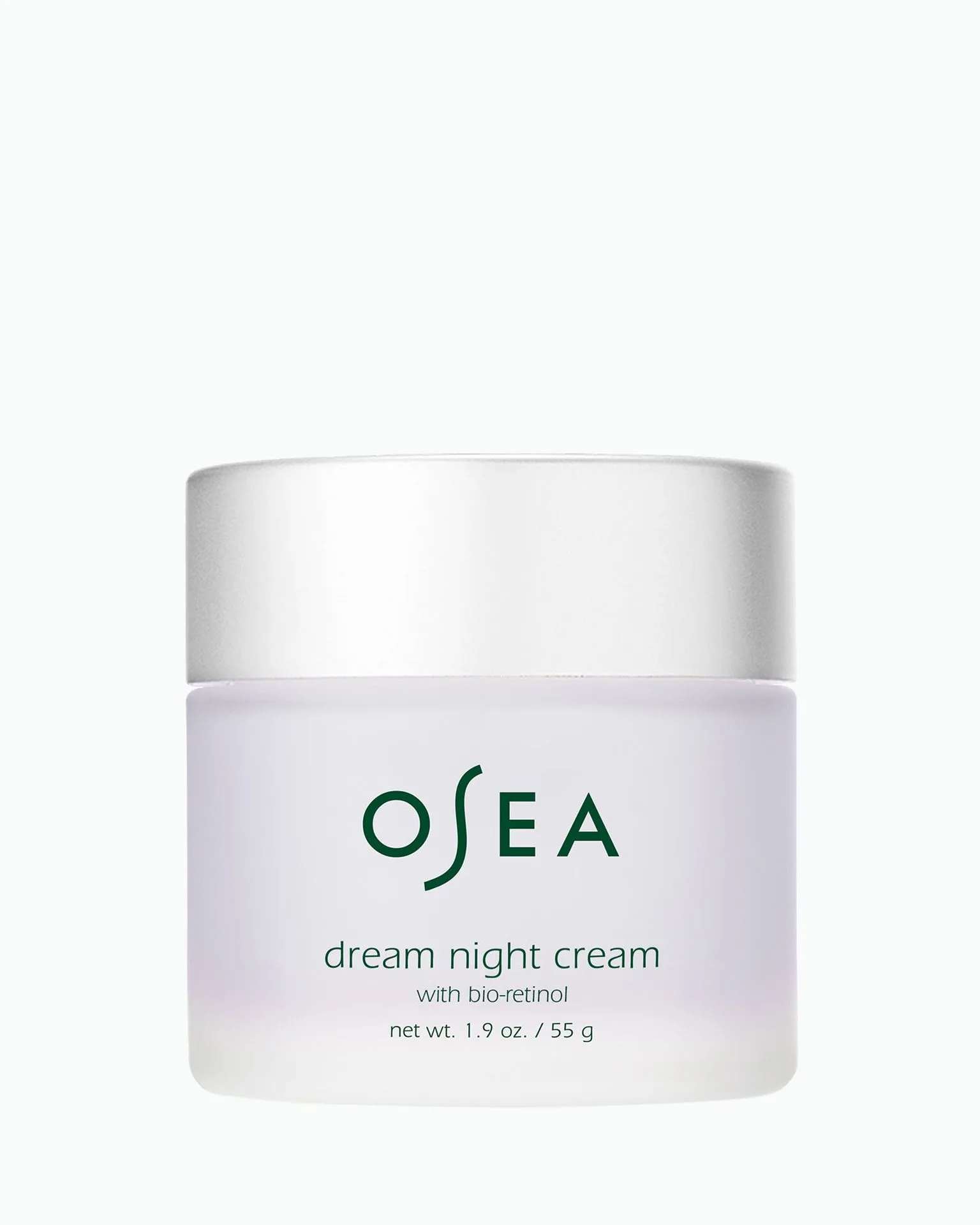
Both products belong to the Dream collection, which centers on overnight repair with algae-derived bio-retinol. The key difference is format and hydration level. Dream Night Serum is a lightweight, concentrated liquid designed to sink in quickly; it comes in a 0.17 oz travel size, so it is easy to test or carry on short trips. Dream Night Cream is an ultra-hydrating, plumping cream that includes five vital hydrators alongside bio-retinol, and it is positioned as the final moisturizing step that supports skin during its nightly repair phase.
That means the serum is about delivering bio-retinol in a fluid base, while the cream is about combining bio-retinol with substantial moisture and occlusion. If your skin feels tight or dry at night, the cream may be the more comfortable standalone choice. If you already use a moisturizer you love and just want to add a bio-retinol step, the serum slots in underneath without adding heaviness.
Layering them together (and when not to)
You can use both in one routine: apply Dream Night Serum first on clean skin, let it absorb for a minute, then follow with Dream Night Cream to lock in hydration. This order lets the lightweight formula go on before the richer cream, which is the standard way to layer serum and cream at night. If your skin is easily congested or you live in a humid climate, you may prefer to alternate them rather than use both every night.
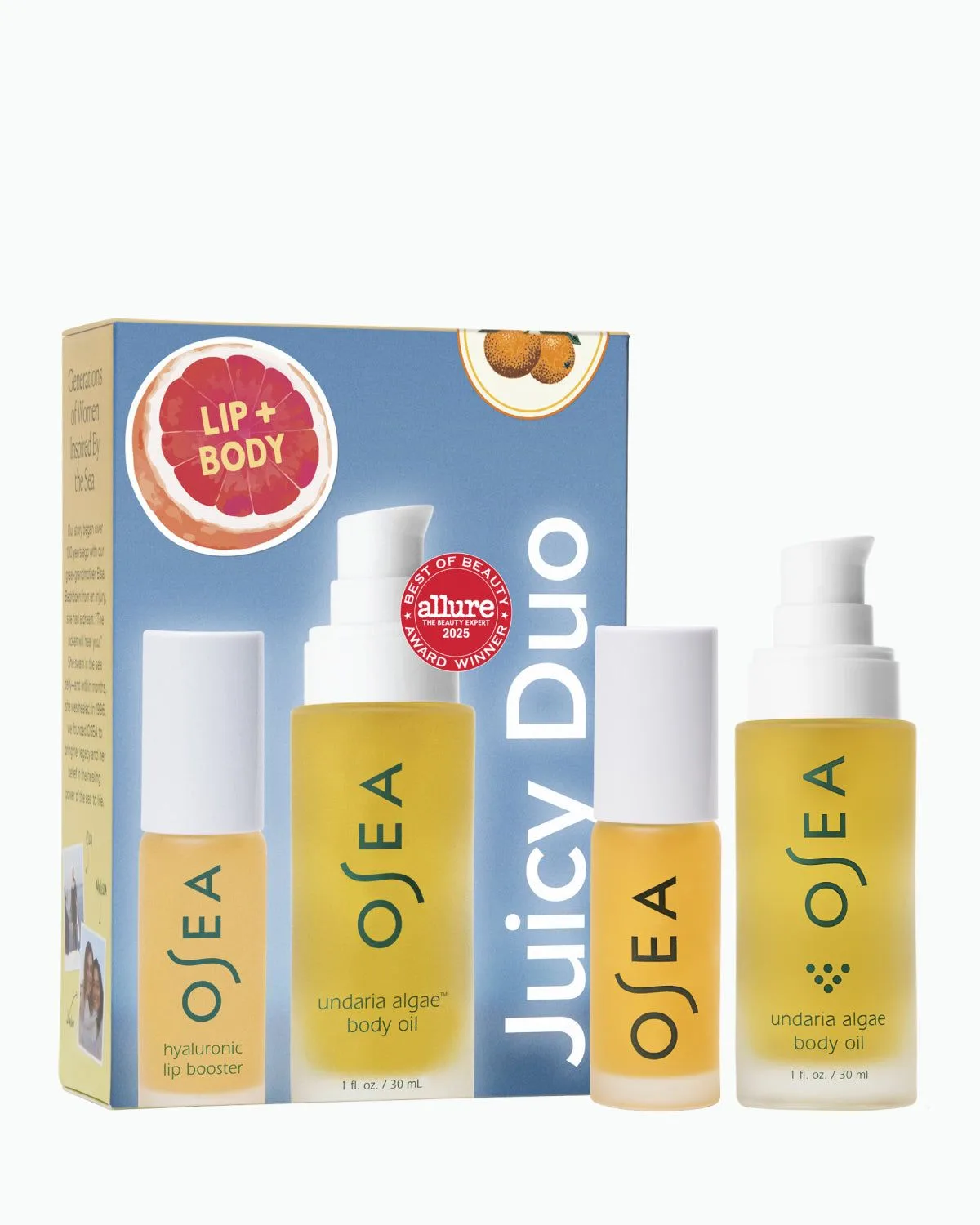
The trade-off is time and cost. A two-step routine takes an extra minute and requires buying two products. If you want one-and-done simplicity, pick either the serum or the cream alone. The Dream Bio-Retinol Duo is a middle path: it bundles a bio-retinol-powered overnight lip and body duo, not the face serum and cream, so read the set contents carefully before assuming it replaces both face steps. It is best for someone who wants to extend the Dream routine to lips and body.
What you pay and what you get
Dream Night Serum is the lowest-commitment entry point at $14.80 for 0.17 oz (compared to a $20.00 comparison price). Dream Night Cream is $40.80 for a full-size jar (compared to $68.00). The Dream Bio-Retinol Duo is $37.96 (compared to $52.00) and includes a lip and body duo, not the face serum and cream. So if your goal is a full-face overnight bio-retinol routine, the serum plus cream is the relevant pairing; the duo is a separate value play for lips and body.
One limitation: the catalog does not list an exact full-size volume for the Dream Night Serum beyond the 0.17 oz travel size, so if you are comparing cost per ounce, you cannot calculate that from the available information. The travel size is best treated as a trial or on-the-go option rather than a direct value comparison against the cream.
Trade-offs at a glance
- Dream Night Serum: Lightweight, concentrated, and travel-friendly at 0.17 oz. Best if you already have a moisturizer you like or want to sample bio-retinol. Choose this if you prefer a fluid layer and minimal commitment.
- Dream Night Cream: Ultra-hydrating cream with bio-retinol and five vital hydrators. Best if you want one step that moisturizes and targets stress-related signs of aging. Choose this if your skin feels dry or you want a single evening product.
- Dream Bio-Retinol Duo: A lip and body duo, not a face serum-and-cream set. Best if you want to extend bio-retinol to lips and body alongside your face routine. Do not buy this expecting it to replace the face serum or cream.
Key product facts
- Dream Night Serum - 0.17 oz: Osea Malibu Dream Night Serum in a convenient 0.17 oz travel size, designed to support your nightly regimen with a lightweight, concentrated formula. The small size makes it a low-risk way to try bio-retinol before committing to a full-size product, and it fits in a purse or carry-on.
- Dream Night Cream with Bio-Retinol: Dream Night Cream is the first overnight moisturizer clinically shown to reduce the effects of stress on skin during its nightly repair phase. It includes algae-derived bio-retinol plus five vital hydrators. If you want one step that both moisturizes and targets stress-related aging, this cream is the more complete standalone option.
- Dream Bio-Retinol Duo: Dream Bio-Retinol Duo is a bio-retinol-powered overnight lip and body duo designed to improve skin softness and firmness while you sleep. This set does not include the face serum or cream, so it is a separate purchase for lips and body rather than a substitute for the face routine.
Which should you choose?
Best for
- Shoppers who want a lightweight, concentrated bio-retinol layer and already use a moisturizer they trust.
- Anyone who wants to trial the Dream line in a travel-friendly 0.17 oz size before buying full size.
- People who prefer a single ultra-hydrating step and want bio-retinol plus five vital hydrators in one cream.
- Those who want to extend the Dream routine to lips and body with the Dream Bio-Retinol Duo.
Not for
- Shoppers who want a full-size face serum and cream in one set — the Dream Bio-Retinol Duo covers lips and body, not the face.
- Anyone who dislikes layering multiple steps and wants a single product that does everything.
- People who need an exact cost-per-ounce comparison between the serum and cream, since the full-size serum volume is not listed.