Quick Answer
Most boxer brief legs roll up because the inseam is too short for your thigh, the hem has lost its stretch, or smooth trousers let the fabric slide instead of grip. Check the inseam length first, then the hem, then the fabric. If the legs still roll after that, switch to a longer inseam or a seamless design rather than fighting the pair you own.
Check the Inseam Before You Blame the Fabric
A leg only stays down if there is enough fabric to anchor it against your thigh. When the inseam is shorter than the distance from your crotch to the point where your thighs touch, the hem sits in the rub zone and gets pushed upward with every step. Measure from your crotch seam to mid-thigh, then compare it to the inseam on your briefs. A 6.5-inch inseam covers most average builds; taller frames or thicker thighs often need more. If your current pair is 3 to 5 inches, that is your answer, and no amount of adjusting will fix a length problem.
Test Whether the Hem Has Actually Gone Slack
Gripper hems rely on stretch recovery. Hold the leg opening between both hands and pull it wide, then let go. A healthy hem snaps back flat within a second. A worn hem stays wavy, flares, or feels limp. Heat is the usual culprit: hot washes and dryer cycles break down spandex over time, so a pair that stayed put for a year can start rolling after a few months of hot drying. If the hem fails this test, retire the pair or demote it to home wear. Replacing it costs less than repeatedly adjusting it.
Match Underwear Fabric to Your Trousers
Friction works both ways. Smooth, slippery trousers such as lined dress pants or athletic shorts let a slick underwear fabric slide, so the leg migrates upward as you walk. Textured or heavier fabrics like denim and chinos create more drag and hold a hem in place. If you wear dress trousers most days, look for a slightly tackier inner thigh surface or a seamless construction with fewer seams to catch and twist. Also check for static: dry winter air plus synthetic trousers can make any leg opening cling and climb.
Fix Your Size and Rise Before Buying New Pairs
A waistband that sits too low pulls the whole garment down, which drags the legs up. If you are constantly hitching your waistband, size down or choose a higher rise. Conversely, briefs that are too tight in the thigh squeeze the fabric and force the hem to roll inward. The waistband should stay level without cinching, and you should be able to slide two fingers under the leg hem. Adjust these two variables before spending money, because fit errors mimic fabric faults.
When to Stop Adjusting and Switch Styles
If you have corrected the inseam, confirmed the hem still snaps back, matched fabric to trousers, and dialed in the size, and the legs still roll, the cut is wrong for your body. At that point, stop buying the same style in different colors. Move to a longer inseam, a seamless waistband design, or a brief cut that removes the leg opening entirely. Briefs eliminate the rolling problem because there is no hem to travel, though they trade off thigh coverage. Choose based on which tradeoff bothers you less.
Diagnose Your Roll-Up Pattern
- Legs roll up within minutes of walking: Inseam is too short for your thigh circumference or height. Measure crotch to mid-thigh and compare with the inseam on the label. A 6.5-inch inseam is a practical minimum for most builds. If your inseam is under 5 inches, replace the pair before trying anything else.
- Legs stayed put for months, then started rolling: The hem has lost stretch recovery, usually from hot washing or dryer heat. Pull the hem wide and release; if it does not snap flat, the elastic is spent. Wash cold and air-dry the replacement pair to protect the hem.
- Rolling happens only with certain trousers: Slippery linings and synthetic fabrics reduce friction, letting the hem slide upward. Test the same briefs with denim to confirm the trousers are the variable. If it only happens with dress pants, change the underwear fabric or construction, not your whole drawer.
- Waistband rides down while legs ride up: The garment is too loose or the rise is too low, so the whole piece shifts. Size down or choose a higher rise, and check that the waistband stays level without cinching. If the waistband stays put but legs still roll, the problem is the leg opening, not the waist.
- Nothing works after fit, hem, and fabric checks: The cut does not suit your body. Stop rebuying the same style. Switch to a longer inseam, a seamless design, or a brief with no leg opening. Choose briefs if thigh coverage matters less than eliminating roll; choose a 6.5-inch seamless boxer brief if you want coverage without the roll.
Products That Address Roll-Up Causes
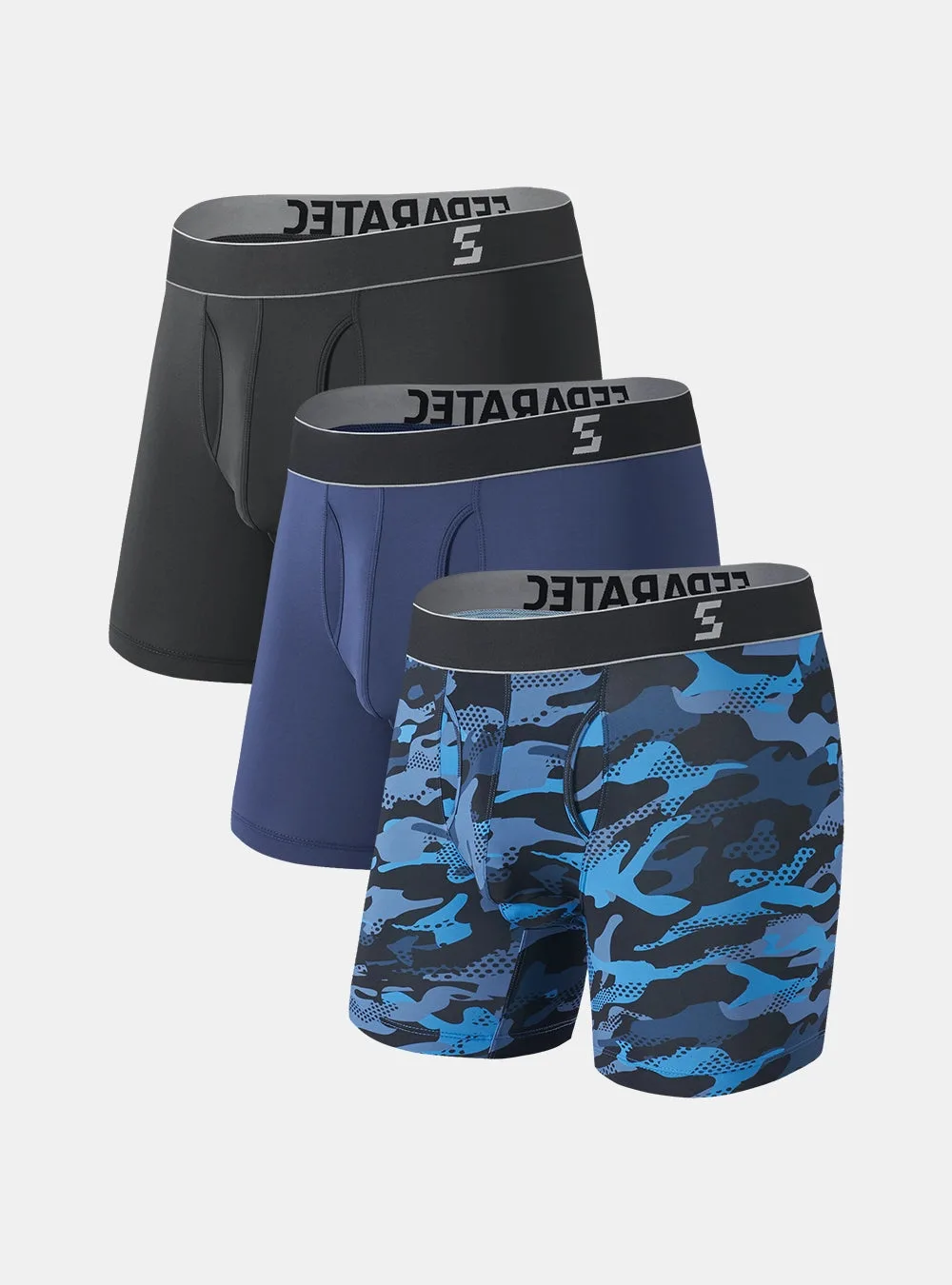
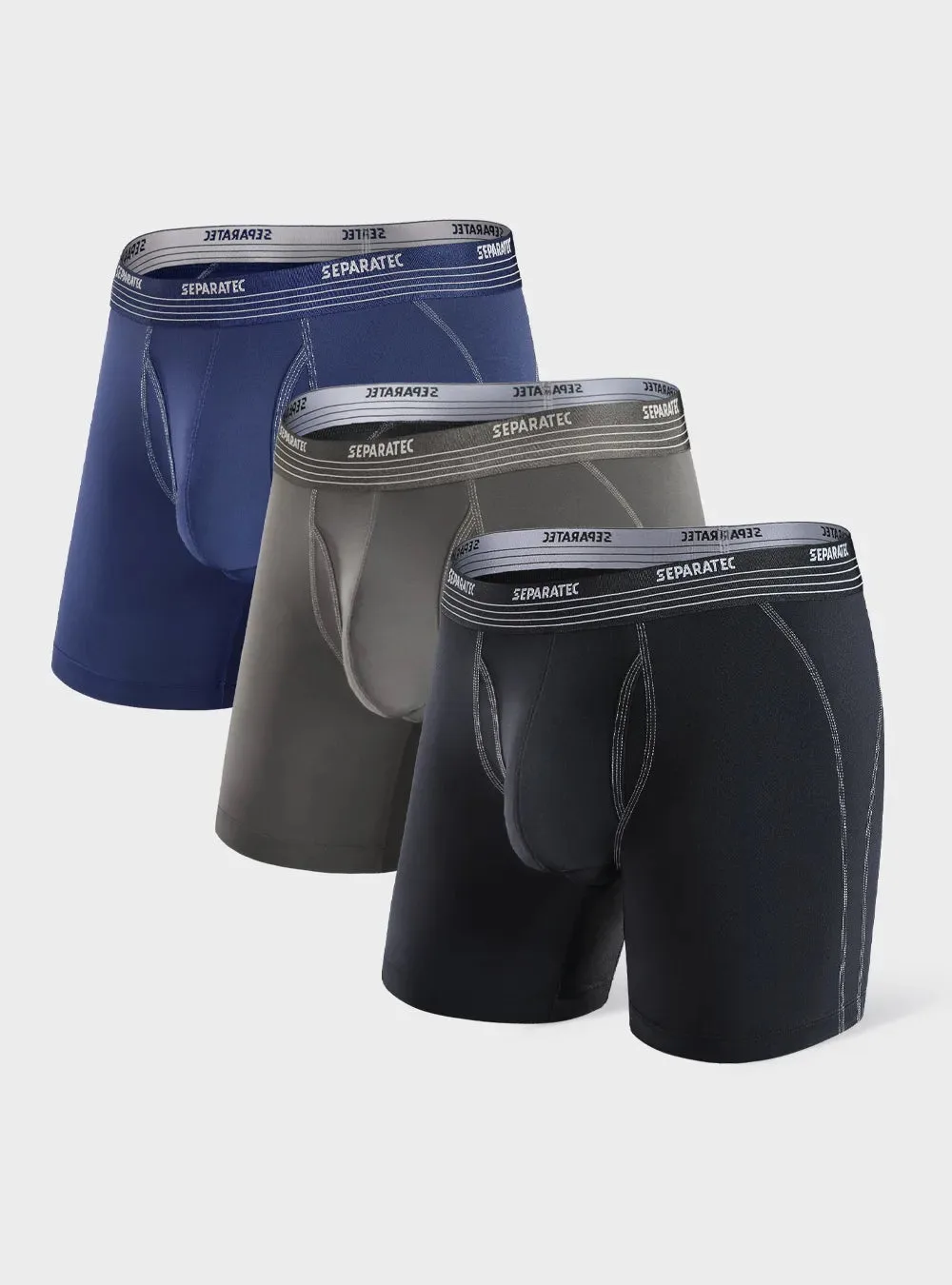
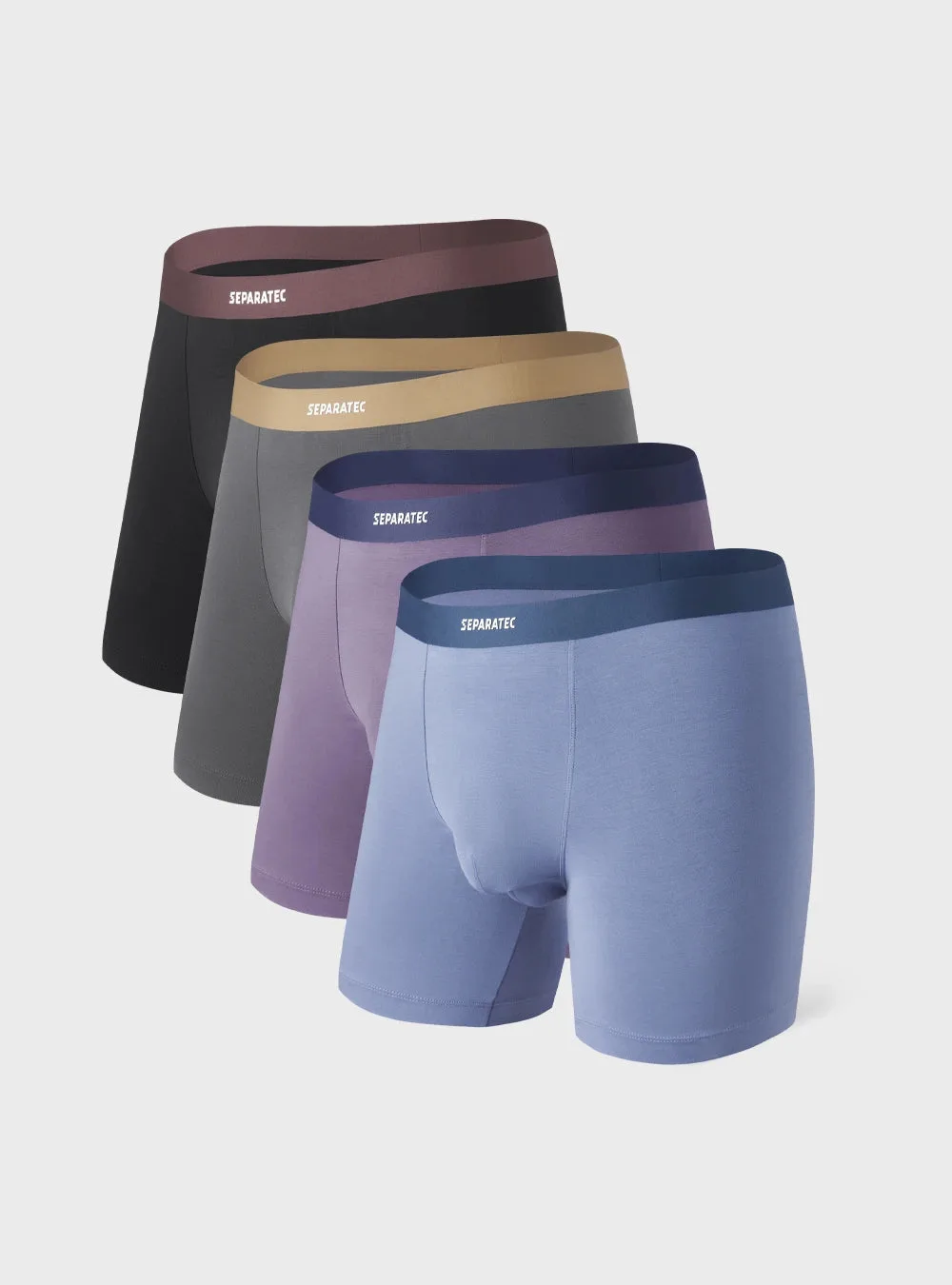
- CradleFit Pouch 60S Modal WaistFree™ Seamless Open Fly Boxer Briefs 4 Pack: 6.5-inch inseam with lightweight stretch, designed to stay put during activity. The longer inseam clears the thigh rub zone, which is the most common reason legs roll up under pants.
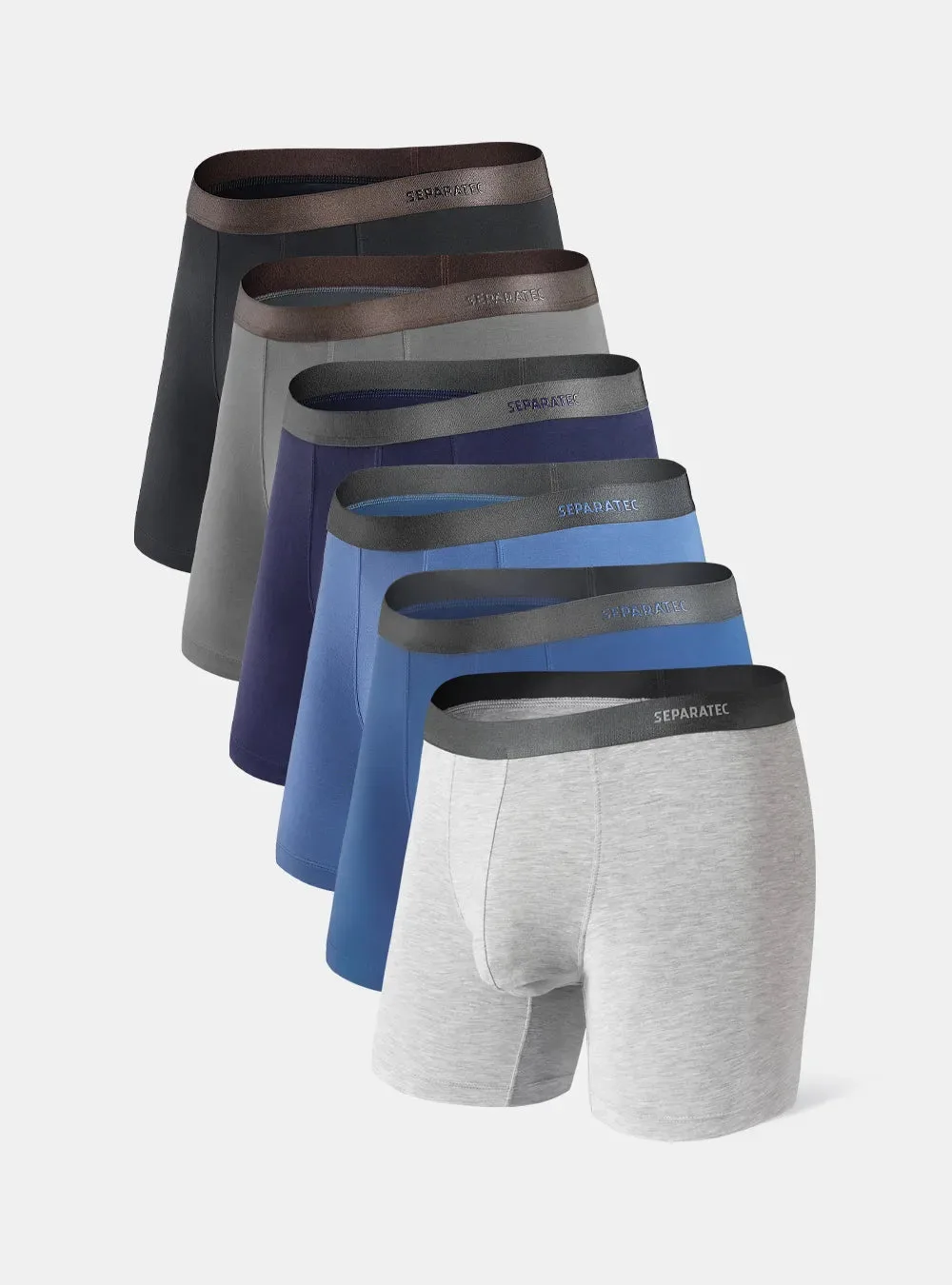
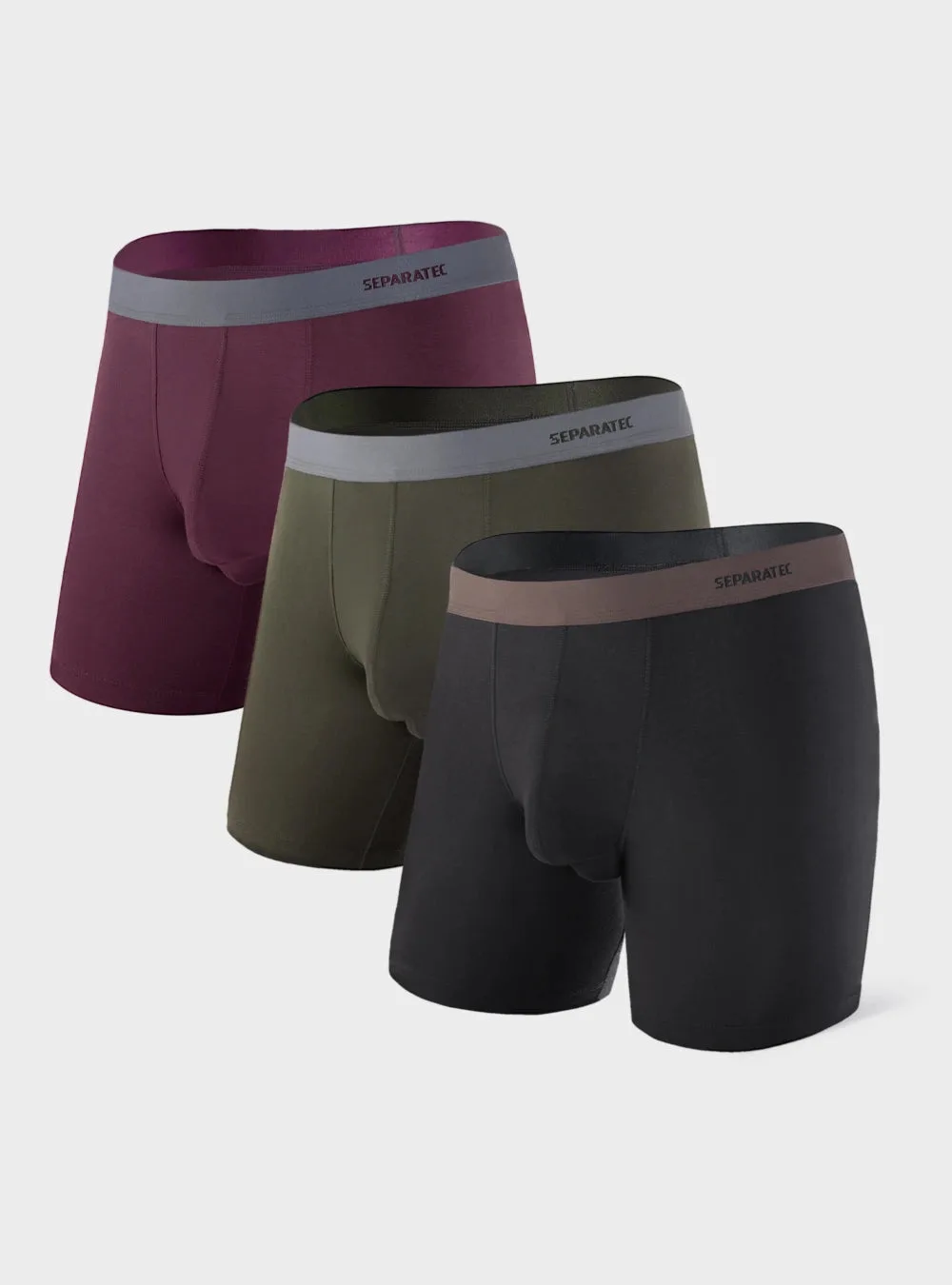
- Waistfree™ Seamless Bamboo Rayon Boxer Briefs 4 Pack: Seamless WaistFree waistband with no traditional belt seams, plus a dual pouch design that separates and supports. Fewer seams mean less friction against trousers and less chance of a seam twisting and dragging the hem upward.
- Waistfree™ Seamless Bamboo Rayon Briefs 4 Pack: Brief cut with patented dual pouch design and extra support, including for post-surgery recovery. If leg roll persists after fit fixes, a brief removes the leg opening entirely, so there is nothing to roll.