Quick answer
Treat leash chewing as a symptom first. If your dog bites the leash on walks, pause the walk, remove the leash from the mouth without tugging, and offer a legal chew or a quick training rep. If the behavior keeps happening, switch to a tougher, low-absorbency leash and add a short obedience drill before each walk.
Why your dog chews the leash in the first place
Leash chewing is rarely about the leash itself. Puppies chew because they are teething and exploring texture. Adolescent and adult dogs often chew the leash to relieve frustration, to demand more forward motion, or to redirect arousal when they see another dog. A dog that grabs the leash right as you stop moving is usually telling you the walk has become boring or stressful, not that it dislikes the gear.
The 3-step fix: interrupt, redirect, reward
Step one: interrupt without a tug-of-war. Stop walking, hold the leash handle steady, and wait. Tugging turns the leash into a toy and rewards the chewing with movement. Step two: redirect to an approved item. Keep a small chew or tug toy in your pocket and offer it the moment your dog releases the leash. Step three: reward the release. Mark the moment your dog lets go and gives you attention, then resume the walk. Repeat this sequence every time, and keep sessions short enough that your dog can succeed.
- Interrupt: freeze, do not pull back.
- Redirect: offer a legal chew or toy.
- Reward: mark and resume the walk.
Prevention: tire the mouth before the walk
A five-minute chew session or a short training drill before you clip the leash on can reduce leash biting on walks. A tired, mentally satisfied dog is far less likely to grab the leash for entertainment. If your dog is a puppy, schedule the walk after a nap and a potty break, not right after a long play session when arousal is already high.
When the leash itself is part of the problem
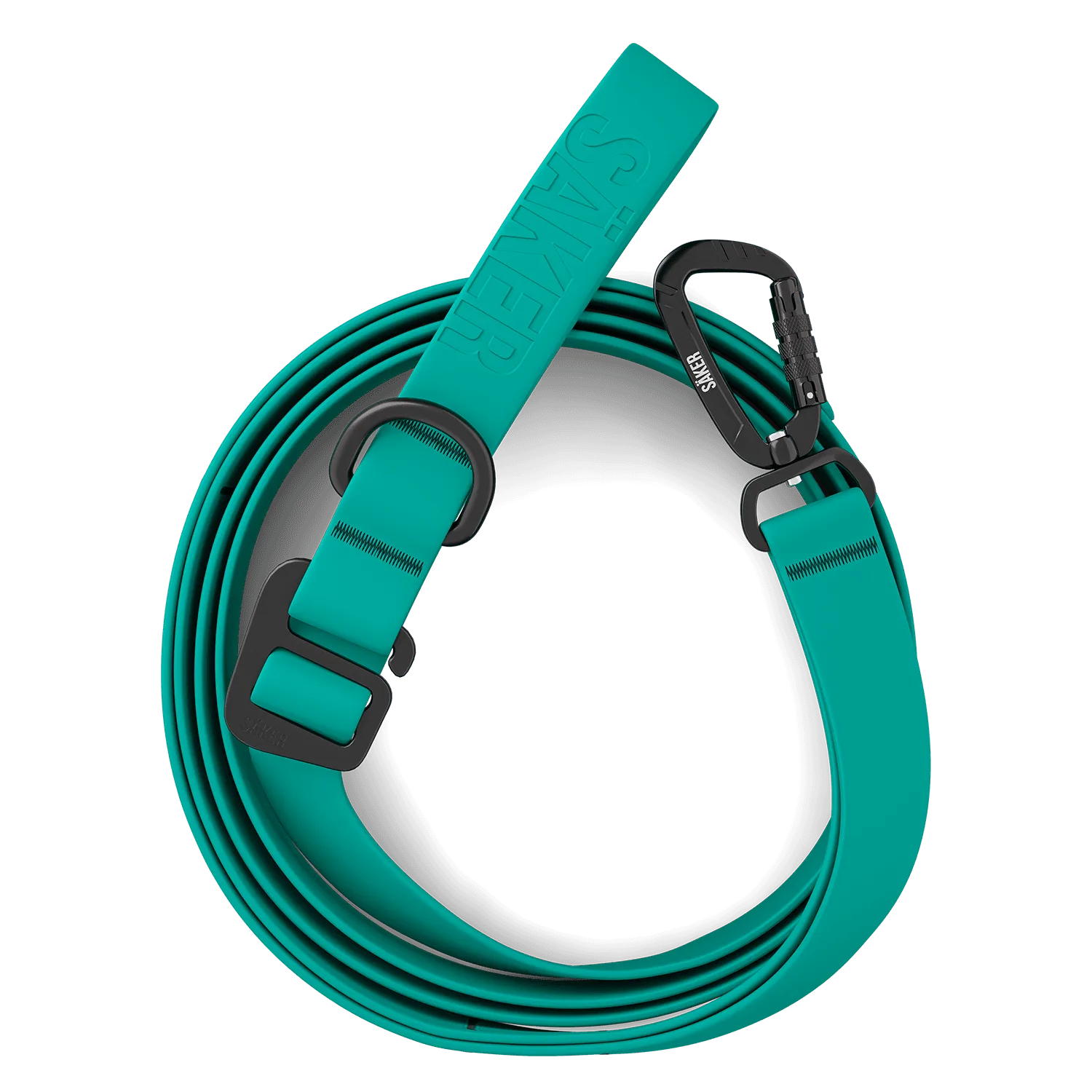
Some leashes invite chewing. Flat nylon webbing soaks up saliva, holds flavor, and frays quickly once teeth score the surface. A rope-style leash with a durable water-repellent finish resists moisture and odor better, which makes it less appealing to chew and more likely to survive a puppy's teething phase. Adjustability also matters: a leash that can be shortened lets you keep your dog closer during training without adding slack that dangles and tempts grabbing.
What not to do
Do not jerk the leash, spray it with bitter apple and hope for the best, or leave a known chewer unattended with the leash clipped on. Punishment-based corrections can increase arousal and make the chewing worse. Bitter sprays may work briefly, but many dogs learn to tolerate the taste, and the spray does not address the underlying trigger.
Diagnose the chewing before you fix it
- Puppy under 6 months, chews everything: Teething and exploration. Redirect to a chew toy, keep walks short, and expect the behavior to fade as adult teeth come in. If your puppy is also destroying furniture, talk to your vet about teething support.
- Chews only when you stop moving: Frustration or boredom. Add a quick obedience rep or a treat scatter before you resume walking. If the behavior stops when you keep moving, the walk pace is the trigger.
- Chews when another dog approaches: Arousal or barrier frustration. Increase distance, practice a U-turn, and reward calm behavior before the leash becomes a target. If your dog lunges or barks, work with a trainer before continuing leash-chewing drills.
- Chews the leash even on calm, short walks: The leash texture or fit may be the problem. Switch to a waterproof, adjustable rope leash and shorten the length during training. If chewing continues after a gear change, the cause is behavioral, not the leash.
Gear that holds up to leash chewing
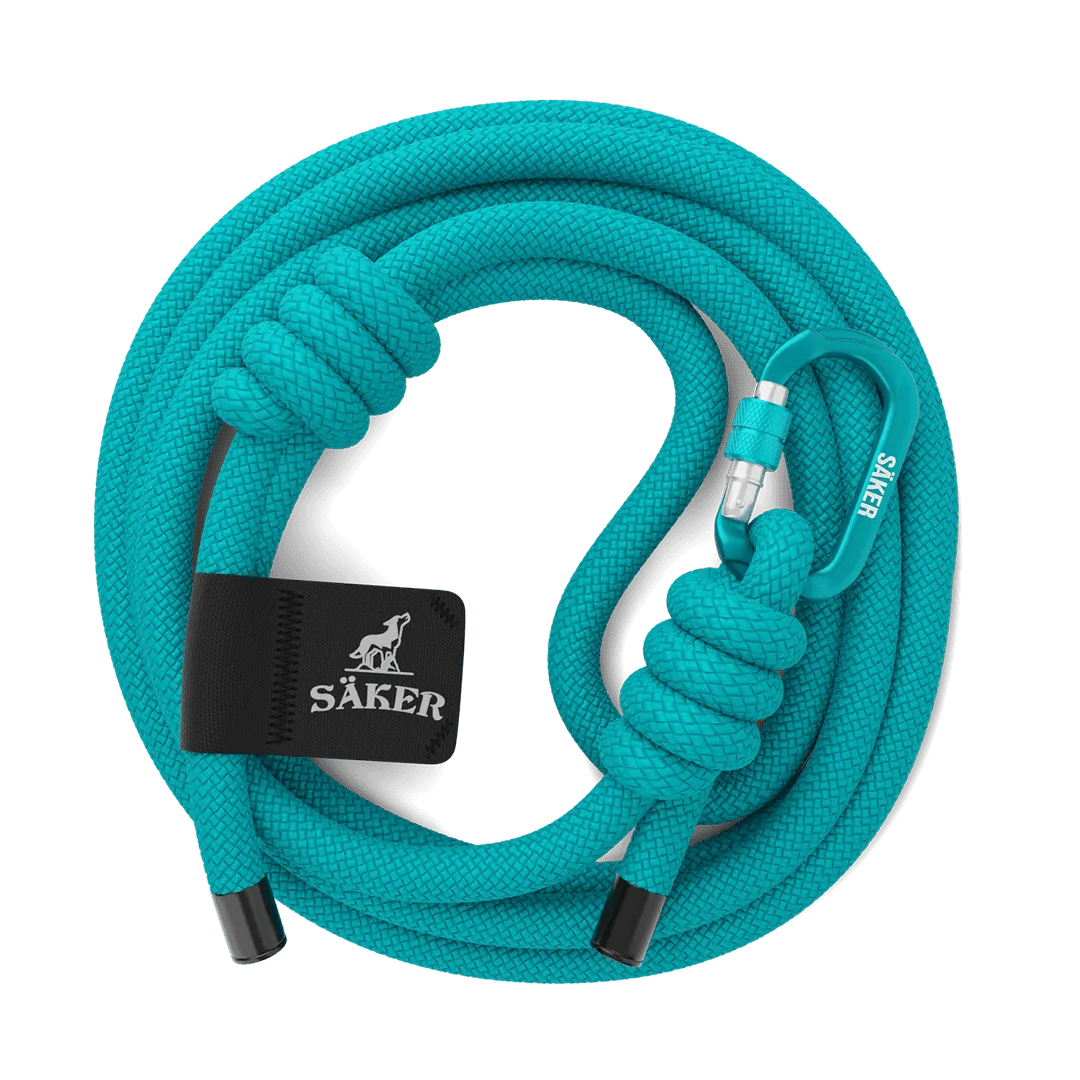
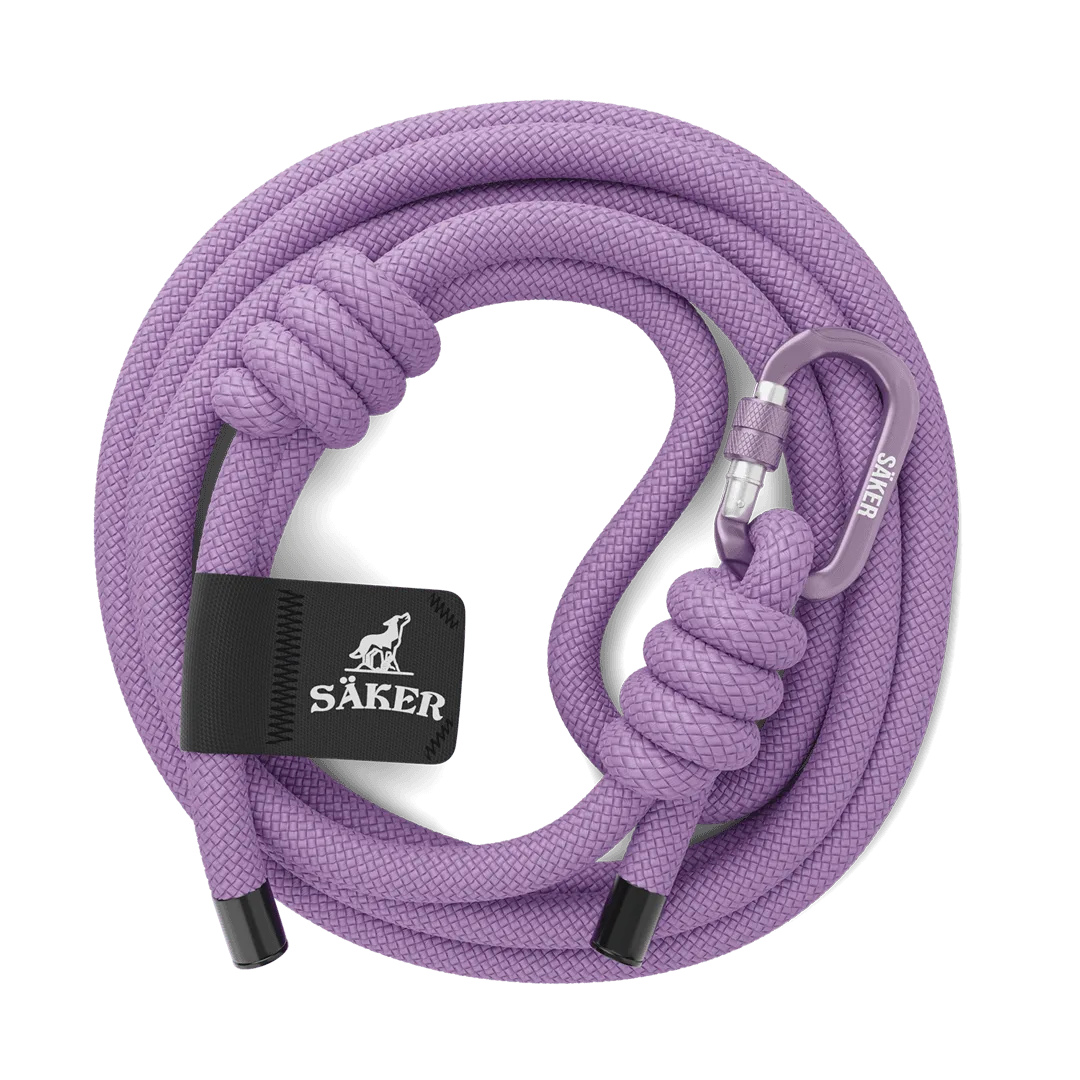
- Trust™ Leash: Woven from climbing rope and finished with a DWR coating. The water-repellent finish keeps saliva from soaking in, so the leash stays less appealing to chew and resists odor between walks.
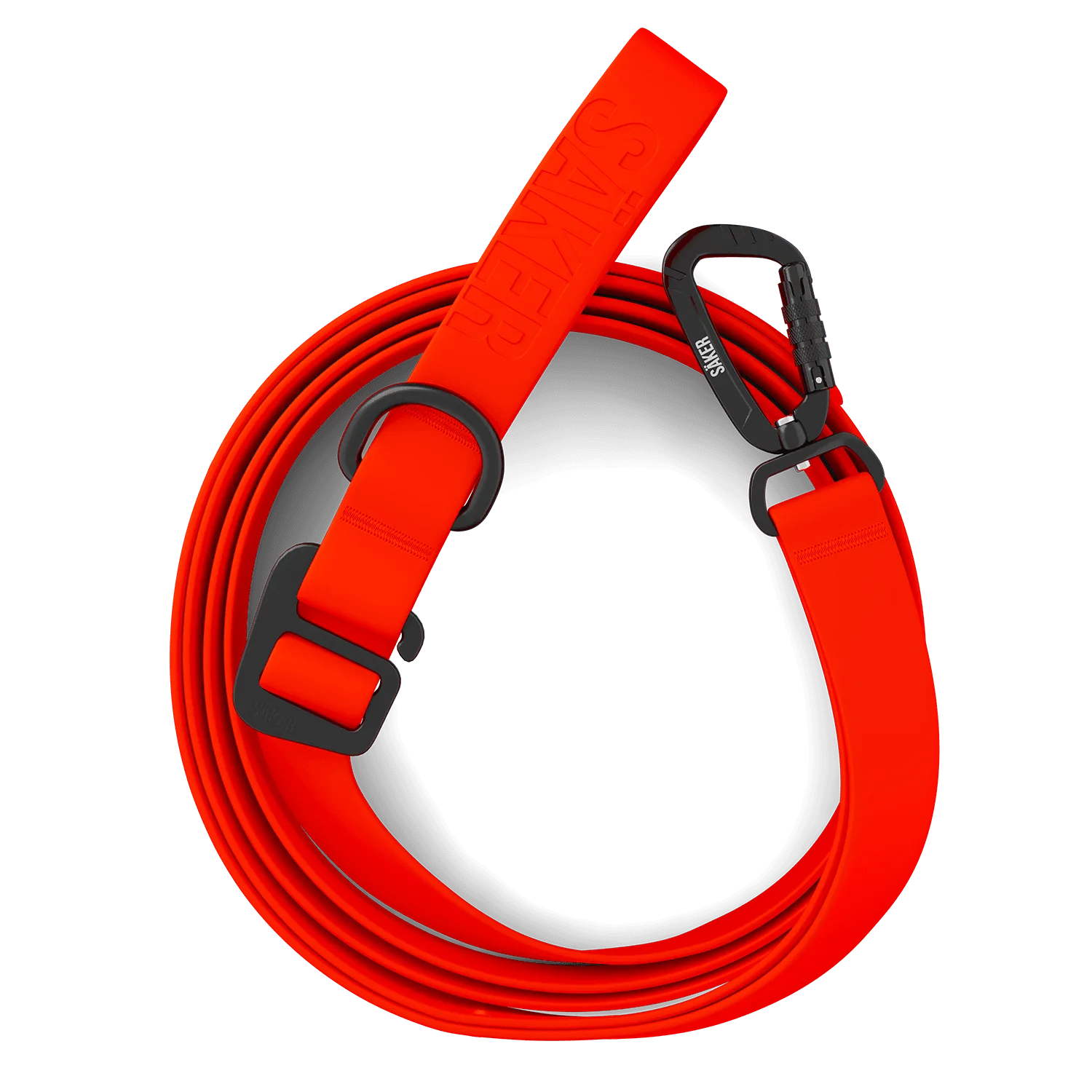
- Kelp™ Leash: Fully waterproof and effortlessly adjustable. A waterproof, adjustable leash lets you shorten the length during training so there is less slack for your dog to grab, and it wipes clean after a muddy walk.