Quick answer
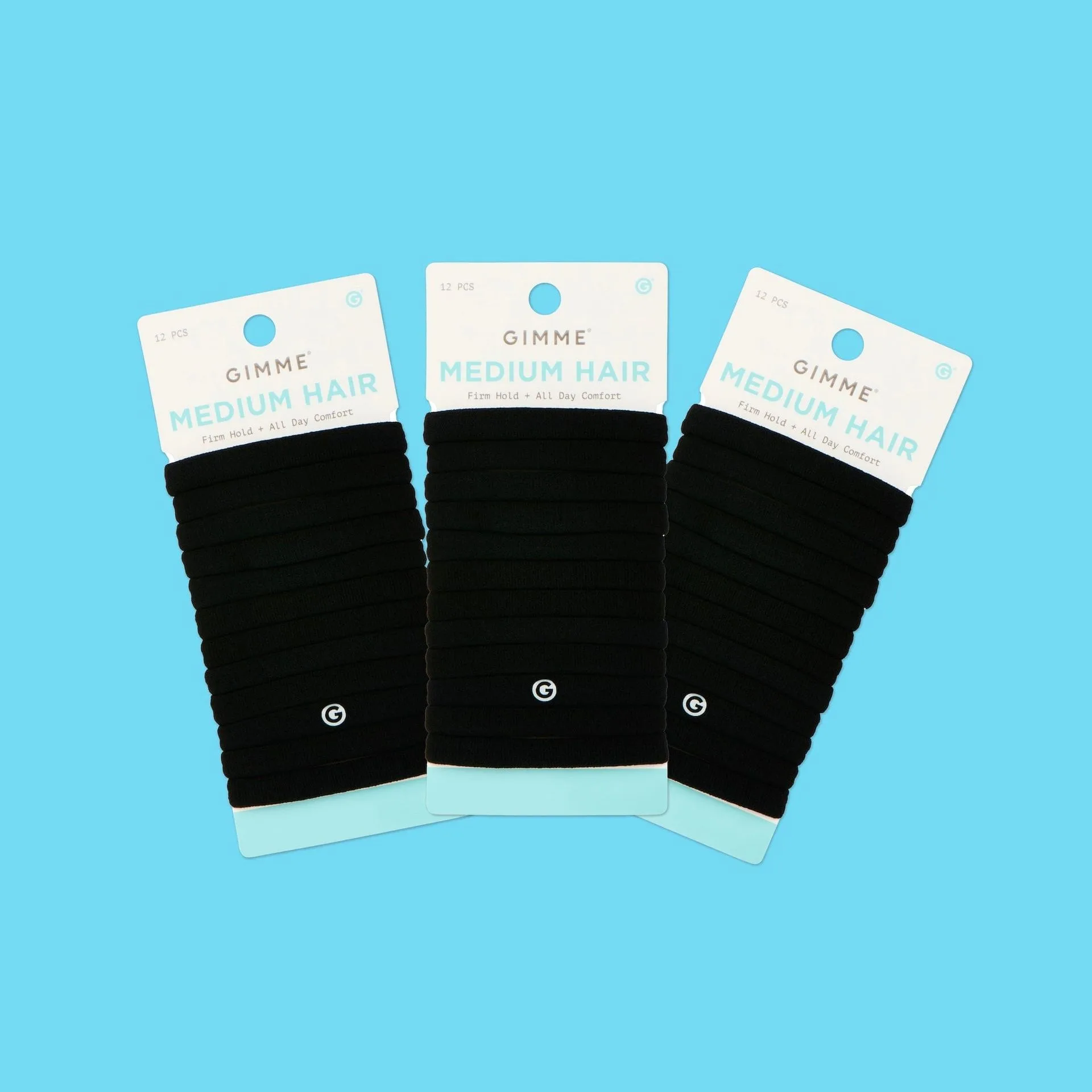
The fix is to reduce tension, not just loosen the ponytail. Switch to a hair tie sized for your hair type, wrap it only as many times as it takes to hold without pulling, and move the anchor point every few hours. If you have fine or thin hair, a smaller-diameter tie like Bounce Back Small Hair Ties For Fine or Thinner Hair grips with less wrapping, which lowers both breakage and scalp pull.
Why tightness isn't the real problem
A ponytail that feels snug can still cause damage if the tie grips unevenly. Breakage usually happens where the elastic pinches a small section of strands, and headaches come from sustained pull on the scalp. Loosening the ponytail helps a little, but the better move is matching the tie's diameter and material to your hair's thickness and texture, then wrapping it only until it holds.
Match the tie to your hair type before changing anything else
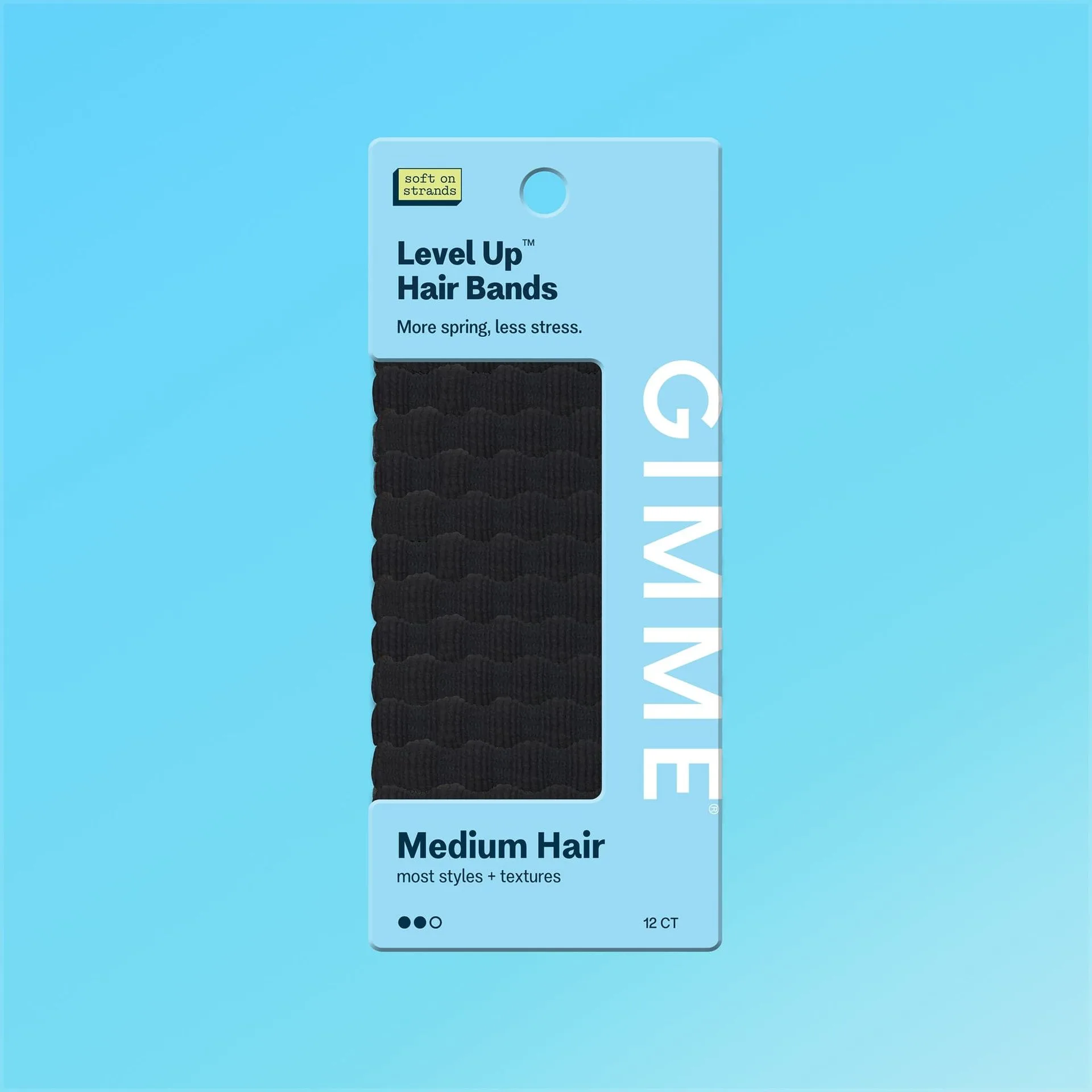
Fine or thin hair needs a smaller-diameter tie so it can grip without extra wraps. Thick or curly hair needs a tie that keeps its stretch over months of daily use, because a stretched-out tie forces you to wrap tighter to get the same hold. If you're not sure which category you fall into, a multi-size bundle lets you test both without committing to a full pack of the wrong size.
Three habits that reduce pull immediately
First, stop twisting the tie before the final wrap; twisting concentrates pressure on one spot. Second, vary the height of your ponytail through the day so the same strands aren't bearing the load. Third, remove the tie by sliding it down rather than pulling it off, which avoids dragging strands against the elastic's edge.
When to stop adjusting and switch ties instead
If you've loosened the ponytail, changed its position, and still get a headache within an hour, the tie is the wrong size or has lost its elasticity. A tie that no longer springs back will keep demanding tighter wraps, which is the opposite of what you want. At that point, replacing the tie is the fix, not more adjustment.
Diagnose your hair tie problem
- Symptom: breakage at the ponytail base: Likely cause: the tie is pinching a small section of strands, often because it's too large for your hair and requires extra wraps. Corrective action: switch to a smaller-diameter tie sized for fine or thin hair and wrap only until it holds. If strands snap at the base even with a loose ponytail, the tie size is the issue.
- Symptom: headache within an hour of tying: Likely cause: sustained scalp pull from a tie that has lost elasticity or is too small for thick hair, forcing you to stretch it tight. Corrective action: use a tie that retains elasticity for months, and reposition the ponytail higher or lower to change the pull angle. If the headache fades when you take the tie out, the tie is too tight or worn out.
- Symptom: tie slides down during the day: Likely cause: the tie is too large for your hair type, so you compensate by wrapping tighter, which increases breakage risk. Corrective action: size down to a tie designed for your hair thickness; if you're between sizes, a bundle lets you test both. A tie that slides is a tie that's too big, not a tie you need to tighten.
Product facts that matter for this fix
- Bounce Back Small Hair Ties For Fine or Thinner Hair: Exclusive patent-pending design with 20% smaller diameter than fine hair bands, stretch to fit, great for fine hair or ponytail/braid ends. A smaller diameter means fewer wraps to get a secure hold, which reduces the tension that causes both breakage and scalp headaches.
- Bounce Back Hair Ties For Thick or Curly Hair: Retains elasticity for 6 months+ with daily use; secure yet gentle. A tie that keeps its stretch won't force you to wrap tighter over time, so the hold stays gentle instead of gradually becoming a source of pull.
- 3-Pack Bounce Back Hair Ties For Most Hair Types: Made from premium nylon, silk, and spandex fiber materials; strong enough for a firm hold but gentle enough to glide off once you're ready to remove them. The glide-off removal matters because dragging a tie off is a common cause of breakage at the ponytail base.