Quick answer
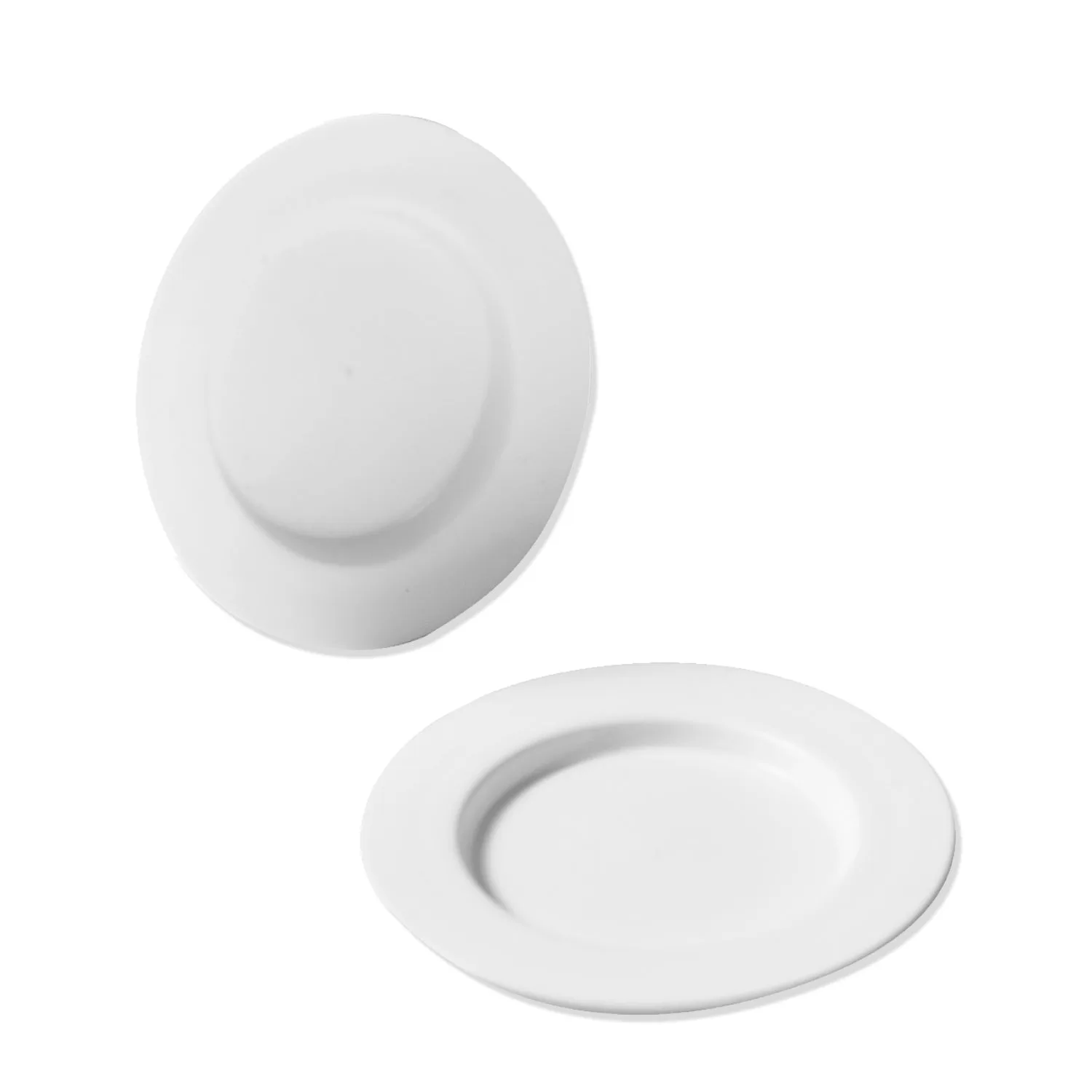
Use breast milk storage caps to seal compatible bottles for fridge or freezer storage, then swap to a nipple for feeding. They work best when they fit your specific bottle brand, so check compatibility before buying. For most daily pumpers, caps plus a few bottles cover the same job as bags with less waste.
How do you use storage caps step by step?
Pump or pour milk into a clean bottle, leaving a little space at the top if you plan to freeze. Twist the cap on until it feels snug, but don't overtighten—you only need a secure seal. Label the bottle with the date, then store it in the fridge or freezer. When you're ready to feed, remove the cap and attach a nipple and collar. If you're storing short-term in the fridge, you can also use the cap as a hygienic cover between pumping sessions.
Storage caps vs bags: which should you choose?
Bags are flexible, save space, and work well for freezing flat, but they're single-use and can be fiddly to fill and seal. Caps turn bottles into storage containers, so you can pump, store, and feed from the same vessel with fewer transfers. Caps also create less waste and are easier to label. The tradeoff: bottles take up more room in the fridge and freezer, and you need enough bottles to rotate. Many parents use both—bags for long-term freezer stash, caps and bottles for daily fridge milk.
How do you clean storage caps?
Wash caps by hand in warm, soapy water with a bottle brush, paying attention to the inner threads where milk residue collects. Rinse thoroughly, then air-dry on a clean rack. If you prefer, check your cap's instructions for dishwasher safety—many are top-rack safe, but heat can warp some plastics over time. For sanitizing, follow the same method you use for bottles, such as boiling or a steam bag, and always let parts dry completely before storing them.
How do you know if a storage cap fits?
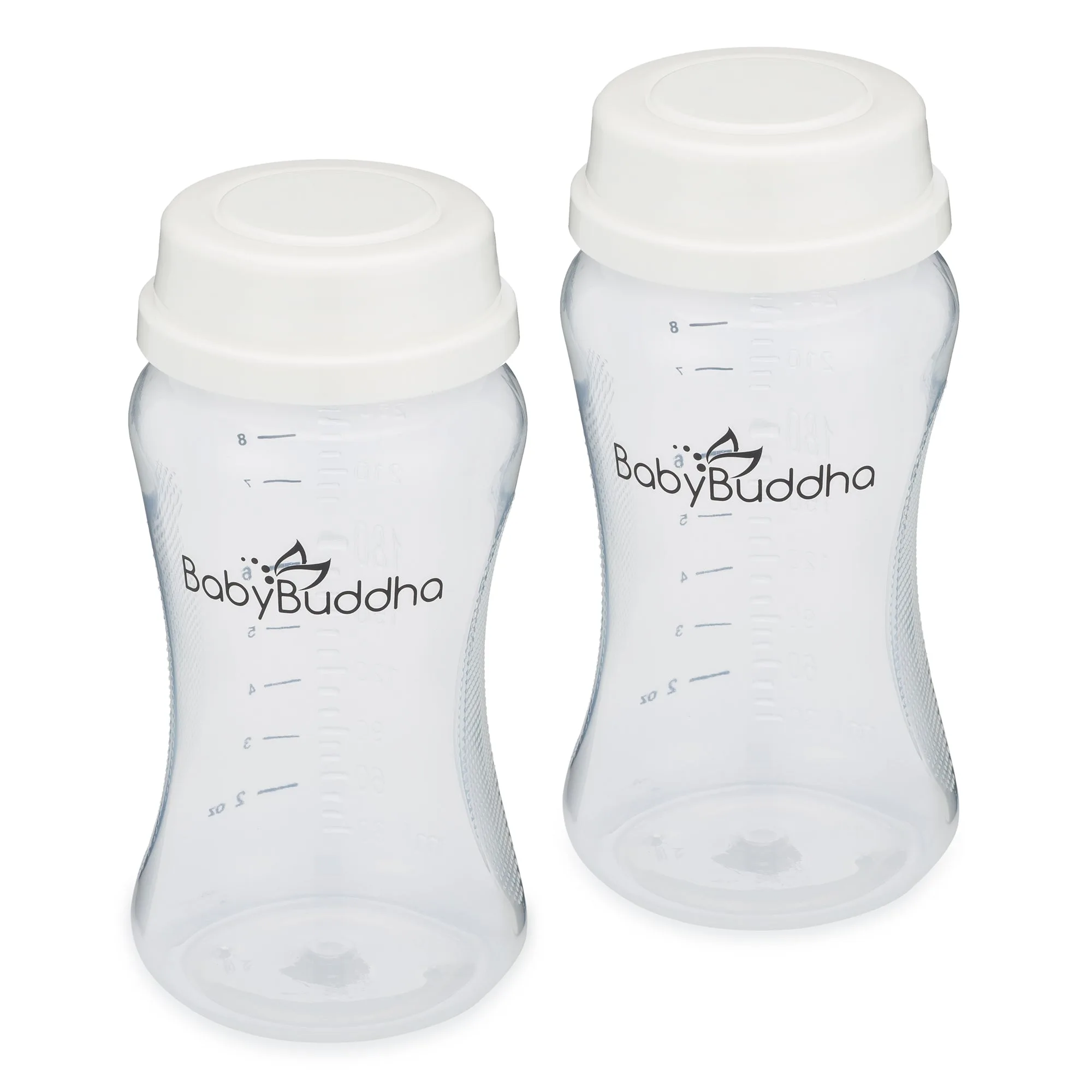
Fit depends on the bottle's thread pattern, not just the diameter. A cap that screws on smoothly without wobbling or leaking is the right one. If it cross-threads or drips when you shake it, it's not compatible. BabyBuddha Storage Caps are designed to fit all BabyBuddha brand bottles, so if you use those bottles, you're set. For other brands, test with water before trusting them with milk.
Can you freeze milk in bottles with caps?
Yes, but leave headspace—about an inch—because milk expands as it freezes, which can crack a full bottle or pop a cap. Use caps that seal securely and are designed for freezer temperatures. If your cap feels brittle or has a thin gasket, it may not hold up to repeated freezing. Thaw milk in the fridge, not at room temperature, and never refreeze thawed milk.
Quick FAQ checkpoints
Seal test
Fill a bottle with water, cap it, and shake over the sink. If it leaks, the cap isn't compatible or the threads are damaged. Test before using with breast milk.
Headspace for freezing
Leave about 1 inch of space at the top of the bottle when freezing to allow for expansion. Prevents cracked bottles and popped caps.
Cleaning routine
Wash caps after every use with warm soapy water, rinse well, and air-dry completely. Clean caps right away to avoid milk residue buildup in threads.
Product facts
- Storage Caps: BabyBuddha Storage Caps are designed to fit all BabyBuddha brand bottles, providing a secure seal for storing expressed milk. You can turn your BabyBuddha bottles into storage containers without buying a separate system.
- BabyBuddha 8.5oz Bottle Kit: BabyBuddha 8.5oz Bottle Kit includes cap covers, hygiene covers, and nipples for multi-use when pumping and feeding. This kit gives you the caps and feeding parts to collect, store, and serve milk from the same bottle.