Quick answer
A 40 quart bin holds roughly 10 gallons, so a 20 gallon tote is about twice the capacity. Choose the 20 gallon tote for bulky, heavy or moisture-sensitive gear that needs a sealed lid, and the 40 quart bin for everyday items you want to stack several high in a closet or garage. If you are unsure, buy one of each size first and test the fit before committing to a multi-pack.
How to read tote capacity before you buy
Tote capacity is listed in either quarts or gallons, and the two units are easy to mix up. One gallon equals four quarts, so a 40 quart bin is a 10 gallon bin. That means the 20 gallon tote in this comparison is twice the volume of the 40 quart bin, not slightly larger. When a listing gives only one unit, convert it before comparing prices, because a cheap 40 quart bin and a cheap 20 gallon tote are not competing for the same job.
Capacity also tells you roughly how much weight you can reasonably handle. A 20 gallon tote filled with books, tools or canned goods gets heavy fast, so plan to store it on the floor or a low shelf rather than overhead. The 40 quart bin is easier to lift and slide onto a shelf, which is why it works better for frequently used items.
Stacking and nesting: what each design gives you
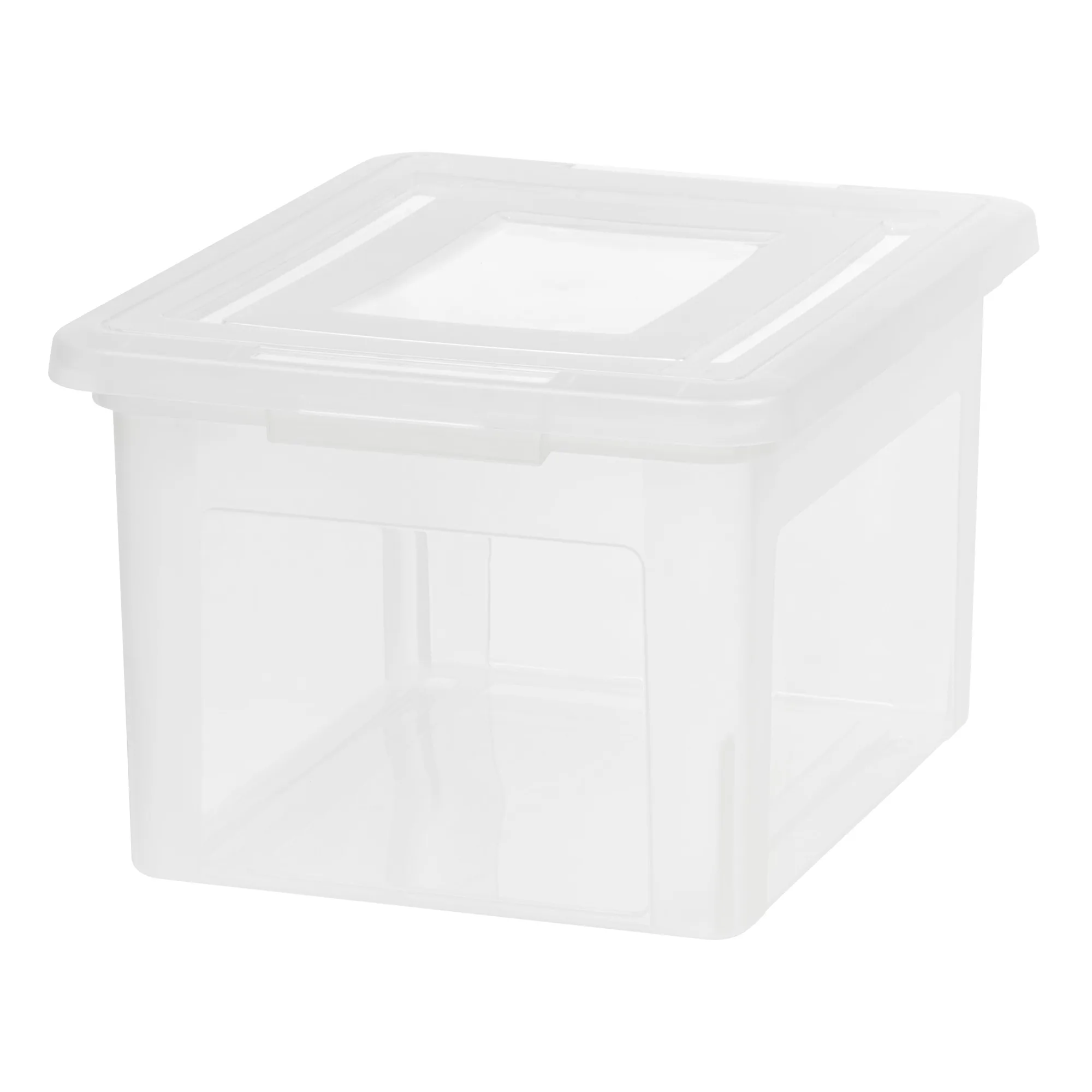
Stackability matters more than raw capacity once your storage area is full. The IRIS USA 40 Qt. bin has grooves on both the lid and the body so multiple bins lock into a stable column, and the lid-body construction is built for that stacked arrangement. That makes it the better choice when you want to build height in a garage or closet without a shelving unit.
The trade-off is that a securely stacked bin is not a nesting bin. Nesting, where one empty tote drops inside another, saves space only while the bins are empty. If your priority is storing empty totes between seasons, check whether the model nests; if your priority is storing full totes, prioritize stackability instead. The 20 gallon WeatherPro® tote is built around sealing and latching rather than nesting, so treat it as a storage container first.
Sealing, latches and where each tote belongs
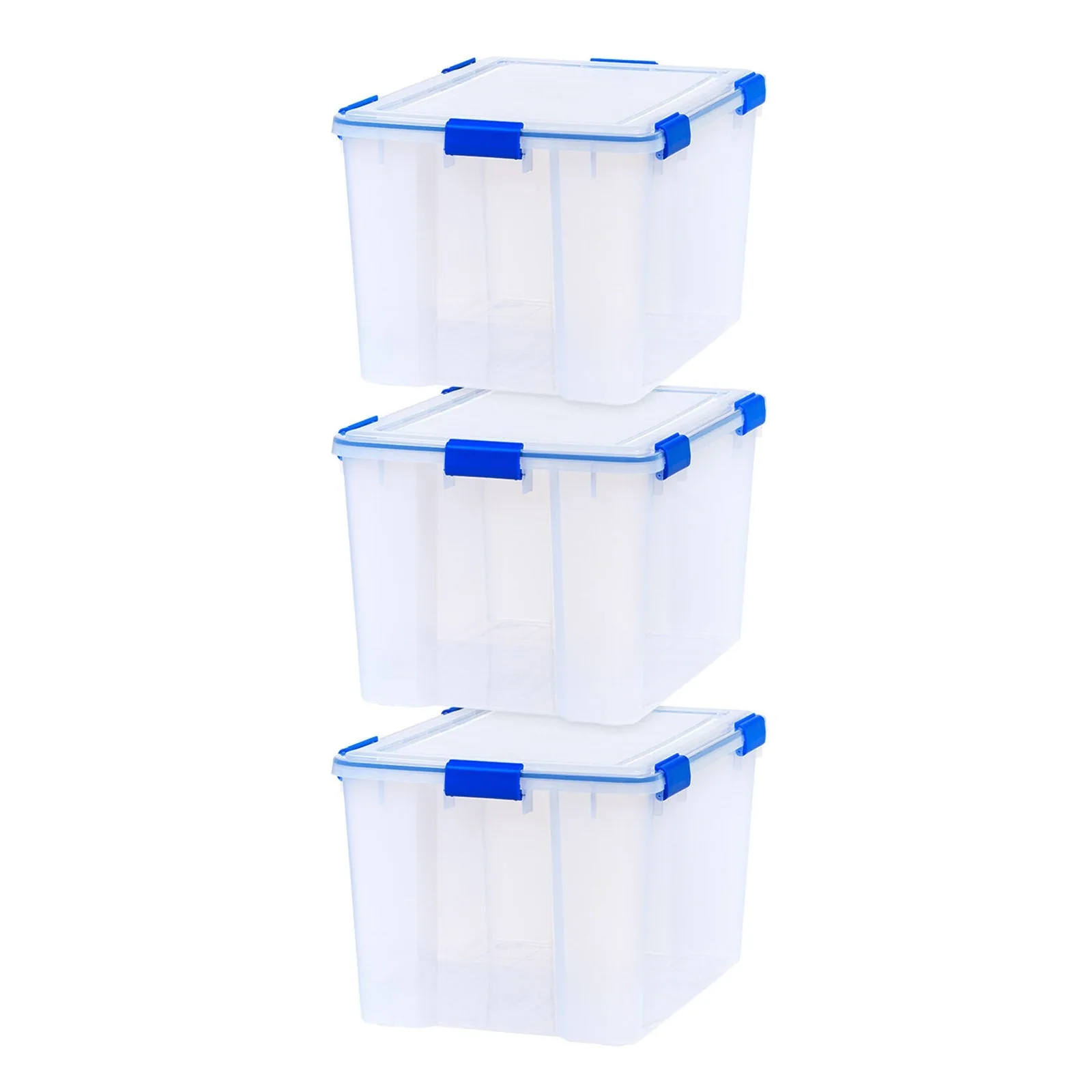
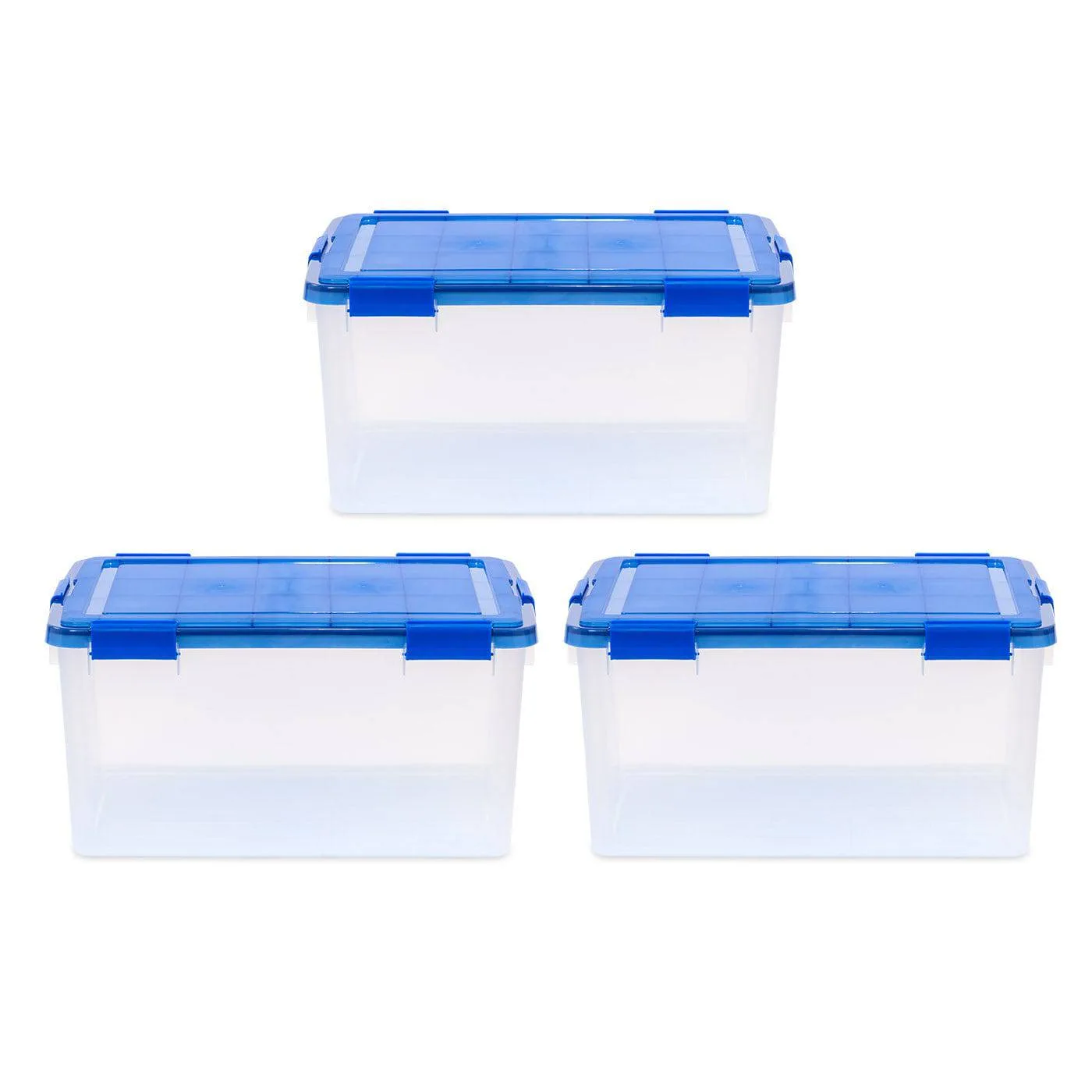
The biggest practical difference between these two sizes is the lid system. The 40 quart bin uses secure latching buckles that hold the lid on for stacking and moving. The 20 gallon tote goes further with high quality heavy duty seals in the lid that create a vacuum-like environment inside, blocking out moisture and dust. That sealed design suits clothes storage, document storage, food storage, hunting gear and camping gear, where dust or damp air would cause damage.
Neither tote is a substitute for climate control. A sealed lid slows moisture and dust, but it does not make a garage or shed dry. For anything truly humidity-sensitive, store the sealed tote indoors or add a desiccant pack inside. For general household clutter, the 40 quart bin's latching lid is enough.
Small items need a different container entirely
Not every storage problem is a tote problem. Loose small items such as cables, craft supplies, toiletries or nursery odds and ends get lost at the bottom of a 20 gallon tote. The IRIS USA Nestable storage Organizer Bin, Small, Pack of 4 is a modular option designed to sit on shelves in the bedroom, kitchen pantry, bathroom, craft room, nursery or dorm room, with a simple clean design that blends into home or office décor.
Use the small organizer bins as the inner layer and the large totes as the outer layer. Group related small items in the organizer bins, then place those bins inside a 40 quart or 20 gallon tote for seasonal storage. This keeps you from digging through a deep tote every time you need one small item.
Trade-offs to weigh before choosing a size
- Capacity vs. lifting weight: A 20 gallon tote holds about twice what a 40 quart bin holds, but a full 20 gallon tote of dense items can be too heavy to lift onto a high shelf. Choose the 20 gallon size for bulky but light gear, and the 40 quart size for dense items you need to lift.
- Sealed protection vs. simple latching: The 20 gallon WeatherPro® tote adds heavy duty lid seals that block moisture and dust; the 40 quart bin relies on secure latching buckles for stacking and moving. Pay for the sealed lid only if dust or damp air is a real risk where you store the tote.
- Stacking height vs. nesting empty bins: The 40 quart bin is designed to stack securely using lid and body grooves, while nesting saves space only while bins are empty. If you store full bins year-round, prioritize stackability; if you store empty bins, check nesting before you buy.
Product facts behind this comparison
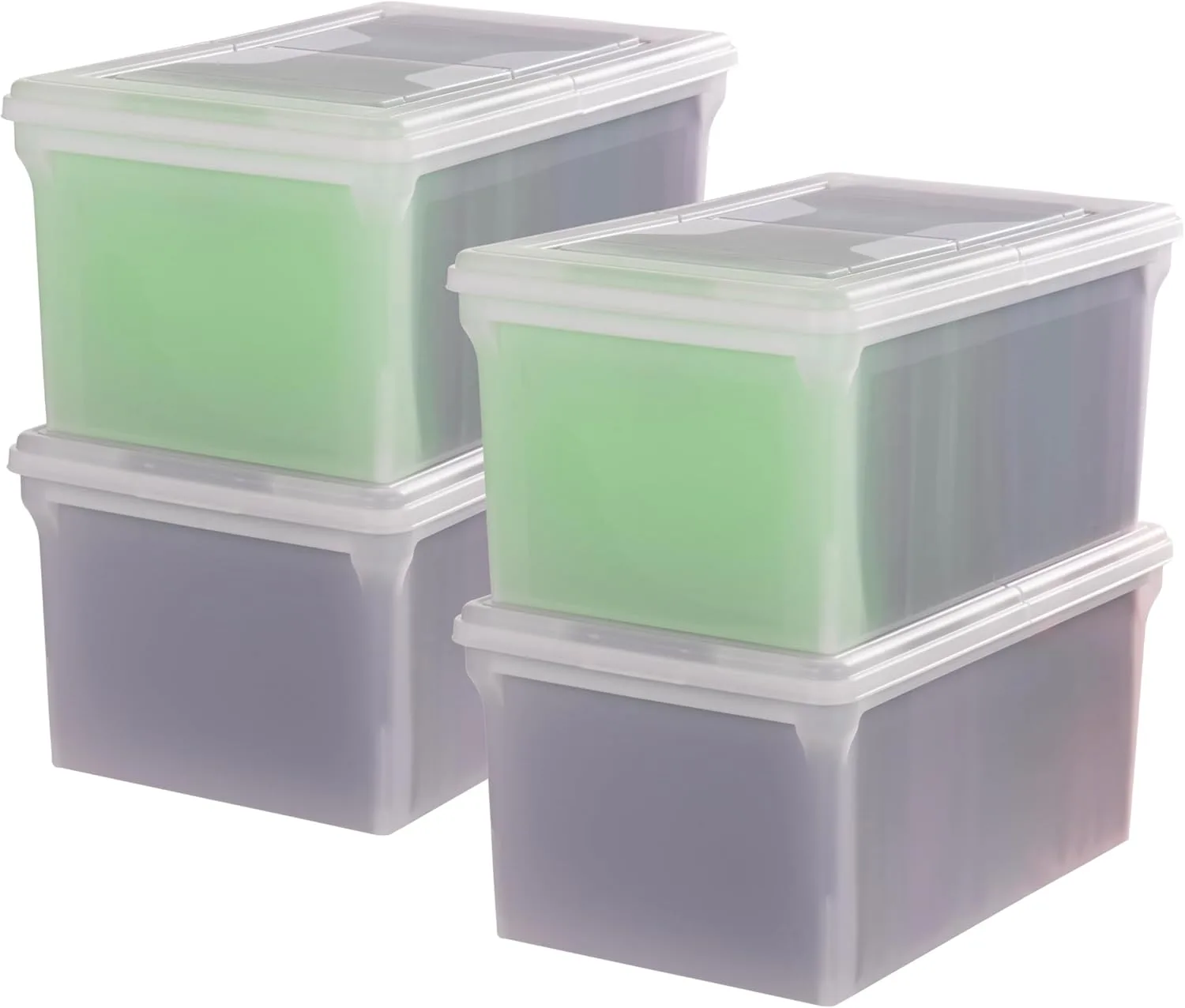
- 40 Qt. Plastic Storage Bin Tote Organizing Container with Durable Lid and Secure Latching Buckles, Stackable and Nestable, 4 Pack, Clear with Black Buckle: Made in the USA with global materials from anti-break, durable polypropylene, with grooves on the lid and body for secure stacking. The grooved lid and body let you build a stable column of bins, so you can use vertical space in a garage or closet instead of buying shelving.
- 20 Gallon Eco-Friendly Heavy Duty Totes for Storage with Easy-Grip Handles, 4 Pack: WeatherPro® design uses high quality heavy duty seals in the lids to create a vacuum-like environment inside, blocking out moisture and dust, with multi-buckle latches that secure onto the durable lid. The sealed, latched lid protects clothes, documents, food, hunting gear and camping gear from dust and damp air, which an open or lightly lidded bin cannot do.
- Nestable storage Organizer Bin, Small, Pack of 4: Modular storage pieces designed to store frequently used household items in the bedroom, kitchen pantry, bathroom, craft room, nursery or dorm room, with a simple clean design that blends into home or office décor. Small organizer bins keep loose items grouped and visible on shelves, so you do not have to open a large tote to find one small object.
Which storage tote size should you pick?
Best for
- Households storing bulky seasonal gear, camping equipment or hunting gear that needs a sealed lid against dust and moisture.
- Garages, closets and basements where you want to stack several bins into a stable column using the 40 quart bin's lid and body grooves.
- Shoppers who want a made-in-USA polypropylene bin for general household storage and easy moving.
Not for
- Anyone storing only small loose items such as cables or craft supplies, who should use small modular organizer bins instead.
- Spaces with no room to lift or slide a large tote, where a smaller 40 quart bin is easier to handle.
- Buyers who need a fully waterproof or climate-controlled container, since these totes are not a substitute for dry, indoor storage.