Your ballistic helmet is one of the most critical pieces of protective gear you own. Whether you're a professional operator or a dedicated enthusiast, the way you store your helmet and its cover can significantly impact their performance and lifespan. Proper storage isn't just about keeping things tidy—it's about preserving the integrity of the ballistic materials and ensuring your gear is ready when you need it.
In this guide, we'll walk you through the best practices for storing your ballistic helmet and helmet cover, covering everything from environmental conditions to handling techniques. We'll also highlight common mistakes to avoid and offer practical tips to keep your gear in top condition for years to come.
Why Proper Storage Matters for Your Ballistic Helmet
Ballistic helmets are engineered to withstand extreme impacts, but their performance can degrade if they're not stored correctly. The materials used in modern helmets, such as aramid fibers and advanced composites, are sensitive to environmental factors like heat, humidity, and UV radiation. Over time, exposure to these elements can weaken the structural integrity of the helmet, reducing its ability to protect you.
Additionally, the helmet cover—whether it's a simple fabric cover or a specialized model like the United Shield Spec-Ops Delta Helmet Cover-Gen4 Lo-Pro—can suffer from improper storage. Covers can stretch, fade, or develop creases that affect their fit and appearance. By following proper storage guidelines, you can extend the life of both your helmet and its cover, ensuring they perform as intended.
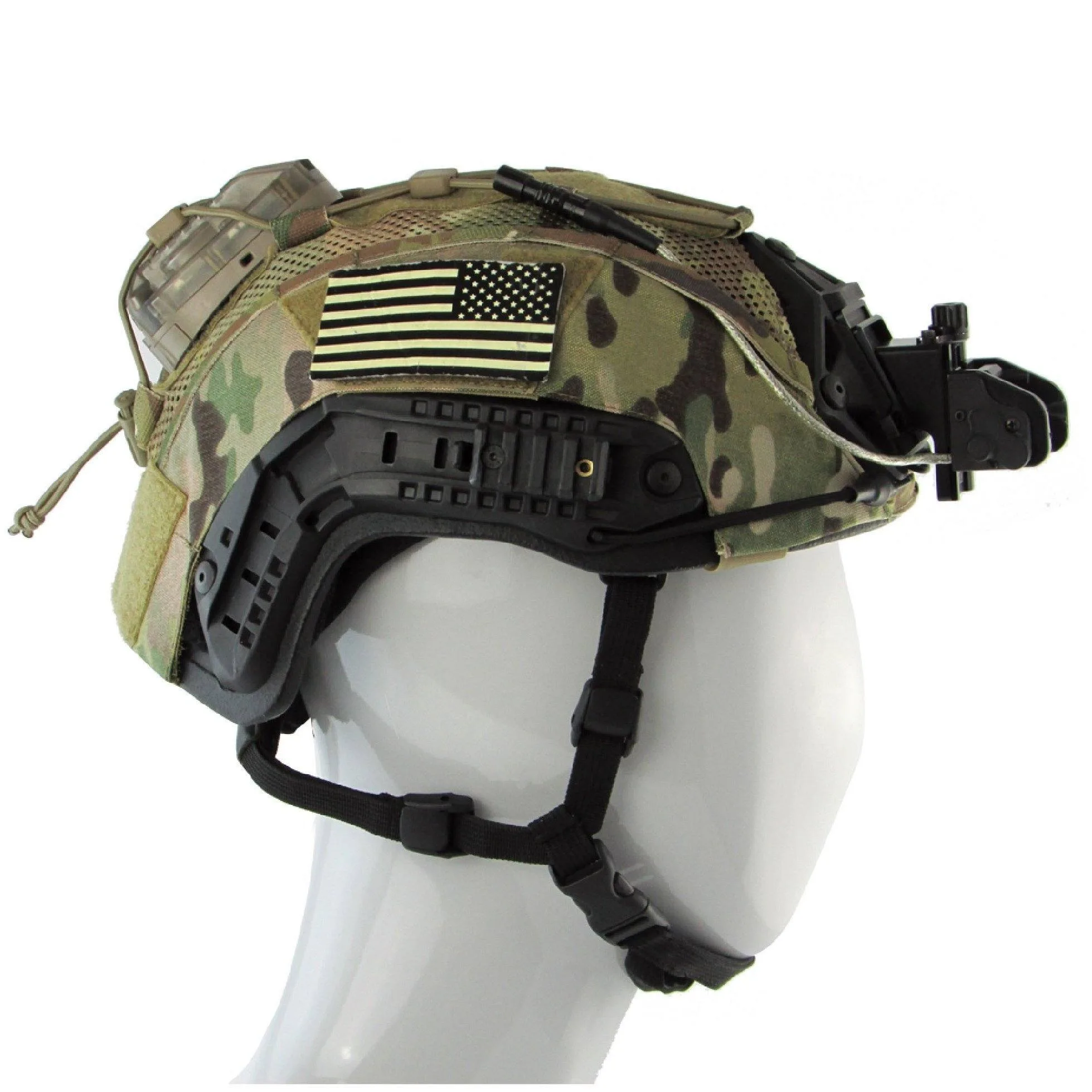
United Shield Spec-Ops Delta Helmet Cover-Gen4 Lo-Pro
- Store in a cool, dry place away from direct sunlight.
- Avoid extreme temperatures, both hot and cold.
- Keep the helmet in a padded bag or case when not in use.
Best Practices for Storing Your Ballistic Helmet
When it comes to storing your ballistic helmet, the environment is key. Aim to keep your helmet in a climate-controlled area with moderate temperature and humidity levels. A temperature range of 50-80°F (10-27°C) and humidity between 30-50% is ideal. Avoid storing your helmet in a car trunk, attic, or garage where temperatures can fluctuate dramatically.
Always store your helmet with the interior padding intact and the suspension system properly adjusted. This helps maintain the helmet's shape and prevents unnecessary stress on the shell. If you need to stack items, place the helmet on top to avoid crushing it. For extra protection, consider using a dedicated helmet bag or a padded case designed for tactical gear.
- Remove any accessories like lights or mounts before long-term storage.
- Inspect the helmet periodically for signs of wear or damage.
- Use a helmet stand or dummy head to maintain shape if possible.
Helmet Cover Storage: Do's and Don'ts
Helmet covers are often overlooked when it comes to storage, but they require just as much care as the helmet itself. A well-maintained cover not only looks professional but also provides better camouflage and protection. When storing your cover, ensure it is clean and completely dry before putting it away. Moisture can lead to mold and mildew, which can damage the fabric and cause unpleasant odors.
Fold the cover neatly or roll it loosely to avoid sharp creases that can weaken the fabric over time. If your cover has hook-and-loop attachments, like those found on many tactical covers, make sure they are fastened to prevent them from snagging on other gear. For covers with specialized features, such as the 3M F70 Helmet Cover-(Mid Cut Version), follow the manufacturer's recommendations for care and storage.
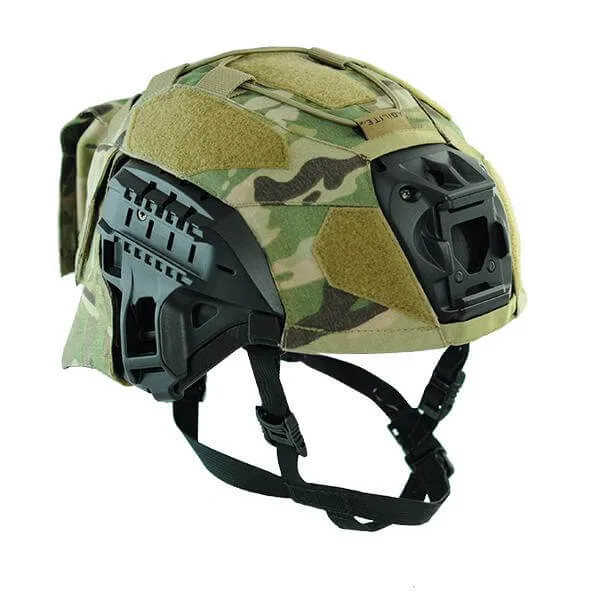
3M F70 Helmet Cover-(Mid Cut Version)
- Wash the cover according to the manufacturer's instructions before storing.
- Avoid hanging the cover by its straps, as this can stretch them.
- Store the cover separately from the helmet if it's not attached to avoid unnecessary wear.
Common Mistakes to Avoid When Storing Tactical Helmets
One of the most common mistakes is storing your helmet in direct sunlight or near a window. UV rays can degrade the ballistic fibers and cause the cover to fade. Another mistake is placing heavy objects on top of the helmet, which can deform the shell and compromise its protective capabilities.
Additionally, many users neglect to clean their helmet before storage. Dirt, sweat, and oils from your skin can accumulate and lead to corrosion or fabric deterioration. Always wipe down the exterior and interior of your helmet with a mild soap solution and allow it to dry completely before storing. Avoid using harsh chemicals or solvents that can damage the helmet's coatings.
- Don't store your helmet in a damp basement or humid environment.
- Avoid using plastic bags that trap moisture; use breathable fabric bags instead.
- Never leave your helmet in a hot car for extended periods.
Long-Term Storage Tips for Your Helmet and Cover
If you're storing your helmet for an extended period, such as between deployments or seasons, take a few extra steps to ensure it remains in pristine condition. First, remove the cover and wash it thoroughly, then store it in a separate airtight bag with a desiccant packet to absorb any residual moisture. For the helmet itself, consider applying a thin layer of silicone-based protectant to the exterior to prevent drying and cracking.
It's also wise to periodically check on your stored gear every few months. This allows you to catch any potential issues early, such as signs of mold, unusual odors, or physical damage. By staying proactive, you can address problems before they compromise your safety gear. Remember, your helmet is a life-saving investment, and proper storage is a crucial part of maintaining it.
- Label your storage container with the date and contents for easy identification.
- Keep your helmet and cover in a dedicated storage area away from chemicals or solvents.
- Consider using a silica gel pack in the storage bag to control humidity.
Proper storage of your ballistic helmet and cover is essential for maintaining their performance and extending their lifespan. By following the tips outlined in this guide, you can ensure your gear remains ready for action whenever you need it. For high-quality helmets and covers, explore our selection, including the United Shield Spec-Ops Delta Helmet Cover-Gen4 Lo-Pro and the 3M F70 Helmet Cover-(Mid Cut Version).