Quick answer
Keep built model kits dust-free by displaying them inside a closed cabinet or acrylic case, away from direct sunlight, and cleaning them only with a soft brush or low-pressure air. For long-term storage, wrap each kit in acid-free tissue, pad the box, and keep it in a stable, dry room. The biggest mistake is using household cleaners or rough cloths, which can cloud clear parts and lift decals.
Choose the right display spot before you build
Where a kit lives matters more than how often you dust it. Direct sun fades colored plastic and can yellow white parts over time, so pick a shelf that gets indirect light. Avoid spots above heaters, near kitchen steam, or against an exterior wall that swings in temperature. A stable room with moderate humidity keeps plastic from warping and slows adhesive failure on decals.
- Use a shelf at least 6 inches from a wall so air can move behind the kit.
- Keep kits out of reach of pets and young children to prevent tip-overs.
- If you must use a sunny room, rotate kits every few months so fading is even.
Enclose kits to cut dust at the source
Open shelving guarantees dust. A glass-front cabinet, a acrylic display case, or even a clear plastic storage bin with the lid ajar for airflow will reduce how often you need to touch the model. For large kits like a 1/144 Gundam with a striker pack, measure the height with the backpack attached before buying a case. If you use open shelves, add a thin acrylic riser so the kit sits above the shelf surface and dust settles around it rather than on it.
- Line cabinet shelves with felt or closed-cell foam to stop sliding.
- Leave a small gap for air circulation if the case is fully sealed.
- Group small kits inside one larger case to save space and cleaning time.
Clean kits without damaging decals or clear parts
Dust is abrasive. Wiping a dry kit with a paper towel drags grit across the surface and can scratch clear canopies. Use a soft makeup brush or a clean, dry paintbrush to lift dust from panel lines and joints. For stubborn dust, a camera blower or low-pressure air duster works better than cloth. If a kit has water-slide decals, never use alcohol, ammonia, or all-purpose spray near them; those solvents soften the decal film.
- Brush from top to bottom so dust falls away from the kit.
- Use a slightly damp microfiber cloth only on bare plastic, not on decals.
- Test any cleaner on a hidden area first, like the underside of a foot.
Store unbuilt and built kits safely
For unbuilt kits, keep the runners in the original box with the instructions. Stack boxes flat rather than on their sides to prevent parts from warping under weight. For built kits going into storage, remove fragile accessories like beam sabers or effect parts and bag them separately. Wrap the main body in acid-free tissue or a clean cotton cloth, then place it in a rigid box with foam padding at the corners. Label the box with the kit name and date so you do not have to open it to identify contents.
- Store boxes off the floor to avoid moisture wicking.
- Avoid vacuum-sealed bags, which can crush thin parts.
- Keep stored kits out of attics and garages with extreme temperature swings.
Step-by-step model kit care routine
- 1. Pick a low-traffic, indirect-light display spot: Choose a shelf away from windows, vents, and doorways. Direct sun and temperature swings are the main causes of fading and warping. Checkpoint: if the spot gets direct sun for more than an hour a day, move the kit or add a UV-filtering case.
- 2. Enclose the kit in a case or cabinet: Measure the kit with its tallest accessory attached, then buy an acrylic case, glass cabinet, or lidded bin that leaves at least an inch of clearance. Common mistake: sealing the case completely traps moisture; leave a small vent or open the case monthly.
- 3. Dust with a soft brush, never a cloth: Use a makeup brush or camera blower to lift dust from panel lines and joints. Work from top to bottom so debris falls away. Checkpoint: if the brush leaves streaks, it is too stiff; switch to a softer brush.
- 4. Spot-clean decals and clear parts carefully: For water-slide decals, use only a dry brush or a barely damp swab with water. Avoid alcohol, ammonia, and household sprays. Common mistake: rubbing a decal with a dry cloth can lift the edge; if it lifts, press it back with a damp swab and let it dry.
- 5. Store built kits padded and labeled: Remove fragile accessories, wrap the body in acid-free tissue, and pack it in a rigid box with foam at the corners. Label the box with the kit name and date. Next step: store boxes off the floor in a dry closet, not an attic or garage.
Products that fit this routine
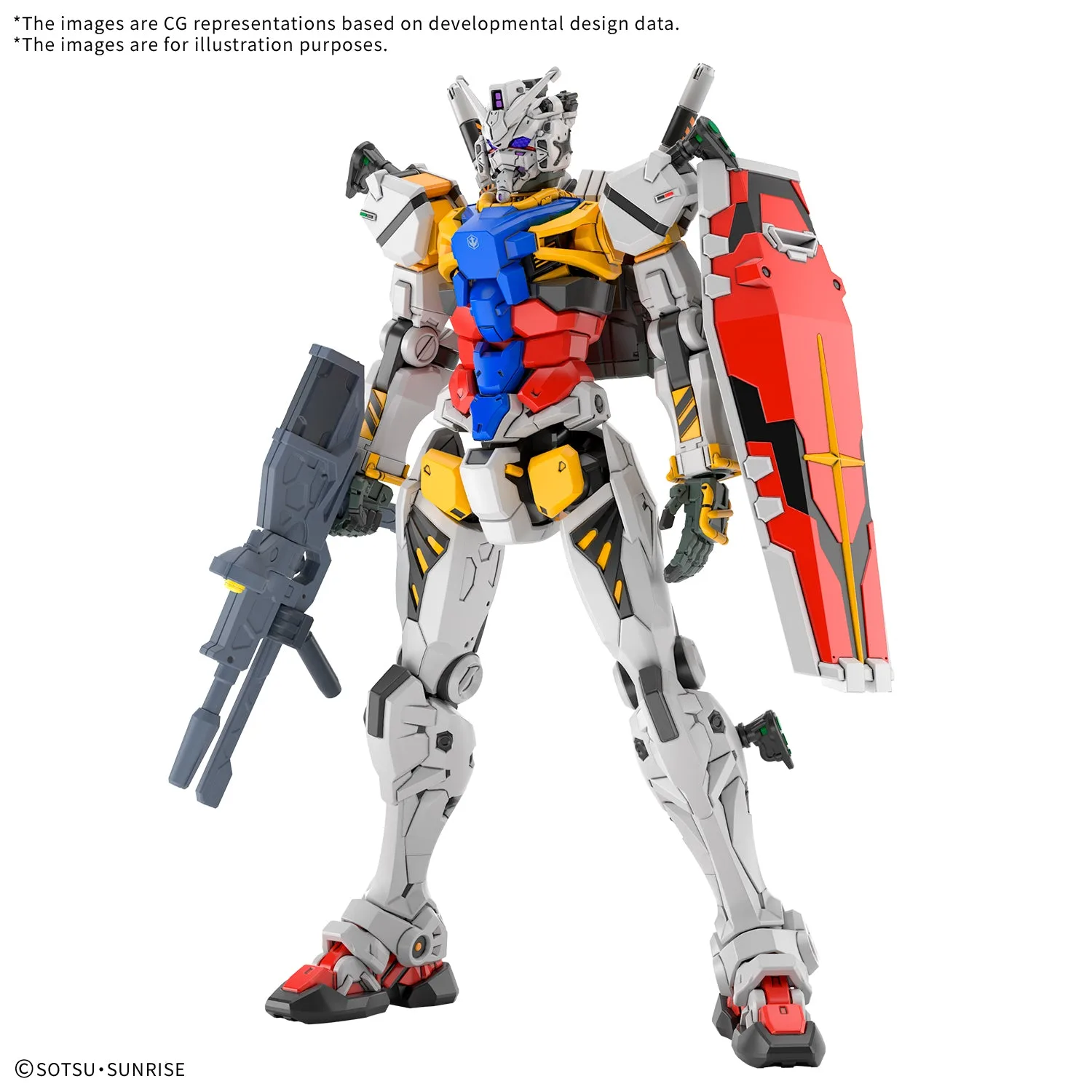
- Bandai HG 1/144 RX-78-02 White Gundam Model Kit | Mobile Suit Gundam GQuuuuuuX: Bandai HG 1/144 RX-78-02 White Gundam Model Kit from Mobile Suit Gundam GQuuuuuuX is a High Grade kit with a modern redesign of the classic RX-78 silhouette. Its 1/144 scale fits standard acrylic display cases and shelf risers, so you can enclose it without a custom cabinet.
- Bandai HGCE #171 1/144 GAT-X105 + AQM/E-X01 Aile Strike Gundam 'Gundam SEED' Model Kit: Bandai HGCE #171 1/144 GAT-X105 + AQM/E-X01 Aile Strike Gundam from Gundam SEED features updated engineering and improved articulation over the original HG release. The Aile Striker pack adds height and back weight, so measure clearance and choose a case or shelf with enough depth to avoid tipping.