Quick answer
Let paint and varnish cure for a full 24 to 48 hours, then store each painted mini in a foam tray sized to its base, and carry that tray upright inside a rigid transport case. The two things that break painted figures are loose movement and pressure on thin parts, so trap the base, leave space around weapons and capes, and never stack trays on their sides. If you are moving a whole collection, pack in small batches and label what is fragile.
Why painted minis fail in storage and transit
Most damage is not caused by a single drop. It comes from vibration, abrasion, and weight. A mini that can slide even a few millimeters inside a box will rub against neighbors, and paint that has not fully cured will smear or flake at the contact points. Thin parts such as staffs, bows, and capes act like levers, so any pressure on them transfers to the joint where they meet the body.
That is why the goal is not a soft box. The goal is controlled contact: hold the base and the thickest part of the body, keep thin parts in open air, and stop the whole tray from shifting. A miniature transport case only works when the foam inside matches the figures you own.
Match foam to base size, not to figure height
Foam trays are usually sold by base size and depth, and that is the right way to choose. Measure the widest part of the base, then pick a cutout that grips it with slight friction. If the cutout is too wide, the figure tilts; if it is too tight, you scrape paint every time you insert it.
Depth matters for tall or wide figures. A wizard with a raised staff needs a tray deep enough that the lid does not press the staff tip. When you cannot find a perfect cutout, use a slightly larger one and add a small foam wedge beside the base rather than around the weapon.
- Checkpoint: with the mini seated, tip the tray 45 degrees. If the figure shifts, the cutout is too loose.
- Common mistake: cutting foam to fit the tallest point of the model instead of the base, which leaves the base rattling.
Pack a transport case for a real trip
A transport case is only as good as its outer shell. Rigid walls and a flat, reinforced bottom prevent the trays from flexing when the case is set down or stacked in a car. Soft bags can work for a short walk, but they let trays bow, and a bowed tray releases its grip on the bases.
Load the heaviest trays at the bottom and the lightest at the top, and fill empty cutouts with foam plugs so nothing can migrate. Keep the case upright and flat during travel. If you must stack cases, put the lightest on top.
- Checkpoint: shake the closed case gently. You should hear almost nothing move.
- Common mistake: leaving gaps in the top tray, which lets minis slide into empty space during braking.
Protect thin parts during packing and moving
Weapons, tails, and capes are the first things to snap. Before travel, slide a strip of soft foam under a raised arm or beside a long weapon so it cannot flex, but do not wrap it tightly. Tight wrapping presses paint into the foam and leaves a texture imprint.
For a full move, treat the collection like glassware: pack trays into a rigid box, seal the box, and carry it in the passenger area rather than a hot or bouncing trunk. Label the box on two sides so anyone helping knows it should stay flat and upright.
- Common mistake: using bubble wrap directly on painted surfaces, which can rub details and leave residue.
- Checkpoint: after the move, inspect bases and weapon tips first, since those show stress before the torso does.
Set up a home storage spot that stays stable
At home, store trays on a shelf that does not get direct sun or heat, because warmth softens both paint and foam. Keep trays flat rather than leaning them against a wall, and avoid stacking more than two or three trays unless the bottom tray is on a rigid board.
If you display minis on open shelves, dust is the tradeoff. A covered tray or a lidded case keeps dust off and still lets you pull a warband for game night. Label trays by faction or base size so you can find and repack figures without handling everything.
Your step-by-step storage and transport routine
- Step 1: Cure the paint and varnish fully: Wait at least 24 hours after the final coat, and 48 hours for thick layers or humid rooms. Painted figures that still smell of solvent are not ready to be packed. Checkpoint: touch a hidden area on the base. If it feels tacky, wait another day.
- Step 2: Measure bases and choose foam cutouts: Record the base diameter of each figure, then select foam with cutouts that grip the base with light friction. Keep thin parts in open air rather than in tight foam. Common mistake: buying one tray size for the whole collection and forcing oversized bases into small cutouts.
- Step 3: Seat each mini base-first and test the grip: Lower the figure straight down so the base seats flat. Tip the tray 45 degrees and watch for sliding. Add a foam wedge beside the base if it moves. Checkpoint: no figure should shift when the tray is tilted.
- Step 4: Fill empty slots and level the tray: Plug unused cutouts with foam so nothing can migrate into them. Keep the top surface level so the lid closes without pressing tall parts. Common mistake: leaving a half-empty tray, which lets figures slide into the empty space.
- Step 5: Load the transport case heaviest-first and upright: Put heavy trays at the bottom, light trays on top, and keep the case flat and upright in the vehicle. Avoid hot trunks and loose cargo areas. Checkpoint: shake the closed case gently. You should hear almost no movement.
- Step 6: Unpack, inspect, and store flat at home: Check bases and weapon tips first, then return trays to a stable shelf away from direct sun and heat. Do not lean trays against a wall. Next step: label trays by faction or base size so repacking is faster next time.
Miniatures that fit this routine well
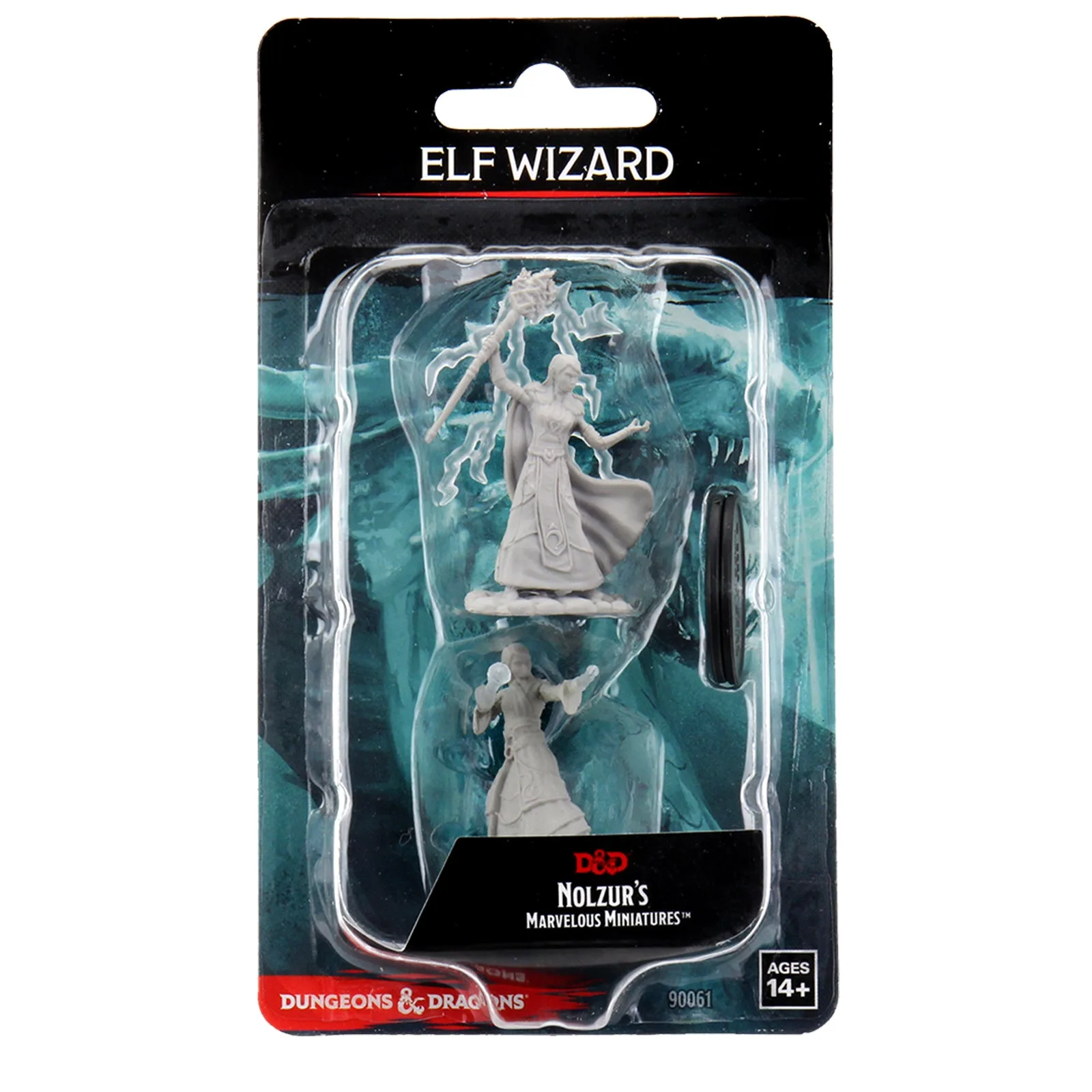
- D&D Nolzur's Marvelous Miniatures - Female Elf Wizard: D&D Nolzur's Marvelous Miniatures come highly detailed, primed, and ready to paint out of the box, with deep cuts for easier painting. Because the figure is already primed, the paint layer you add is the layer you must protect, so cure time and a base-gripping foam cutout matter from day one.
- D&D Nolzur's Marvelous Miniatures: Male Goblin Rogue & Female Goblin Bard: This set includes a male goblin rogue and a female goblin bard, both part of the Nolzur's Marvelous Miniatures line with deep cuts for easier painting. Two figures in one pack means two base sizes and two silhouettes to plan for; cut separate foam slots so the bard's instrument or the rogue's blade is not pressed against a neighbor.
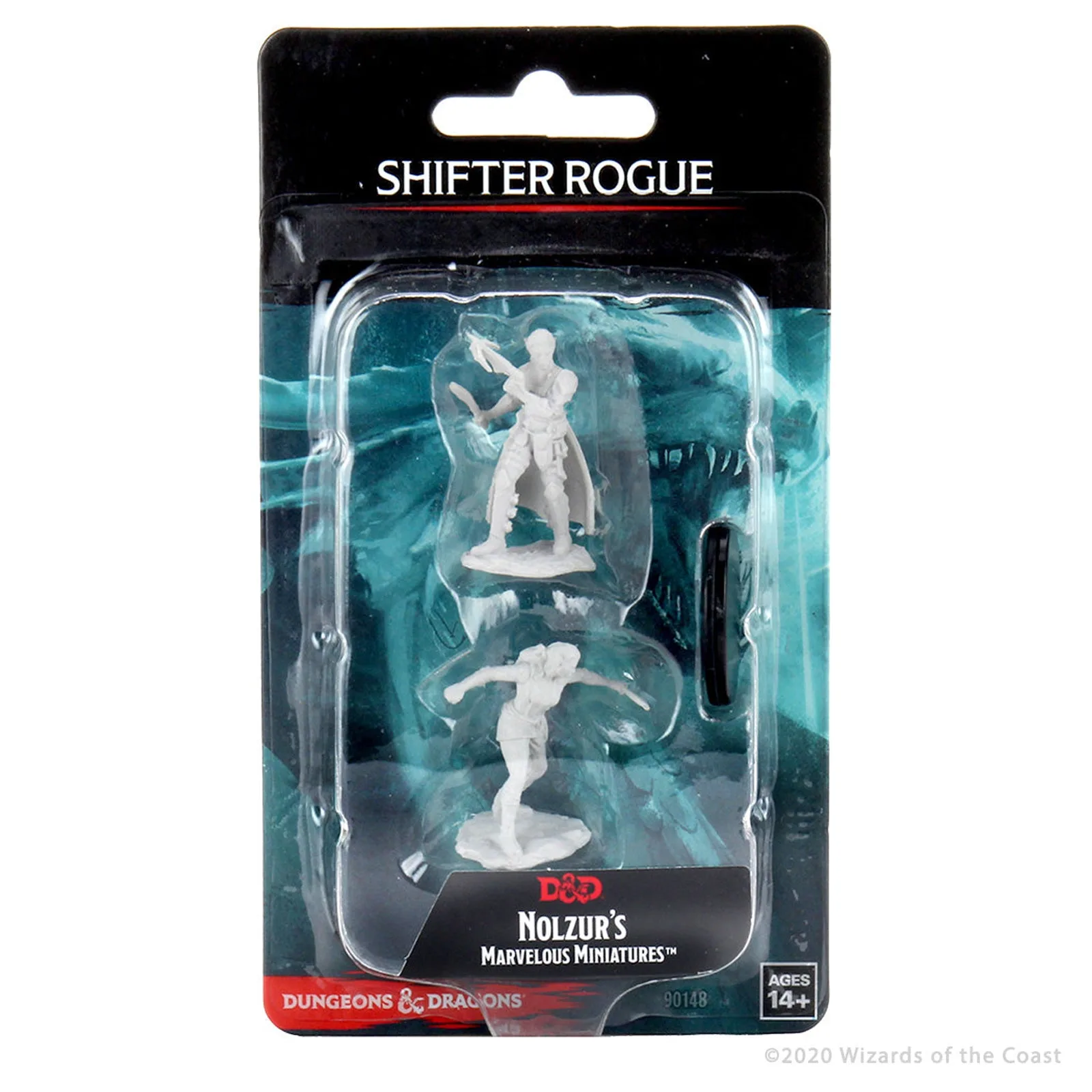
- D&D Nolzur's Marvelous Miniatures: Shifter Rogue Female: The Shifter Rogue Female is a highly detailed, primed Nolzur's Marvelous Miniatures figure packaged in a clear, visible format. The clear packaging shows exactly what you are storing, so you can match a cutout to the actual pose before you commit foam to it.