Quick answer
Move clay powder, seeds and herbal tea into small airtight containers kept in a cool, dark, dry cabinet, and buy only the amount you will finish within a few months. Moisture and heat cause most clumping, rancidity and lost aroma, so the fix is usually a container change plus a storage-location change, not a new product.
Why powders, seeds and tea fail in the same pantry
Clay powder, seeds and herbal tea spoil for different reasons, so one storage method rarely fixes all three. Clay powder is hygroscopic, meaning it pulls moisture from the air and turns into hard lumps. Seeds contain oils that oxidize when exposed to heat and light, which is what makes them taste bitter or soapy over time. Herbal tea is dry and porous, so it absorbs nearby odors and loses volatile aroma compounds even when it still looks fine.
That difference matters because a jar that works for tea may fail for seeds. Clear glass on an open shelf looks tidy but lets light through, which speeds up oil breakdown in seeds. A loosely folded bag keeps tea tidy but does nothing against humidity. Before buying anything new, identify which of the three problems you actually have: clumping, rancidity or fading aroma.
Match the container to the contents
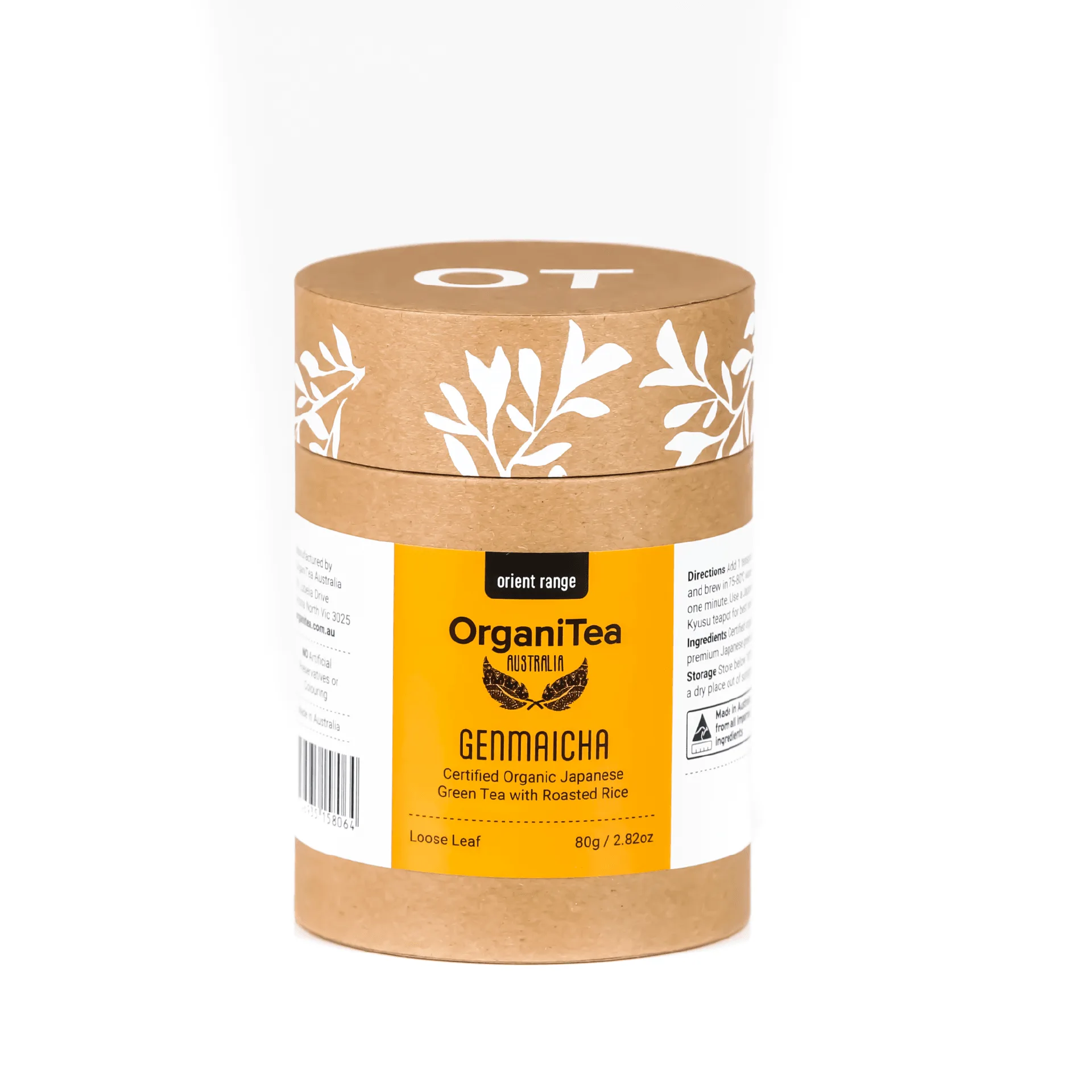
Use small containers rather than one large one. Every time you open a big jar, the whole contents breathe in humid kitchen air, while a small jar exposes only a little at a time. For clay powder, choose a container with a rubber gasket or a screw lid that seals firmly, and keep the powder's own resealable pouch inside it if the pouch is food-grade. For seeds, an opaque tin or a dark glass jar in a closed cabinet blocks the light that drives rancidity. For herbal tea, a double-lid tin or a foil-lined pouch preserves aroma better than a decorative open-mouth jar.
Label each container with the date you opened it. This is the single cheapest storage upgrade because it tells you when to stop trusting your nose and start replacing. Do not store powders, seeds and strongly scented teas in the same container or the same tight space if you can avoid it; tea picks up neighboring smells quickly.
Fix the location before buying more containers
The cabinet above the stove or beside the dishwasher is the worst place in most kitchens because heat and steam cycle through it daily. Move your storage to a lower, interior cabinet away from the oven, kettle and sink. If your kitchen has no cool spot, a dark closet in another room works better than a beautiful shelf in a humid kitchen.
Avoid the refrigerator for daily-use powders and tea. Opening the door creates condensation, and repeated moisture swings are exactly what turns clay powder into a brick and flattens tea aroma. The freezer can work for long-term seed storage if the seeds are in a truly airtight container and you let them come to room temperature before opening, but it is overkill for a pantry you use weekly.
How long each item realistically keeps
There is no universal shelf life number because it depends on the product, the packaging and your kitchen. A practical rule is to judge by condition rather than the calendar. Clay powder is fine while it pours freely and smells neutral; once it forms hard lumps that will not break apart with a spoon, moisture has already compromised it. Seeds are fine while they taste mild and crunchy; a bitter, paint-like or soapy taste means the oils have oxidized. Herbal tea is fine while it still smells like the plant; if it smells like hay or dust, the aroma is gone even though it is not unsafe.
If a product record does not state a shelf life, treat that as missing information rather than a guarantee. Buy in quantities you can finish, and write the opening date on the container so you are not guessing later.
Diagnose your storage problem
- Clay powder has turned into hard lumps: Moisture entered the container, usually from a loose lid, a humid cabinet, or a wet spoon. Move the powder to a gasketed airtight container in a dry cabinet and use only a completely dry spoon. If lumps break apart easily, the powder is still usable. If they are rock-hard, replace it.
- Seeds taste bitter or soapy: The oils have oxidized, most often from light and warmth. Shift seeds to an opaque tin in a cool, dark cabinet and finish the current batch sooner rather than trying to revive it. Rancid seeds will not improve with storage. Replace them and change the location.
- Herbal tea smells like hay instead of the plant: Aroma compounds have escaped or been absorbed by a neighboring smell. Move the tea to a double-lid tin or foil pouch, away from strong spices and powders, and stop buying large quantities you cannot finish. If the aroma is gone, the tea is past its best. Choose a smaller size next time.
- Everything in the cabinet clumps or fades at once: The cabinet itself is the problem, not the containers. Heat, steam or damp air is cycling through it, so no container will fully compensate. Relocate storage to a cooler, drier spot before spending money on more jars.
Product facts that affect storage
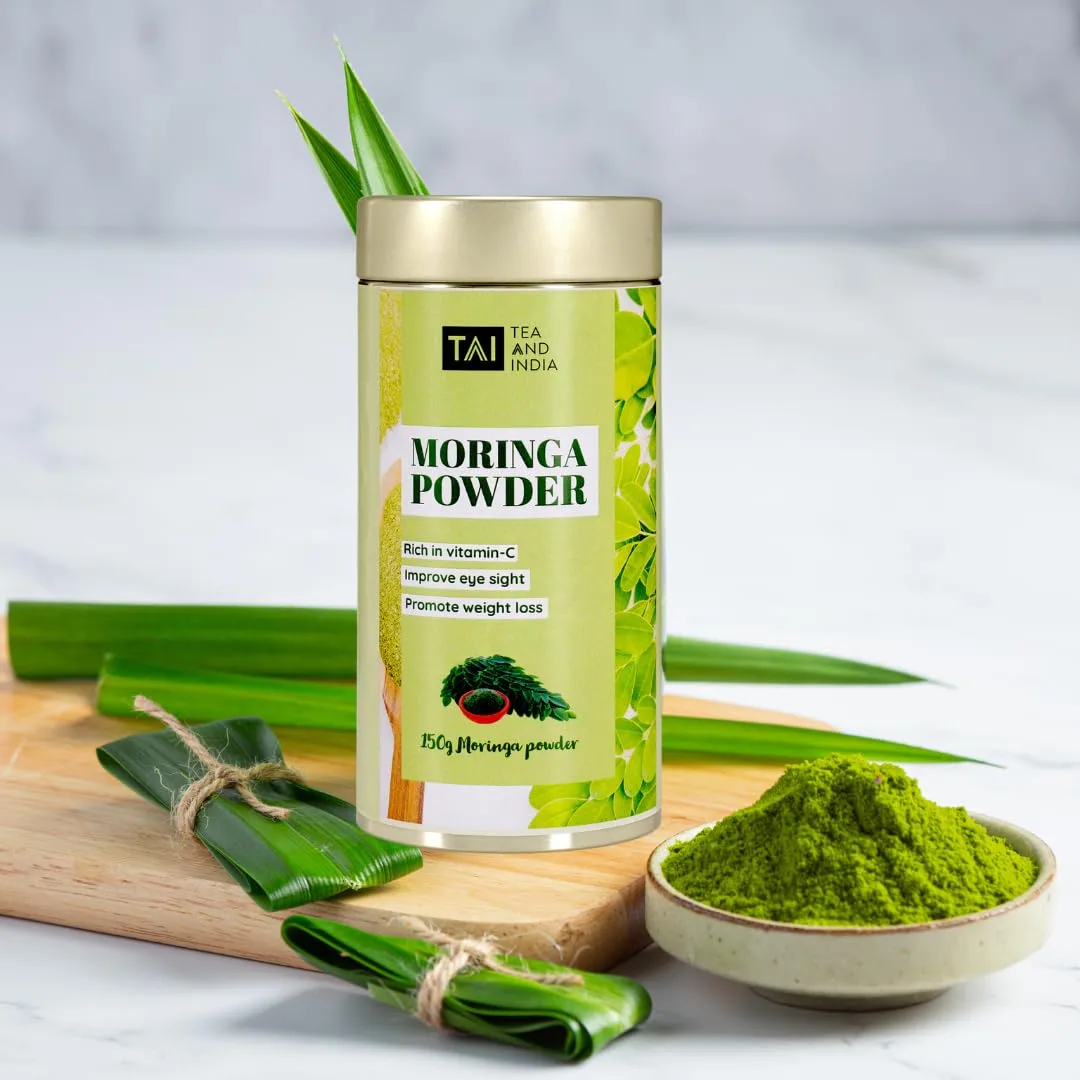
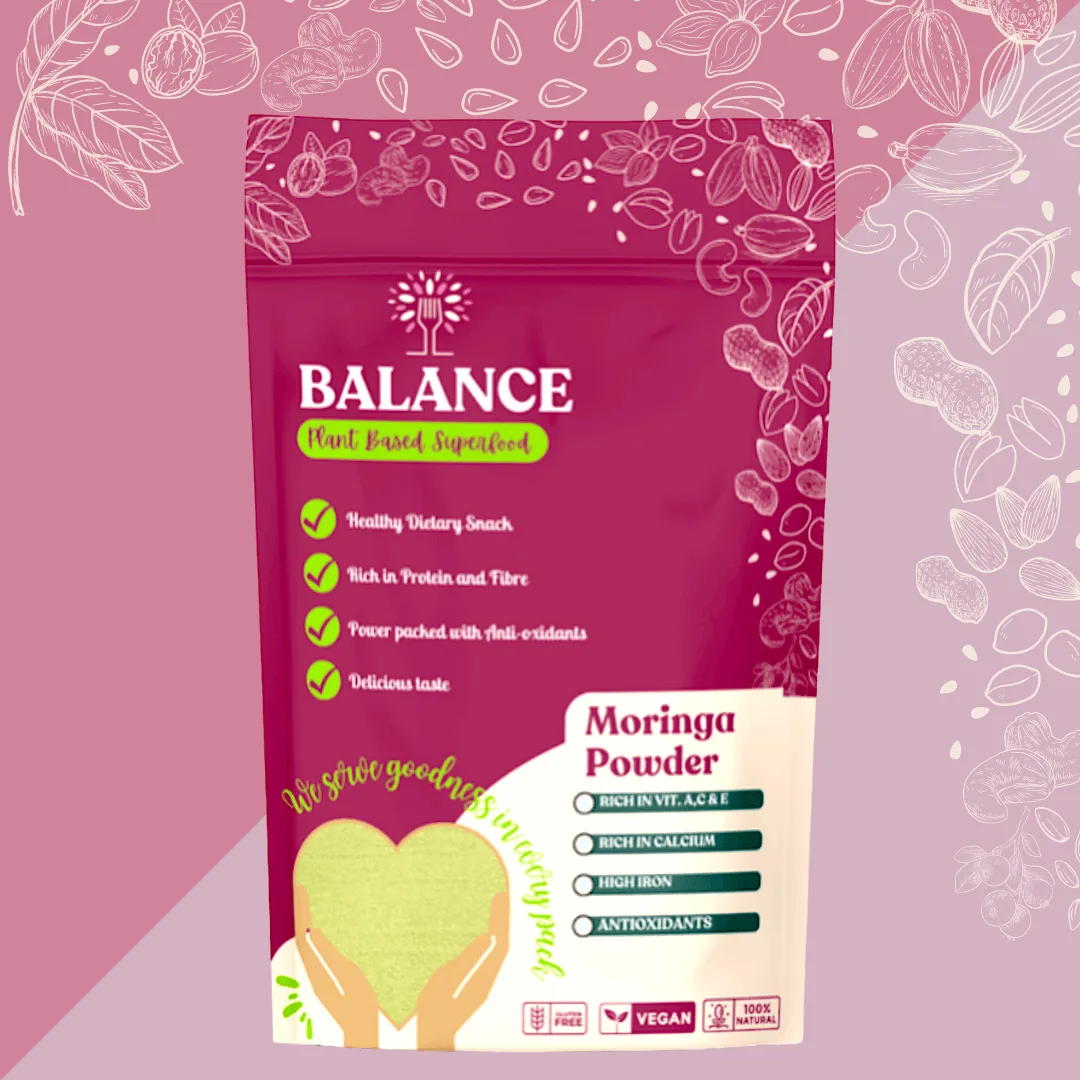
- Moringa Powder: Moringa powder is derived from the leaves of the Moringa oleifera tree and is positioned as a superfood; the catalog states that Tea and India controls sourcing, processing and packaging quality. A finely milled leaf powder like this has a lot of surface area, so it absorbs moisture and odors faster than coarse herbs. Keep it in a small sealed container and use a dry spoon every time.
Moringa powder
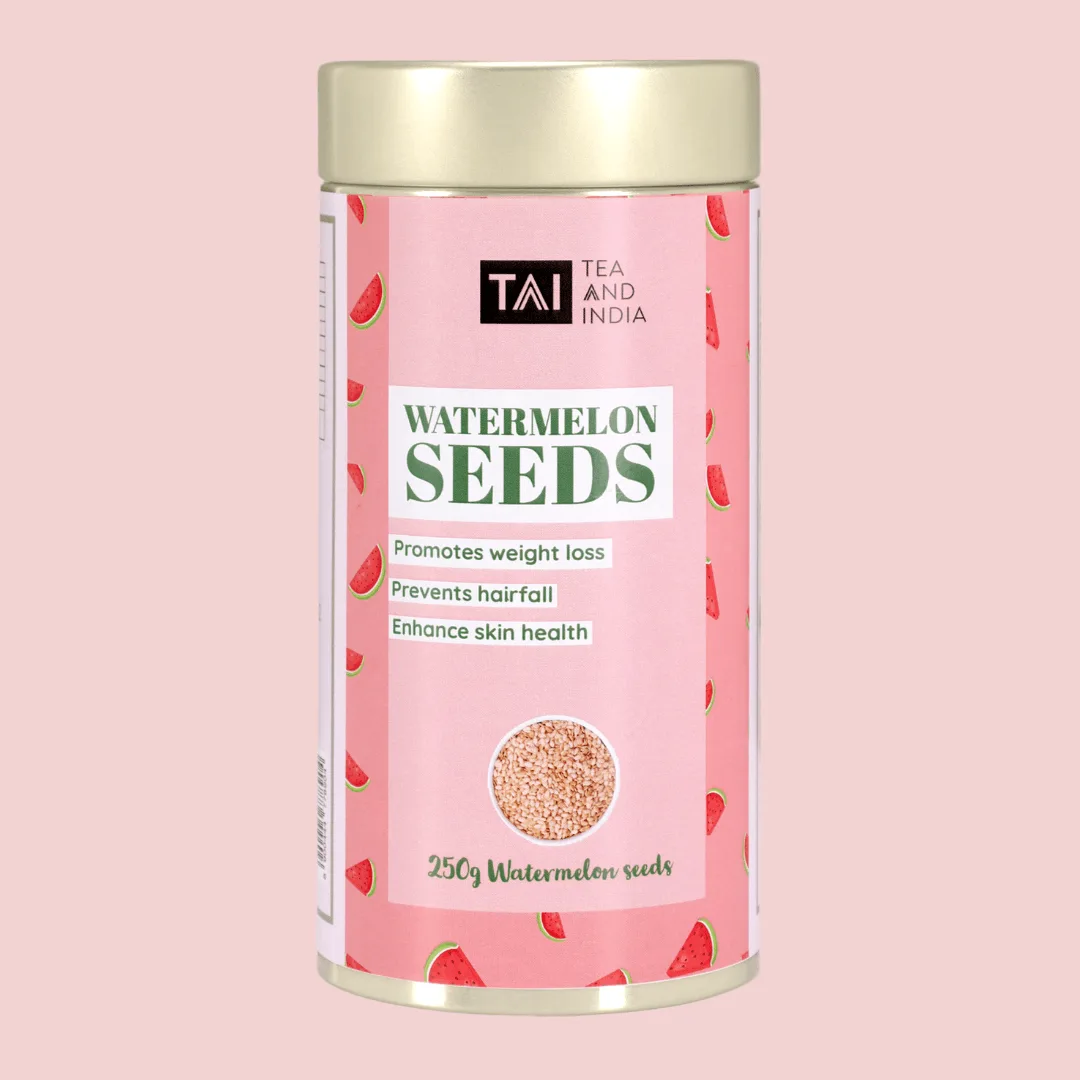
- Watermelon seeds: Watermelon seeds are offered as a fruit seed product suitable for eating, packaged and labeled for easy identification and storage, and described as versatile for snacking or daily routines. Because they are sold as an eating seed, taste is the main quality signal. Store them away from light and heat so the oils stay mild instead of turning bitter.
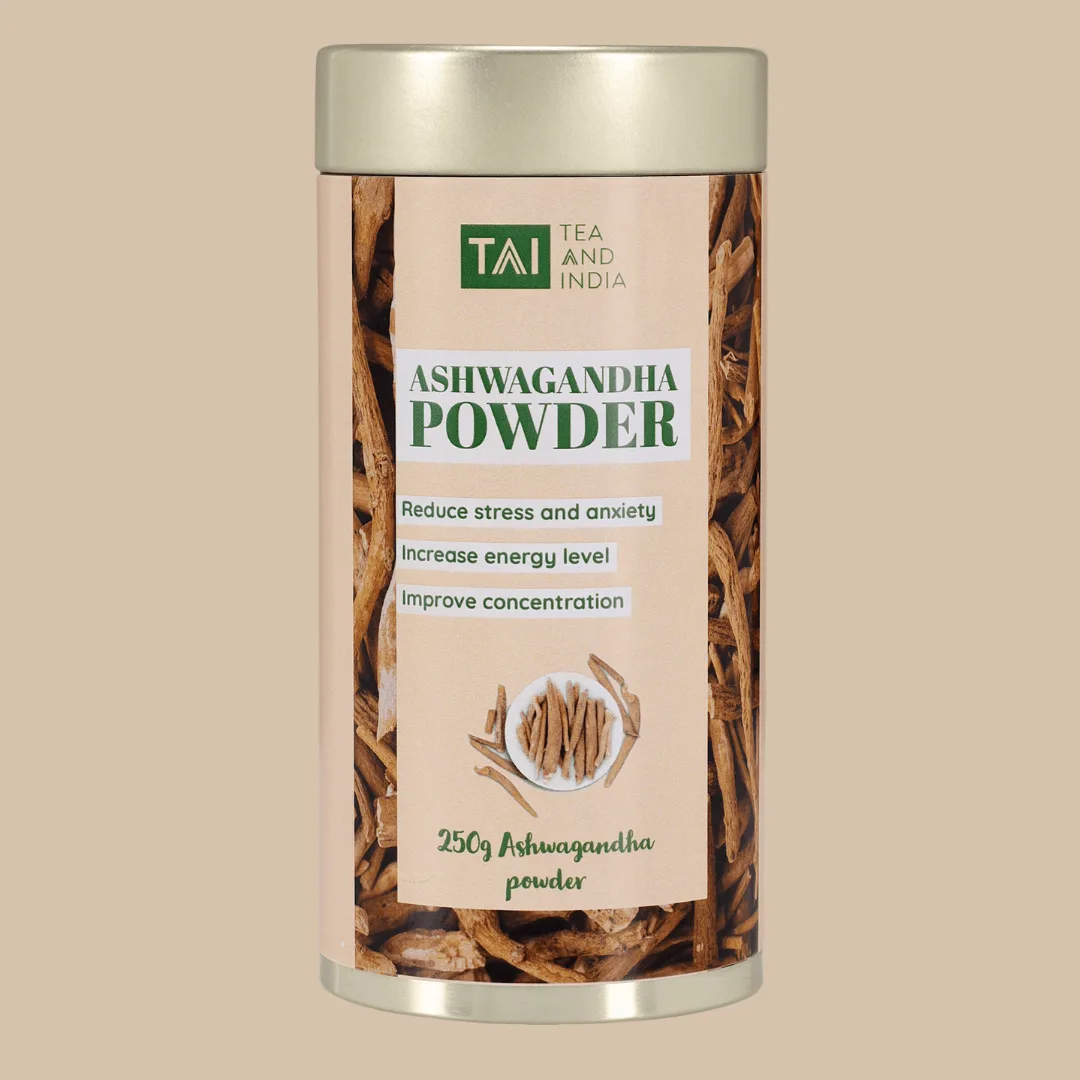
- Ashwagandha powder: Ashwagandha powder, also known as India Ginseng, is described as a prominent Ayurvedic herb used for over 3000 years, with a name derived from the Sanskrit words for horse and smell. Its distinctive smell makes it a poor neighbor for delicate herbal tea. Give it its own sealed container so the aroma does not migrate into teas stored nearby.
Pick one item in your pantry right now, check it against the diagnosis above, and fix only that container and location. Repeat weekly until the whole shelf is sorted, and date every container as you go.