Quick answer
Store organic tea in a small, airtight, opaque container kept in a cool, dark, dry cupboard away from the stove and kettle. Buy only as much as you will drink in about two to three months, and label the container with the date you opened it. If your tea has already gone flat, musty, or clumpy, replace it rather than trying to revive it.
Why organic blends lose their flavor faster than you expect
Organic tea has no synthetic preservatives, so its aroma, essential oils, and delicate compounds fade with exposure to air, light, heat, and moisture. Toasted-rice blends such as genmaicha are especially vulnerable because the rice kernels absorb ambient humidity and can turn soft or stale-tasting. Herbal and botanical blends with dried flowers, citrus peel, or spices lose their top notes first, which is why a tea that smelled vivid in the shop can taste hollow a few weeks later. The practical takeaway: treat opened tea as a perishable pantry item, not a shelf-stable decoration.
The four storage enemies and what each one does
Air oxidizes the leaves and carries away volatile aromatics, so a loosely folded bag is worse than no bag at all. Light breaks down pigments and accelerates staleness, which is why clear glass jars on a sunny counter are a common mistake. Heat speeds every chemical reaction, so the shelf above a kettle or toaster is the worst spot in the kitchen. Moisture is the most destructive: it can make tea go musty, clump, or grow mold, and it is the reason you should never store tea in the fridge unless it is vacuum-sealed and you let it come to room temperature before opening.
Choose the right container for the tea you actually drink
For daily blends, a small opaque tin with a double-lid or a silicone-gasket clamp is the easiest win. Match the container size to how fast you drink: a half-empty large jar holds more air, so a 100 g tin that you refill monthly beats a 500 g jar you open every day. If you keep tea in its original pouch, fold the top, press out air, and clip it—then place the pouch inside a tin for light protection. Avoid plastic containers that retain odors from previous contents, and never store tea next to coffee, spices, or cleaning supplies, because tea absorbs surrounding smells.
Set a realistic shelf life and a simple freshness check
Unopened organic tea generally holds its best quality for around six to twelve months when stored well, while opened tea is best within two to three months. These are practical guidelines, not printed expiry dates, so trust your senses. A fresh genmaicha smells like toasted rice and cut grass; a tired one smells dusty or like hay. Fresh leaves feel dry and rustle; stale leaves feel soft or clump. If you see any fuzz, dark patches, or a musty, basement-like smell, discard the tea—mold is not something you can rinse away.
A five-minute routine that prevents most problems
When you bring tea home, write the date on the container before you open it. Keep a small amount in your daily tin and store the rest sealed in a dark cupboard, refilling only when the tin is empty. Use a dry spoon—never a wet one—and close the lid fully before you walk away. Once a month, smell each open container; if a blend has lost its character, move it to the front of your rotation or use it for cold brewing, where faded aromatics matter less.
Diagnose your tea storage problem
- Tea tastes flat or papery: The most likely cause is oxidation from air exposure or age. Check whether the container was truly airtight and when you opened it. Move the tea to a smaller opaque tin, press out air, and finish it within a few weeks. If it still tastes flat after that, the leaf is past its useful life. If the aroma does not return after resealing, replace the tea.
- Tea clumps or feels soft: Moisture has entered the container, often from a wet spoon, a steamy kitchen shelf, or a lid that does not seal. Move the tea to a dry, cool cupboard and check for mold. If you see fuzz or smell mustiness, discard the whole batch—do not try to dry it out. Any visible mold means the tea is not safe to drink.
- Tea smells like spices, coffee, or cleaning products: Tea absorbs nearby odors, especially through plastic or poorly sealed lids. Relocate your tea away from strong-smelling items, and use glass, tin, or ceramic containers that do not hold previous aromas. If the off-smell is strong, the batch is compromised. If the aroma persists after airing, choose another option and replace the tea.
- Tea faded within a few weeks of opening: You may be storing too much tea at once or keeping it in a hot spot. Buy smaller amounts, split large orders into weekly portions, and keep the main supply sealed in a dark cupboard. For blends you drink slowly, choose a smaller pouch such as a 60 g or 80 g size. If fading continues, switch to buying only what you will finish in two months.
Product facts to guide your storage choices
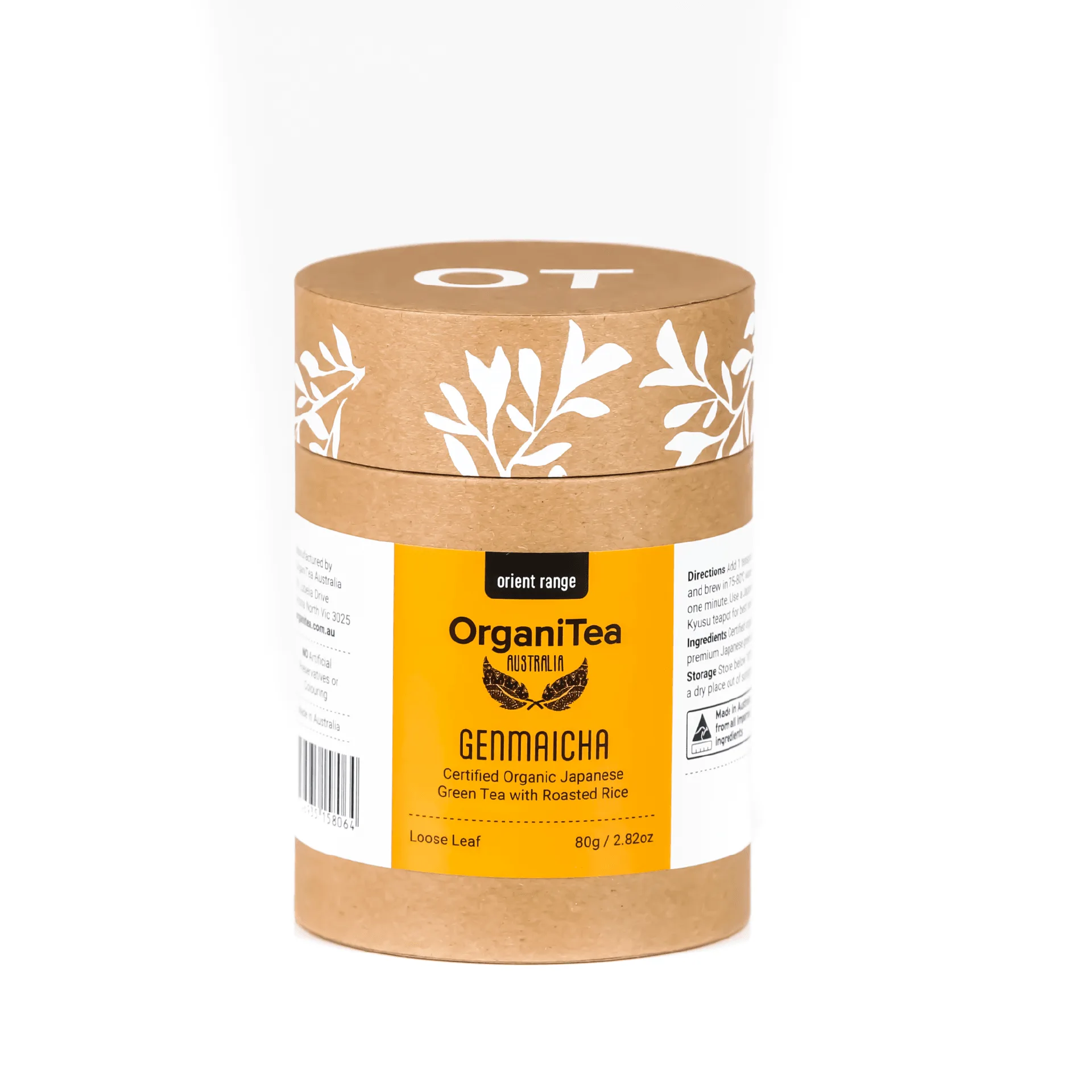
- Genmaicha Tea 80Grams (20-30Serves) Organic Tea Australia: Genmaicha Tea 80Grams (20-30Serves) Organic Tea Australia is a blend of sencha and toasted rice kernels from the Orient Range, with a rich flavor and less bitterness than plain green tea. Because toasted rice readily absorbs moisture and surrounding odors, this is a blend to keep in a small, tightly sealed tin and use within about two months of opening.
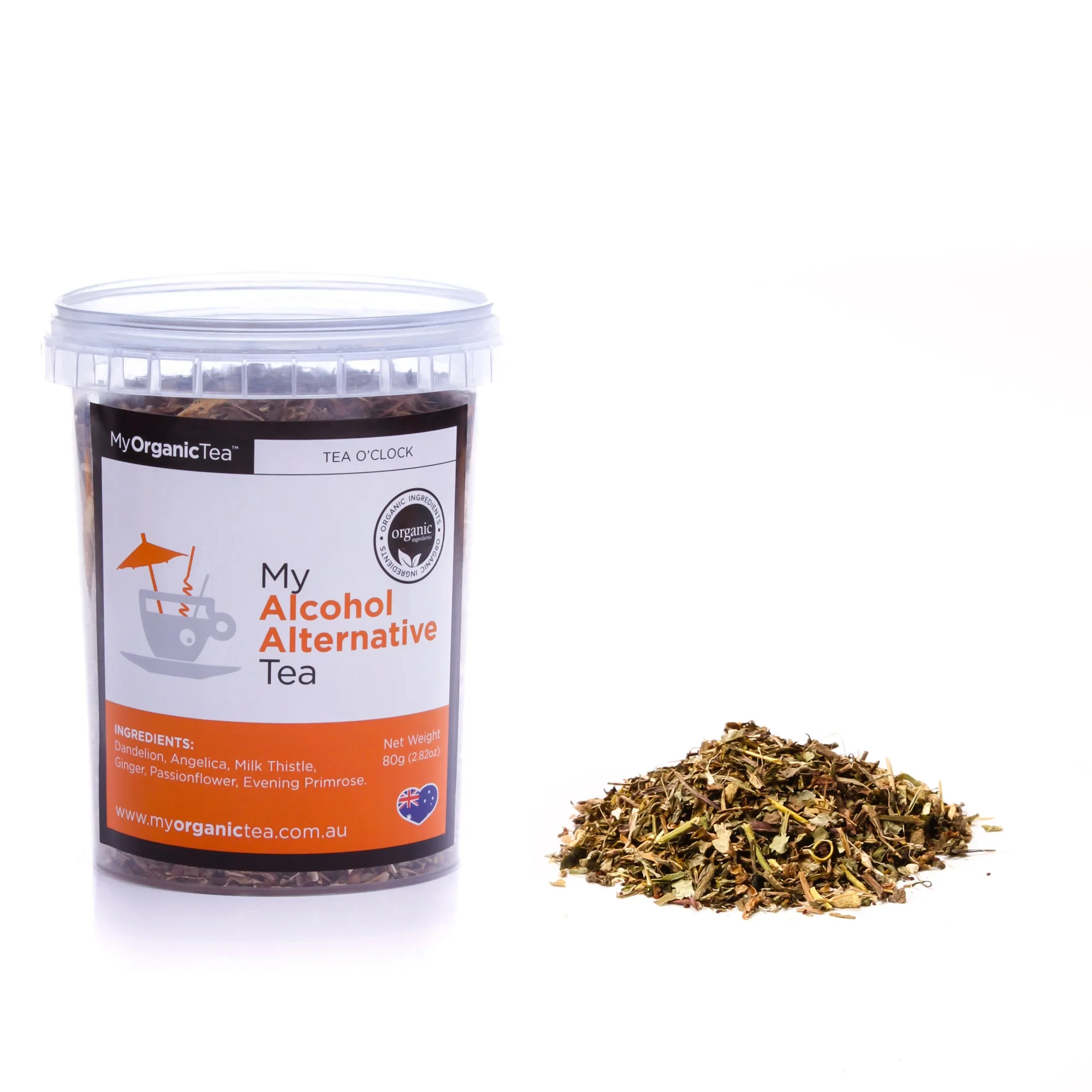
- My Alcohol alternative Tea 80g: My Alcohol alternative Tea 80g is a herbal blend from the MY ORGANIC TEA range designed as an alcohol alternative, formulated by herbalist Cherie. Herbal blends like this often contain aromatic botanicals that fade with air and light, so an opaque container and a cool, dark spot protect the flavor you paid for.
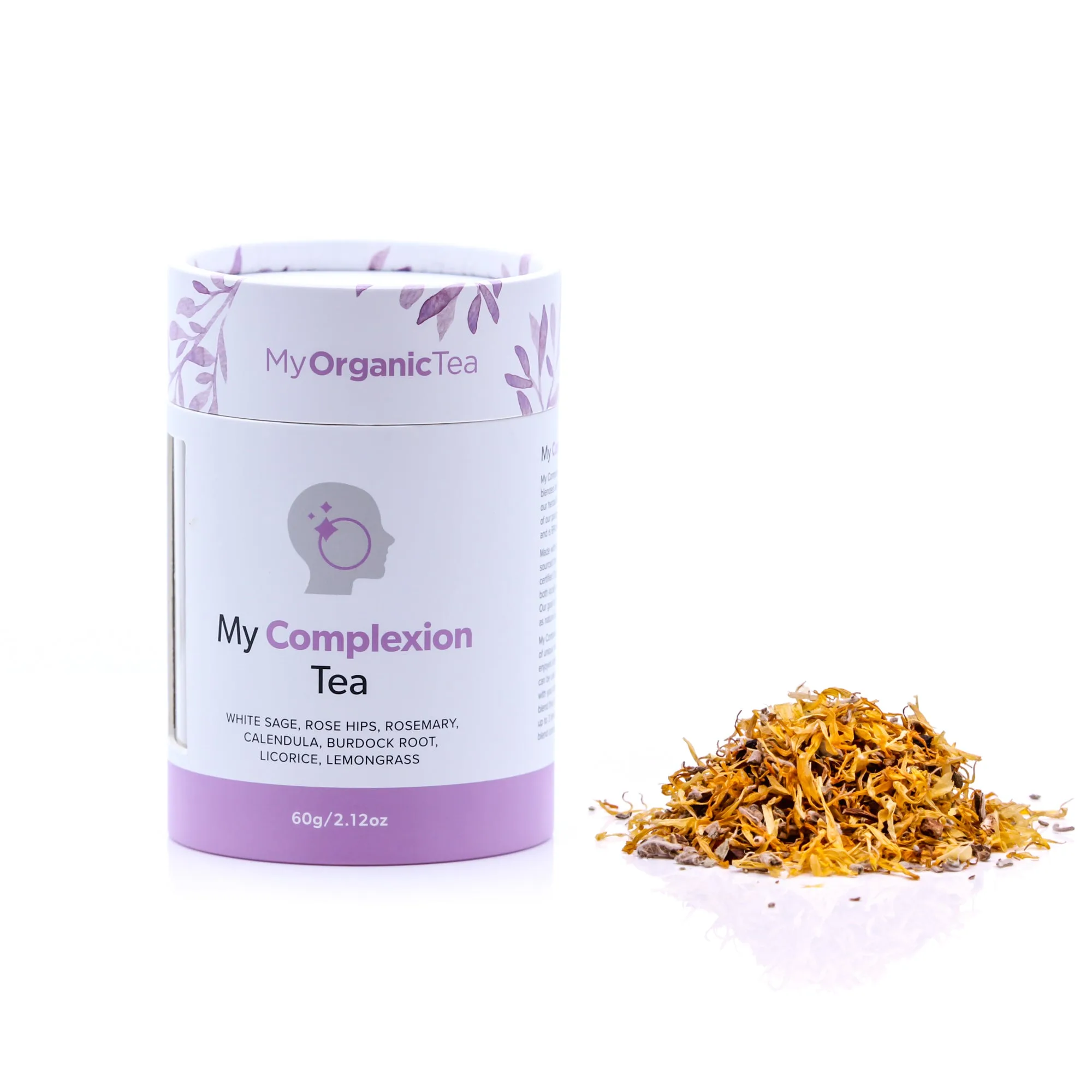
- My Complexion Tea 60 Grams (Approx. 20 Serves) Organic Tea Australia: My Complexion Tea 60 Grams (Approx. 20 Serves) Organic Tea Australia is a synergistically balanced blend from the MY ORGANIC TEA range. Small 60 g pouches are ideal for storage because you can finish them while fresh; if you buy several, keep unopened pouches sealed and rotate them oldest-first.