Quick answer
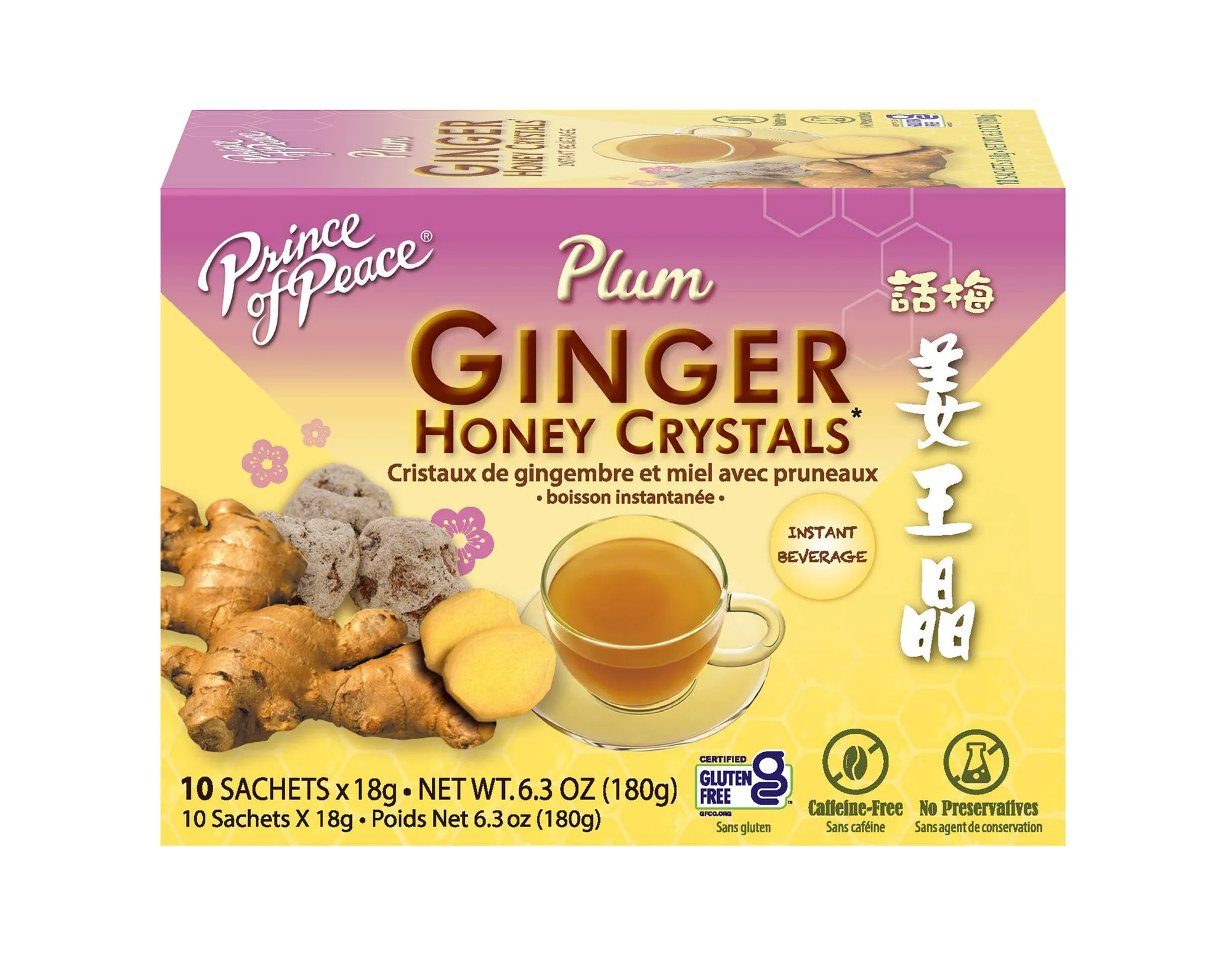
Most bitter herbal tea is caused by water that is too hot, steeping too long, or using a tea bag that contains fine dust rather than whole ingredients. To fix it, lower your water temperature to around 200°F, steep for 3–5 minutes instead of 10, and try a crystallized instant blend like Prince of Peace Instant Plum Ginger Honey Crystals for a naturally balanced flavor.
Common causes of bitter herbal tea
The most frequent culprit is water temperature. Unlike black tea, many herbal blends contain delicate roots, flowers, or fruits that release bitter tannins when exposed to boiling water. Ginger-based teas, for example, can become harsh if steeped in water that is still bubbling. A second cause is over-steeping: leaving the bag or leaves in for longer than 5 minutes often extracts compounds that taste medicinal rather than pleasant. Finally, the form of the tea matters — powdered or finely ground ingredients steep faster and can turn bitter more easily than whole or crystallized forms.
How to fix a bitter cup without starting over
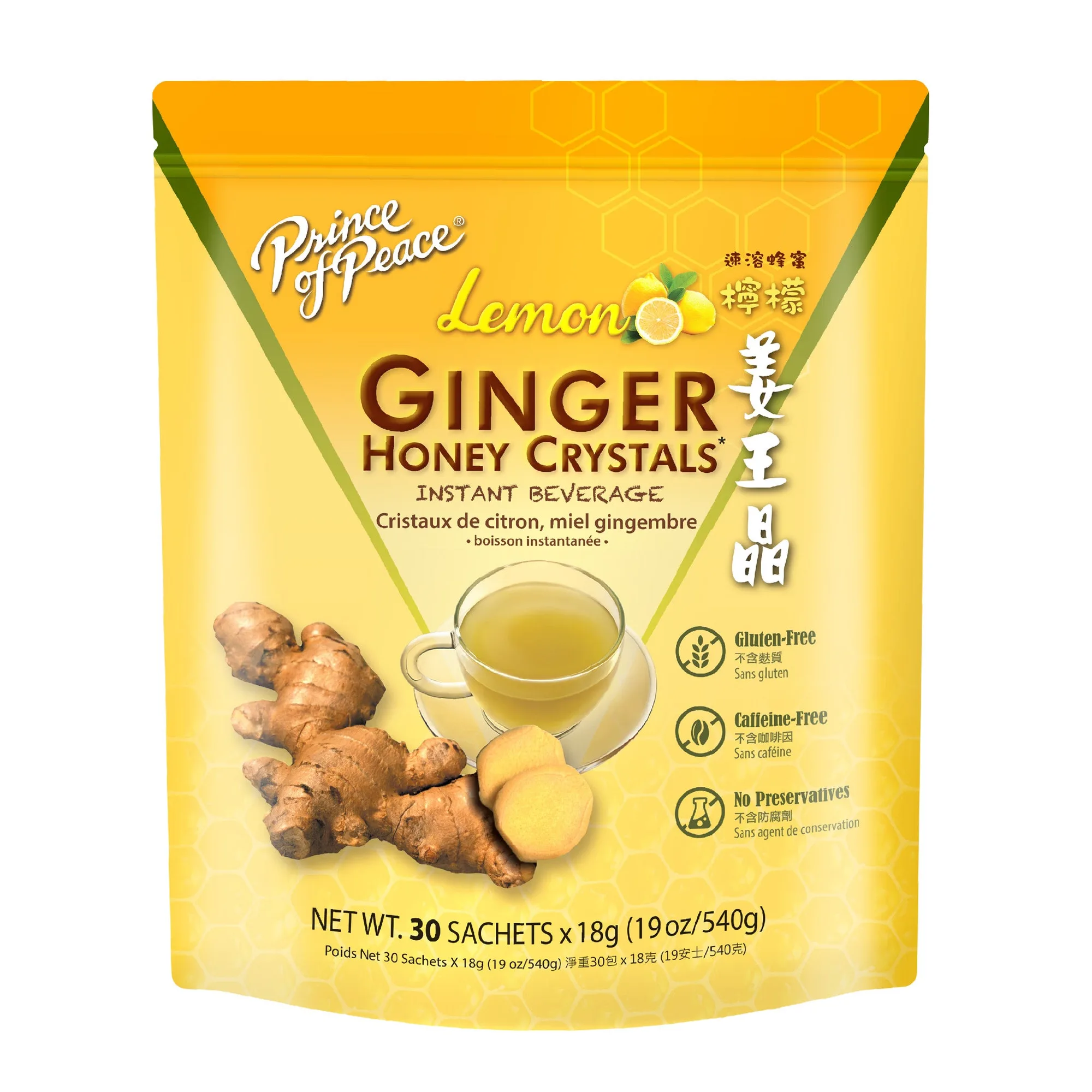
If your tea is already bitter, you can salvage it by diluting with hot water — add a splash to reduce intensity. A small pinch of salt can also mask bitterness without making the tea salty. For sweet-spicy blends like Prince of Peace Instant Lemon Ginger Honey Crystals, adding a bit more hot water and stirring can rebalance the flavor since the honey and lemon are already built in. If you are brewing from tea bags, remove the bag immediately and let the liquid cool slightly before drinking; bitterness often fades as the tea cools.
Prevention: brew herbal tea without bitterness every time
Start with fresh, filtered water and heat it to just below boiling — about 200°F or 93°C. If you do not have a thermometer, let boiling water sit for 30 seconds before pouring. Steep for 3 to 5 minutes, then remove the tea bag or strain the leaves. For ginger-based teas, the crystallized format is especially forgiving: Prince of Peace Instant Plum Ginger Honey Crystals dissolve completely and do not require steeping, so there is no risk of over-extraction. This makes them a reliable choice if you frequently struggle with bitter results from loose-leaf or bagged teas.
Diagnose your bitter tea in 3 steps
- Symptom: The tea tastes sharp, astringent, or medicinal rather than smooth and flavorful. This is almost always a brewing issue, not a bad product.
- Likely cause: Water too hot (boiling) or steep time too long (over 5 minutes for most herbs). Check your water temperature and set a timer next time.
- Corrective action: Dilute with hot water, remove the tea bag immediately, or switch to an instant crystallized blend that requires no steeping. If the bitterness persists after trying these fixes, the blend itself may contain ingredients you find naturally bitter — try a sweeter or fruit-forward option.
Products that help avoid bitter tea
- Prince of Peace Instant Plum Ginger Honey Crystals, 10 sachets: Prince of Peace Instant Plum Ginger Honey Crystals, 10 sachets: Each sachet contains concentrated extract from 14 grams of raw ginger, blended with plum and honey for a naturally sweet and spicy flavor. Served hot, it warms instantly. Because the crystals dissolve completely in hot water, there is no steeping and no risk of over-extraction. The plum and honey balance the ginger's natural heat, so the taste stays smooth even if you let it sit.
- Prince of Peace Instant Lemon Ginger Honey Crystals, 30 sachets: Prince of Peace Instant Lemon Ginger Honey Crystals, 30 sachets: Each sachet contains concentrated extract from 14 grams of raw ginger, blended with lemon and honey. It is a year-round favorite served hot. The lemon adds a bright acidity that cuts through any potential bitterness, while the honey provides natural sweetness. The instant format means you control the strength by simply adding more or less water.