Your clipper blades are the workhorses of your barbering toolkit. They deliver crisp fades, clean lines, and smooth finishes—but only if they're well-maintained. One of the most common yet preventable issues barbers face is rust. A single night of improper storage can leave your blades with unsightly corrosion, dulling their edge and compromising hygiene. In this guide, we'll walk you through practical steps to prevent blade rust and keep your equipment in top shape for years to come.
Whether you're a seasoned professional or just starting your barbering journey, understanding how to store clipper blades is essential. From the right cleaning routine to the perfect storage environment, these tips will help you protect your investment and ensure every cut is as sharp as the first.
Why Do Clipper Blades Rust?
Clipper blades are typically made of high-carbon steel, which is prized for its ability to hold a sharp edge. However, this same material is susceptible to oxidation—commonly known as rust—when exposed to moisture and air. Even the smallest amount of water left on the blade after cleaning can trigger the process. Salts and chemicals from hair products, sweat, and hard water can accelerate corrosion, making regular care non-negotiable.
Rust doesn't just look bad; it ruins performance. A rusted blade becomes dull, pulls at the hair, and can cause skin irritation. In severe cases, it can chip or crack, rendering the blade unusable. By understanding the causes, you can take proactive steps to prevent blade rust and keep your tools in pristine condition.
- Always dry blades thoroughly after cleaning.
- Avoid storing blades in humid environments.
- Apply a thin coat of oil before storage.
Step-by-Step Guide to Storing Clipper Blades
Proper storage begins with proper cleaning. After each use, remove the blade from the clipper and brush away any hair and debris. Use a blade wash or a mild degreaser to dissolve built-up oils and product residue. Rinse with warm water—never hot, as extreme heat can warp the metal—and dry immediately with a clean, lint-free cloth.
Once the blade is completely dry, apply a few drops of clipper oil to the moving parts and the cutting surface. This not only lubricates the blade but also creates a protective barrier against moisture. For long-term storage, some barbers prefer to use a rust-inhibiting spray or a light coating of mineral oil. After oiling, wrap the blade in a soft cloth or place it in a protective case to shield it from dust and accidental knocks.
- Clean blades after every use to prevent residue buildup.
- Dry blades thoroughly with a microfiber cloth.
- Oil blades before storing to create a moisture barrier.
- Store blades in a cool, dry place away from direct sunlight.
Ideal Storage Conditions for Clipper Blades
The environment where you store your blades plays a huge role in rust prevention. Humidity is your enemy. Aim to store blades in a room with low humidity—ideally below 50% relative humidity. If you live in a humid climate, consider using a dehumidifier in your workspace or storing blades in an airtight container with silica gel packets to absorb excess moisture.
Temperature fluctuations can also cause condensation, so avoid storing blades near windows, heaters, or air conditioning vents. A dedicated drawer or a tool organizer with individual slots can keep blades separated and protected. If you're on the go, a travel organizer bag with padded compartments is a smart investment to keep your blades safe and dry.
- Use silica gel packets in storage containers.
- Keep blades in a dedicated organizer to prevent contact with other tools.
- Avoid storing blades in bathrooms or near water sources.
Common Mistakes to Avoid
Many barbers unknowingly shorten the life of their blades by making simple mistakes. One of the most common is leaving blades submerged in cleaning solution overnight. While it might seem like a thorough clean, prolonged exposure to liquids can strip away protective coatings and promote rust. Instead, soak for only a few minutes, then dry and oil immediately.
Another mistake is storing blades without oil. Even if you've dried them perfectly, the metal can still react with oxygen over time. A thin layer of oil is your best defense. Also, avoid using abrasive materials like steel wool to clean blades, as they can scratch the surface and create tiny crevices where rust can take hold.
- Never soak blades for extended periods.
- Always oil blades before storage, even if they're clean.
- Use a soft brush or cloth, not abrasive scrubbers.
Maintaining Your Blades for Longevity
Preventive maintenance goes beyond storage. Regularly inspect your blades for signs of wear, such as nicks or uneven edges. If you notice any rust spots, address them immediately with a fine-grit sharpening stone or a rust eraser. Keep your blades properly tensioned—too tight can cause friction and heat, while too loose can lead to chatter and uneven cuts.
Investing in high-quality blades can also make a difference. For example, the Black DLC Diamond Cut Clipper Blade & Shallow Tooth 2.0 Cutter is designed with a diamond-like carbon coating that offers superior resistance to corrosion and wear. Upgrading to such blades can reduce the frequency of rust issues, but even they require proper care to perform at their best.
- Regularly check for rust and address it early.
- Use a sharpening stone to maintain the edge.
- Consider upgrading to coated blades for extra protection.
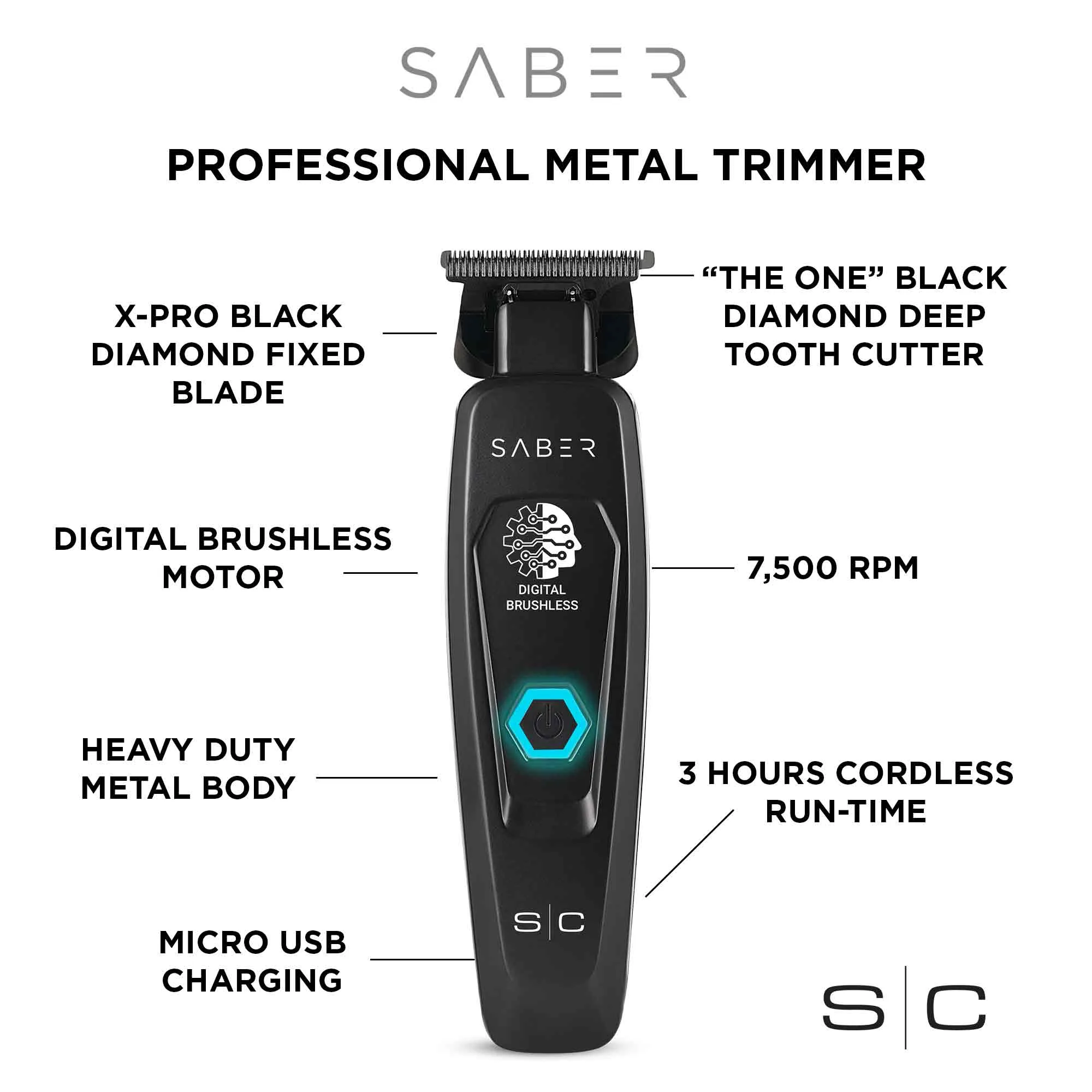
Storing your clipper blades correctly is a small habit that pays off in the long run. By cleaning, drying, oiling, and storing your blades in a controlled environment, you can prevent blade rust and extend the life of your tools. Remember, a little care goes a long way in maintaining the sharpness and hygiene that your clients expect. For barbers looking to upgrade their equipment, explore our range of professional clippers and trimmers, such as the Precision Saber Professional Hair Trimmer, designed for durability and performance.