Quick answer
Display collectible figurines on a stable, dust-resistant shelf or enclosed case, keep them out of direct sunlight and away from heat, and store extras in padded, labeled bins rather than loose boxes. For small spaces, use vertical shelving, wall-mounted ledges, or a rotating display so you can enjoy a few pieces without crowding every surface.
Collectible figurines are easy to love and surprisingly hard to live with. They gather dust in every crevice, tip over when a shelf gets bumped, and slowly take over coffee tables, windowsills, and dressers. The fix is not buying more shelves; it is matching the display method to the figurine's size, material, and how often you handle it.
This guide separates the common problems, the likely cause, and the corrective action, so you can decide when a simple dusting routine is enough and when an enclosed case or a storage rotation is the better choice.
Start with the figurine, not the shelf
Before you buy a display shelf or case, look at what you are actually storing. Small animal figurines and mini toys have thin legs, tails, and ears that snap if they fall, while larger dragon or wildlife figures are heavier and need a shelf with real support. Material matters too: painted finishes can fade in direct sun, and textured surfaces trap dust differently than smooth ones.
A simple rule: the smaller and more detailed the figurine, the more it benefits from an enclosed or elevated display. The larger and sturdier it is, the more forgiving an open shelf becomes. Grouping by size also prevents a tall figure from blocking the view of the pieces behind it.
- Measure your tallest and widest figurine before choosing shelf depth.
- Keep delicate pieces on lower, more stable shelves.
- Group by scale so small pieces are not hidden behind large ones.
Dust is the main enemy, and it is manageable
Dust settles into wings, manes, and scales, and once it mixes with skin oils it becomes a sticky film that is hard to remove without rubbing paint. The corrective action is a light, regular routine rather than a deep clean every few months. A soft makeup brush or camera lens brush works well for detailed animal figurines because it reaches crevices without pressure.
For open shelves, dust weekly with a dry soft brush and avoid household spray cleaners, which can dull or discolor painted finishes. If a figurine has a glass-like or glossy texture, use only a dry or barely damp cloth and never soak it. When dust is already heavy, rinse only if the manufacturer states the piece is water-safe; otherwise, brush and accept that some patina is normal.
- Dust with a dry soft brush before dust becomes a film.
- Never use spray polish on painted or glass-textured figurines.
- Wash only if the product is explicitly water-safe.
Shelf and case options that actually protect
Open shelving is the most flexible and the least protective. It works for frequently handled pieces and for rooms with low dust, but it exposes figurines to sunlight, pets, and accidental bumps. Enclosed glass or acrylic cases solve dust and handling problems but limit airflow and can trap heat near a window, so placement matters as much as the case itself.
Wall-mounted ledges and narrow floating shelves are the best small-space compromise: they keep pieces off crowded surfaces and above pet and toddler height. If you rent or cannot drill, a freestanding shelf with a lip or a shallow bookcase works. Whichever you choose, anchor tall units to the wall and add a non-slip liner so figures do not slide when the shelf is touched.
- Choose enclosed cases for delicate or high-value pieces.
- Use wall ledges in small rooms to free up flat surfaces.
- Anchor shelves and add non-slip liner to reduce falls.
How to store mini figurines when they are not on display
Storage is not the same as display, and treating them the same causes damage. Mini figurines stored loose in a single box rub against each other and chip paint. The better method is compartmentalized storage: small bins, divided craft boxes, or padded pouches, with each piece or small group separated. Label by collection or theme so you can rotate pieces without unpacking everything.
Keep stored figurines out of attics, garages, and damp basements. Heat can soften or warp some materials, and humidity can affect painted finishes and metal parts. A closet shelf or under-bed bin in a climate-controlled room is usually safer. If you rotate your display seasonally, store the off-display pieces in the same padded system so the routine stays quick.
- Separate pieces with dividers or padding; never store loose together.
- Avoid hot, damp, or unheated storage spaces.
- Label bins by theme to make rotating your display easy.
Small-space display that does not look cluttered
In a small room, the problem is rarely lack of figurines; it is lack of visual breathing room. A curated rotation of five to seven pieces reads as a collection, while thirty pieces on one shelf reads as clutter. Pick a theme, scale, or color story per shelf, and store the rest. Vertical arrangements and corner shelves use wall space without adding furniture.
If you want to show more pieces, use a tiered or stepped display so each row is visible, and keep the tallest items at the back. A lazy Susan or rotating display lets you enjoy a larger collection in the footprint of one small shelf. The tradeoff is handling: every rotation means touching the pieces, so keep delicate figurines in a fixed case instead.
- Limit each shelf to a clear theme or color story.
- Use tiered risers so back rows stay visible.
- Rotate a larger collection instead of crowding one surface.
Figurine display diagnosis: symptom, cause, fix, and when to stop
- Symptom: dust returns within days: Likely cause: open shelving in a high-traffic room, plus a dry brush that only moves dust around. Corrective action: switch to an enclosed case or add a glass door to the shelf, and dust with a soft brush using a downward motion into a vacuum nozzle. If dust still builds up weekly after enclosing the display, the room itself is the problem; move the collection or accept a monthly cleaning routine.
- Symptom: figurines keep tipping over: Likely cause: a shelf that is too shallow, too smooth, or bumped often, and heavy figures placed on the same surface as light ones. Corrective action: add non-slip liner, move heavier figures to lower shelves, and anchor the unit to the wall. If a piece is top-heavy or has thin legs, stop using open shelves for it and choose a case with a fixed base or a display dome.
- Symptom: paint looks dull or faded: Likely cause: direct sunlight or cleaning with spray polish or a wet cloth on a painted finish. Corrective action: relocate the display out of direct sun, clean only with a dry soft brush, and avoid all liquid cleaners unless the product is marked water-safe. Once fading or paint loss has started, it cannot be reversed; stop handling the piece and store it in a padded, dark bin if you want to preserve what remains.
- Symptom: no space left for new pieces: Likely cause: displaying the entire collection at once instead of rotating. Corrective action: choose a theme per shelf, store the rest in labeled, padded bins, and rotate every few months. If you are buying more storage bins than shelf space, stop adding pieces until you decide what the display is for.
Catalog facts that affect display and storage
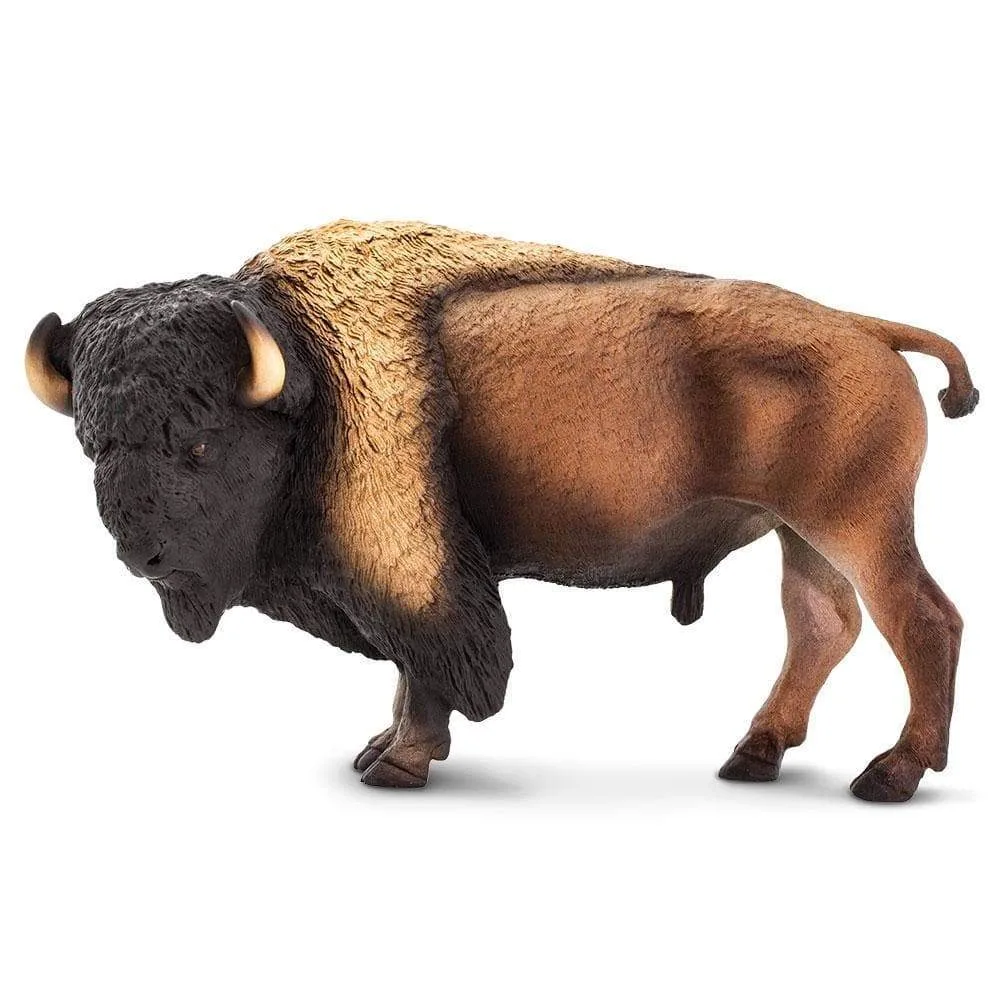
- Bison Toy: Bison are the largest land mammal in North America, and there are two subspecies of American bison, the plains and woods bison, though the plains bison is more numerous and well-known. A larger, heavier wildlife figure like this needs a stable shelf with enough depth and support, not a narrow ledge where it can tip.
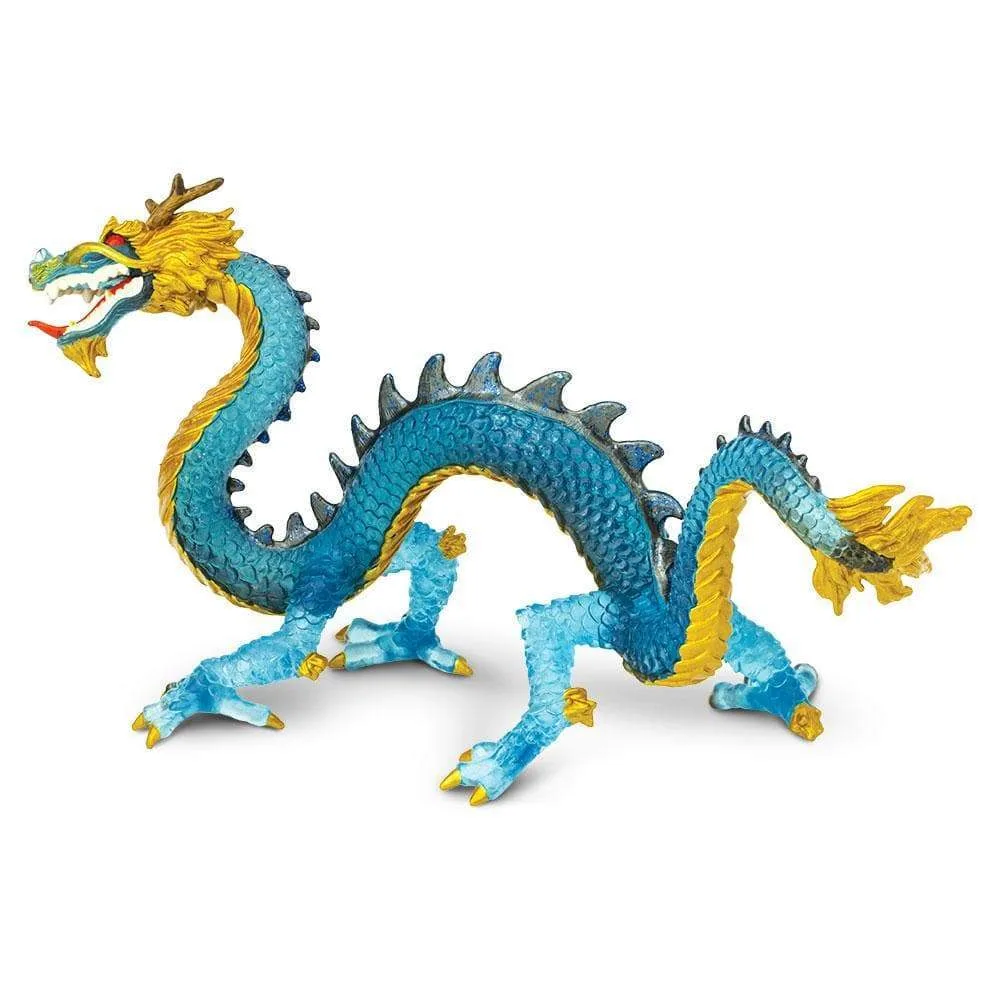
- Krystal Blue Dragon Toy: The Krystal Blue Dragon has a glass-like texture and extensively detailed face. Glossy, detailed surfaces show dust and fingerprints quickly, so display it in an enclosed case or dust it gently with a dry soft brush rather than a damp cloth.
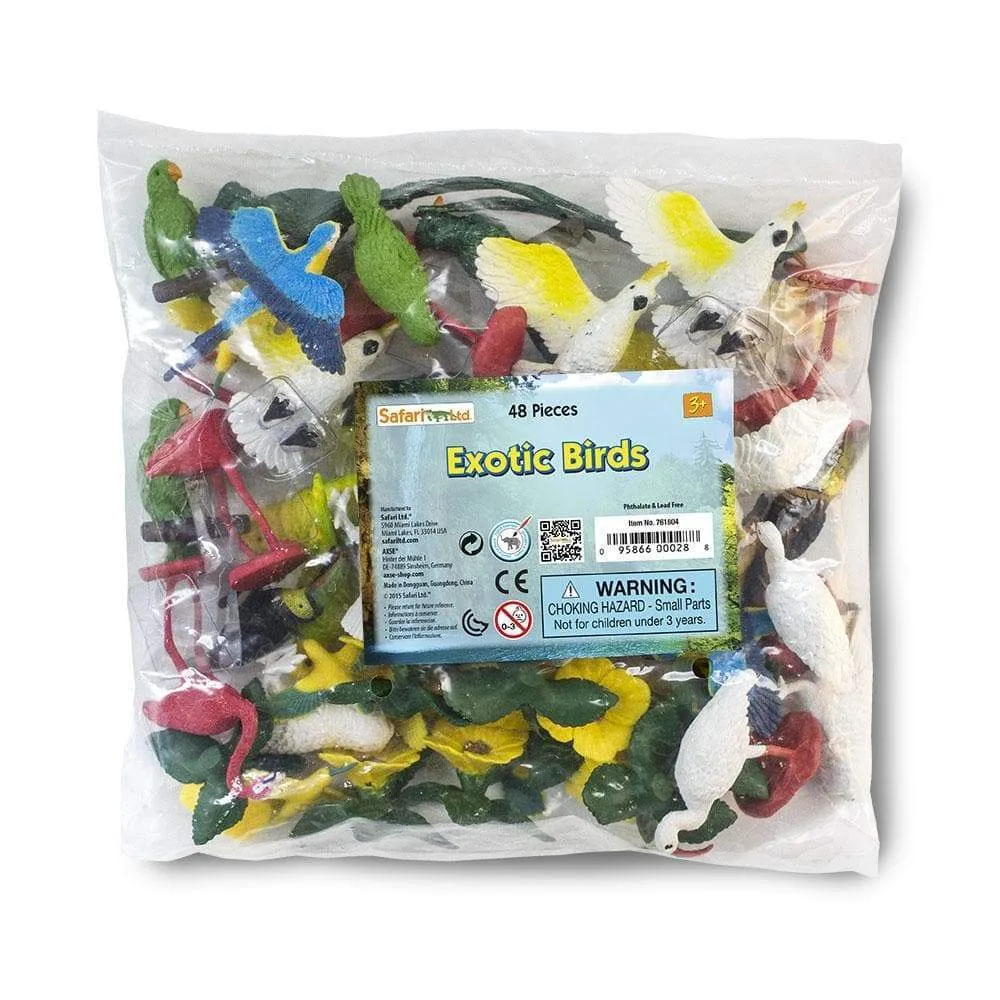
- Exotic Birds Bulk Bag: The Exotic Birds Bulk Bag includes 3 Parakeets, 3 Quetzals, 3 Blue & Yellow Macaws, 3 Keel-billed Toucans, 8 Hummingbirds & 8 Flowers, and 4 additional figures. A bulk set of many small figures is best stored in a divided bin and displayed in a rotating group, since displaying all pieces at once crowds a small shelf.
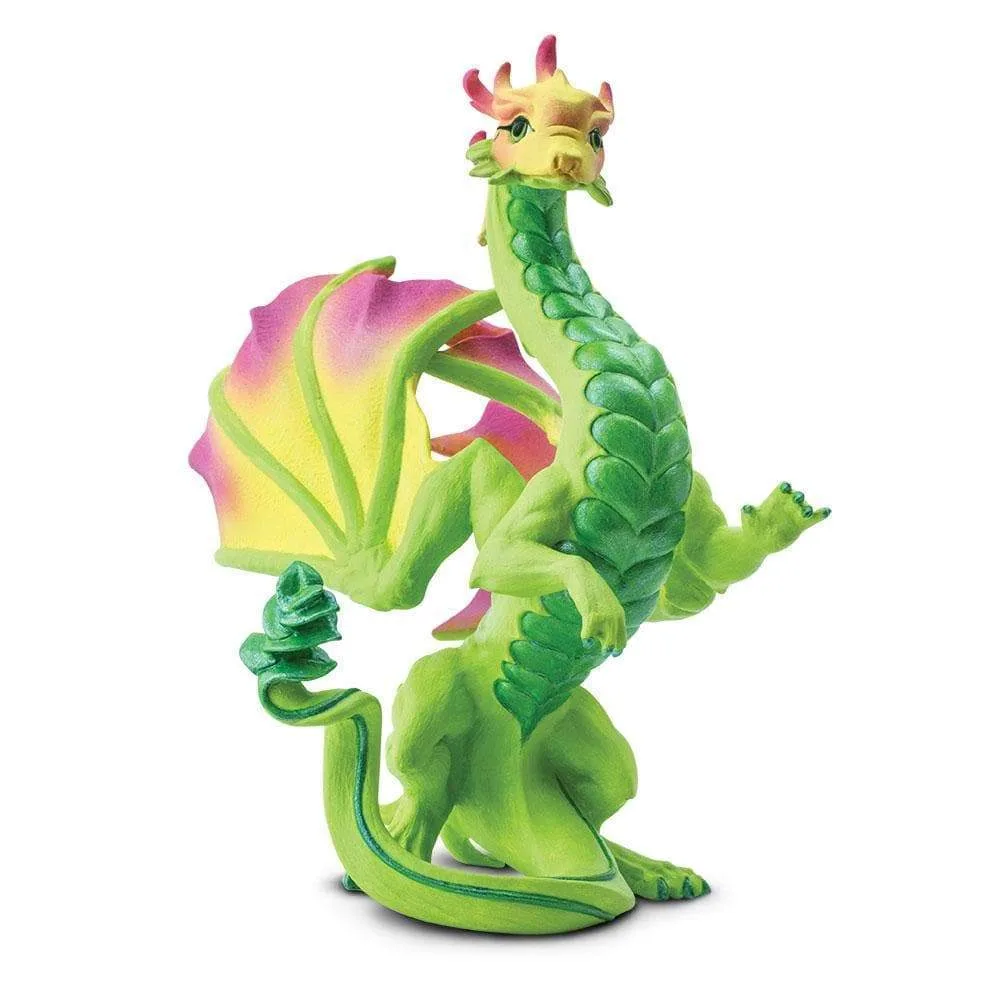
- Flower Dragon Toy: The Flower Dragon awakes from a long slumber every spring, leaving a brilliant splash of color wherever it flies. Colorful painted figures can fade in direct sunlight, so place this piece away from a bright window or use a UV-filtering case.
Good figurine care is mostly about matching the display to the piece: enclosed cases for delicate or glossy figures, stable open shelves for sturdy ones, and padded, divided storage for everything else. Start with one shelf, one dusting brush, and one labeled bin, and adjust from there.