Quick answer
Store painted miniatures in a closed cabinet or lidded box out of direct sunlight, at a stable room temperature, and handle them by the base rather than the figure. Dust and UV light cause slow, permanent damage, while heat and fast temperature swings are the bigger risk for resin models. A cheap airtight container with a soft liner solves most of the problem.
A finished figure is the most fragile thing on your shelf. Paint sits on the surface, resin and plastic expand and contract with the room, and dust settles into every recess you spent hours shading. None of that damage happens overnight, which is exactly why it is easy to ignore until a model looks dull or a thin part has warped.
These are the questions that come up most often when people ask about storing painted miniatures. Each answer stands on its own, so you can jump to the one that matches your setup.
How do I keep dust off painted miniatures?
Dust is abrasive and slightly acidic, and once it settles into a matte finish it is hard to remove without rubbing pigment off edges. The reliable fix is a physical barrier: a glass display cabinet, a plastic storage box with a lid, or a clear acrylic case. Open shelving looks better but means dusting, and dusting is where most accidental paint damage happens.
If you must display in the open, dust gently with a soft, dry makeup brush rather than a cloth. Never use a damp wipe on a matte finish. For models in a closed case, a quick pass every few months is usually enough.
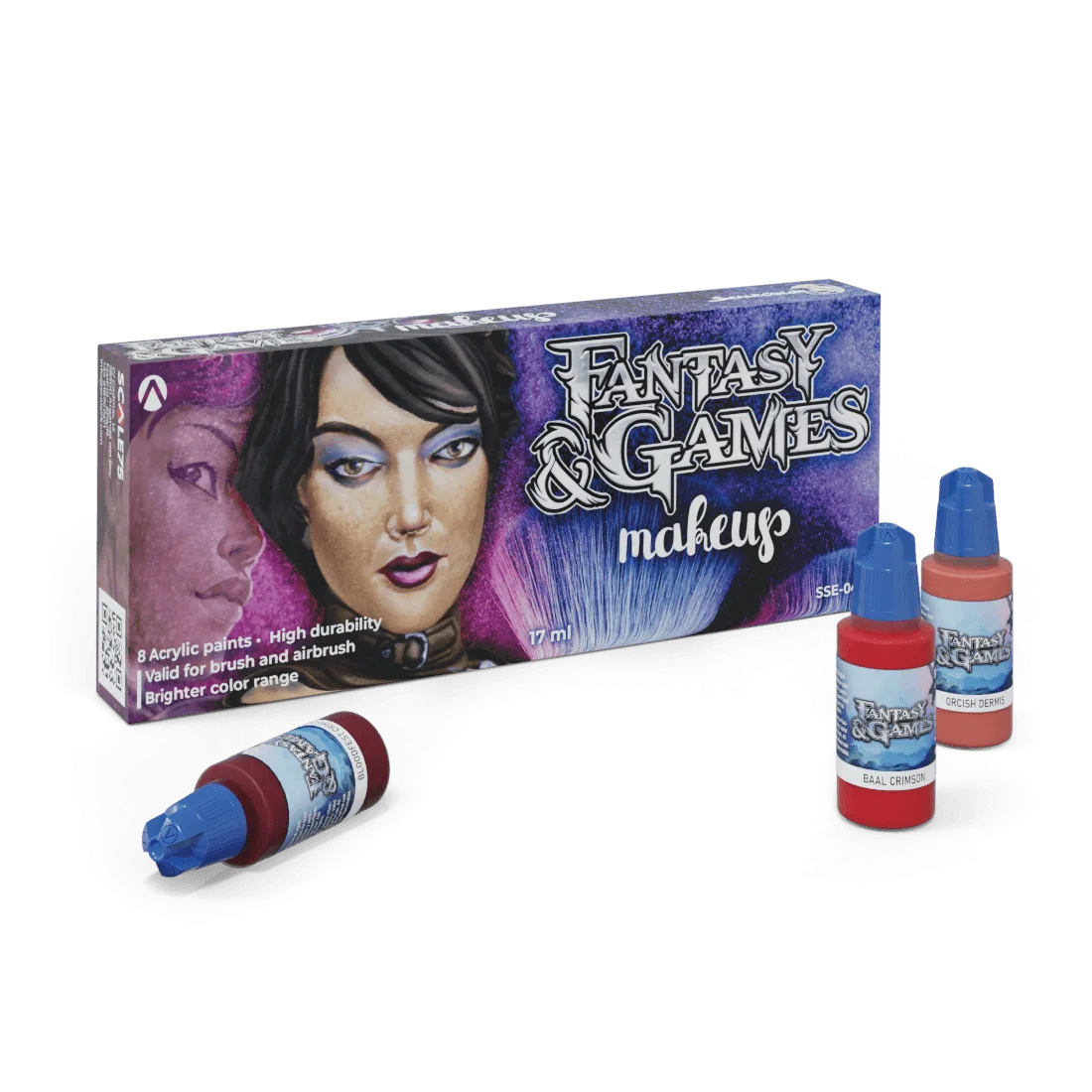
makeup
- Lidded plastic boxes are the cheapest effective dust protection for miniatures in storage.
- Add a strip of foam or a non-shedding liner so figures do not slide into each other.
- Avoid cotton wool and paper towel as padding; both shed fibers onto the paint.
Does sunlight really fade painted miniatures?
Yes, but slowly. Ultraviolet light breaks down organic pigments over months and years, and the effect shows first on reds, yellows, and some blues. A model near a south-facing window can visibly shift within a season or two, and the change is not reversible without repainting. Protecting miniatures from sunlight is mostly about placement, not products.
Move display cases away from windows or fit a UV-filtering film to the glass. LED lighting is a better choice than halogen or direct sun for a lit cabinet because it adds very little heat and no meaningful UV.
- Indirect daylight is far safer than a windowsill, even if the room never feels bright.
- If a cabinet has glass doors, UV film is a cheap upgrade for a whole collection.
- Rotate which figures sit in the brightest spot instead of leaving the same ones there.
What temperature is safe for miniature storage?
A stable indoor temperature is what matters most. Attics, garages, and sheds swing between freezing and very hot, and resin reacts to that by warping, especially on thin parts like weapons, cloaks, and legs. Repeated cycles are worse than one hot day, because the material never fully returns to its original shape.
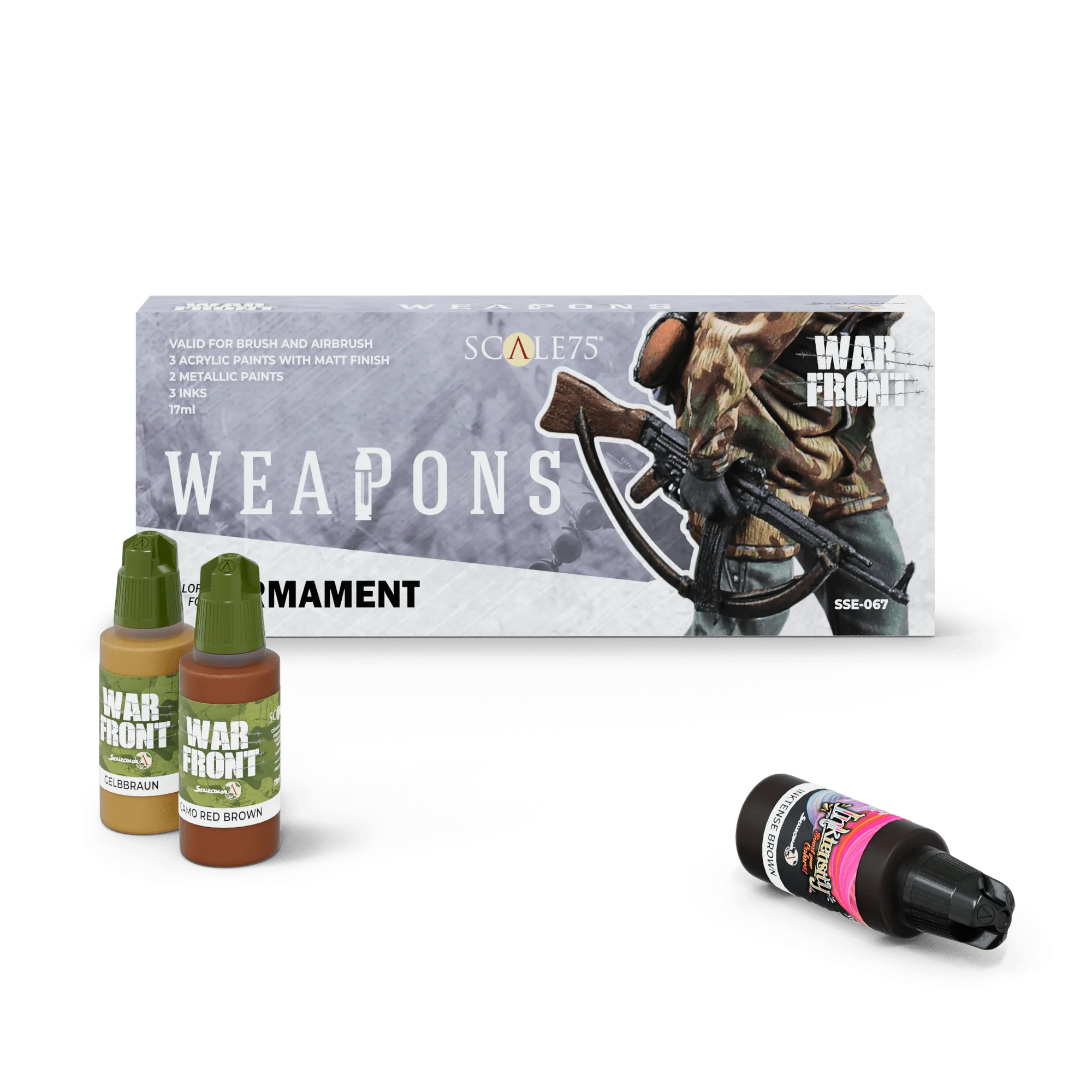
weapons
Keep models in a living-space temperature range and away from heat sources: radiators, direct sun through glass, and the top of a boiler cupboard. If you have to store in a garage, use an insulated box and check the models at the start of each season rather than after a year.
- Avoid cars, lofts, and unheated outbuildings for anything painted or resin.
- Do not store figures in sealed boxes in direct sun; the inside can get much hotter than the room.
- Let a cold model come back to room temperature before you handle or reposition it.
Should I seal a painted miniature before storing it?
A varnish coat is the single best protection for a model that gets handled, and it also makes dust easier to brush off. Matte varnish suits most figures; a satin or gloss coat is tougher but changes how the paint reads under light. The tradeoff is real: varnish adds a layer that can dull fine metallic work if applied too heavily.
If a figure will sit untouched in a case, sealing is optional. If it goes to a game table, seal it. Apply thin coats in low humidity and let each one cure fully before the next.
- Varnish protects edges, which are the first place paint rubs away.
- Test any varnish on a spare model before committing a finished one.
- High humidity during varnishing causes a cloudy finish, so check the weather first.
How should I store unpainted resin figures?
Unpainted resin needs the same temperature stability as painted models, plus protection from pressure. Store parts flat or supported so nothing rests on a thin edge, and keep them out of direct light so the resin does not yellow. A padded box with the parts separated by foam or bubble wrap works well.
If a resin kit arrives slightly warped, a warm water bath can relax it back into shape, but do that before assembly and before painting. Once a figure is finished, heat correction is much riskier.
- Keep the box labeled with the kit name so parts do not get mixed between projects.
- Store small parts in a zip bag inside the main box so nothing goes missing.
- Check resin kits for warping before you start painting, not after.
Storage checkpoints worth repeating
Is the model behind glass or a lid?
A closed cabinet, lidded box, or acrylic case removes most dust problems before they start. If the answer is no, that is the first thing to fix.
Is the shelf out of direct sun?
UV damage is cumulative and invisible until colors have already shifted. Move the case or add UV film rather than relying on curtains.
Does the room stay at living temperature?
Resin warps under repeated heat cycles, and thin parts move first. Anything in a loft, garage, or car is at risk.
Is the model handled often?
Handled figures need a varnish coat and a base grip, not just a dust-free shelf. Seal gaming models; leave display-only figures unsealed if you prefer the finish.
Products that fit a storage and finishing routine
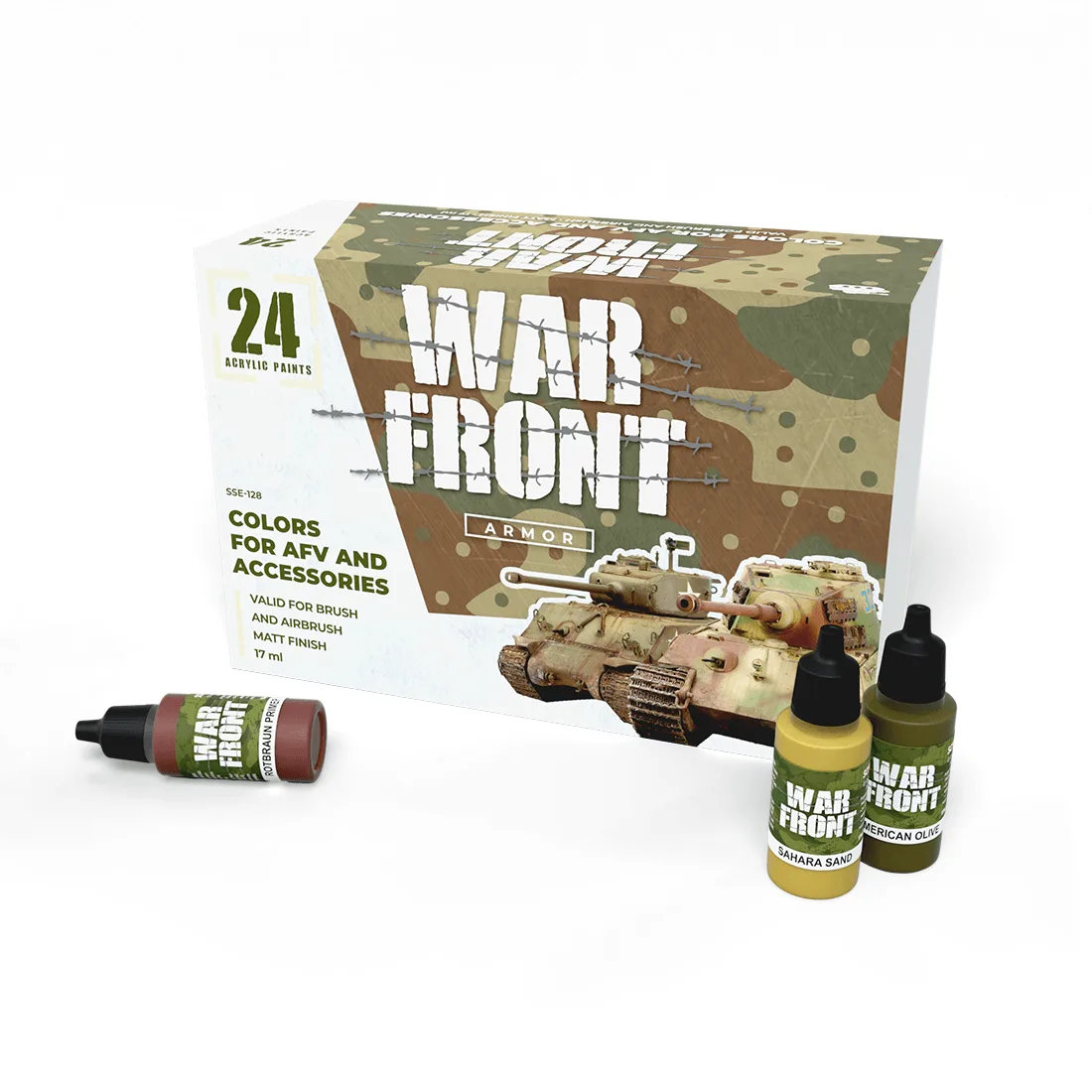
- ARMOR: A set of 24 acrylic colors, suitable for brush and airbrush, for painting military vehicles and accessories. A broad set means fewer half-used bottles left open on the desk, which is where most accidental spills and dried-out pots happen.
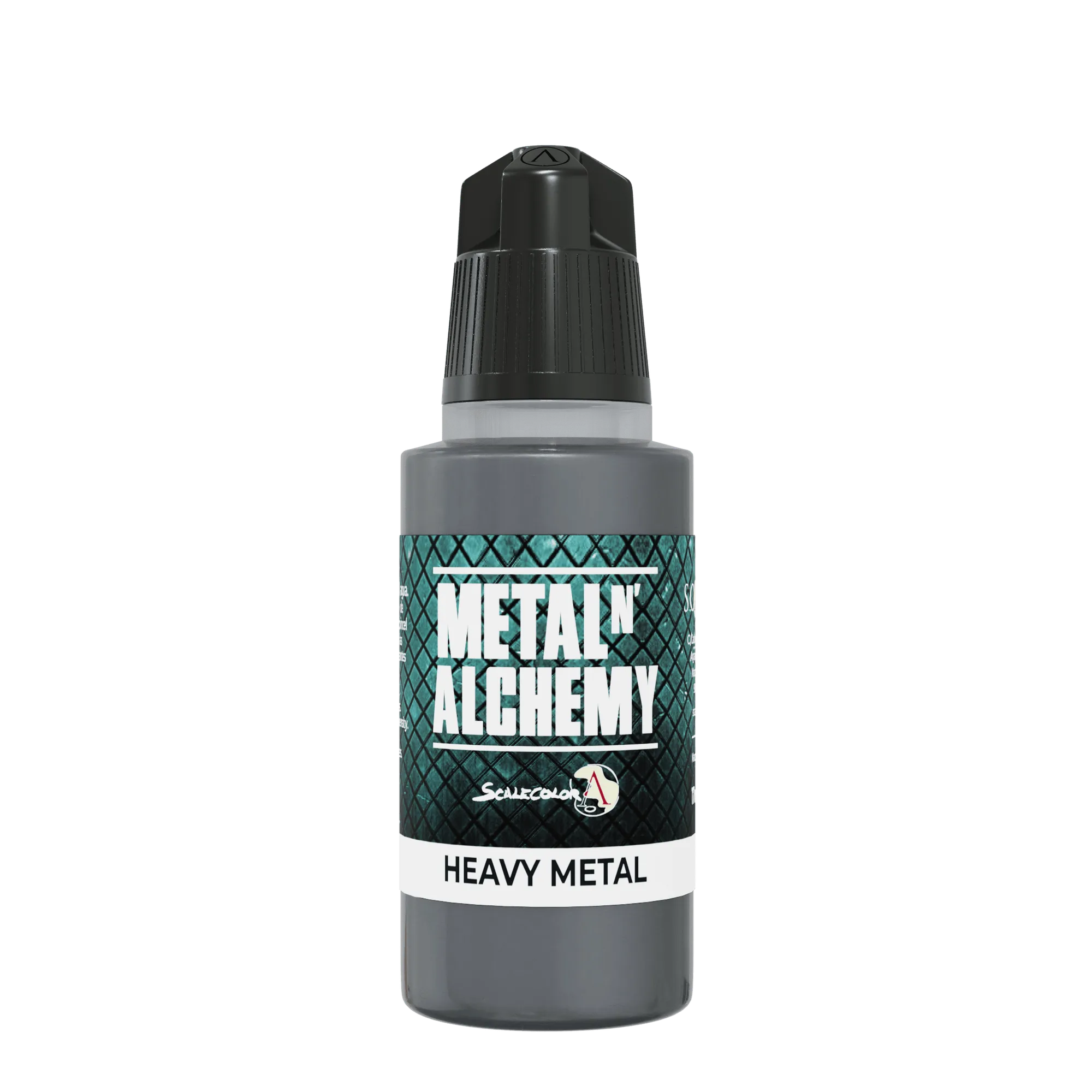
- HEAVY METAL: Metallic acrylic paint, 17ml, with very fine pigment and great covering power, valid for brush and airbrush. Fine metallic pigment sits flatter on the surface, so a light varnish coat is less likely to dull the finish on stored models.
- TAURUS: Figure made with high quality resin, unpainted. Resin is the material most affected by heat swings, so a large resin piece is a good reason to keep storage in a temperature-stable room.
- WAFFEN SOLDIER: Scale 1/35 figure made with high quality resin, unpainted, assembly required. Assembly required means parts sit loose before building, so store them padded and flat rather than piled in a bag.
Good storage is boring and cheap: a closed container, a stable room, and no direct sun. Set that up once and your painted miniatures will look the same in five years as they do today.