Quick answer
Most whole bean coffee storage advice fails because it treats all beans the same. Keep beans in the bag or container they came in, store them cool and dark, and buy sizes you will finish while the roast still tastes like itself. Freezing can work for long-term storage, but only with an airtight container and no repeated thawing. Whole bean coffee is more forgiving than ground coffee, but it is not shelf-stable forever.
Myth 1: The freezer always ruins coffee beans
The freezer is the most misunderstood tool in whole bean coffee storage. Cold itself does not damage beans; moisture and repeated temperature swings do. If you freeze beans, seal them in an airtight container, squeeze out as much air as possible, and thaw the full container once before opening it. A bag you open and reseal every morning will collect condensation and stale faster than one kept in a cupboard.
For beans you will finish within a few weeks, the freezer adds risk without much benefit. For a large stock-up, freezing unopened portions is a practical way to extend coffee bean shelf life. The deciding factor is how often the container changes temperature, not whether it is cold.
Myth 2: Any airtight jar keeps coffee fresh
Airtight is necessary but not sufficient. Light, heat, and oxygen all speed up staling, so a clear jar on a sunny counter is a poor home even if the lid seals perfectly. The original bag often wins because it blocks light and may include a one-way valve that lets carbon dioxide escape without letting oxygen in.
If you transfer beans to a jar, choose an opaque or dark container and store it in a cupboard away from the stove, kettle, or any other heat source. A jar that looks tidy but sits next to a warm appliance is doing less for coffee freshness than an ugly bag in a cool cabinet.
Myth 3: Whole bean coffee lasts forever
Whole bean coffee does not spoil in the food-safety sense, but it does lose the flavors you paid for. Roasted beans begin releasing carbon dioxide immediately, and that process carries aroma away with it. The window is wider than for ground coffee because less surface area is exposed, but it is still a window.
The practical fix is to match package size to your drinking pace. If you brew one cup a day, a 16-ounce bag is a long commitment. If you host often or brew for a household, larger bundles make more sense. Buying more than you can finish just moves the waste from the bag to the cupboard.
Myth 4: You can judge freshness by the roast date alone
A roast date is useful, but it is not the whole story. How the beans were stored after roasting, whether the bag was opened and resealed, and how dark the roast is all change how quickly flavor fades. Dark roasts tend to taste their best earlier, while medium roasts often hold their balance a little longer.
That is why a discovery set or bundle can be more practical than a single large bag. You can compare how different roasts behave in your own kitchen and adjust your storage routine to what you actually taste, rather than trusting a number on the label.
Myth 5: Ground coffee and whole bean coffee store the same way
They do not. Grinding exposes far more surface area to oxygen, so ground coffee stales much faster than whole bean. If you buy ground coffee, plan to use it sooner and keep it sealed between brews. If you buy whole bean, grind just before brewing whenever your setup allows.
This is also why bundles that mix ground and whole bean formats need a plan. The ground portion should be your everyday coffee, and the whole bean portion can wait a little longer without losing as much character.
Storage myth verdicts
- The freezer ruins beans: Cold is not the enemy; moisture and repeated thawing are. Freeze unopened portions in airtight containers and thaw once. Verdict: partly false. Freezing can work for long-term storage, but not for daily open-and-close use.
- Any airtight jar works: Light and heat still reach clear jars on warm counters. Use an opaque container in a cool cupboard, or keep the original bag. Verdict: false. Airtight alone does not protect coffee freshness.
- Whole bean lasts indefinitely: Beans release aroma over time. Match bag size to your brewing pace and finish what you buy. Verdict: false. Whole bean coffee has a practical window, not an infinite shelf life.
- Ground and whole bean store the same: Grinding exposes more surface area, so ground coffee stales faster. Use ground first and grind whole bean just before brewing. Verdict: false. Store them differently and plan to drink ground coffee sooner.
Products that make storage decisions easier
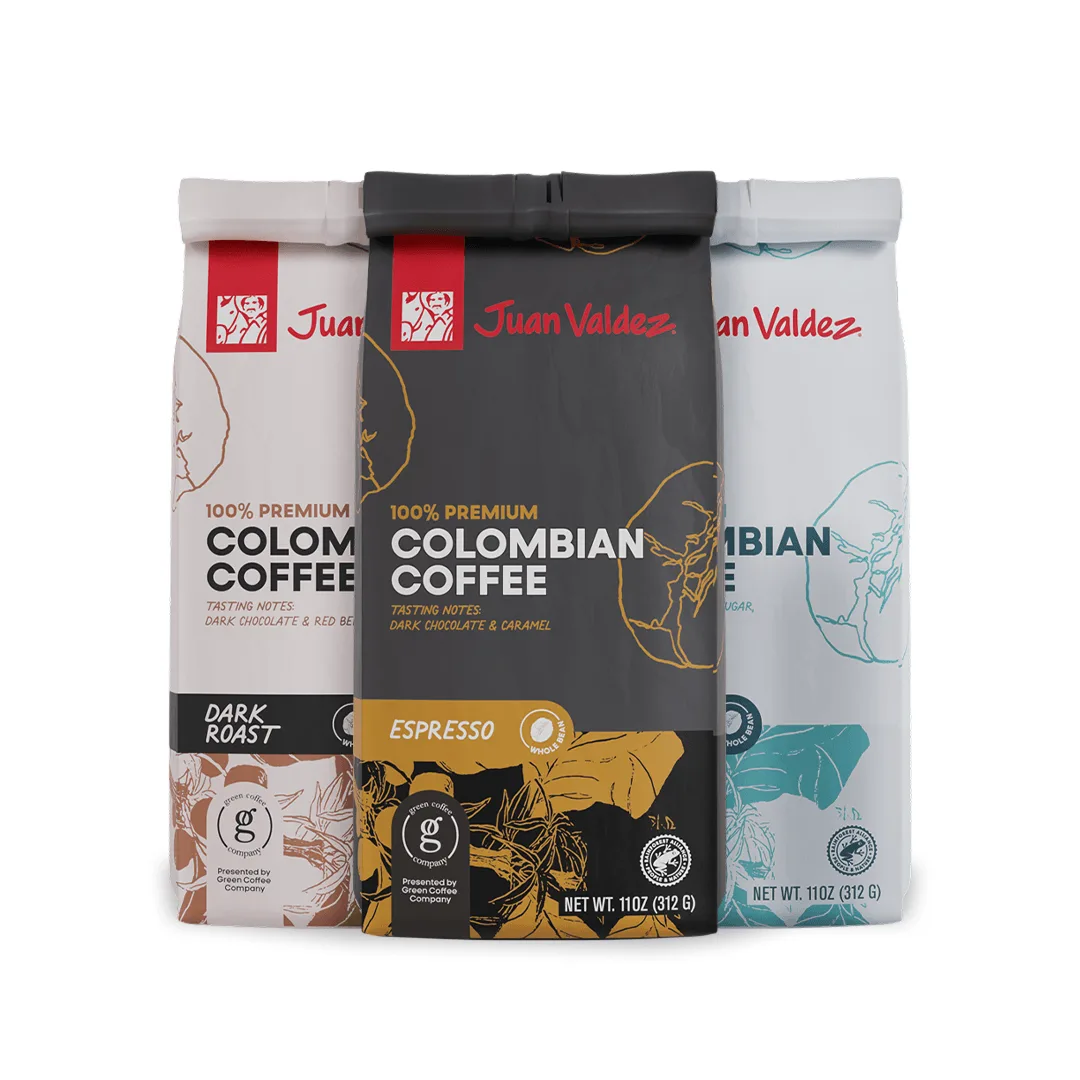
- Roast Profile Discovery Set: The Roast Profile Discovery Set brings together three foundational whole-bean classics so you can explore how varying roast times unlock distinct flavor dimensions from the same premium Colombian beans. Smaller portions of three roasts let you test how each one holds up in your storage setup before committing to a larger bag.
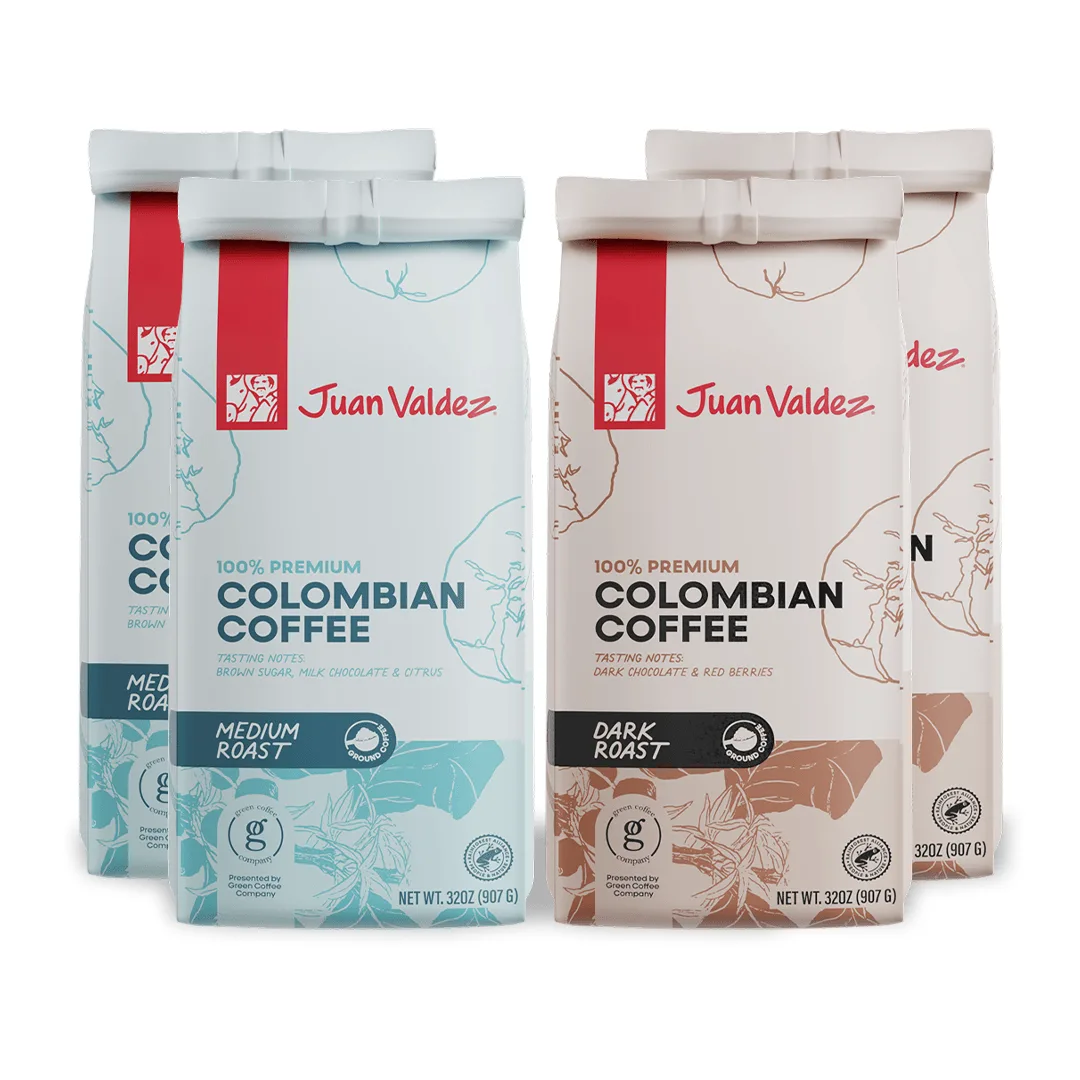
- Cafetero Stock-Up Bundle: The Cafetero Stock-Up Bundle pairs a balanced Medium Roast with a rich, deep Dark Roast for 8 total pounds of premium ground coffees. A large ground-coffee bundle needs a faster consumption plan than whole bean, since ground coffee stales sooner.
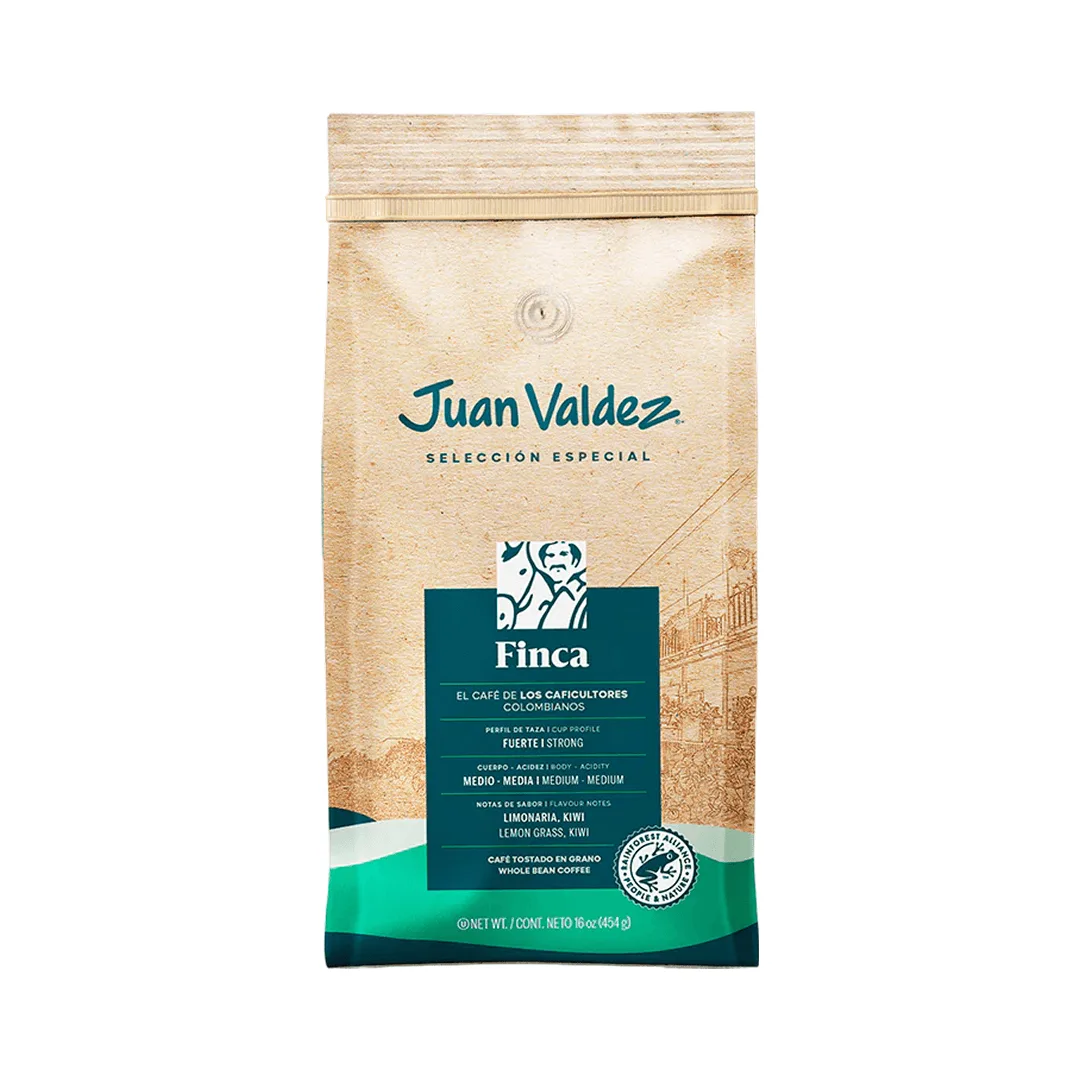
- Finca Dark Roast Whole Bean 16oz: Finca Dark Roast Whole Bean 16oz combines beans from various high-quality farms throughout Colombia for layered flavors of dark chocolate, spice, and earthiness. A single 16-ounce whole bean bag is a sensible size if you brew daily and want to finish it while the dark roast is still at its best.