Quick Answer
To find the right STP packer size, measure your body and consider your typical pants and activity level, then choose a size that balances a natural bulge with reliable function. Start with a smaller size if you're new to packing or STP use.
Why Size Matters for STP Devices
The right STP packer size affects both comfort and function. A device that is too long can poke or cause discomfort when sitting, while one that is too short may not align properly with your body, leading to leaks or an unnatural appearance. Finding the right fit is about more than just length—it's about how the device sits against your body and how it moves with you throughout the day.
Your body shape, typical clothing, and how you plan to use the device (e.g., daily packing vs. occasional use) all play a role in choosing the right size. Take the time to consider these factors before making a purchase, as a well-fitted STP can boost confidence and make daily routines easier.
Trade-offs: Smaller vs. Larger Sizes
Smaller STP packers (around 3-4 inches) are often more discreet and easier to manage, making them a good choice for beginners or those who prefer a subtler look. However, they may require more precise positioning to avoid leaks. Larger sizes (5 inches and up) can be more forgiving in terms of alignment and often provide a more pronounced bulge, but they may be less comfortable for all-day wear and can be more noticeable under fitted clothing.
Consider your typical activities: if you sit for long periods, a shorter device may be more comfortable; if you stand frequently, a longer one might stay in place better. There's no universal 'best' size—it's about what works for your body and lifestyle.
Step-by-Step STP Sizing Guide
- Measure your body: Use a soft measuring tape to measure from your pubic bone to the tip of your penis when flaccid. This is your base length. Also measure the width of your pubic area to help choose a device that sits naturally. Common mistake: measuring while erect or guessing. Always measure flaccid and standing.
- Consider your clothing style: Think about the pants you wear most often. Fitted jeans or swimwear require a smaller, more flexible packer, while loose trousers or work pants can accommodate a larger size. Check the rise of your pants—low-rise may need a shorter device to avoid visible lines. Checkpoint: hold the device against your body while wearing your typical pants to see if it looks natural and doesn't create an obvious bulge.
- Evaluate your activity level: If you're active or sit for long hours, a shorter, softer STP may be more comfortable and stay in place better. For occasional standing use, a longer device might be easier to align. Consider how often you'll wear it and for how long. Common mistake: choosing a size based only on desired bulge, ignoring comfort during daily activities.
- Test the fit with movement: Once you receive the device, wear it around the house for a few hours. Walk, sit, bend, and stand to see if it shifts or causes discomfort. The device should stay in place without constant adjustment. Checkpoint: If it moves too much or feels unstable, consider a different size or a harness/pouch for better support.
- Practice using the STP before going out: Try using the device at home first to get a feel for positioning and to ensure it functions without leaks. This builds confidence and helps you identify any fit issues before you rely on it in public. Common mistake: skipping practice and discovering fit problems in a public restroom. Always test at home.
Product Facts
-
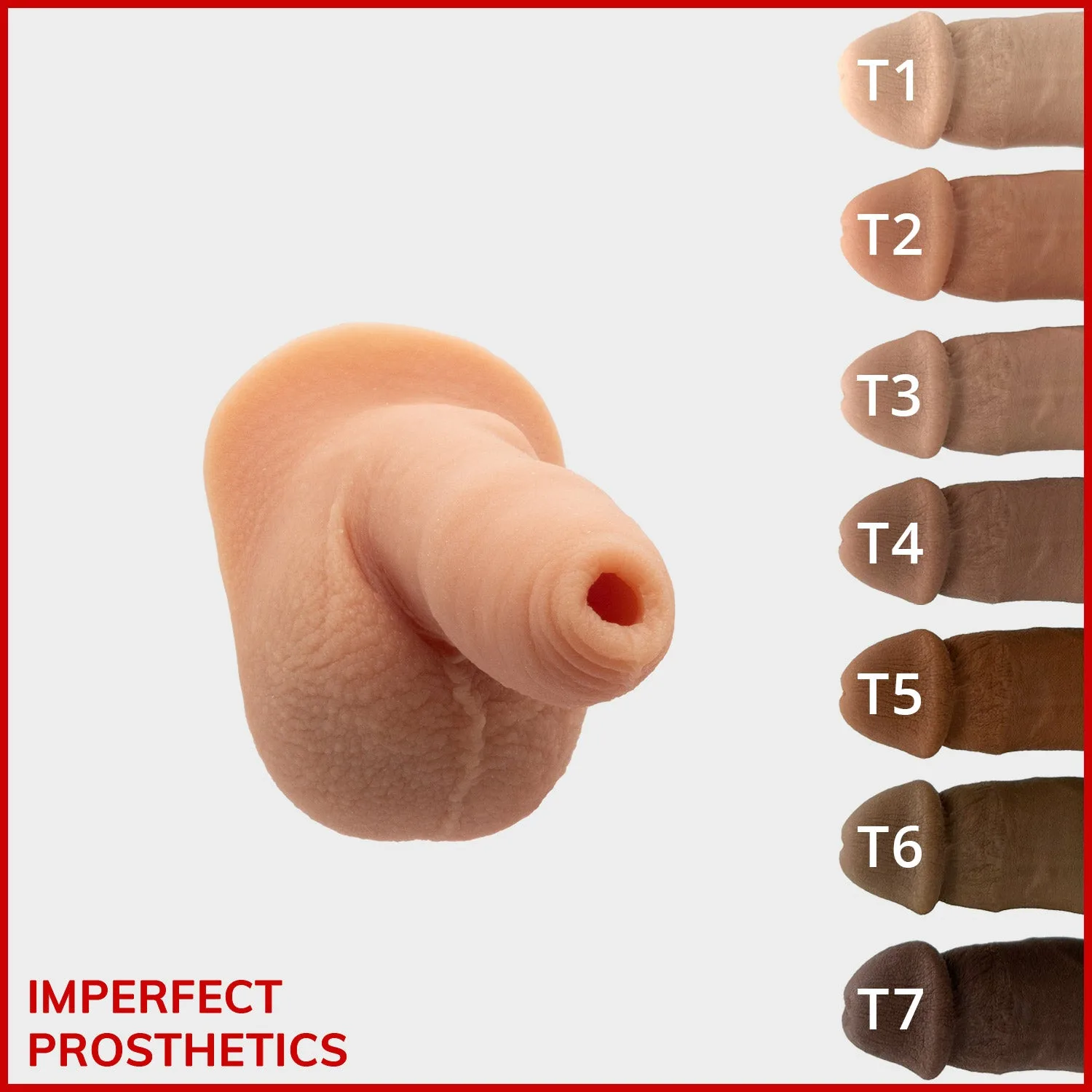
Variété d'imparfaits STP3: This product is part of a limited-quantity line of prostheses with imperfections, and the photo is indicative only; shades and imperfections are described in the product option selection. If you're considering this value option, pay close attention to the option descriptions to understand the exact shade and imperfections, as they can affect the final appearance and fit.
Variété d'imparfaits STP3