Quick answer
Choose straight jeans by leg opening first, then rise, then fabric. A straight leg should fall roughly in line from the outer thigh to the hem without tapering or flaring, so the leg opening measurement matters more than the size number. If you want one pair that works most days, pick a mid-to-high rise in a rigid or lightly stretchy cotton denim and hem it to just above your shoe.
Straight leg denim looks simple, which is exactly why it is easy to buy wrong. Two pairs can both say straight and still fit like completely different jeans once the leg opening, rise, and inseam change. This straight leg denim buying guide gives you decision rules you can apply in a fitting room or against a measuring tape at home.
You do not need a perfect body to find a perfect pair. You need three numbers and a clear idea of how you want the jeans to sit. Below are the trade-offs that matter most, plus how to read condition and material notes when you are shopping secondhand.
Start with the leg opening, not the size tag
The leg opening is the single measurement that defines a straight leg. Measure the flat hem across and double it. A true straight leg usually lands around 14 to 17 inches of total circumference for a slim-straight look, and 17 to 20 inches for a relaxed-straight look. If the hem is noticeably narrower than the thigh, you are looking at a taper, not a straight leg.
Rise comes second because it changes where the leg line begins. A high rise starts the straight fall near your natural waist, which lengthens the leg visually. A low rise starts it lower and can make the same leg opening look wider. Decide your rise before you judge the leg, or you will reject good jeans for the wrong reason.
- Measure a pair you already like, flat, at the hem and thigh, then compare those numbers to any pair you are considering.
- If a listing gives only one width number, treat it as a limitation and ask for the hem measurement before buying.
Match fabric to how you actually wear jeans
Rigid 100 percent cotton denim holds a clean straight line and ages well, but it has no give in the seat or waist and takes a few wears to relax. A small amount of stretch makes a straight leg easier to sit in and more forgiving through the hip, though it can lose shape faster over a long day. Neither is better; they solve different problems.
Weight matters too. Heavier denim stands away from the leg and reads more structured, while lighter denim drapes closer and can show every crease. If you want the classic straight silhouette, a mid-weight cotton with minimal stretch is the safest default.
- Choose rigid cotton if you want a defined line and do not mind breaking the jeans in.
- Choose stretch denim if you sit for long stretches or want a softer first wear.
Get the length right before you commit
A straight leg is unforgiving about length because the hem does not taper to hide extra fabric. A full break piles fabric on the shoe and shortens the leg line. A slight break or a clean crop keeps the line straight and makes the jeans look intentional with both sneakers and heels.
Check the inseam against the shoes you wear most. If you plan to wear the jeans with flat sneakers, hem them to just touch the shoe. If you wear heels, add the height difference before hemming. Buying a longer inseam and tailoring down is usually easier than trying to add length.
- Pin the hem while wearing your most common shoes, not barefoot.
- Leave a half inch of extra length if you might wash and dry the denim later.
Read condition and measurements carefully when buying secondhand
Secondhand denim often gives you better fabric and construction for the money, but the listing has to be read like a spec sheet. Look for the stated condition, the flat measurements, and the material. If the seller notes used condition, expect some fading at the knees or hem, which is normal and often part of the look.
The catch is that not every listing includes every measurement. When a number is missing, do not assume it. Treat the gap as a decision limitation and either ask for it or accept that you are buying with some uncertainty. That one habit prevents most disappointing denim purchases.
- Compare the stated waist and inseam to a pair you own, not to your body measurements alone.
- Prioritize listings that show the hem width, since that is what makes a straight leg straight.
Decision rules for choosing straight jeans
- If the hem is narrower than the thigh: The jeans are tapered, not straight. Skip them unless you actually want a slim-tapered fit. Checkpoint: hem width should roughly match or slightly exceed the thigh width.
- If you sit for most of the day: Choose a cotton denim with a small amount of stretch rather than rigid 100 percent cotton. Trade-off: slightly less crisp line in exchange for all-day comfort.
- If the listing omits the inseam or hem width: Ask for the measurement or treat the purchase as a calculated risk rather than assuming a standard fit. Next step: request flat measurements before you buy.
- If you want one pair for everything: Pick a mid-to-high rise, mid-weight cotton, and a leg opening in the middle of the straight range. Verdict: the most versatile starting point for a first straight leg pair.
Catalog examples that show how to read a listing
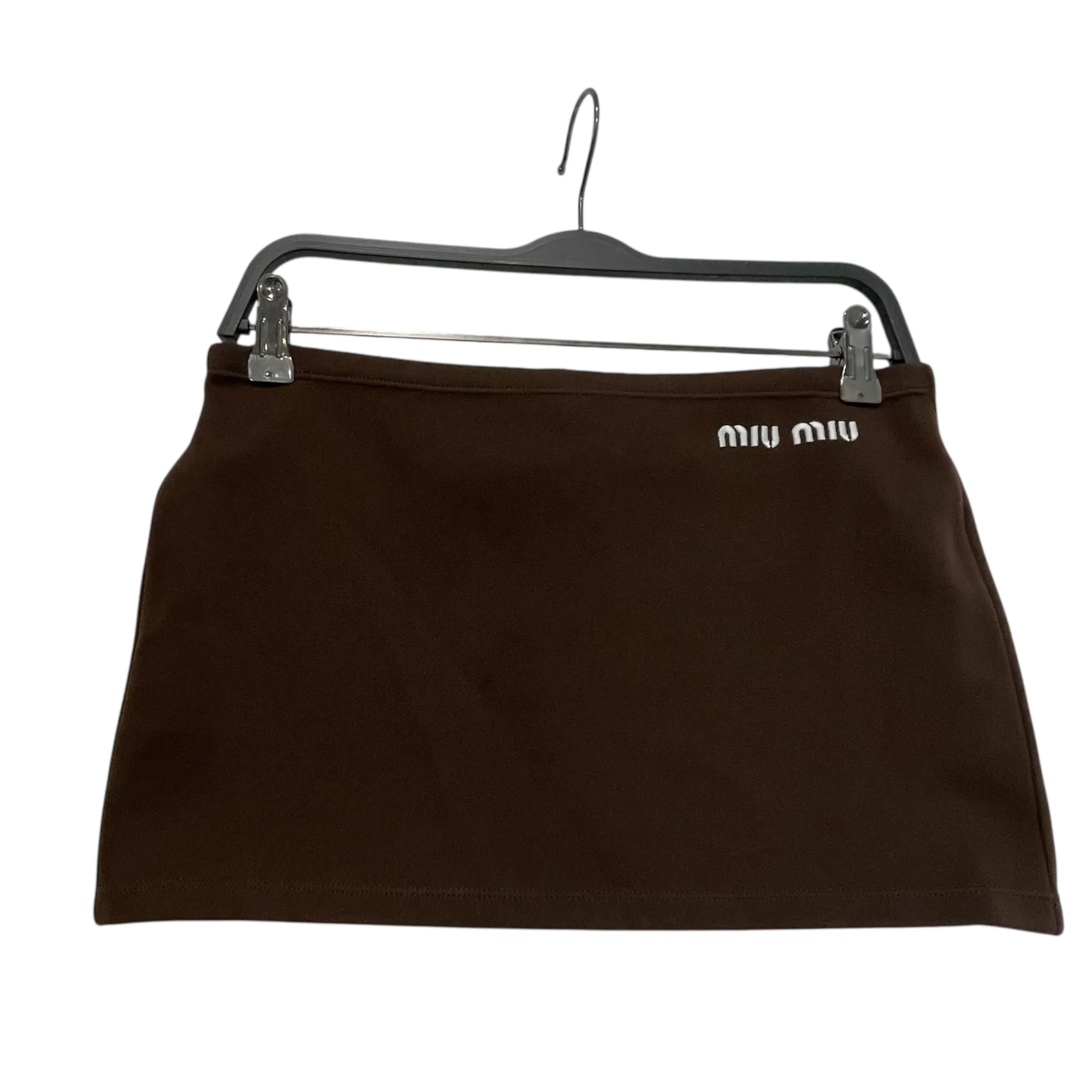
- MIU MIU/Skirt/38/Nylon/BRW/Mini Length/Technical Yarn: Size 38 with a stated width of 30 inches and length of 11 inches, brown nylon, condition used very good. This is a good reminder that listed measurements, not the size number, tell you how a piece will actually sit. Apply the same habit to denim: trust the flat measurements first.
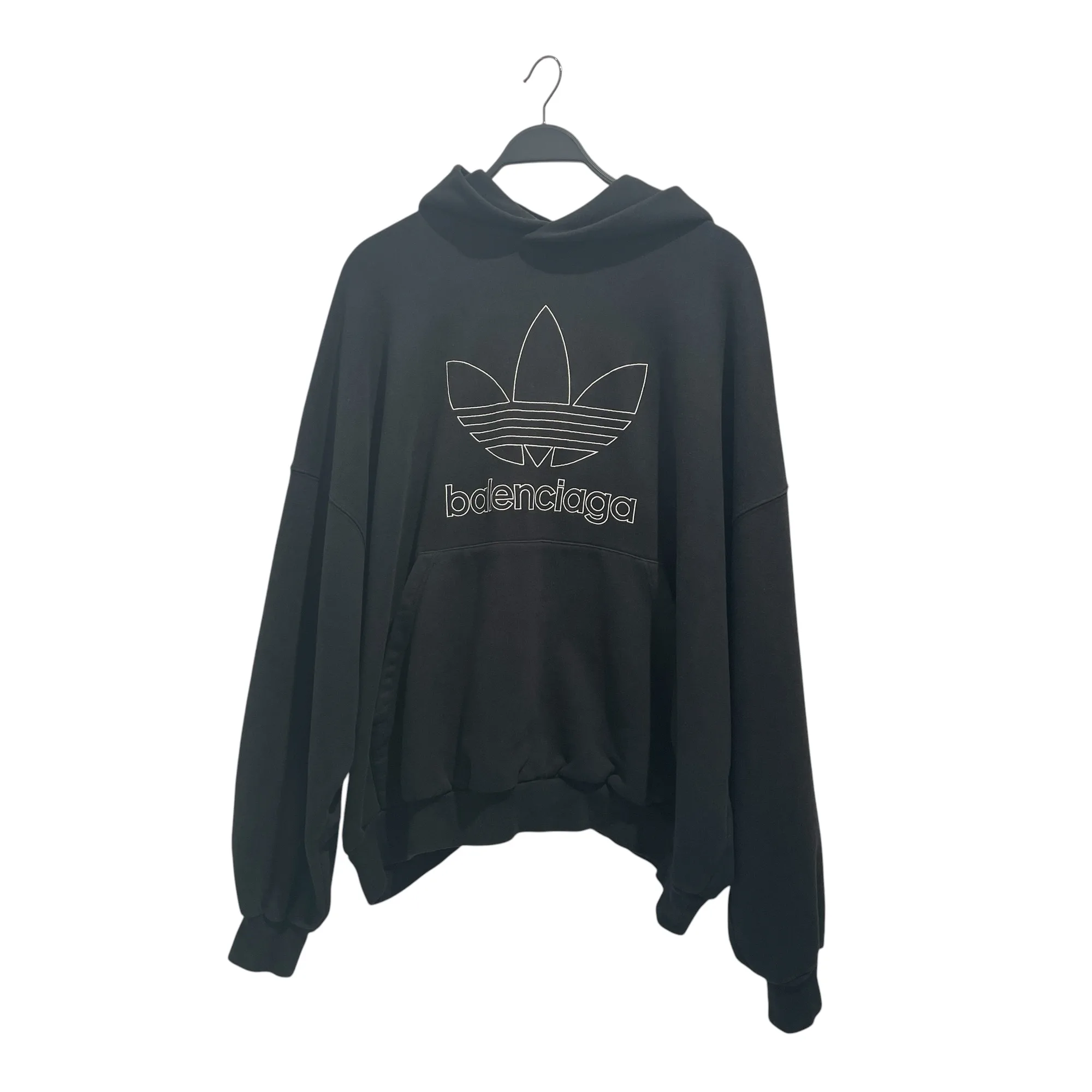
- BALENCIAGA/adidas/Hoodie/2/Graphic/Cotton/BLK/: Size 2 with chest 34 inches, sleeves 23 inches, length 28.5 inches, shoulder 14 inches, black cotton, condition used very good. Four measurements turn a vague size label into a predictable fit. When a denim listing gives you waist, inseam, and hem width, you can buy with the same confidence.
Who straight leg denim suits, and who should look elsewhere
Best for
- Shoppers who want a clean, timeless line that works with sneakers, boots, and heels
- Anyone who prefers to buy by measurement and wants a fit that does not change with trends
- People building a small wardrobe who need one denim silhouette to cover most outfits
Not for
- Shoppers who want a strong taper through the ankle or a skinny fit
- Anyone looking for a wide-leg or flare silhouette, which needs a different leg opening entirely
- Buyers who want a body-hugging fit through the thigh and seat
Buy straight leg denim by the numbers, not the label. Confirm the leg opening, decide your rise, match the fabric to your day, and hem to your shoes. Do that, and the pair you choose will keep looking like the pair you meant to buy.