Quick answer
Replace your baby's straw when you see cracks, cloudiness, a stretched tip, or lingering odors after cleaning. For daily use, inspect the straw every week and plan to swap it every 4–8 weeks, or sooner if your child chews on it. Keeping spare straw replacements on hand makes the switch quick and stress-free.
Signs your straw needs replacing
Not all straw wear is obvious. Run your fingers along the entire length—inside and out—to feel for rough spots, thinning walls, or small tears near the bend. Hold it up to a light: a healthy straw looks clear and uniform, while a worn one may appear cloudy or discolored. If the straw has a slit or bite marks from teething, it's time to replace it, even if it still functions. A stretched or misshapen tip can also make drinking harder and reduce the straw's effectiveness.
How to clean straws to extend their life
Proper cleaning removes residue that can break down the material over time. After each use, rinse the straw immediately with warm water. At least once a day, wash it with a straw brush and mild dish soap, pushing the brush all the way through. For a deeper clean, soak the straw in a 1:1 mixture of water and white vinegar for 10 minutes, then rinse thoroughly. Avoid boiling or putting straws in the dishwasher unless the manufacturer explicitly says they are dishwasher-safe; high heat can warp or weaken them. Let the straw air-dry completely before storing it to prevent mildew.
Step-by-step: replacing the straw on your ezpz cup
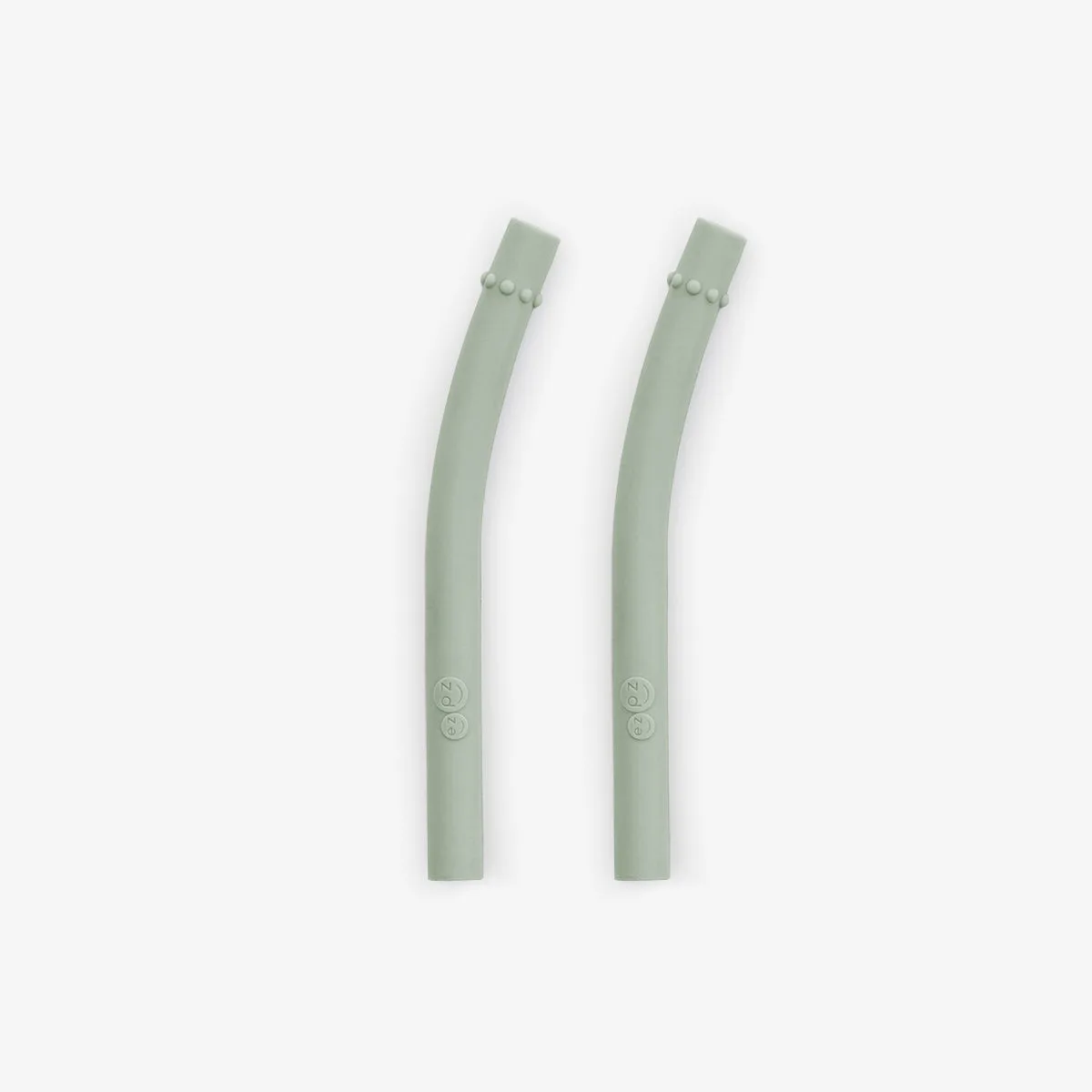
Replacement is simple. First, remove the old straw from the cup lid by gently pulling it out. If it's stuck, run warm water over the lid to loosen any sticky residue. Next, take a new straw replacement and insert it into the lid opening, pushing until it sits snugly. Check that the straw reaches the bottom of the cup without bending. Finally, test the flow by taking a sip of water—if it feels restricted, adjust the straw's position. Always wash new straws before first use.
When to stop cleaning and choose a new cup instead
If you've replaced the straw but your child still struggles to drink, the issue may be the cup itself. Check the lid for cracks, a loose valve, or a worn seal. If the cup no longer holds liquid properly or the lid doesn't snap on securely, replacing the entire cup system is safer than continuing to use a compromised one. Also consider your child's age and skills: a toddler who has mastered straw drinking might be ready for an open cup, while a younger baby may need a different flow rate. In those cases, a new cup designed for the next stage is a better investment than repeated straw swaps.
Diagnose your straw: symptom, cause, fix, or stop
- Cloudy or discolored straw: Mineral buildup or material breakdown from repeated washing or heat exposure. Replace the straw; if it happens quickly, switch to hand-washing with mild soap and avoid hot water.
- Cracks or bite marks: Teething or chewing weakens the straw, creating places for bacteria to hide. Replace immediately. If your child chews through straws often, consider a silicone straw cover or a cup with a harder straw.
- Lingering smell or taste after cleaning: Residue or mold inside the straw that brushing can't reach. Replace the straw. If the smell persists with a new straw, clean the cup lid and valve thoroughly or replace the lid.
- Straw falls out or leaks: The straw or lid opening has stretched over time. Try a new straw first. If it still falls out, the lid is worn—replace the cup or contact the manufacturer.
Products that make replacement easy
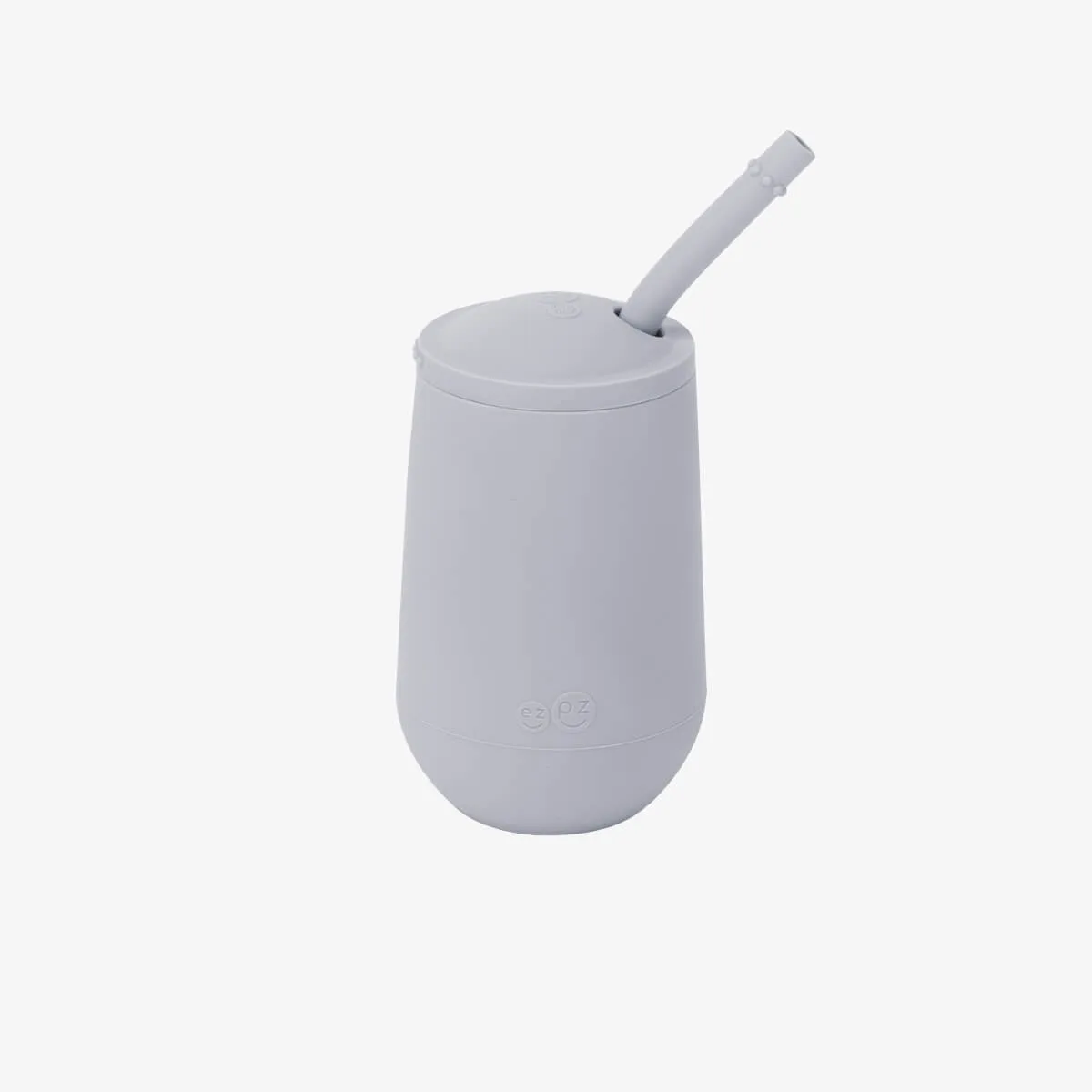
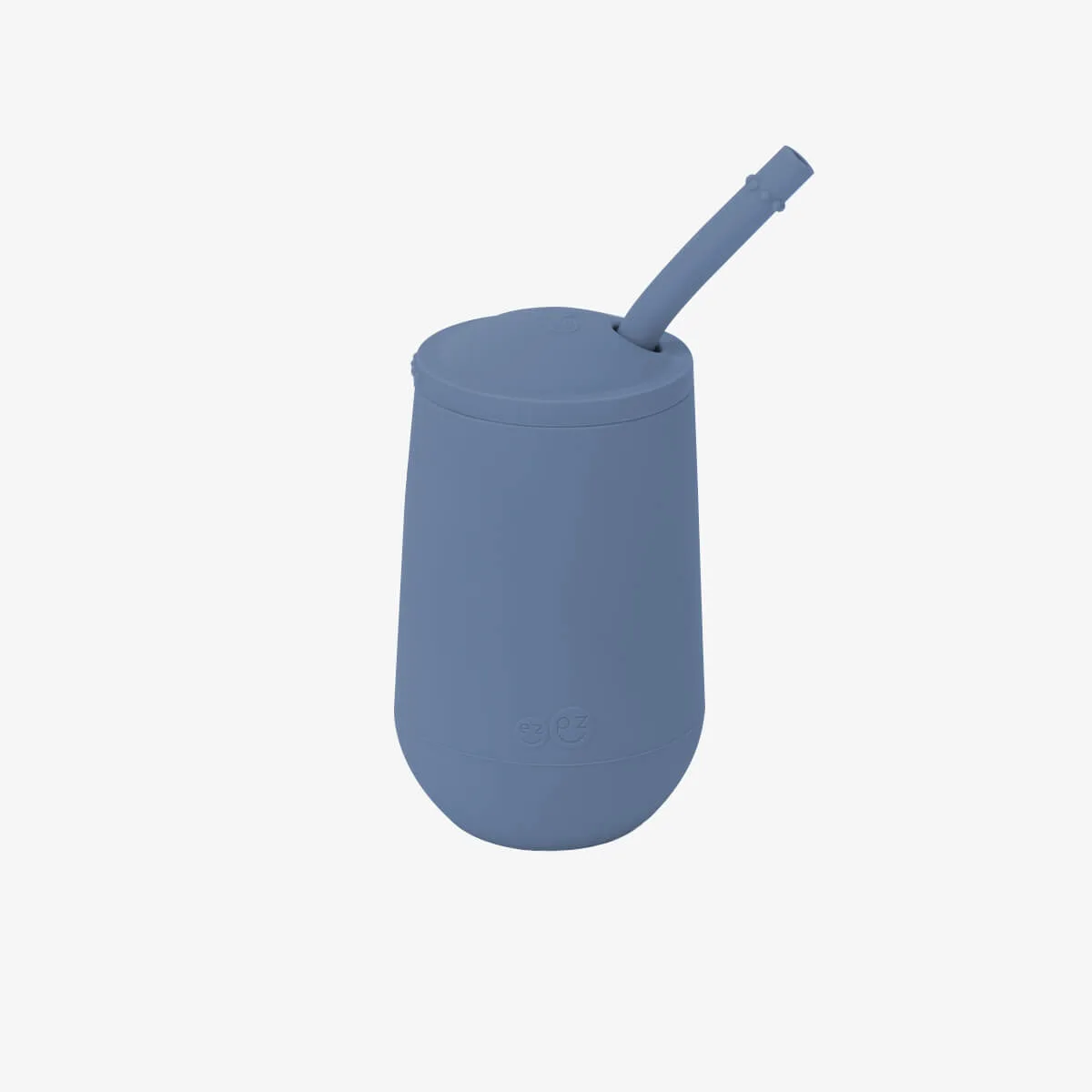
- Straw Replacements: Straw Replacement Packs pair with the Mini Cup + Straw or Happy Cup + Straw. You can keep using the cup you already own instead of buying a whole new system.
- Happy Cup + Straw System (5-Pack): The Happy Cup + Straw System (5-Pack) teaches older toddlers and preschoolers to safely drink from an open cup and straw independently. If your child is ready for the next stage, this set supports independent drinking and comes with multiple cups.