In 2025, the line between streaming and podcasting is blurrier than ever—but microphone technology has evolved to serve each use case with precision. Whether you're live on Twitch, recording a solo podcast, or hosting a business webinar, choosing between a streaming microphone and a podcast microphone can make or break your audio quality. This guide breaks down the core differences, helps you identify your needs, and highlights how a USB microphone can simplify your setup. We'll also show you how Logitech's ecosystem—including headsets and speakers—can complement your microphone choice for a complete audio solution.
What Defines a Streaming Microphone?
Streaming microphones are optimized for real-time, live audio capture. They prioritize low latency, background noise rejection, and ease of use with software like OBS or Streamlabs. Key features include:
- Built-in DSP (Digital Signal Processing): Many streaming mics use onboard processing to reduce plosives, sibilance, and ambient noise—critical for live environments where post-production isn't possible.
- Cardioid or supercardioid polar patterns: These focus on the sound directly in front of the mic, minimizing keyboard clicks, fan noise, or room echo.
- Plug-and-play USB connectivity: Most streaming mics are USB microphones—no audio interface needed. This makes them ideal for gamers and streamers who want a quick, clutter-free setup.
- Integration with streaming software: Many models include mute buttons, gain controls, and RGB lighting for visual feedback during live broadcasts.
Streaming microphones are not typically used for high-fidelity music recording or complex multi-track editing. Instead, they excel at delivering clear, consistent vocal audio in real-time conditions. For example, a streamer using a USB microphone can avoid the hassle of XLR cables and mixers, focusing entirely on their content.
What Defines a Podcast Microphone?
Podcast microphones are designed for recorded, edited audio where post-production flexibility matters. They often offer wider frequency response and multiple polar patterns to capture nuanced vocal tones and interview dynamics. Key characteristics include:
- XLR connectivity (often supported): While many podcast mics also come in USB versions, professional podcasters gravitate toward XLR for higher bit depth and the ability to connect to mixers or audio interfaces.
- Multiple polar patterns: Options like cardioid, bidirectional, omnidirectional, and figure-8 allow recording solo interviews, roundtable discussions, or ambient room sound.
- Higher sensitivity and dynamic range: Podcast mics often capture subtle vocal nuances—breaths, whispers, and tonal shifts—that add character to narrative content.
- Low-cut filters and pad switches: These help manage proximity effect (booming bass when speaking close) and prevent clipping from loud voices.
Podcasters prioritize audio quality that can be polished in post-production—EQ, compression, and noise reduction. A dedicated podcast microphone typically costs more than a basic streaming mic, but the investment pays off for professional-level recordings.
Key Differences at a Glance
Feature
Streaming Microphone
Podcast Microphone
Primary Use
Live, real-time audio (Twitch, YouTube Live)
Recorded audio (podcasts, voiceovers, interviews)
Connectivity
USB (plug-and-play) most common
USB or XLR (often both)
Latency
Ultra-low (under 10ms)
Low, but post-production is expected
Polar Patterns
Usually cardioid or supercardioid
Multiple (cardioid, bidirectional, omnidirectional, etc.)
DSP / Onboard Processing
Yes—noise gate, compressor, EQ
Minimal—relies on external software
Ideal for
Gamers, live streamers, remote work
Podcasters, voice actors, musicians
Price Range
$50–$200
$100–$500+
How to Choose the Best Microphone for Your Use Case in 2025
Scenario 1: You’re a Live Streamer or Gamer
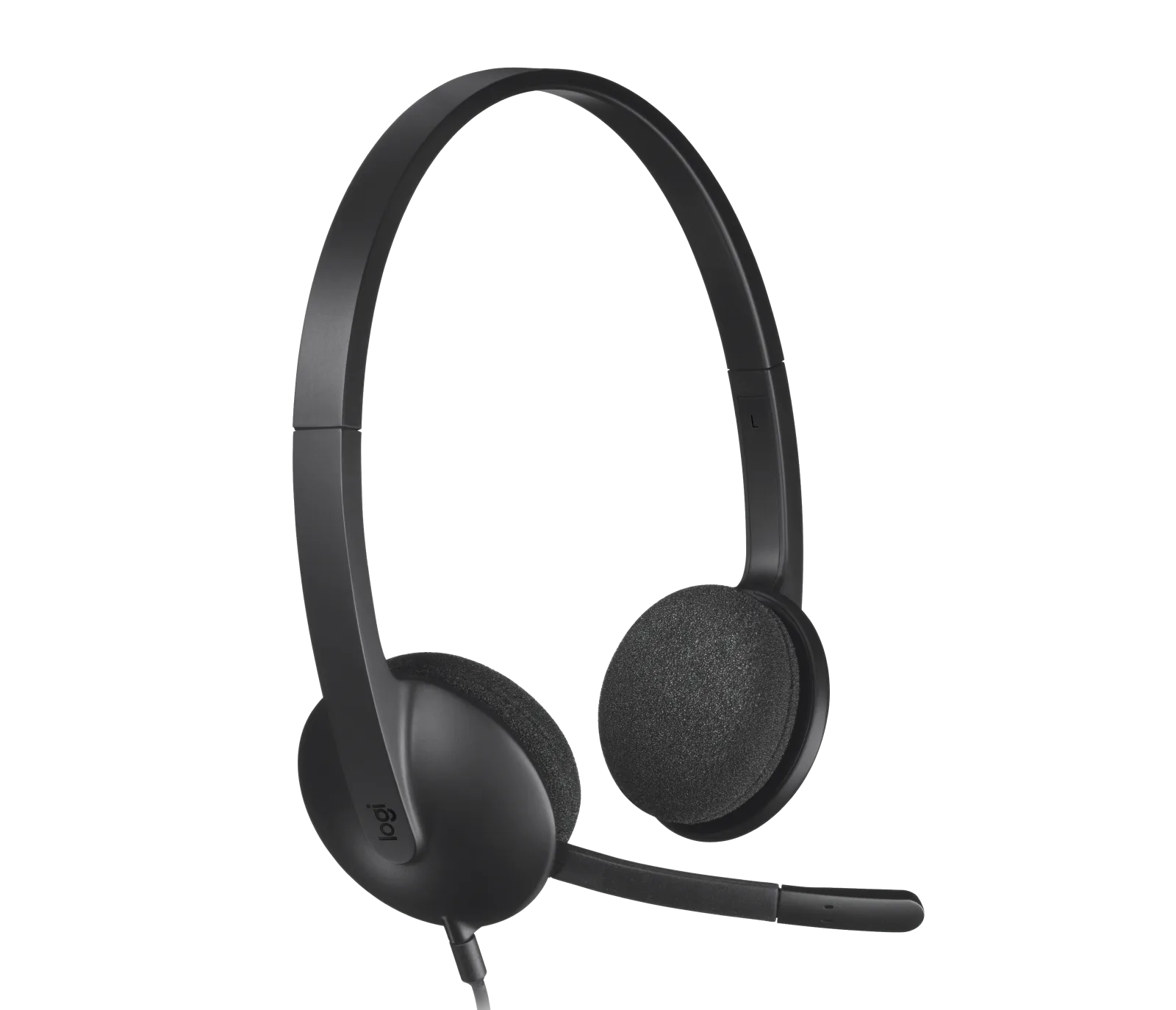
If you're broadcasting on Twitch, YouTube, or TikTok Live, a streaming microphone is your best bet. Look for a USB microphone with built-in DSP and a cardioid pattern. The H540 USB COMPUTER HEADSET - Black is an excellent complement—it isolates your voice from game audio and prevents feedback loops. For standalone streaming mics, brands like Logitech offer models with zero-latency monitoring and mute indicators, ensuring your audience hears you clearly without delays.
Scenario 2: You’re a Podcaster or Content Creator
If your primary output is recorded audio (podcasts, interviews, voiceovers), invest in a podcast microphone with multiple polar patterns and XLR support. A high-quality USB microphone can still work, but you’ll want one with a wider frequency response and low self-noise. Pair it with a boom arm and pop filter for professional results. For post-production, a good speaker system like the Z906 5.1 Surround Sound Speaker System - Black lets you monitor your mix accurately, catching sibilance or room echo before publishing.
Scenario 3: You Do Both
Many creators now stream live and repurpose that audio into podcast episodes. In this case, a hybrid microphone (USB/XLR) with adjustable polar patterns is ideal. Look for features like a mute button, gain control, and a headphone jack for real-time monitoring. A USB microphone with these capabilities gives you flexibility without requiring an audio interface.
Audio Ecosystem: Beyond the Microphone
Your microphone is only one piece of the puzzle. To achieve broadcast-quality audio, consider your entire signal chain:
- Headphones: Closed-back headphones like the H540 USB COMPUTER HEADSET - Black prevent sound bleed into your mic and let you hear yourself clearly.
- Speakers: For editing and monitoring, a surround sound system ensures you catch every audio detail.
- Acoustic treatment: Simple foam panels or a portable vocal booth reduce room reverb—essential for both streaming and podcasting.
2025 Trends in Microphone Technology
This year, expect more microphones to feature AI-powered noise cancellation, adaptive gain control, and Bluetooth connectivity for wireless use. USB microphones are becoming more sophisticated, with 24-bit/96kHz sampling rates rivaling entry-level XLR setups. Streaming microphones are also incorporating multi-color RGB lighting that syncs with on-screen alerts—a fun bonus for live content. Meanwhile, podcast microphones are embracing USB-C for higher data throughput and faster charging if they also serve as a headset.
Final Verdict: Which One Should You Buy?
If you prioritize simplicity, low latency, and live interaction, choose a streaming microphone. If you want maximum audio fidelity and post-production flexibility, invest in a podcast microphone. For most creators in 2025, a quality USB microphone that offers both cardioid and bidirectional patterns can serve both roles effectively. Don't forget to pair your mic with a reliable headset for monitoring and a speaker system for editing—Logitech's ecosystem offers seamless integration across devices.
Ready to elevate your audio? Explore the H540 USB COMPUTER HEADSET - Black for clear, comfortable monitoring during your next stream or podcast session. It's the perfect companion to any microphone setup.