When dark clouds gather, every parent faces a quick decision: how to keep your little one dry during a stroll. Two popular solutions are the stroller rain cover and the stroller umbrella. Each has its loyal fans, but which is truly more practical? In this comparison, we'll break down the pros and cons of both options, considering coverage, ease of use, safety, and overall value. By the end, you'll know exactly which rain protection suits your lifestyle.
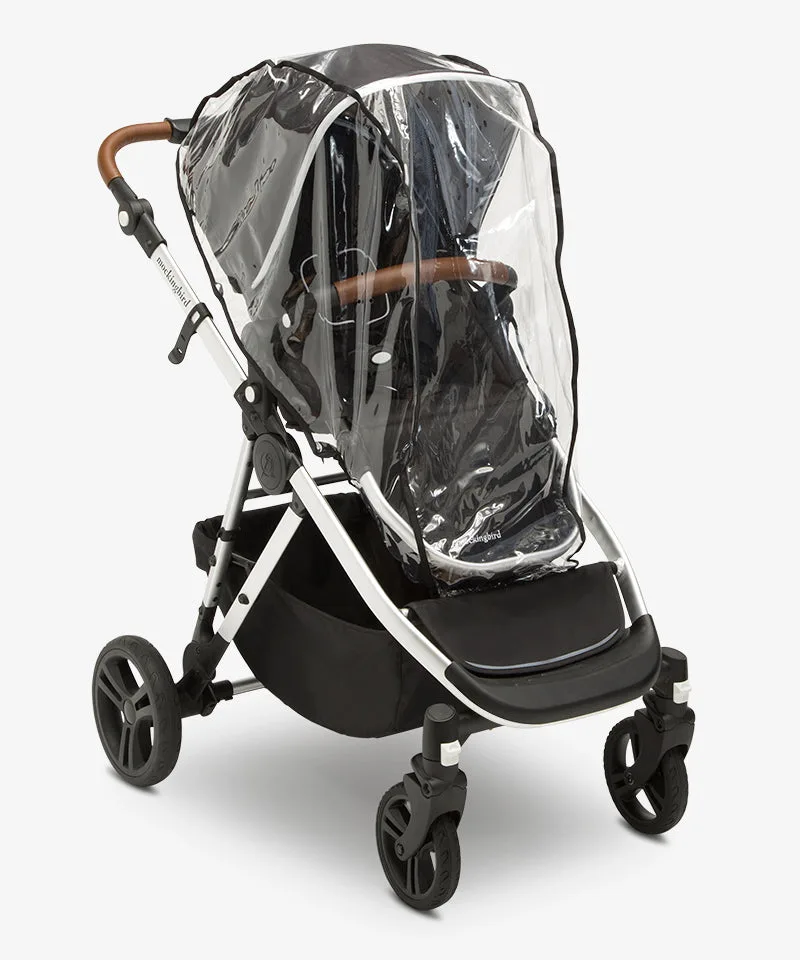
rain cover
Rain covers and umbrellas serve the same basic purpose, but they do so in very different ways. A rain cover completely encloses the stroller seat, while an umbrella hovers above it. This fundamental difference affects everything from how well your child stays dry to how easy it is to fold your stroller. Let's dive into the details.
Coverage and Protection: Full Enclosure vs. Partial Shade
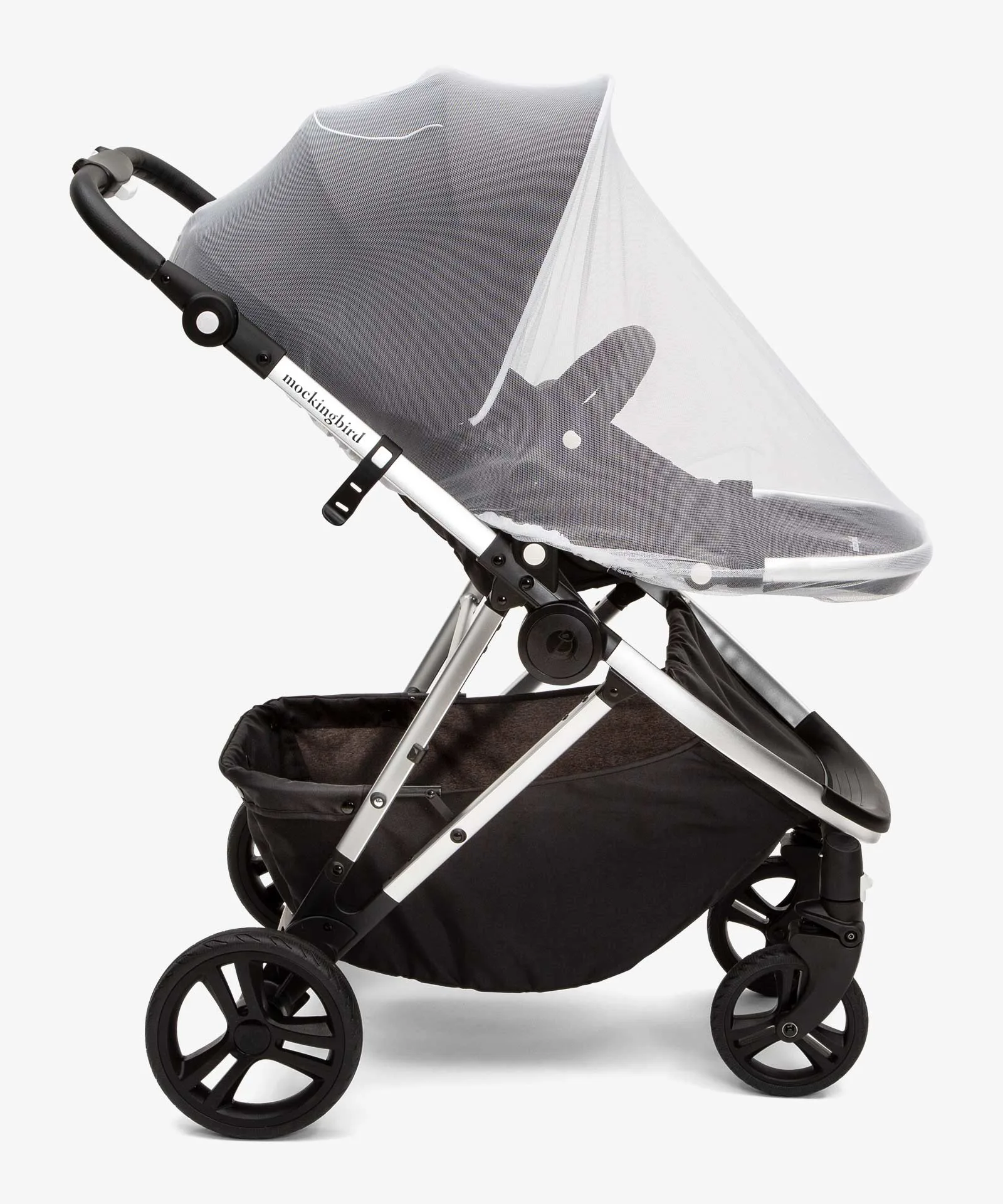
The most obvious difference is coverage. A rain cover, like the one designed for the Single Stroller 3.0, wraps around the entire seat, creating a waterproof shield from wind and rain. It typically has a clear plastic window so you can see your child, and it often includes ventilation panels to prevent stuffiness. This full enclosure ensures that even sideways rain or splashes from puddles won't reach your little one.
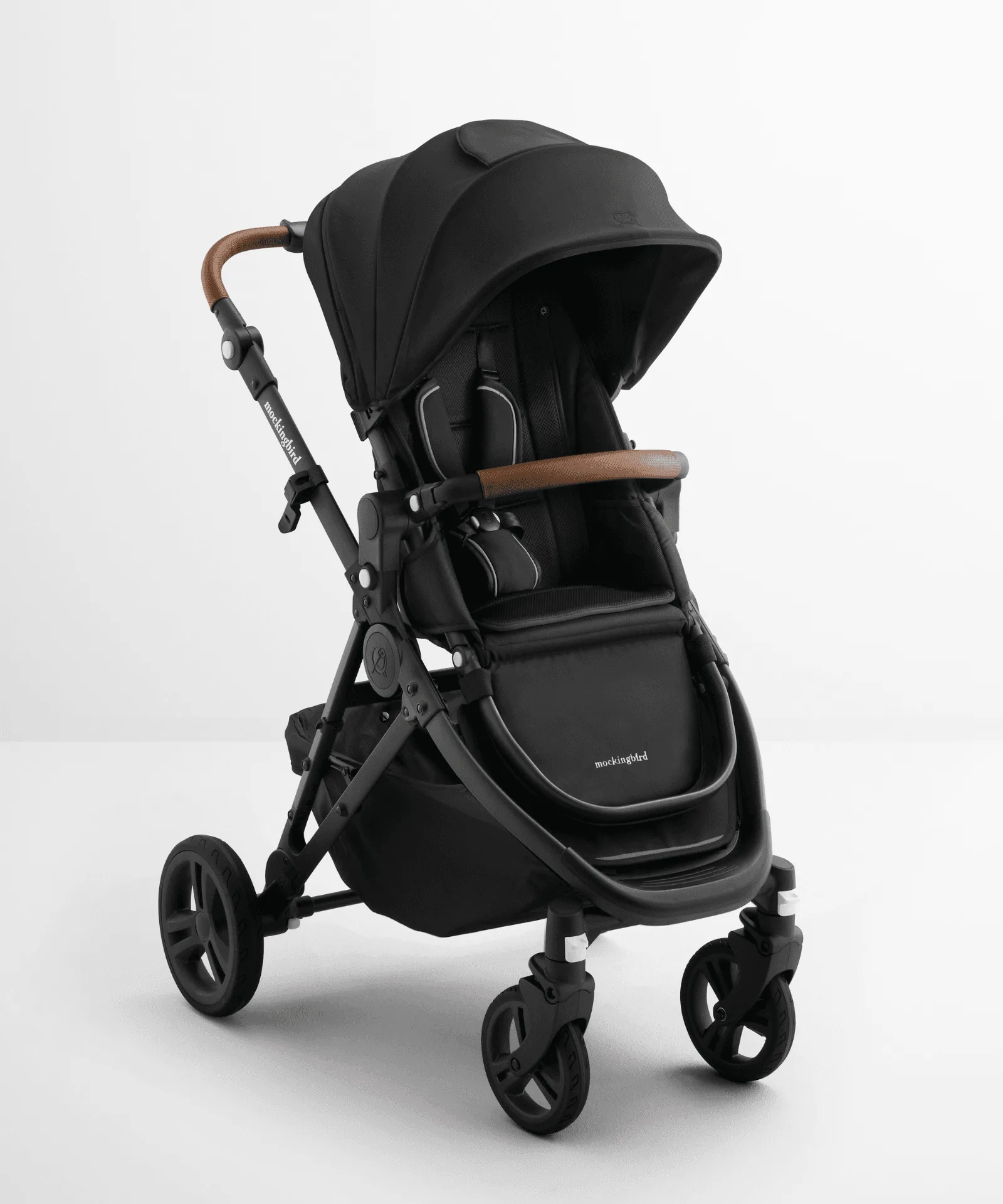
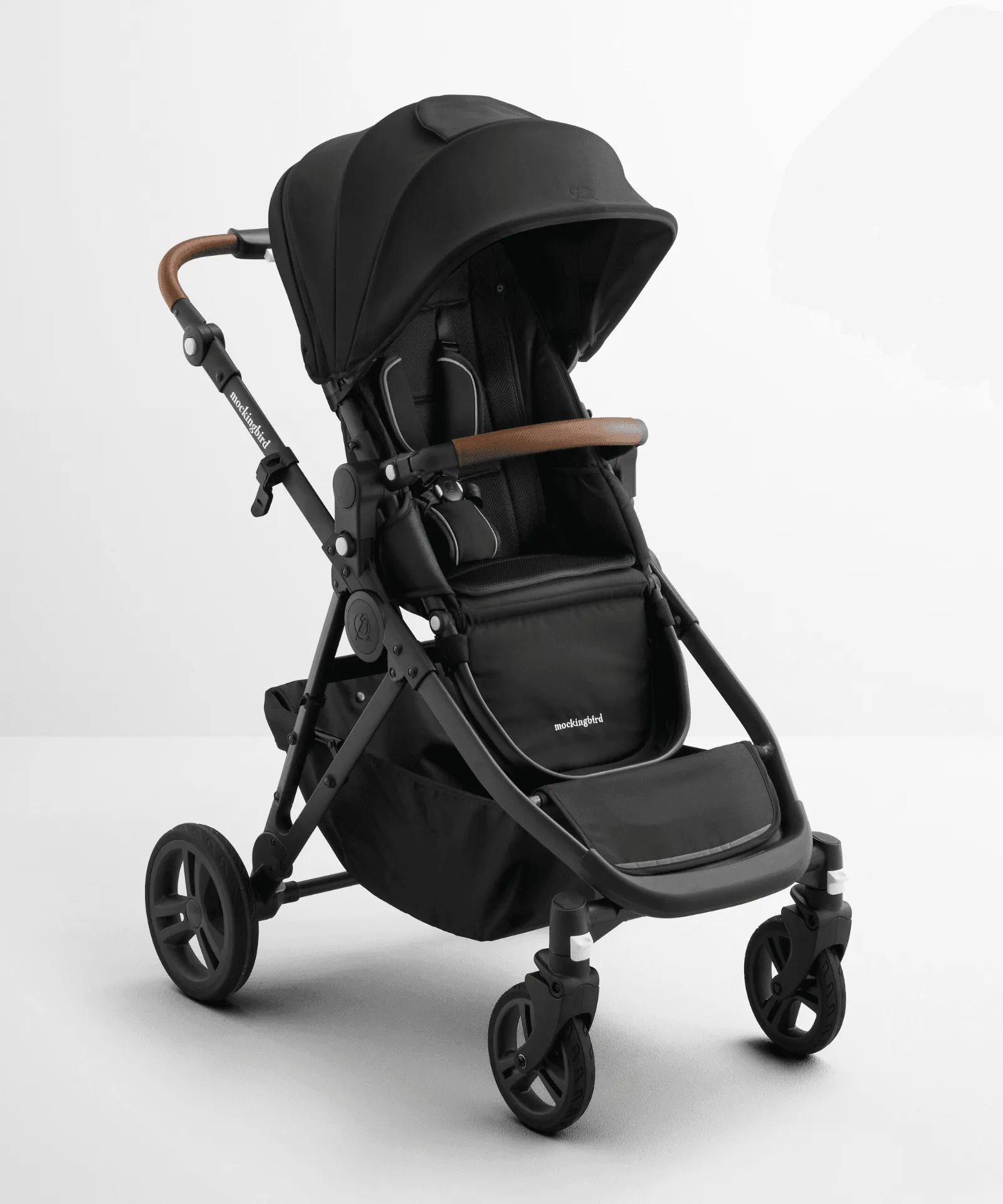
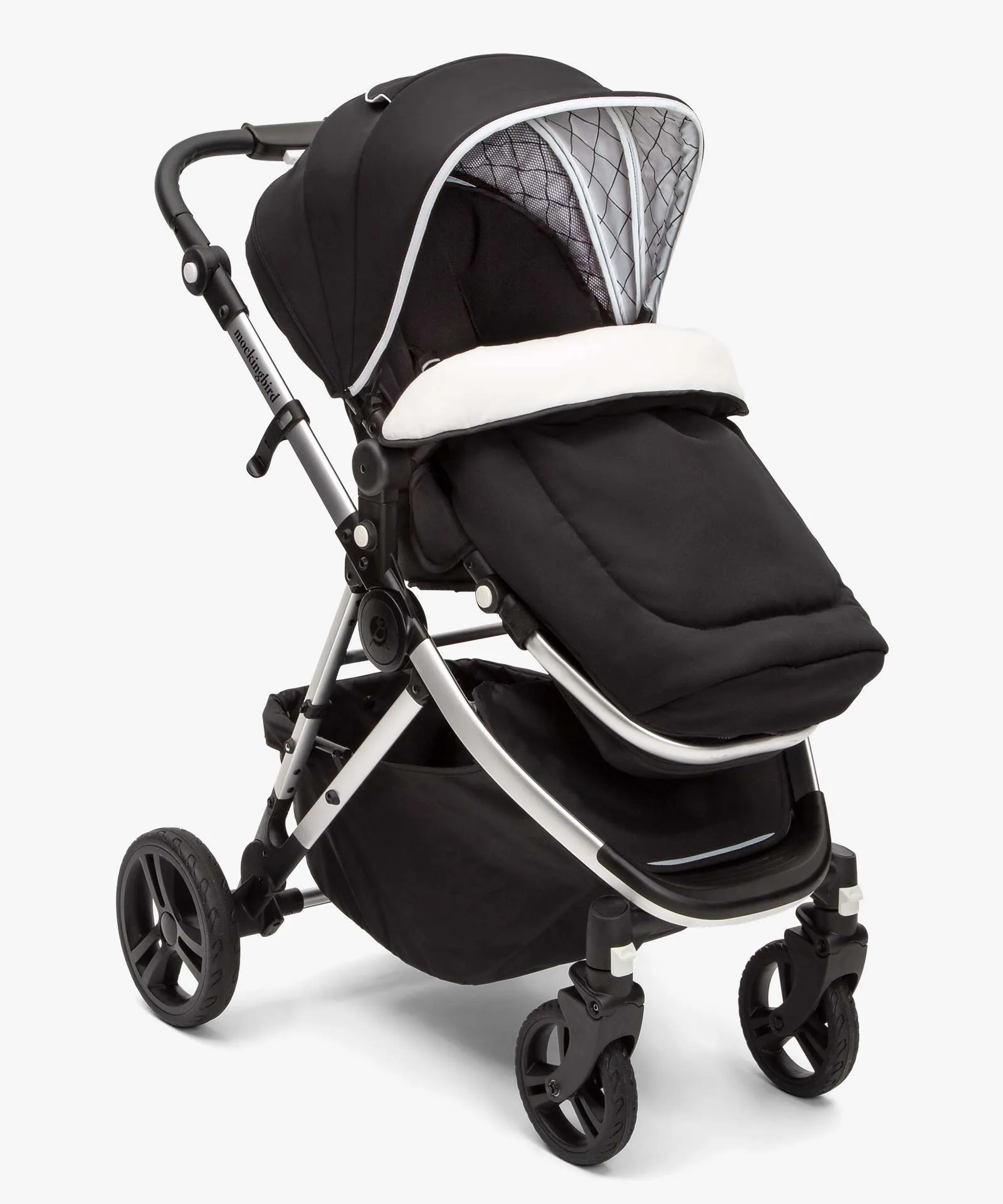
Single Stroller 3.0
An umbrella, on the other hand, provides overhead protection only. It does a great job of keeping rain off the top of the stroller, but it leaves the sides and front exposed. If the wind blows rain horizontally, your child's legs, face, and arms can still get wet. Some umbrellas have a flexible arm that can be adjusted, but they never offer the same level of all-around defense as a rain cover.
- Rain covers offer 360-degree protection, ideal for heavy downpours.
- Umbrellas are better for light drizzle or as a sunshade, but they leave gaps in coverage.
Ease of Use and Portability
When you're juggling a diaper bag and a toddler, convenience is key. Rain covers are designed to be quick to put on and take off. Most stretch over the stroller's canopy and bumper bar, and they can be folded into a compact pouch when not in use. Many parents keep a rain cover in the stroller's basket or a parent organizer, so it's always on hand.
Umbrellas are also portable, but they require a clamp or bracket to attach to the stroller frame. This can be fiddly, especially if you're switching between different strollers or need to adjust the angle frequently. Some umbrellas are flimsy and can wobble in the wind, which might annoy both you and your child. For a more streamlined solution, consider a dedicated rain cover that fits your stroller perfectly, such as the one compatible with the Single Stroller 3.0.
- Rain covers typically install in under a minute with stretchy edges.
- Umbrellas need a secure mount and may require frequent readjustment.
Safety and Visibility
Safety is a top priority for any parent. Rain covers are made from clear, durable PVC or similar materials, ensuring you have a full view of your child at all times. They also often feature reflective strips, making your stroller more visible to cars on gloomy days. This is a significant advantage when walking along roads or crossing streets.
Umbrellas, while they don't obstruct your view, can be a hazard if not properly secured. A gust of wind can catch the umbrella and turn the stroller, or the umbrella's arm might poke your child. Additionally, umbrellas don't offer any reflective features, so you'll need to rely on other visibility aids. For maximum safety, a rain cover is generally the better choice.
- Look for rain covers with reflective trim for low-light visibility.
- Always ensure umbrellas are firmly attached to avoid accidents.
Durability and Value for Money
Rain covers are typically made of sturdy, waterproof materials that can withstand years of use. They are designed to fit specific stroller models, ensuring a snug and secure fit. This reduces wear and tear from flapping in the wind. While a high-quality rain cover may cost more upfront, it often lasts longer and provides better protection than a cheap umbrella.
Umbrellas are generally cheaper, but they are also more prone to breaking. The arms can bend, the fabric can tear, and the clamps can crack. If you use an umbrella frequently, you might find yourself replacing it every season. In the long run, a durable rain cover could be more economical. Plus, some rain covers can be used as a windbreaker or even a sunshade, adding to their value.
- Invest in a rain cover that matches your stroller model for a perfect fit.
- Consider the longevity of the product, not just the initial price.
Compatibility with Your Stroller
Not all rain covers are universal. Some are designed to fit specific stroller models, while others are one-size-fits-all. For example, the Single Stroller 3.0 has a compatible rain cover that ensures a seamless fit, covering the entire seat without leaving gaps. On the other hand, umbrellas are more universal, but they may not fit strollers with wide canopies or unusual frames.
Before purchasing, check the compatibility of the rain cover with your stroller. A well-fitted rain cover will have openings for the canopy and bumper bar, and it should not obstruct the stroller's folding mechanism. If you own a Single Stroller 3.0, you can rest assured that there's a dedicated rain cover designed to work flawlessly with it.
- Always verify the rain cover model fits your stroller's dimensions.
- Universal umbrellas might not work with strollers that have a full-coverage canopy.
Ventilation and Comfort
A common concern with rain covers is that they can make the inside stuffy. However, many modern rain covers include ventilation panels or mesh windows that allow air to circulate while keeping rain out. This helps regulate temperature and prevents your child from overheating. The Single Stroller 3.0 rain cover, for instance, is designed with airflow in mind.
Umbrellas naturally allow for better airflow since they don't enclose the stroller. But they also expose your child to cold wind and rain, which can be uncomfortable. If you live in a rainy area, a well-ventilated rain cover is often more comfortable for your child than an umbrella that doesn't block the wind.
- Choose a rain cover with mesh windows for breathability.
- Umbrellas offer more airflow but less protection from wind and rain.
When comparing stroller rain covers and umbrellas, the rain cover clearly wins for practicality, safety, and overall protection. While umbrellas are cheaper and easier to store, they simply can't match the comprehensive coverage of a rain cover. For parents who want peace of mind on rainy days, investing in a high-quality rain cover that fits your stroller perfectly is the best choice. If you own a Single Stroller 3.0, be sure to check out the compatible rain cover to keep your little one dry and comfortable.