Quick answer
Focus on materials (soft, washable fabrics), safety (secure seams, no loose parts), durability (reinforced stitching), and design (appealing face and size). A quality stuffed animal like Wilhelm The Great combines all these traits.
Material matters: fabric and filling
The fabric determines how the toy feels and how long it stays soft. Look for plush made from polyester or cotton blends that are labeled as machine-washable. Avoid rough or scratchy materials, especially for children.
Filling affects squishiness and shape retention. Polyester fiberfill is common and holds up well. Some toys use bean pellets for weight, which can add a comforting heft but may leak if the toy tears.
Safety first: secure construction
Check that all seams are double-stitched or reinforced. Loose threads or gaps can lead to tears and potential choking hazards. Eyes and noses should be embroidered or securely attached—avoid glued-on parts.
For babies and toddlers, choose plush toys that meet ASTM or EN71 safety standards. Avoid toys with small removable accessories like buttons or ribbons.
Durability: built to last
A well-made stuffed animal withstands hugs, drops, and occasional washing. Look for toys with reinforced stitching at stress points like limbs and neck. Some brands use double-layered fabric for extra strength.
Consider the intended use: a display plush may prioritize aesthetics over ruggedness, while a bedtime buddy needs to survive daily snuggles.
Design and personality
A stuffed animal’s face and pose affect how it connects with its owner. A smiling expression and open arms invite cuddles. Size and weight should match the user’s preference—larger plush are great for hugging, smaller ones for travel.
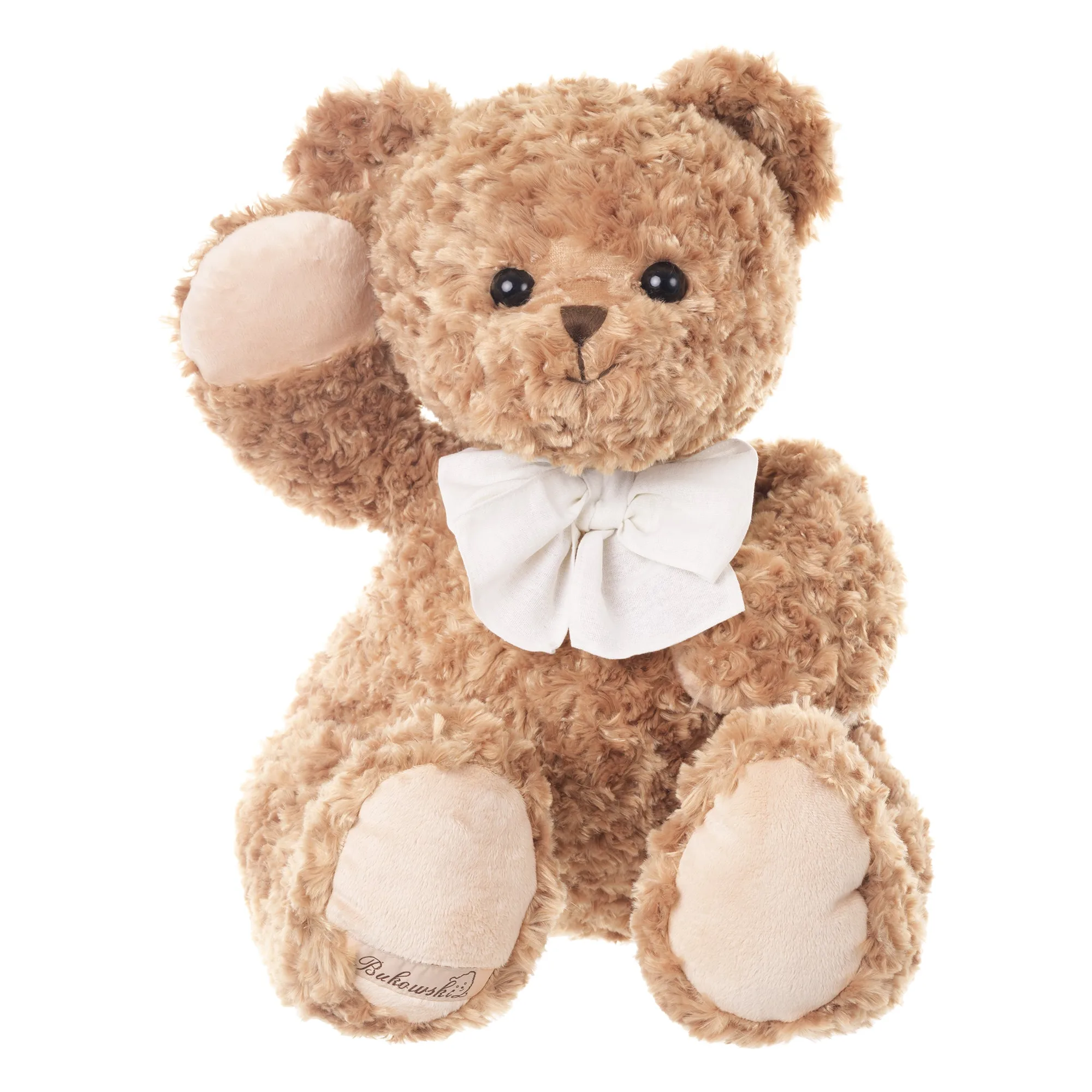
Wilhelm The Great, for example, features a welcoming smile and oversized paws that make him especially huggable. His 26-inch size is ideal for both children and adults who want a substantial companion.
How to choose a stuffed animal: decision rules
- Check the fabric label: Look for soft, washable materials like polyester or cotton. Avoid rough textures or non-washable items for children. Machine-washable plush are easier to keep clean and hypoallergenic.
- Inspect seams and attachments: Run your fingers along seams to feel for gaps. Ensure eyes and noses are embroidered or securely fastened—never glued. Double-stitched seams and embroidered features reduce choking risks.
- Assess filling and weight: Polyester fiberfill is lightweight and holds shape. Bean-filled toys add weight but may leak if damaged. Choose fiberfill for washability and longevity; bean fill for grounding weight.
- Consider size and use: Larger plush (20+ inches) are great for hugging; smaller ones (under 12 inches) suit travel or display. Match size to the recipient’s age and how they’ll use the toy.
- Look for safety certifications: Check for ASTM or EN71 labels on toys intended for infants or toddlers. Certified toys meet strict safety standards for small parts and materials.
Product highlights
-
Wilhelm The Great: Wilhelm The Great has big bear paws and a smiling face, measuring 26″ L × 15″ W. His large paws make him extra huggable, and the cheerful expression encourages emotional bonding—perfect for a lifelong friend.
Wilhelm The Great
Who should choose what?
Best for
- Parents seeking a safe, washable first plush for a baby or toddler
- Collectors who value durable construction and a friendly design
- Anyone wanting a large, huggable companion for comfort or decoration
Not for
- Buyers on a tight budget (quality plush often cost more than $50)
- Those needing a tiny travel toy (look for smaller options under 12 inches)