Quick answer
Start by naming the actual symptom: floor clutter, dust and odor, allergic reactions, or a collection that has outgrown its space. Then match the fix to the cause. Most homes need a three-part routine: a defined storage zone, a washable rotation of favorites, and a clear rule for what stays out. If you have tried all three and plush still takes over or triggers symptoms, reduce the number of items rather than buying more bins.
Plush toys are some of the hardest toys to store well because they are bulky, soft, and emotionally important. A bin that works for blocks fails for a stuffed bear, and a shelf that looks tidy can still leave dust and dander where a child sleeps. The result is a room that feels cluttered even after you clean.
This guide works backward from the symptom. Find the problem that matches your home, read the likely cause, and apply the corrective action. Where a fix stops being worth it, the diagnosis tells you to choose a different option instead of buying another organizer.
Symptom: plush toys cover the floor every day
If you pick up the same stuffed animals every evening, the problem is usually not a lack of storage. It is a lack of a defined home. Soft toys have no fixed shape, so they slide off shelves and get pulled out again during play. A deep toy box makes it worse because everything at the bottom becomes invisible and forgotten.
The corrective action is to create one visible, reachable zone and one long-term zone. The visible zone holds the current favorites, ideally no more than a child can carry in one trip. The long-term zone holds the rest and stays out of the daily play area. This split keeps plush toy organization realistic instead of aspirational.
- Use an open bin or low shelf for daily favorites so toys can be put away without a lid.
- Store the overflow in a lidded container in a closet, not in the middle of the playroom.
- Rotate the visible set every few weeks so the long-term bin still feels useful.
Symptom: plush toys look dusty, smell musty, or trigger sneezing
Dust, mustiness, and allergy symptoms usually point to one of three causes: the toys are stored in a damp or airless place, they have not been cleaned in a long time, or the sheer number of soft items in the room traps dust. Plush toy allergies are often reactions to dust mites and accumulated dust rather than to the fabric itself, so cleaning and reducing volume matter more than replacing every toy.
For stuffed animal cleaning, check the care tag before anything else. Many plush toys are surface-wash only, while others tolerate a gentle machine cycle. If a toy has electronics, a music box, or glued-on parts, keep it out of the wash. For surface cleaning, use a damp cloth with a small amount of mild soap, then air-dry completely before storing.
- Wash only what the care tag allows, and never machine-wash a toy with a battery pack.
- Dry plush completely before it goes back into a bin; trapped moisture causes musty smells.
- If sneezing continues after cleaning and thinning, move plush out of the bedroom and speak with a healthcare professional.
Symptom: the collection keeps growing and nothing fits
When storage fails because there is simply too much to store, the fix is a limit, not a larger bin. A useful rule is one in, one out: a new plush toy arrives only when an older one leaves the daily rotation. This keeps the collection at a size a child can actually manage and makes keeping plush toys tidy a habit rather than a weekly project.
Some plush items earn permanent status and should be treated differently from the rest. A comfort object that a child sleeps with belongs near the bed, not in a bin. Everything else can be rotated, donated, or packed away. If you cannot decide what to keep, ask which toys were touched in the last month.
- Set a container size as the limit, not a shelf or a room.
- Keep sleep and comfort items separate from the general collection.
- Review the collection at seasonal changes rather than every week.
Symptom: storage solutions keep failing within a month
If you have tried bins, nets, shelves, and vacuum bags and none of them lasted, the cause is usually a mismatch between the storage method and the child's age or routine. A hanging net works for older children who can reach it, but it fails for toddlers who pull it down. A vacuum bag protects against dust, but it removes toys from play, which defeats the purpose for a favorite.
Choose the method that matches how the toys are actually used. Daily favorites need open, low storage. Seasonal or sentimental items can be sealed and stored high. Anything in between should be rotated. If a system requires an adult to maintain it every day, it will fail; pick the one your household can sustain without reminders.
- Match the height of the storage to the height of the child.
- Avoid lids and latches for anything used daily.
- Choose sealed storage only for items that are genuinely out of rotation.
When to stop organizing and start reducing
There is a point where more storage is the wrong answer. If every closet is full, if cleaning takes longer than playing, or if allergy symptoms persist after washing and removing plush from the bedroom, the collection is larger than the space and routine can support. At that point, thinning the collection solves more than any product can.
Reducing does not mean throwing everything away. It means choosing a smaller set of favorites to keep accessible and storing or passing on the rest. That decision is easier when you involve the child and set a clear limit, such as the size of one bin. Once the limit is set, storage becomes simple because there is less to store.
- If cleaning takes more than ten minutes a day, the volume is the problem.
- If symptoms continue after cleaning, reduce plush in sleeping areas first.
- If no bin fits the collection, the collection is the constraint, not the bin.
Diagnosis: match the symptom to the fix
- Floor clutter every day: Cause: no defined home for daily favorites. Action: create one open, reachable bin for the current rotation and store the rest out of the play area. If the bin is full within a week, the collection is too large for the routine.
- Dust, musty smell, or sneezing: Cause: infrequent cleaning, damp storage, or too much soft material in the room. Action: check care tags, surface-clean or wash what is allowed, dry completely, and move plush out of sleeping areas. If symptoms continue after cleaning and reducing, treat it as a health question, not a storage question.
- Storage systems keep failing: Cause: the method does not match the child's age or the toy's daily use. Action: use low open storage for daily items and sealed storage only for out-of-rotation items. If a system needs daily adult maintenance, choose a simpler one.
- Every closet is full: Cause: volume exceeds the space. Action: set a container-size limit, keep comfort items separate, and reduce the rest through rotation or donation. Stop buying organizers and start thinning the collection.
Product details that help with plush storage and care
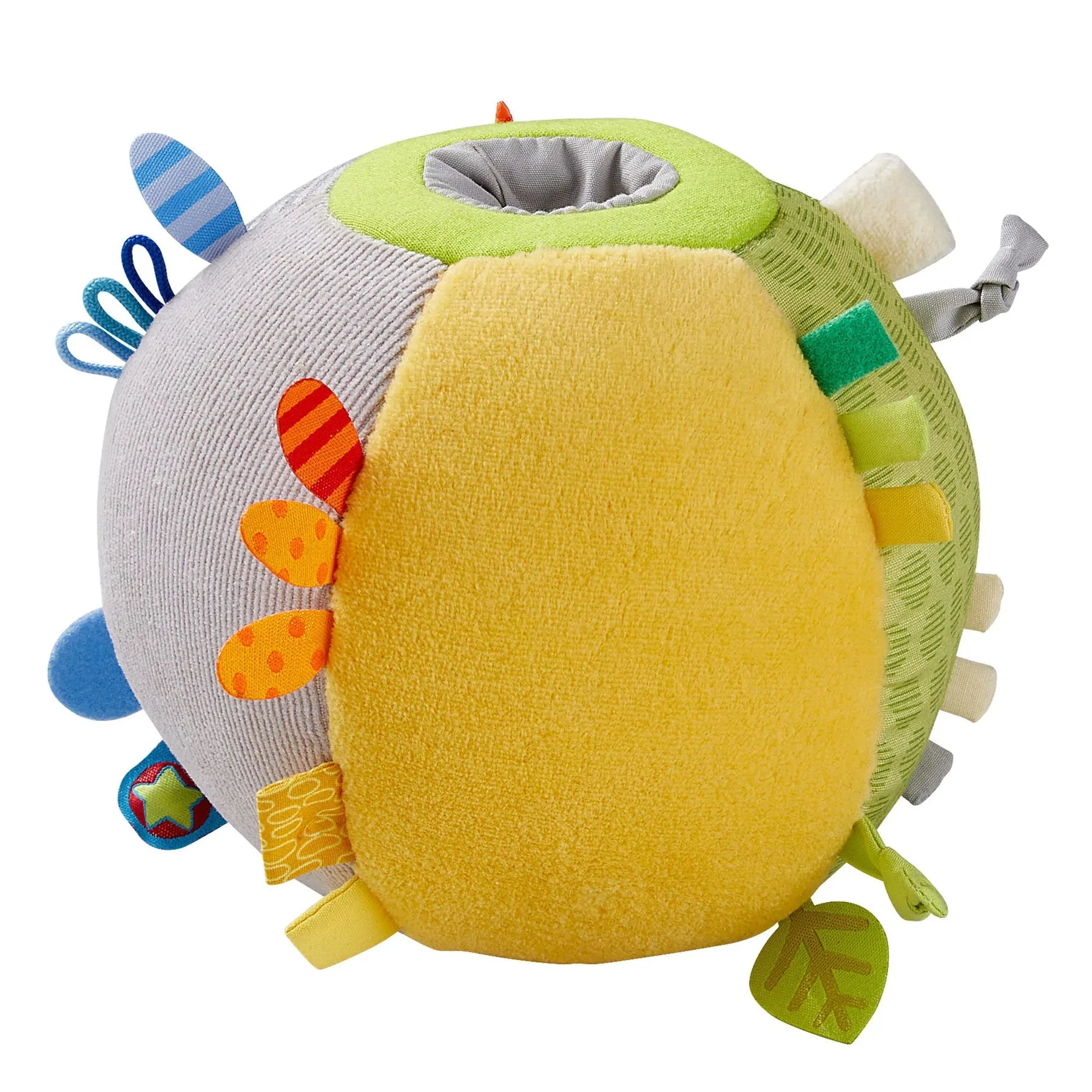
- Discovery Ball Everything Under Control: This sensory toy has tags and loops, a soft interior lining, and an interior rattle, and it encourages tummy time and crawling when it rolls out of reach. Loops and tags give you something to hang or clip the toy to a stroller or play mat, which keeps one soft item off the floor and out of the general plush pile.
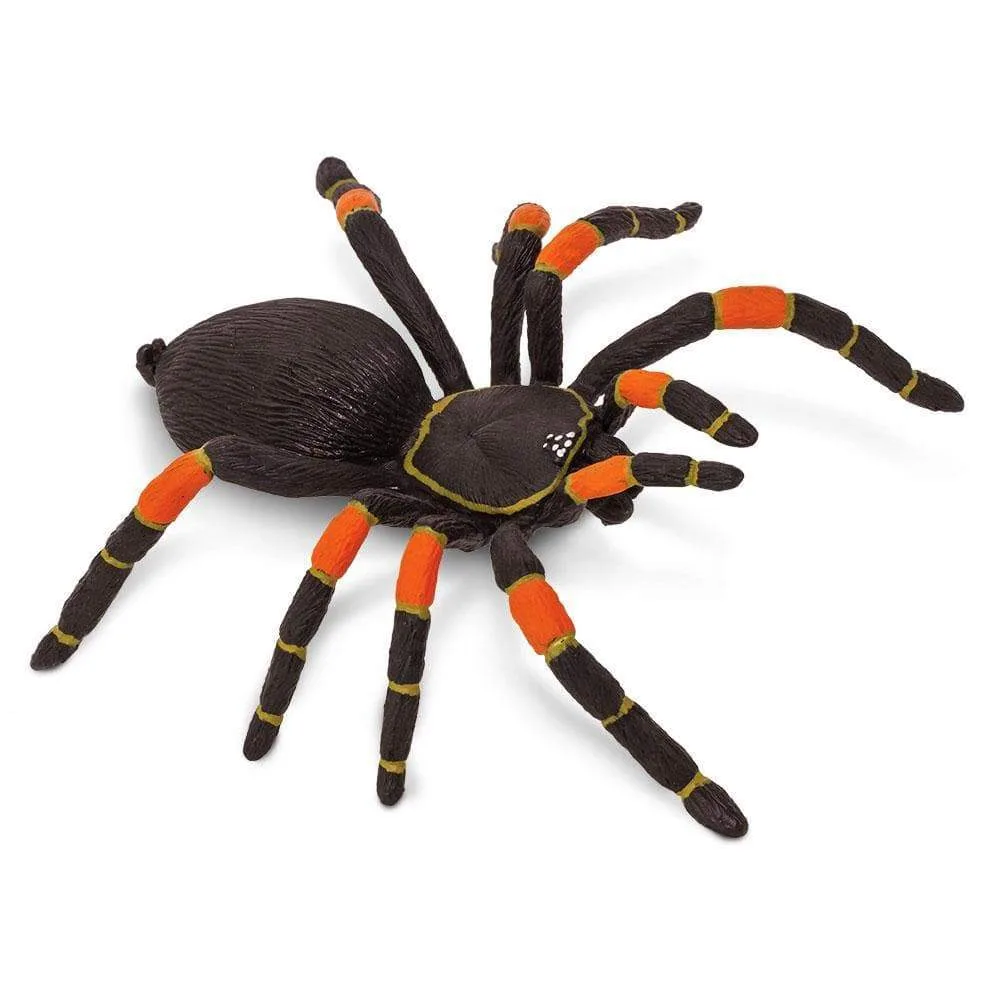
- Orange-kneed Tarantula Toy: The orange-kneed tarantula is primarily native to Mexico and is known for being docile and relatively harmless, with a very long lifespan. A hard figurine like this does not collect dust the way plush does and does not need washing, so it is a practical alternative when allergies or cleaning routines make soft toys difficult to manage.
- Wooden Egg Cup & Soldiers - 6 Piece Set: This 6-piece set is made from solid wood with non-toxic water-based colors and includes a wooden egg with a magnetic top, two hand-painted solid wood soldiers, and hand-stitched felt wings. Solid wood toys wipe clean with a damp cloth and hold their shape on a shelf, which reduces the amount of soft, dust-trapping material in a play area.
Stuffed animal storage works best when it follows the symptom instead of the shelf. Define one daily zone, clean according to the care tag, and set a limit you can maintain. When plush still takes over or triggers symptoms after those steps, reduce the collection rather than adding another bin.