Quick answer
Subscription box fatigue happens when the number of boxes you receive outpaces the value they add to your life. To fix it, list every active subscription, calculate the total monthly cost, and cancel any box that you haven't opened, used, or enjoyed in the last two months. Keep only the ones that consistently deliver joy, utility, or a clear purpose.
If you've ever felt a small pang of dread instead of excitement when a subscription box arrives, you're not alone. Subscription box fatigue is real, and it often creeps in gradually as boxes pile up. What started as a fun treat can turn into clutter, wasted money, and a nagging sense of obligation.
The good news is that you don't have to cancel everything or feel guilty about trimming the list. This guide will help you diagnose the problem, decide which subscriptions to keep, and manage your subscription box budget without losing the joy of a good delivery.
Symptom: The boxes stack up unopened
One of the clearest signs of subscription box overload is a growing pile of unopened boxes. If you routinely set a new delivery aside 'for later' and later never comes, the box is no longer serving you. It's not about being ungrateful; it's about mismatch. The contents may be duplicates, off-season, or simply not aligned with your current interests. When unopened boxes become a chore, it's time to reassess.
Another symptom is forgetting what you're subscribed to. If you can't name every active box without checking your email or bank statement, you likely have too many subscriptions to manage comfortably. That lack of awareness often leads to paying for boxes you no longer want.
- Count how many subscription boxes arrived in the last 30 days.
- Check how many are still unopened or unused after two weeks.
Likely cause: You subscribed for the idea, not the ongoing reality
Many subscriptions start with a specific goal: learn a new skill, discover new snacks, or treat yourself monthly. But life changes. A box that thrilled you a year ago may now feel repetitive or irrelevant. The cause isn't that you're fickle; it's that subscription boxes are designed to be convenient, and convenience can mask declining value. You keep paying because canceling takes effort, not because the box still delivers.
Budget creep is another common cause. Each individual box may seem affordable, but when you add them up, the total can rival a significant monthly expense. Without a clear subscription box budget, it's easy to lose track of how much you're actually spending on recurring deliveries.
- Review your bank statement for recurring charges labeled 'subscription' or the brand name.
- Ask yourself: if I saw this box in a store today, would I buy it with my own money?
Corrective action: Run a keep-or-cancel audit
Set aside 20 minutes to list every subscription box you currently receive. For each one, note the monthly cost, what you actually get, and the last time you felt genuinely excited about it. Then apply a simple rule: if you haven't used or enjoyed the last two deliveries, cancel it. If you're on the fence, pause the subscription for one month instead of canceling outright. A pause gives you a low-risk trial separation.
When deciding which subscriptions to keep, prioritize boxes that serve a clear, ongoing need. For example, a seasonal skincare box for sensitive skin can be worth keeping if it helps you avoid buying full-sized products that might irritate your skin. A monthly baby toy box can be worth keeping if it consistently delivers age-appropriate developmental toys you'd otherwise research and buy yourself. The key is that the box must solve a problem or bring reliable joy, not just fill a shelf.
- Use the 2-month rule: no use or joy in two deliveries means cancel.
- Pause instead of cancel if you're unsure, then reassess after one month.
- Set a calendar reminder to review your subscriptions every quarter.
When to stop or choose another option
If you've canceled the obvious duds but still feel overwhelmed, consider whether the problem is the number of boxes or the type. Sometimes swapping several niche boxes for one broader box can reduce decision fatigue. For example, if you have multiple beauty sample boxes, one seasonal eczema-friendly box might cover your skincare discovery needs without the clutter. Similarly, if you're buying separate toy boxes for different ages, a single age-tailored monthly box may simplify your routine.
If you've tried pausing and swapping but still feel dread, it may be time to stop subscription boxes altogether for a season. There's no rule that says you must have any. You can always resubscribe later when a specific need arises. The goal is to make your subscriptions work for you, not the other way around.
- If more than half your boxes feel like obligations, consider a full reset.
- Try a no-subscription month and see if you miss the deliveries.
Subscription box fatigue diagnosis
- Symptom: You feel dread, not delight: The arrival of a box feels like a chore or a reminder of money spent rather than a pleasant surprise. This is the clearest signal that the subscription no longer fits your life.
- Likely cause: Unmanaged budget creep: Small monthly charges add up, and without a subscription box budget, you may not realize how much you're spending until it's significant. Calculate your total monthly subscription spend to see the real picture.
- Corrective action: Pause or cancel with a rule: Apply the 2-month rule: if you haven't used or enjoyed the last two deliveries, cancel. If unsure, pause for one month. Keep only boxes that consistently deliver clear value or joy.
- Stop point: When more than half feel like obligations: If the majority of your boxes feel like chores, a full reset may be healthier than trying to optimize a bloated list. It's okay to take a break from all subscription boxes and revisit later.
Examples of subscriptions that can earn their keep
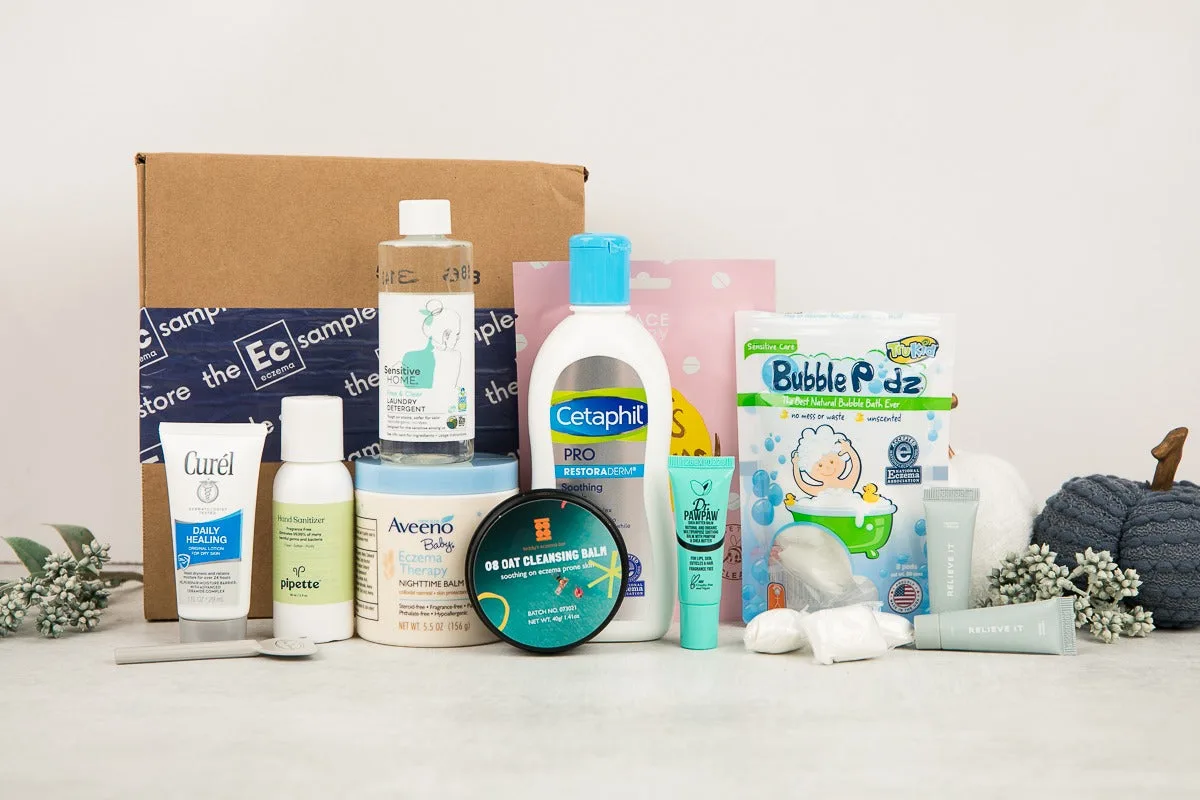
- Seasonal Eczema Boxes: Each season, the Eczema Sample Store ships a box of skincare items suited for individuals with eczema and sensitive skin, so you can sample products without paying for full-sized items that might irritate your skin. If you have sensitive skin, this box can replace trial-and-error purchases and reduce waste, making it a strong candidate to keep if it consistently introduces products you actually use.
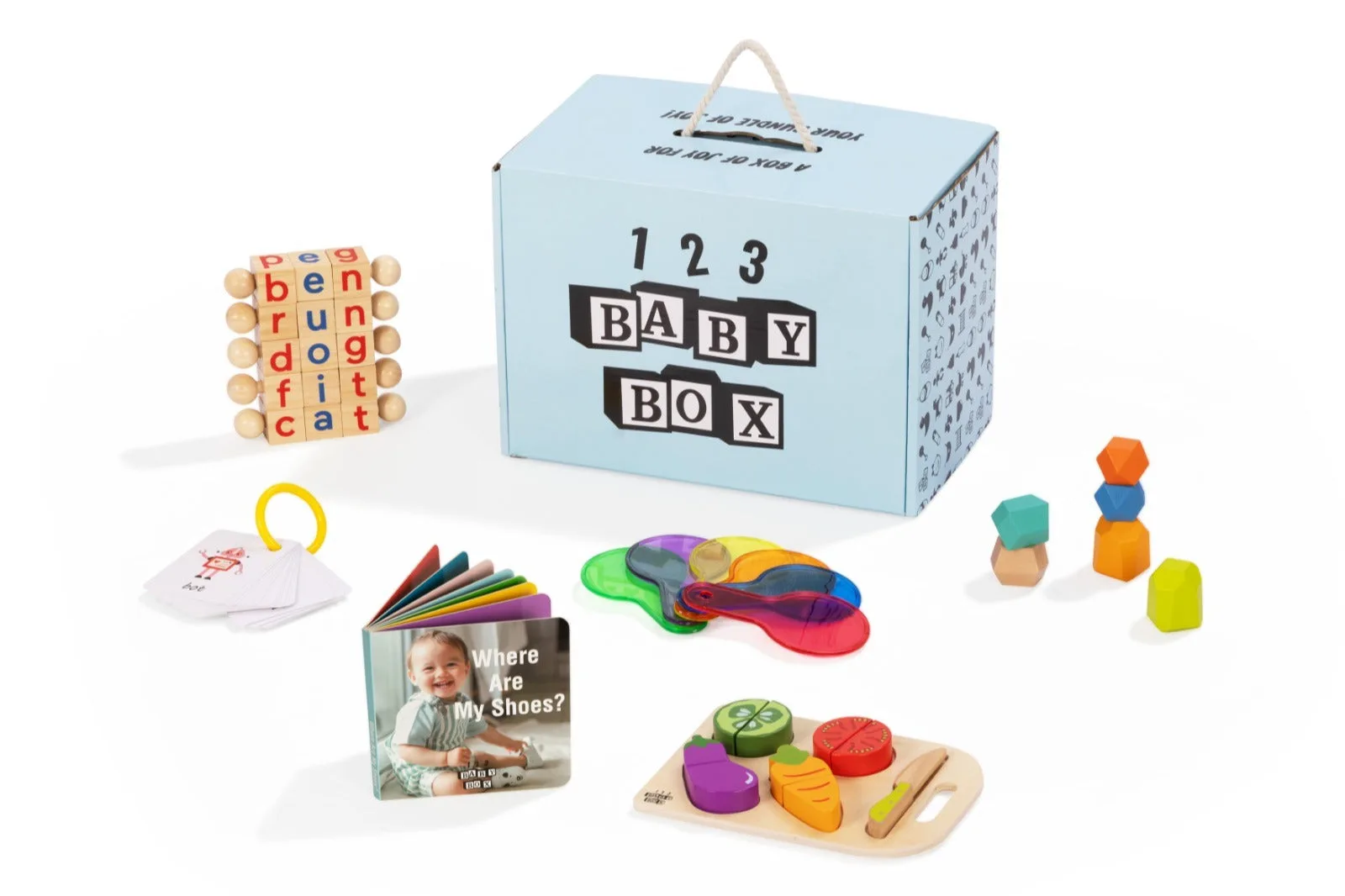
- 123 Baby Box (34-36 Months Box): A monthly subscription box for babies aged 0-3 years with 6-8 high-quality toys made from sustainable wood and no harmful plastic, tailored to the baby's age and developmental stage. For parents, this box can eliminate the need to research and buy age-appropriate toys separately, so it may be worth keeping if the toys are consistently used and enjoyed.
- Try Me Holiday Box: A curated selection of holiday non-alcoholic drink mixes that lets you try new flavors and unleash your inner mixologist. If you enjoy hosting or experimenting with drinks, this box can be a fun seasonal treat, but it's likely a candidate to pause outside the holiday season to avoid fatigue.
Subscription box fatigue isn't a sign you've failed; it's a sign your preferences have evolved. By auditing your boxes, setting a budget, and applying a simple keep-or-cancel rule, you can turn a source of stress back into a source of joy. Keep what serves you, pause what doesn't, and don't be afraid to start fresh.