Quick answer
For most babies and toddlers, a suction plate wins during the messy learning phase because it stays put and keeps foods separate. A regular bowl works better once your child can eat without flipping dishes, or for soups and cereals. Many families use both: suction plates for meals, regular bowls for snacks and on-the-go.
Why suction plates usually win for babies and toddlers
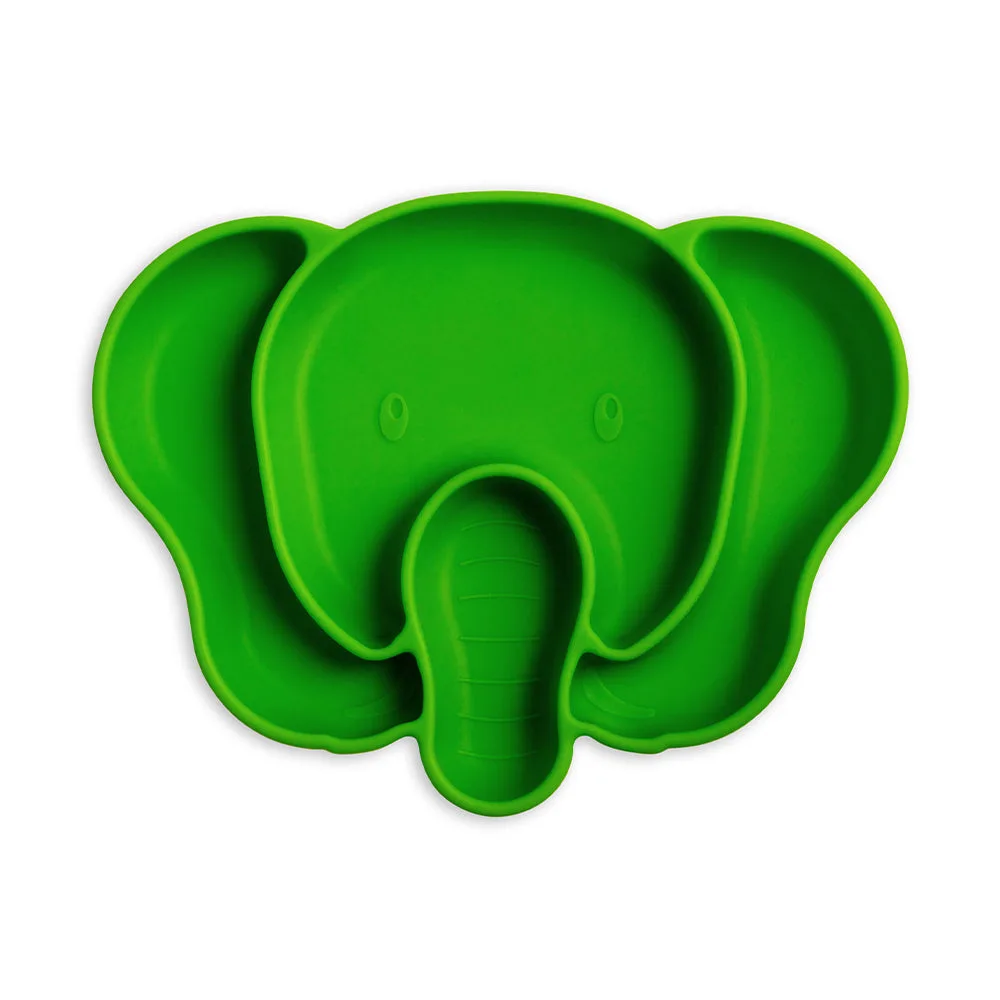
Suction plates are designed to stay in place on smooth surfaces, which reduces flipping, throwing, and food mixing. The Millie the Monkey Suction Plate has a sturdy suction base and compartments sized for infant and toddler portions, so you can serve different foods without them running together. For babies learning to scoop, the easy-scoop sections help them retrieve food without frustration.
Regular bowls, by contrast, are lightweight and easy to tip. They work well for older kids who have mastered self-feeding, but during the throwing phase they often end up on the floor. If you're dealing with a plate-flinging toddler, a suction plate is the more practical choice for most meals.
When a regular bowl makes more sense
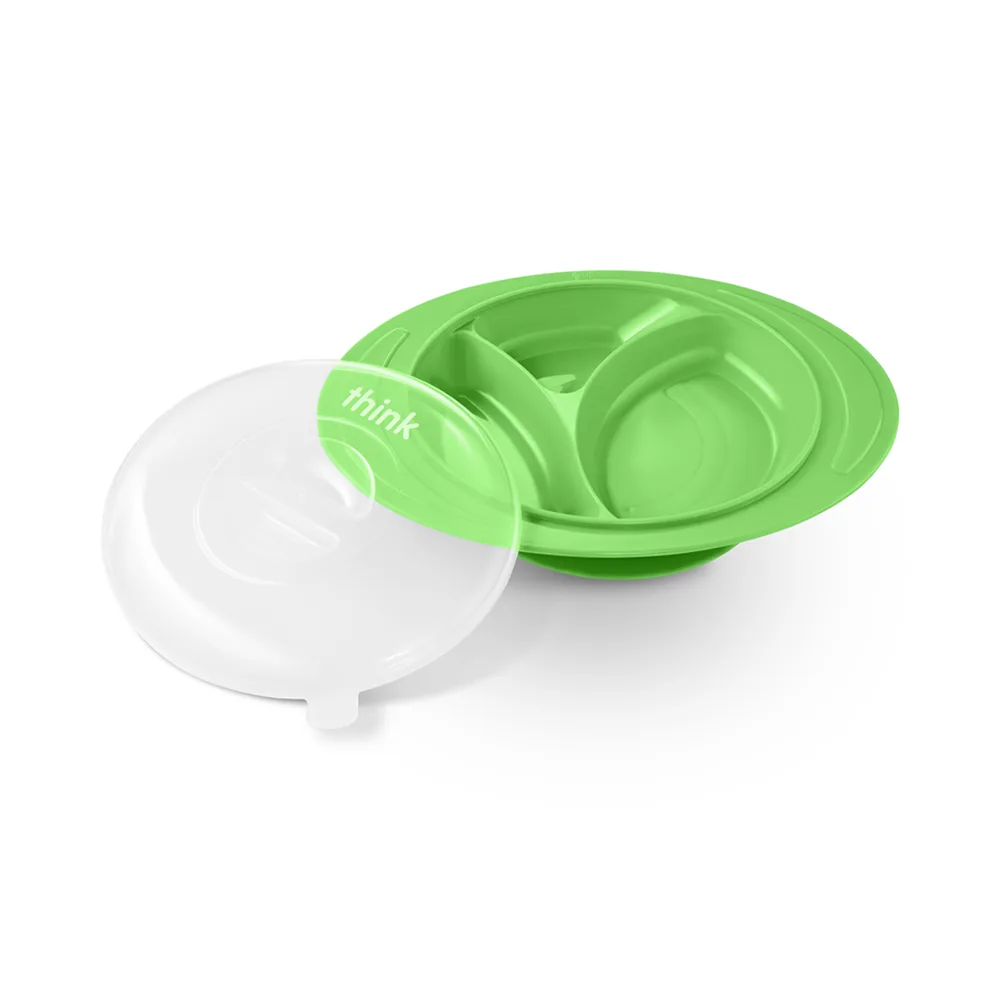
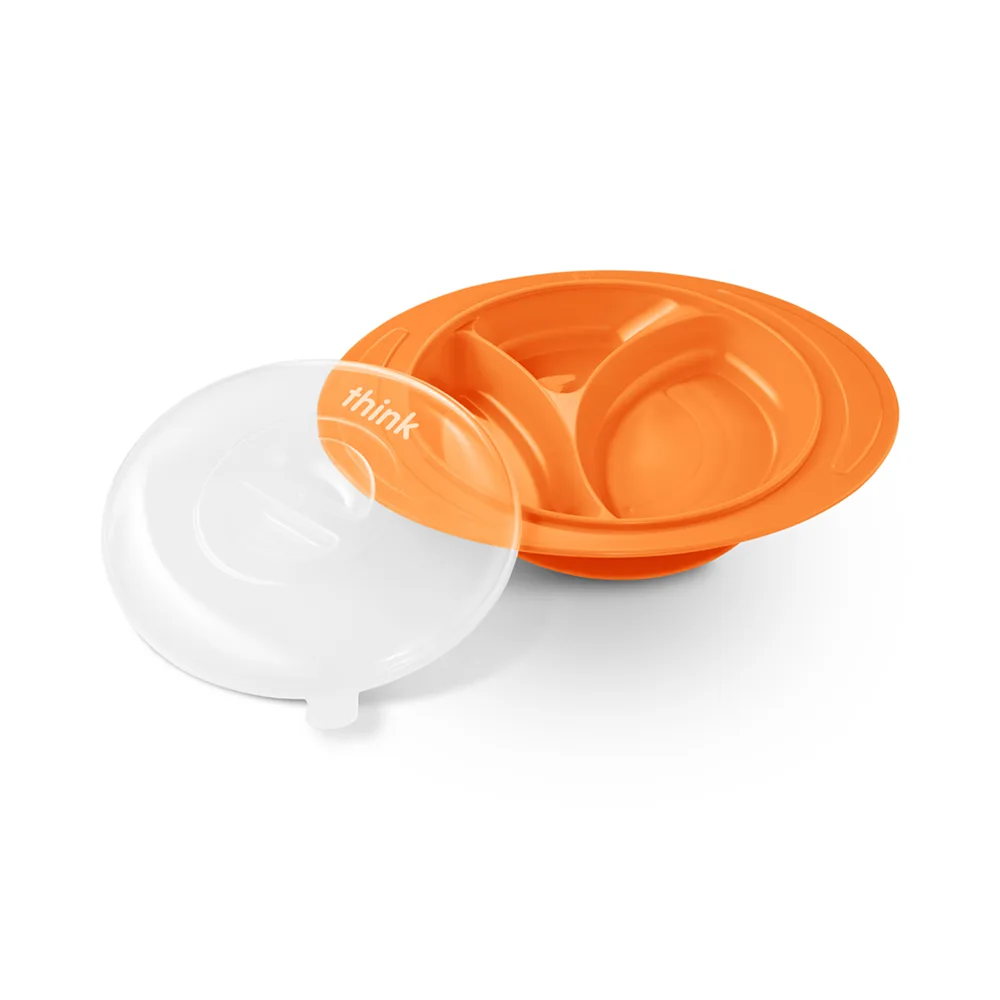
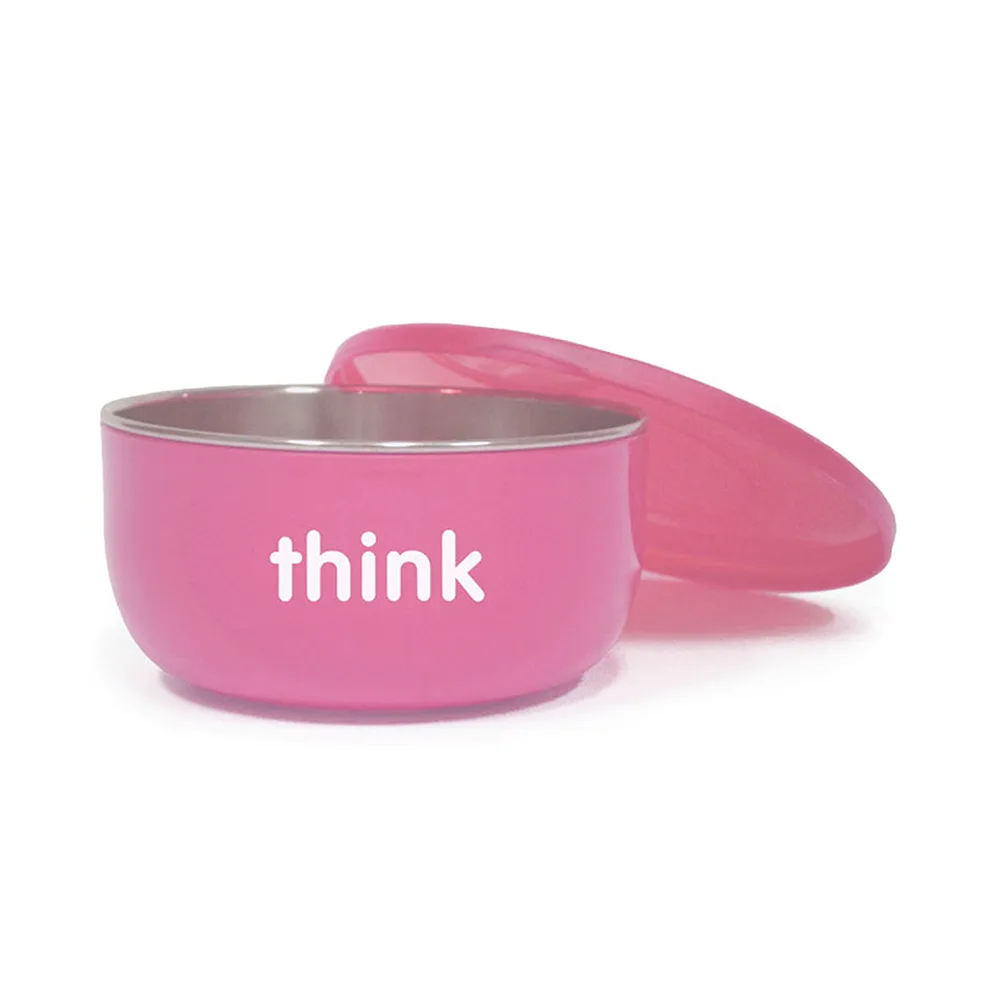
Regular bowls are better for liquids like soup or cereal, and they're easier to pack for travel or daycare because they're lighter and stack neatly. The BPA Free Cereal / Soup Bowl - Pink is designed for on-the-go use and has a lid, making it a good fit for snacks or meals outside the home. It's also a good option for older children who no longer need suction.
Another advantage: regular bowls often have deeper sides, which helps keep loose foods like rice or pasta contained. Suction plates tend to be shallower with compartments, which is great for finger foods but less ideal for saucy or soupy meals.
Key trade-offs at a glance
Suction plates offer stability and portion control but can be harder to clean around the suction base and may not stick to textured surfaces. Regular bowls are versatile and easy to clean but don't stay put during the learning phase. Your choice depends on your child's age, eating style, and where you're feeding them.
Trade-offs to weigh
- Stability vs. portability: Suction plates stay put but are bulkier to pack. Regular bowls are lightweight and stackable but tip easily. Choose suction for home meals, regular for travel.
- Compartment vs. depth: Suction plates often have compartments for portioning, while regular bowls are deeper for liquids and mixed dishes. Match the dish to the food: compartments for finger foods, bowls for soups and cereals.
- Cleaning and surface compatibility: Suction bases can trap food and may not stick to textured tables. Regular bowls are simpler to clean but offer no grip. Check your table surface and washing routine before committing to one style.
Product facts
- Millie the Monkey Suction Plate: Millie the Monkey Suction Plate has a sturdy suction base that keeps the plate in place, even when a toddler tries to fling it. Compartments are sized for infant and toddler portions, with easy-scoop sections to retrieve food without mixing. This design directly addresses the throwing and mixing problems common during baby-led weaning and toddler meals.
- BPA Free Cereal / Soup Bowl - Pink: BPA Free Cereal / Soup Bowl - Pink is designed to be sustainable and great for on the go, with a slightly pink lid for easy access. It's free of BPA, phthalates, melamine, PET, and other biologically harmful chemicals. A lightweight, lidded bowl is more practical for travel and liquids, and the material safety gives peace of mind.
Which should you choose?
Best for
- Babies and toddlers in the throwing phase who need dishes that stay put
- Baby-led weaning and meals where portion separation matters
- Parents who want to reduce mealtime mess and frustration
Not for
- Older children who eat neatly and prefer lightweight dishes
- Serving soups, cereals, or other liquids that need deep sides
- Travel or daycare where packability is the priority