Quick answer
Choose suede heels by walking surface first, then heel height, then fit. A block heel or a heel under three inches in a structured suede is the most comfortable for all-day wear, while a stiletto in soft suede is a short-event shoe. Always size for the ball of your foot, not the length, and check the nap and lining before you commit.
Suede heels are the quiet workhorse of a dressed-up wardrobe: matte, soft, and easier to pair than patent. The trade-off is that suede shows wear differently than smooth leather, so the buying decision matters more than the styling decision. Get the nap, heel, and fit right and a single pair can cover office days, dinners, and weddings.
This guide walks through the four things that actually change how a suede heel feels after an hour of standing: the surface you walk on, the heel shape and height, the lining and insole, and how the shoe fits across the ball of your foot. It also covers when to skip suede entirely.
Match the heel to the surface you walk on most
Where you walk decides more than how the heel looks. A slim stiletto sinks into grass, grates, and cobblestone, and it wears unevenly on concrete. A block or stacked heel spreads your weight and stays stable on pavement, which makes it the better pick if your day includes a commute, a train platform, or a long walk from parking.
If most of your suede heel wearing happens indoors — carpeted offices, restaurants, event venues — a slimmer heel is fine and looks sharper with tailored trousers and midi skirts. If you split your time between both, a mid-height block heel is the compromise that gets worn most often.
- Concrete or long walks: block or stacked heel.
- Grass, gravel, or cobblestone: block heel only.
- Indoor events and carpet: slim heel is workable.
- Mixed use: a mid-height block heel earns its space.
Heel height: the three-inch rule of thumb
For most people, a heel up to about three inches keeps the foot in a natural position and can be worn for several hours. Past that, weight shifts onto the ball of the foot and comfort depends on the insole and platform rather than the suede itself. A platform under the toe can offset a higher heel, but it adds weight and changes how you walk.
Consider total elevation, not just the heel. A two-inch heel with a thin sole feels very different from a two-inch heel with cushioning. If you are choosing your first pair of comfortable suede heels, start lower than you think you need and add height later once you know how your feet respond.
- Under 2 inches: easiest to wear all day.
- 2 to 3 inches: the practical sweet spot for most wardrobes.
- Over 3 inches: treat as an event shoe unless the insole is genuinely cushioned.
- Platforms add height but also weight and a different walking gait.
Nap, finish, and how suede ages
Suede has a raised nap, which is why it looks soft and why it shows scuffs, water spots, and shine differently than smooth leather. Dark colors hide marks better than light ones, and a tighter, shorter nap resists flattening. Smooth, brushed suede tends to look more polished; nappier suede reads more casual.
Because suede is porous, plan on protecting it before the first wear and brushing it after each use. That routine keeps the nap lifted and prevents the shiny patches that make suede look tired. If you want a low-maintenance heel you can wipe with a damp cloth, smooth leather will serve you better than suede.
- Dark suede hides scuffs; light suede shows every mark.
- Shorter nap looks dressier and holds shape longer.
- Protect before first wear and brush after each use.
- Choose smooth leather instead if you want wipe-clean care.
Fit checks that matter more than size
Heel fit is about three points: the ball of the foot, the heel counter, and the instep. The widest part of your foot should sit at the widest part of the shoe with no pinching. Your heel should stay put when you walk — a small amount of lift is normal, but a heel that slides out will rub and cause blisters.
Suede has less stretch than smooth leather, so it will not mold to your foot the way calf leather does. If you are between sizes, size up and use a thin insole rather than sizing down and hoping the suede gives. Try heels on at the end of the day when feet are at their largest, and walk on a hard floor, not carpet.
- Check the ball of the foot first — that is where pinching starts.
- Walk ten steps; your heel should not slip out.
- Suede stretches less than smooth leather — do not size down.
- Try on late in the day and on a hard surface.
Decision rules for buying suede heels
- Rule 1: Pick the heel by surface, not by photo: If most of your walking is outdoors on concrete or uneven ground, choose a block or stacked heel. If it is indoor events and carpet, a slim heel is fine. Checkpoint: name the surface you will walk on most before you choose the heel shape.
- Rule 2: Cap the height at three inches unless the insole earns more: Under three inches suits most people for several hours. Above that, only choose the heel if the insole and platform genuinely support the ball of your foot. Checkpoint: if you cannot stand in them for five minutes in the store, they are an event shoe.
- Rule 3: Size to the ball of the foot, never the length: Suede stretches less than smooth leather, so a snug ball of the foot will not loosen much. If you are between sizes, size up and add a thin insole. Checkpoint: walk ten steps on a hard floor and confirm your heel does not slip out.
- Rule 4: Accept the maintenance or choose leather: Suede needs protection before first wear and brushing after use. If you will not do that, a smooth leather heel will look better for longer with less effort. Checkpoint: decide honestly whether you will maintain suede before you buy it.
Catalog examples worth studying
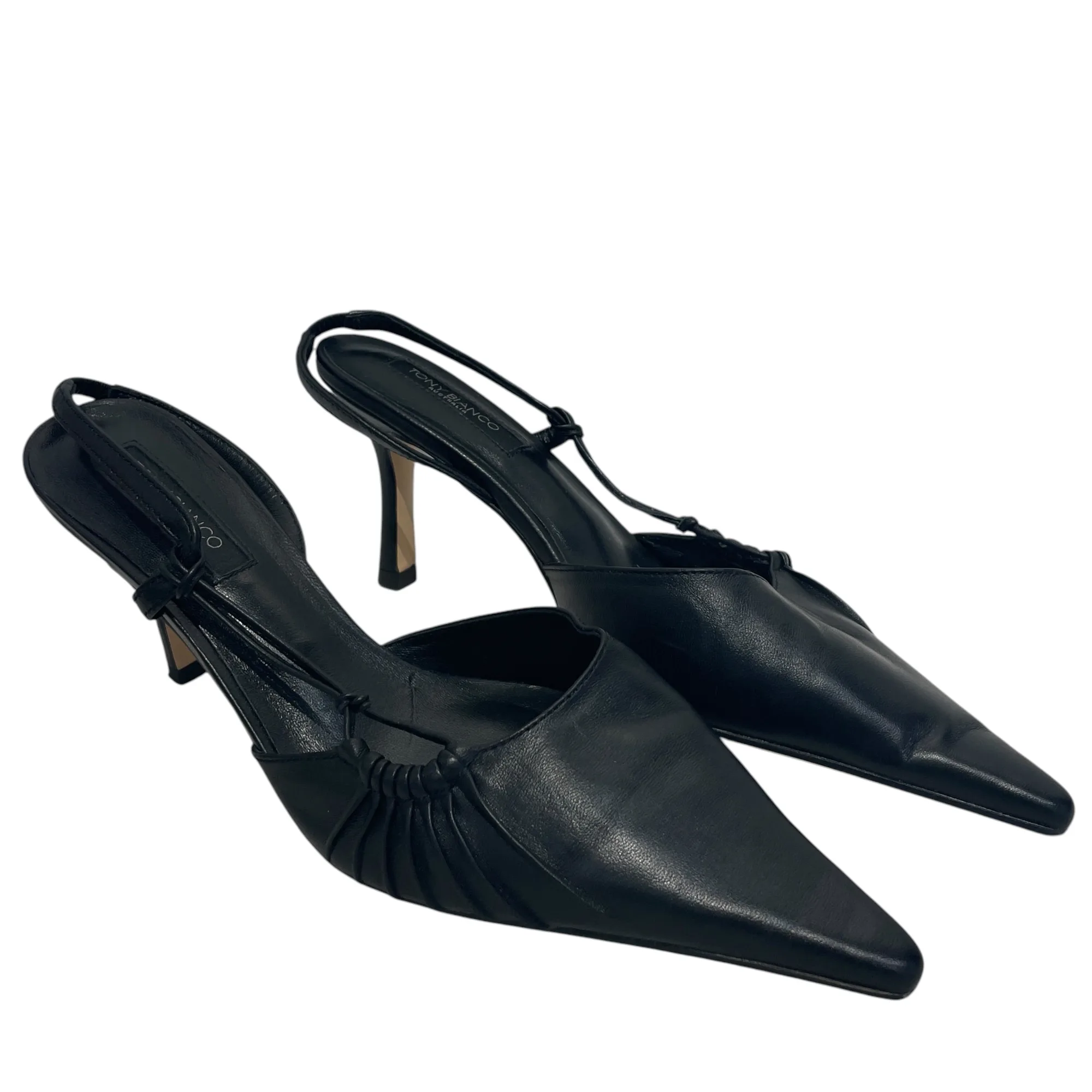
- TONY BIANCO/Heels/US 8/Leather/BLK/SAKAI BLACK NAPPA HEELS: Size US 8, black, leather, listed at USD 54.95 against a catalog comparison price of USD 109.90. A concrete reference point for a black leather heel in a single stated size — useful for comparing how a leather finish and a fixed size line up with your own fit needs.
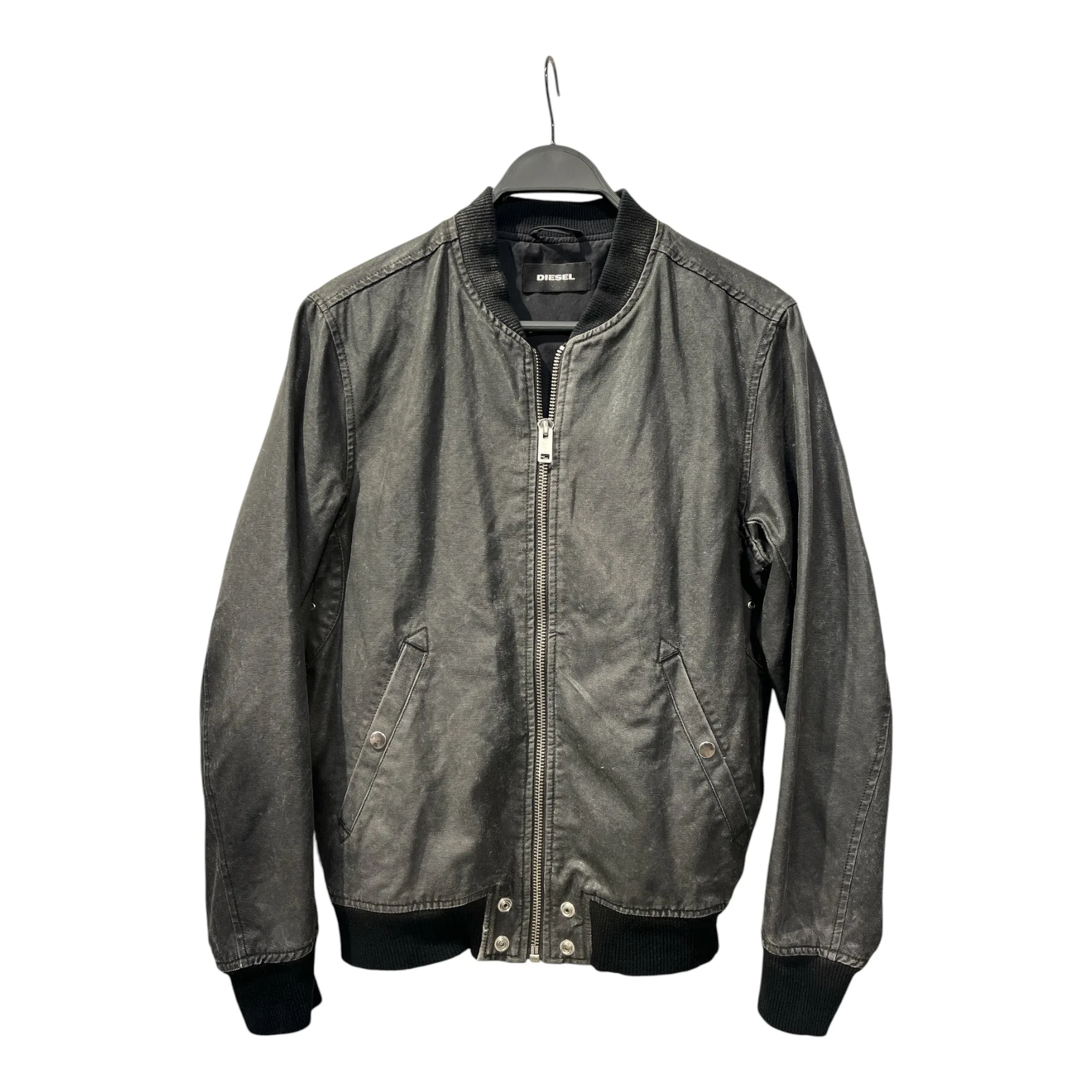
- DIESEL/Jacket/M/Cotton/GRY/DARK GREY WAXED BOMBER: Size M, cotton, dark grey, condition used like new, with measurements of 28-inch length and 22-inch chest, listed at USD 174.95 against a catalog comparison price of USD 349.90. Shows how the catalog lists measurements rather than vague sizing — the same habit you should apply to heels by checking stated size and any width details before buying.
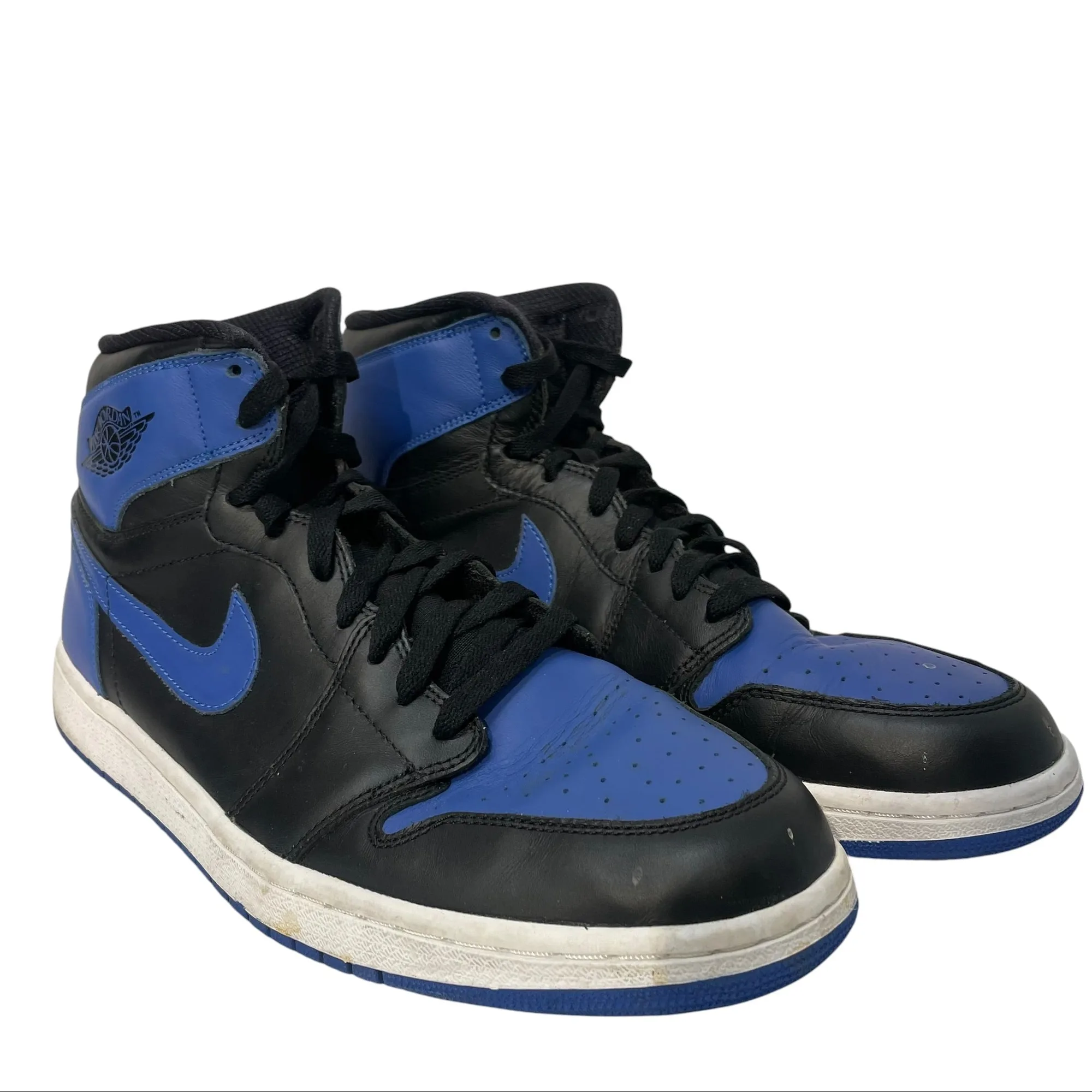
- NIKE/AIR JORDAN 1 RETRO HIGH OG/Hi-Sneakers/US 12/Border/Leather/BLU/555088-085: Size US 12, blue, leather, condition used good, listed at USD 39.95 against a catalog comparison price of USD 79.90. An example of how condition grades and stated sizes appear in the catalog, so you can read footwear listings the same way whether you are buying heels or sneakers.
Who suede heels suit — and who should choose something else
Best for
- Shoppers who want a matte, versatile heel for office days, dinners, and indoor events
- People willing to protect and brush suede to keep the nap looking fresh
- Anyone who walks mostly on carpet, smooth pavement, or short indoor distances
Not for
- Shoppers who want a wipe-clean heel with minimal upkeep — smooth leather is the better choice
- Anyone regularly walking on grass, gravel, or cobblestone in a slim heel
- People who need to size down for a snug fit, since suede stretches less than smooth leather
Buy suede heels for the life you actually have: match the heel to your walking surface, keep the height within what your feet tolerate, and fit to the ball of your foot rather than the length. Do that, protect the nap, and a well-chosen pair will stay comfortable and look sharp for years.