Quick answer
Clean your suitcase after every few trips, store it empty and dry, and treat wheels, zips, and handles as wear parts that need occasional attention. For hard-shell cases, focus on shell scratches and wheel housing; for soft cases, focus on fabric stains and zip lubrication. These habits, not expensive products, are what make luggage last longer.
Most suitcases do not fail because they are cheap. They fail because grit, moisture, and rough handling are left to work away at wheels, zips, and shells between trips. A simple suitcase care guide is usually enough to add years of use.
This guide covers hard suitcase care and soft suitcase care in one routine. You will find an ordered process you can follow in an afternoon, plus the common mistakes that quietly shorten a bag's life.
Why luggage maintenance matters more than you think
A suitcase takes more punishment than almost anything else you own. It is dragged over curbs, thrown onto belts, and crammed into overhead bins. The damage is rarely dramatic. It is the slow kind: grit grinding inside wheel housings, sand trapped in zip teeth, and damp fabric left to sit in a closet.
Luggage maintenance is mostly about removing those small stressors before they compound. You do not need special kits. A soft brush, a damp cloth, and ten minutes after each trip cover most of it. The rest is storage discipline.
- Check wheels and zips first. They are the parts most likely to fail and the easiest to maintain.
- Never store a suitcase while it is still damp inside or out.
What to check before you clean anything
Before you reach for a cloth, empty every pocket and compartment. Small items left behind, like a leaking toiletry or a forgotten snack, cause more damage than dirt. Open the case fully and let it air for an hour if it smells musty.
Then inspect the wear points: wheels, telescopic handle, zip pulls, and the shell or fabric around the corners. Note anything that catches, sticks, or looks frayed. Catching a stiff zip now is far cheaper than replacing a case later.
- Photograph any existing damage before you clean so you can track whether it worsens.
- If a wheel wobbles or a zip splits, stop and deal with that before cosmetic cleaning.
How to clean a hard-shell suitcase
Hard suitcase care starts with a soft, damp cloth and a mild soap. Wipe the shell in sections rather than soaking it, and avoid abrasive pads that leave micro-scratches. For scuffs, a little warm soapy water usually lifts them without harsh chemicals.
Pay attention to the wheel housings and the area around the zip. Grit collects there and slowly wears the moving parts. A dry toothbrush or small brush loosens it so you can wipe it away. Dry the case fully before closing it.
- Do not use solvent-based cleaners on polycarbonate or polypropylene shells.
- Check the shell around the corners where impact damage usually shows first.
How to clean a soft-sided suitcase
Soft suitcase care is mostly about fabric. Brush off dry dirt first, then spot-clean stains with a damp cloth and mild detergent. Blot rather than scrub so you do not push the stain deeper into the weave or fray the surface.
Zips on soft cases collect lint and grit in the teeth. Run a dry brush along them, then work the pull back and forth. If a zip feels stiff, a dedicated zip lubricant or a light rub of wax helps, but never force a stuck pull.
- Test any cleaning product on a hidden area first.
- Let fabric dry completely in the open air, away from direct heat.
Wheels, handles, and zips: the parts that decide how long luggage lasts
Wheels are the most common failure point on any suitcase. Clean them after trips where you rolled through sand, gravel, or wet streets. Hair and thread wrap around the axle and cause drag, which makes you pull harder and stresses the housing.
Handles and zips need less frequent attention but benefit from the same logic. Wipe the telescopic handle shafts so they slide smoothly, and keep zip teeth clear. If a handle feels loose, tighten or have it checked before it fails mid-trip.
- Spin each wheel by hand and listen for grinding or uneven rotation.
- Do not over-lubricate zips. Excess oil attracts dirt.
Storage habits that prevent most damage
Store suitcases empty, clean, and fully dry. A closed case with residual moisture grows mildew, especially in humid climates. Leave it open for a day after cleaning, then close it loosely rather than compressing it.
If you stack cases, put the heaviest at the bottom and avoid resting weight on wheels or handles. A dust cover or luggage cover keeps grit off the shell and protects the finish between trips.
- Store in a cool, dry place rather than a damp basement or hot attic.
- Avoid hanging a heavy case by its handle for long periods.
Your suitcase care routine, step by step
- Empty and air the case: Remove everything from every compartment, open the case fully, and let it air for at least an hour. Check for leaks, crumbs, or damp items you missed. Mistake to avoid: closing a damp case and storing it, which traps moisture and odor.
- Inspect wheels, zips, and handles: Spin each wheel, run zips along their full length, and extend the handle. Note anything that sticks, grinds, or feels loose before you clean. Checkpoint: if a wheel wobbles or a zip splits, address that before cosmetic cleaning.
- Clean the shell or fabric: For hard shells, wipe with a damp cloth and mild soap. For soft fabric, brush off dry dirt first, then blot stains with a damp cloth. Never soak the case. Mistake to avoid: using abrasive pads or solvent cleaners that dull the finish.
- Clear the wheels and zip teeth: Use a dry brush or toothbrush to remove grit, hair, and lint from wheel housings and zip teeth. Wipe away the debris rather than pushing it deeper. Checkpoint: wheels should spin freely by hand with no grinding sound.
- Dry completely: Leave the case open in a well-ventilated spot away from direct heat until it is dry inside and out. Dampness is the main cause of mildew and musty smells. Mistake to avoid: using a hairdryer or radiator, which can warp shells and damage fabric.
- Store it properly: Store empty, dry, and loosely closed in a cool, dry place. Use a dust cover if you have one, and avoid stacking heavy items on wheels or handles. Next step: set a reminder to check your case again before your next trip.
Product details that support better care
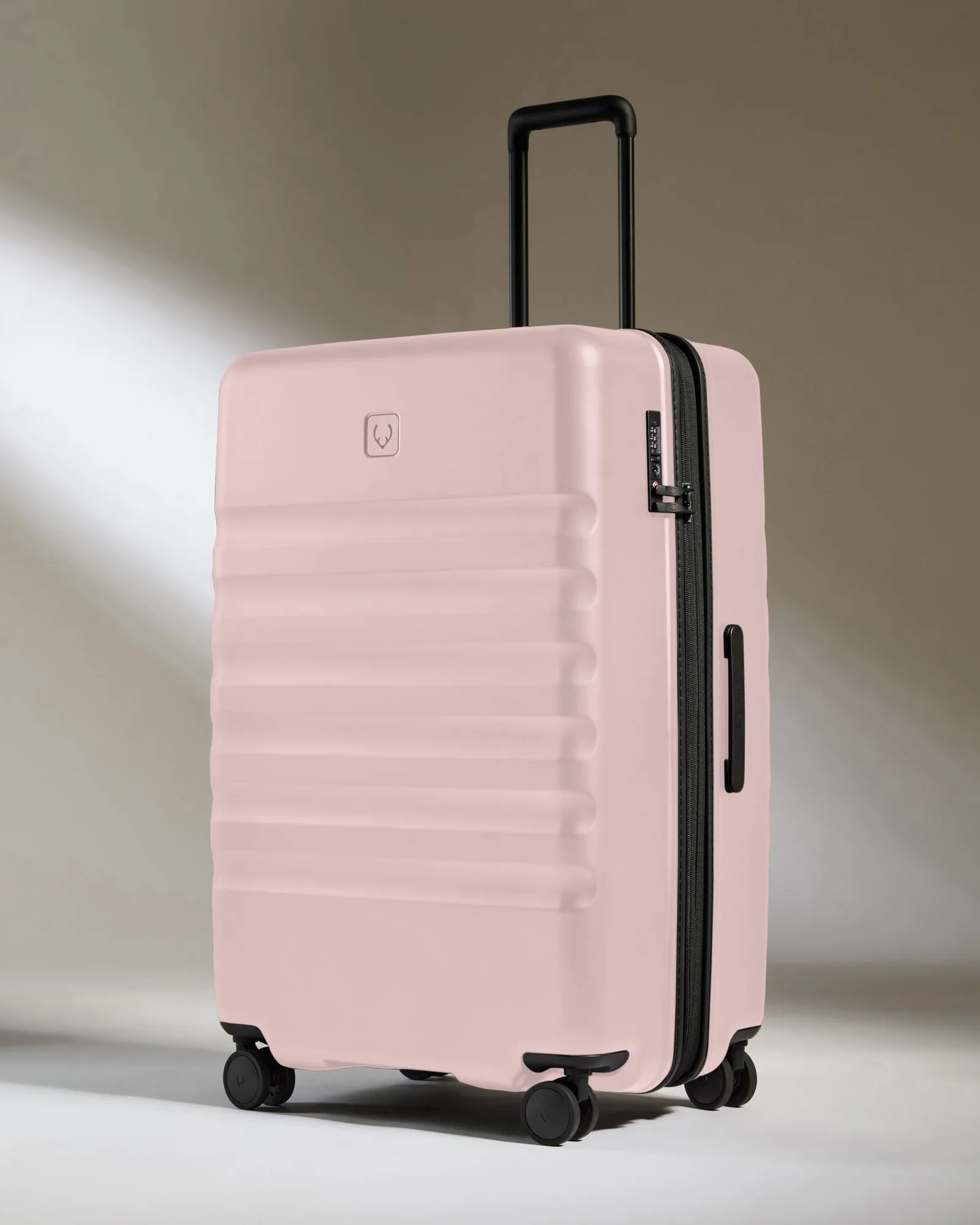
- Large Luggage in Moorland Pink - Icon Stripe: Crafted from recycled polycarbonate, the hardwearing shell is designed to protect belongings when checked in or stowed. A polycarbonate shell benefits from gentle cleaning and corner checks, since impact damage shows there first.
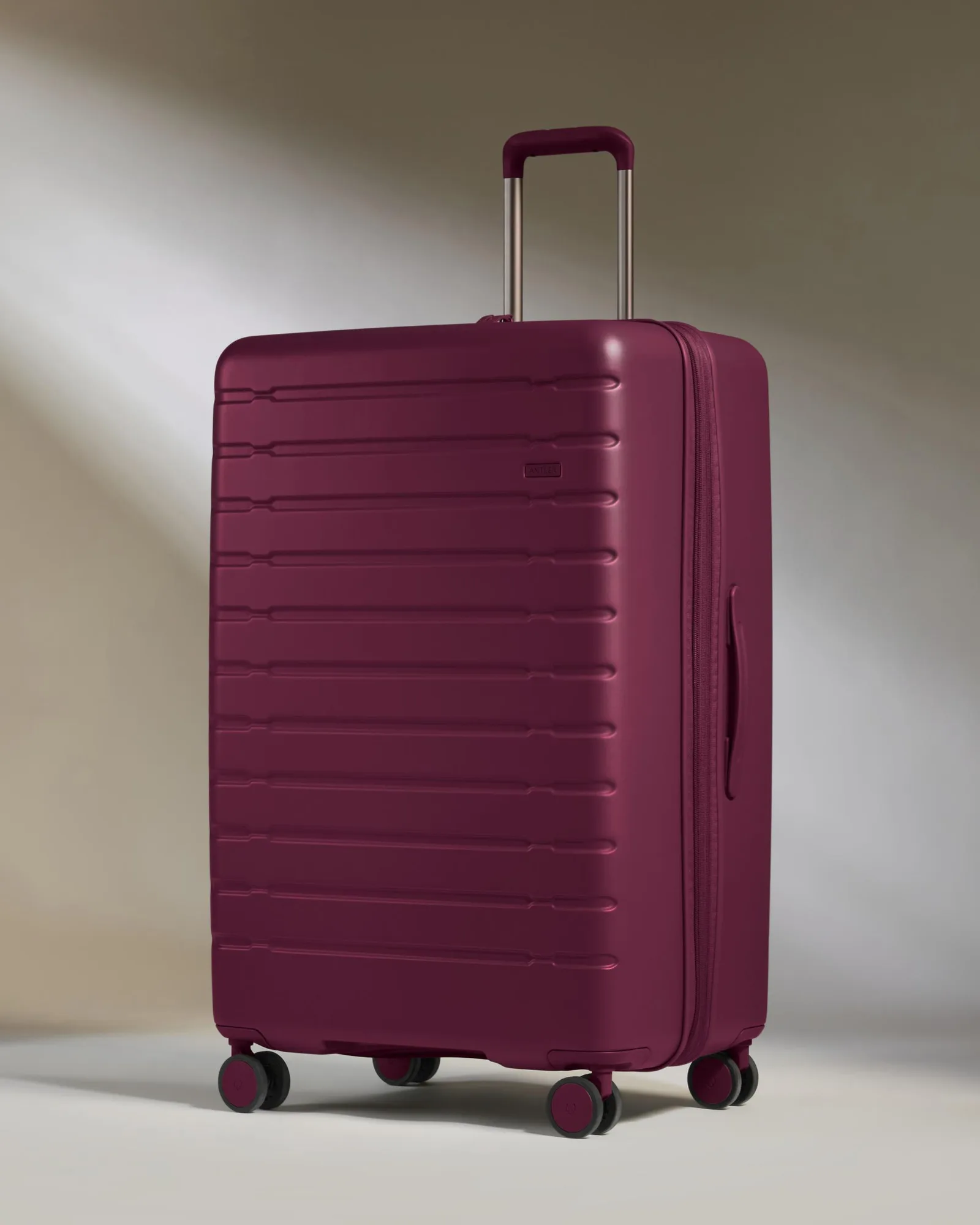
- Large Luggage in Berry Red - Stamford 2.0: Features Japanese wheels designed for whisper-quiet gliding, with Hinomoto 360-degree rotating wheels for control and a muted tread. High-quality wheels still need grit removed from the housing, because trapped debris is what causes drag and noise over time.
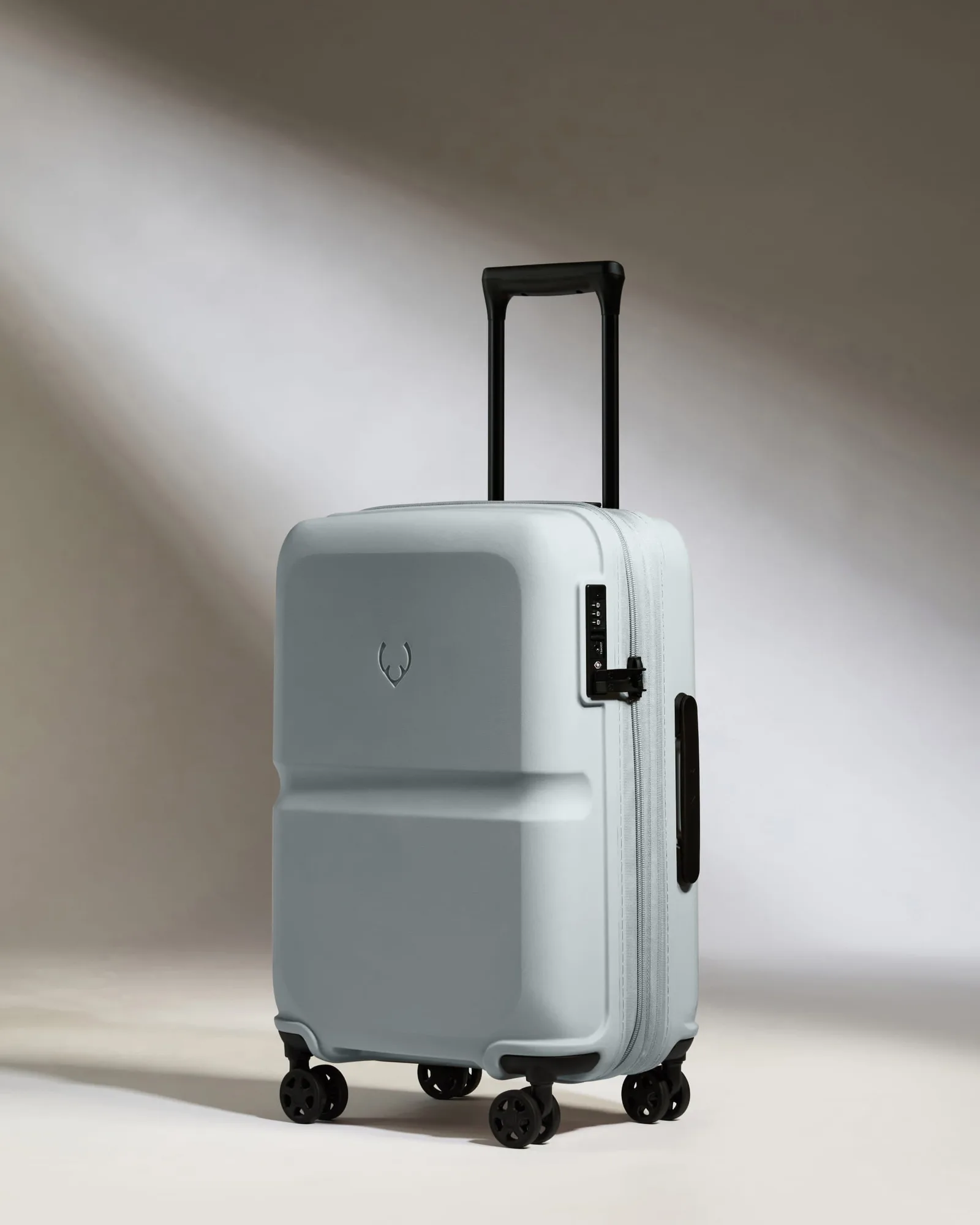
- Expandable Carry-on Luggage in Salt Blue - Single Stripe: Made with a durable polypropylene shell and weighs just 2.6kg. Lightweight shells are easy to handle but should still be wiped clean and stored dry to avoid surface wear.
A suitcase care guide is only useful if you actually follow it. Ten minutes after each trip, plus sensible storage, is enough to keep wheels rolling and zips working for years. Treat your luggage like the tool it is, and it will be ready whenever you are.