When it comes to anti-aging, most people think of retinols, peptides, and moisturizers. But the single most effective anti-aging product you can use is sunscreen. Daily SPF not only prevents sunburn but also shields your skin from the UV damage that leads to premature wrinkles, loss of elasticity, and those stubborn age spots that can make you look older than you feel.
In this guide, we’ll explore the science behind sun-induced aging, how to choose and use sunscreen correctly, and which complementary skincare products can help fade existing spots and boost your skin’s resilience. Whether you’re just starting your anti-aging journey or looking to refine your routine, this article will help you build a sun-smart strategy for a clearer, more youthful complexion.
How UV Damage Causes Age Spots and Premature Aging
Age spots, also known as solar lentigines, are flat brown, gray, or black patches that appear on sun-exposed areas like the face, hands, and shoulders. They develop when ultraviolet (UV) radiation stimulates melanocytes—the cells that produce pigment—to overproduce melanin. Over time, repeated exposure without protection leads to an uneven accumulation of pigment, resulting in visible spots.
Beyond pigmentation, UV rays break down collagen and elastin fibers in the dermis, leading to sagging skin, fine lines, and wrinkles. UVA rays penetrate deep into the skin and are primarily responsible for photoaging, while UVB rays cause sunburn and contribute to skin cancer risk. This is why dermatologists emphasize that sun protection is the cornerstone of any anti-aging routine—without it, other products can’t work effectively because the skin is constantly fighting oxidative stress.
- UV radiation triggers melanin overproduction, causing age spots.
- Collagen breakdown from UV leads to wrinkles and loss of firmness.
- UVA rays age skin deeply; UVB rays burn the surface.
Choosing the Right Sunscreen: SPF, Broad Spectrum, and Texture
Not all sunscreens are created equal. For anti-aging purposes, you need a broad-spectrum formula that protects against both UVA and UVB rays. Look for an SPF of at least 30, which blocks about 97% of UVB rays. Higher SPFs offer slightly more protection, but no sunscreen blocks 100% of UV rays, so reapplication is key.
Texture matters too. If you have oily or combination skin, a lightweight, non-comedogenic gel or fluid sunscreen will feel comfortable and won’t clog pores. For dry or sensitive skin, a moisturizing sunscreen with added antioxidants can provide dual benefits. Many Korean skincare brands excel at creating sunscreens that feel like skincare—absorbing quickly without a white cast, making them pleasant to wear daily.
Don’t forget to apply sunscreen to often-neglected areas like the neck, ears, and back of the hands. These areas show aging just as much as the face, and they’re frequently exposed to UV. A daily habit of applying SPF every morning, even on cloudy days or when indoors, is essential for long-term prevention.
- Choose broad-spectrum SPF 30 or higher.
- Pick a texture that suits your skin type for consistent use.
- Apply to neck, ears, and hands daily.
Building a Sun-Smart Anti-Aging Skincare Routine
Sunscreen is most effective when combined with a supportive skincare routine. In the morning, cleanse, apply a vitamin C serum to neutralize free radicals, then moisturize and finish with sunscreen. Vitamin C enhances your skin’s protection against UV damage and helps brighten existing spots over time. At night, focus on repair with ingredients like retinol, peptides, and niacinamide.
For those already dealing with age spots, incorporating targeted treatments can accelerate fading. Products containing alpha hydroxy acids (AHAs) or retinoids help exfoliate pigmented cells and stimulate cell turnover. Additionally, moisturizers with ingredients like licorice root extract or kojic acid can help inhibit melanin production. The Age Defiance Cream is formulated to support skin firmness and reduce the appearance of fine lines, making it a great addition to a nightly routine.
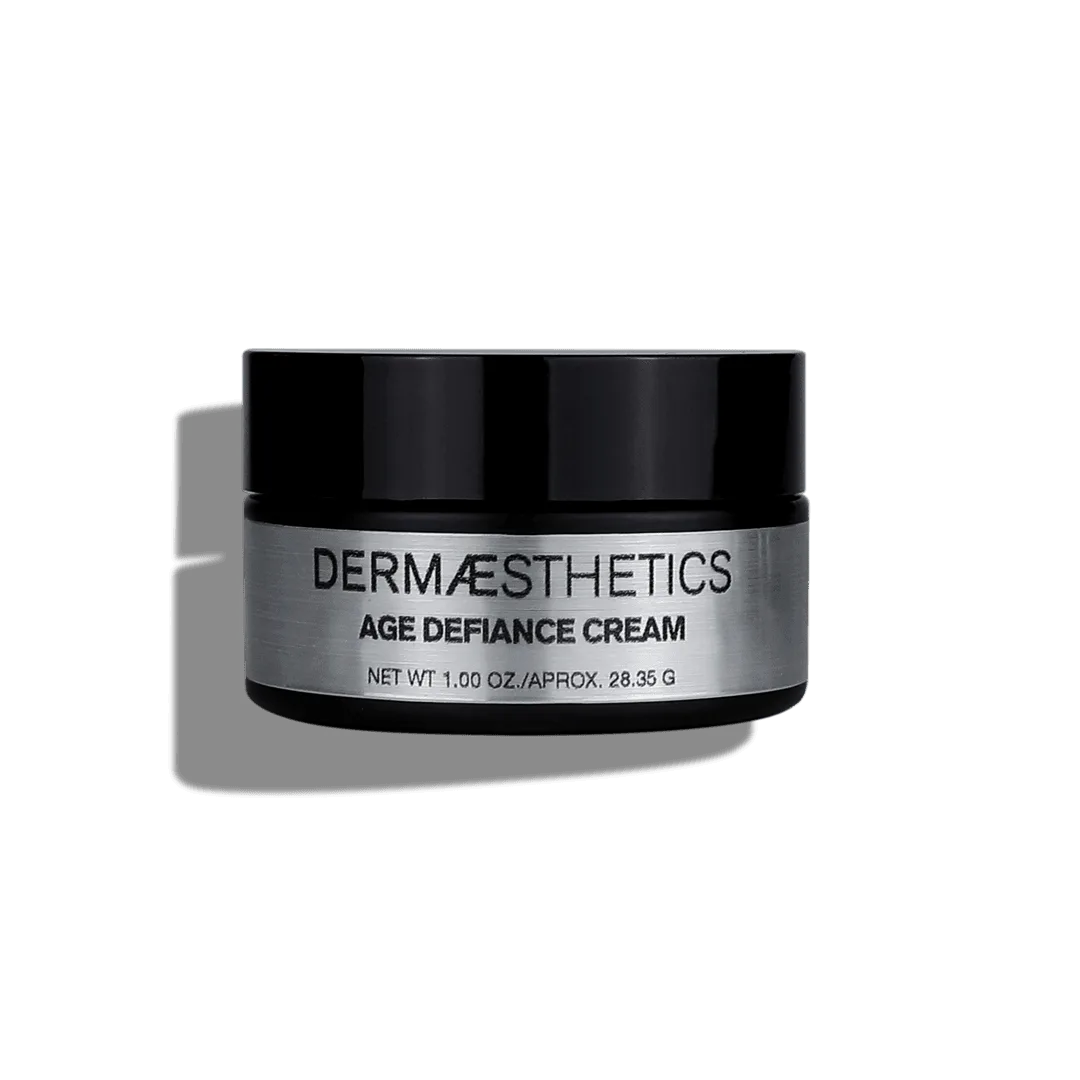
Age Defiance Cream
If you prefer a multi-step approach, consider a set that addresses both hydration and brightening. The Routine: Age Spots Set is designed to target discoloration while maintaining skin health, offering a convenient way to tackle spots without guesswork.
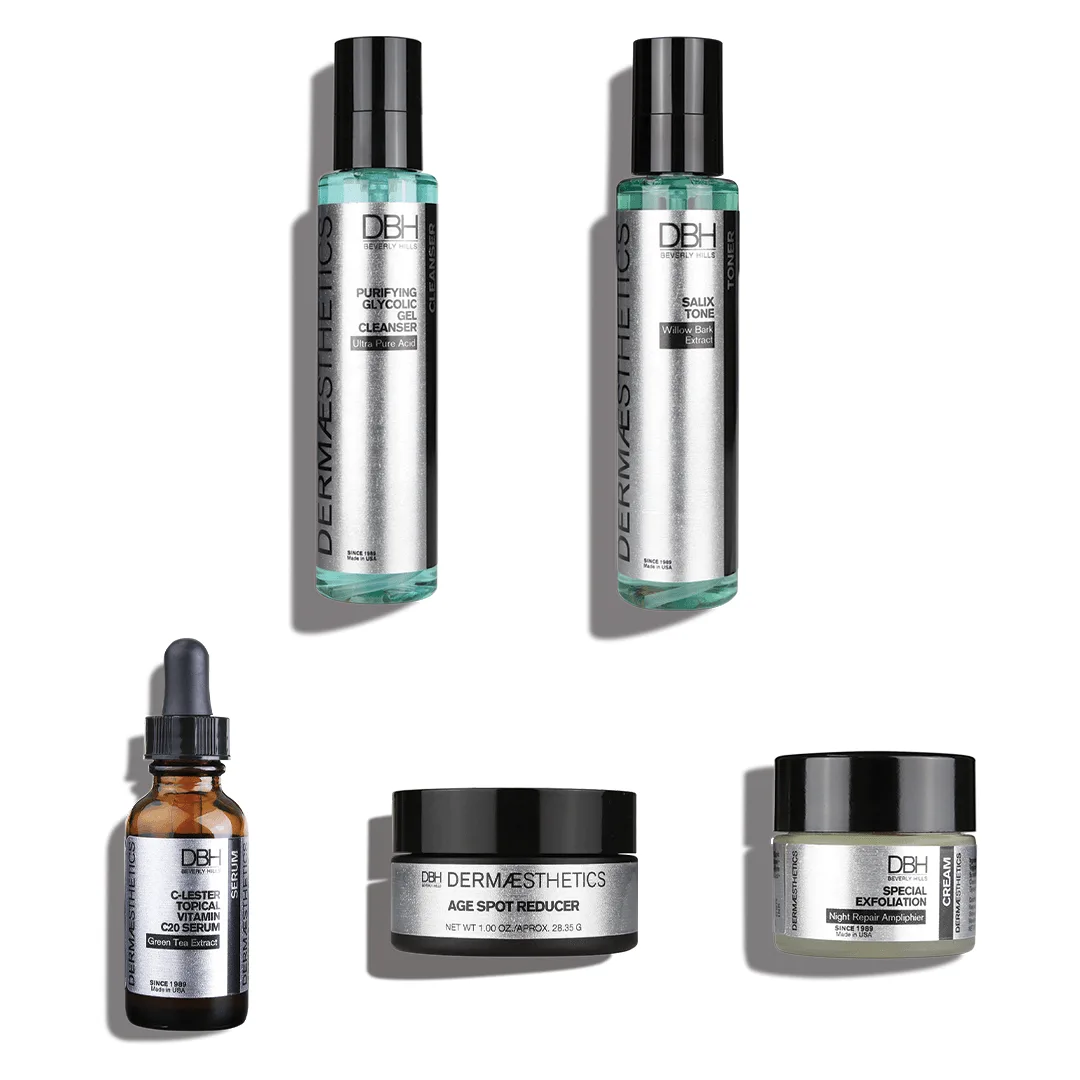
Routine: Age Spots Set
- Layer antioxidants like vitamin C under sunscreen.
- Use retinoids or AHAs at night to fade spots.
- Consider a targeted age spot set for comprehensive care.
Beyond Sunscreen: Additional Anti-Aging Strategies
While sunscreen is non-negotiable, combining it with other anti-aging practices amplifies results. A healthy diet rich in antioxidants, staying hydrated, and avoiding smoking all contribute to skin vitality. Regular exfoliation (1-2 times a week) helps remove dead skin cells, allowing your skincare products to penetrate better and revealing fresher, more even-toned skin.
Professional treatments can also complement your home routine. For instance, the DBH Spa: Nano Infusion Facial Therapy uses advanced technology to infuse active ingredients deeper into the skin, boosting hydration and promoting a radiant complexion. Such treatments can be a worthwhile investment for those seeking more dramatic improvements.
Remember, consistency is key. Sun protection and anti-aging skincare work cumulatively. The earlier you start, the better your skin will look in the long run. Even if you’ve already developed age spots, it’s never too late to protect your skin and prevent further damage.
- Eat antioxidant-rich foods and stay hydrated.
- Exfoliate regularly to enhance product absorption.
- Consider professional treatments for enhanced results.
Incorporating daily sunscreen into your anti-aging routine is the most effective way to prevent age spots and premature wrinkles. Pair it with targeted treatments like the Age Defiance Cream or the Routine: Age Spots Set to address existing concerns. Start your sun-smart journey today and enjoy a healthier, more youthful complexion for years to come.