Quick Answer
Most super long square tip failures come down to one of three things: the tip is sized to the cuticle instead of the sidewalls, the seam is blended with too coarse a file, or the shape is corrected with the e-file instead of the hand file. Fix the sizing first, blend the seam with a medium grit in one direction, and refine the square with a 180-grit hand file. If the tip still rocks, lifts, or the seam will not disappear, stop and switch to a pre-shaped tip or a different size rather than filing deeper.
Sizing: The Sidewall Rule That Prevents Most Failures
A tip that fits the curve of the cuticle but pinches the sidewalls will lift within days, no matter how carefully you blend. The correct fit is sidewall to sidewall with no pressure: the tip should touch both sides of the natural nail at the widest point without springing open or squeezing in. If you have to squeeze the tip to seat it, it is too wide; if a gap shows at either sidewall, it is too narrow.
Super long square tips amplify sizing errors because the extra length acts as a lever. A tip that is one size too wide will rock side to side every time the client types or opens a drawer. Size down rather than up when you are between sizes, then adjust the free edge with filing. If the natural nail is wider at the free edge than at the cuticle, choose the size that fits the free edge and gently file the sidewalls of the tip to match the cuticle — never the reverse.
- Fit to the sidewalls, not the cuticle curve.
- No pressure, no gap: the tip should sit flat on its own.
- Between sizes, size down and file the sidewalls.
- If the natural nail flares, fit the free edge and adjust the cuticle end.
Blending the Seam Without Filing Through the Tip
The seam is where the tip meets the natural nail, and it is the most common place for a super long square tip to look bulky or turn cloudy. Start with a medium grit, around 180, and file in one direction from the tip toward the natural nail. Do not saw back and forth: that heats the tip, creates a lip, and leaves a white line that shows through acrylic. Feather the edge until you can run a fingernail across it and feel nothing.
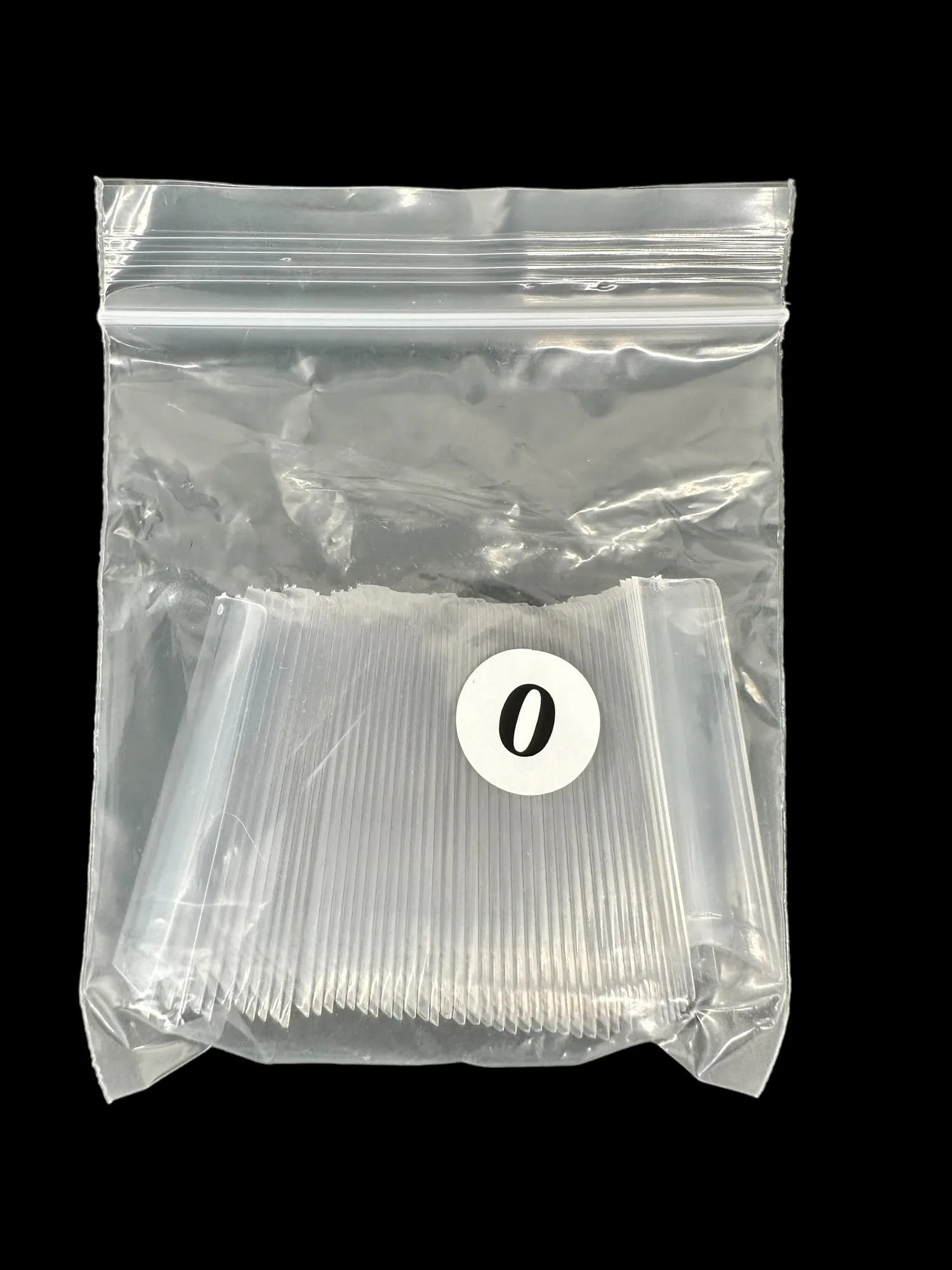
If the seam is still visible after a few passes, the tip is sitting proud of the natural nail. That usually means the well of the tip was not seated fully, or the natural nail has a bump near the cuticle that the tip is bridging. Stop filing and reset the tip. Filing deeper to hide a raised seam thins the tip until it flexes, and a flexing tip cracks at the stress area within a week. A pre-shaped tip with minimal filing needed, like the Super Long Square Tips- Individual Refill Bags, reduces how much blending the seam requires because the form arrives close to final shape.
- One direction, tip toward cuticle, medium grit.
- Feather until the seam disappears under your fingernail.
- If it is still proud, reset the tip instead of filing more.
- A flexing tip is a cracked tip — stop before you get there.
Shaping Long Square Acrylic Nails: Hand File, Not E-File
Long square acrylic nails look wrong when the sidewalls taper or the free edge is not level. Both problems come from shaping with the e-file at speed. Switch to a 180-grit hand file for the final shape: hold the file flat against the sidewall and stroke from the cuticle to the free edge in one motion, then check the square by looking down the barrel of the nail. The two sidewalls should be parallel and the free edge should be a straight line perpendicular to the finger.
If one corner is longer than the other, take the length off the long corner with the hand file rather than filing the whole free edge down. Super long square tips lose their crisp corners fast when you chase symmetry with the e-file. For a square that stays sharp, refine the corners with the hand file and only use the e-file for surface prep before acrylic. If the tip has no c-curve, as with the Super Long Square Tips- Individual Refill Bags, the square shape is easier to keep flat and level because there is no curve fighting your file.
- Final shape with a 180-grit hand file, not the e-file.
- Check the square by looking down the barrel of the nail.
- Fix a long corner, not the whole free edge.
- No c-curve means a flatter, easier-to-level square.
When to Stop and Choose Another Option
There is a point where more filing makes the nail worse. If you have sized down, reset the tip, and blended the seam twice and it still lifts or shows, the tip is not the right shape for that nail. A flat nail bed with a strong curve at the free edge, or a nail that has been damaged by previous sets, may not hold a super long square tip without a form. In that case, switch to a shorter tip or build the extension with a form and acrylic instead of fighting the tip.
The same applies to length. If the client's lifestyle includes a lot of typing, lifting, or manual work, a super long square tip will fail at the stress area regardless of application quality. Offer a shorter square or a coffin shape instead. For clients who want the length, use a powder that gives you control at the stress area: a butter-like consistency powder, such as #2 Buttery Nipple - Acrylic Nail Powder, lets you build a strong apex without flooding the cuticle, which is where long tips most often lift.
- Two failed attempts with the same tip: change the tip, not your technique.
- Damaged or highly curved nails may need a form instead.
- Heavy manual use means shorter length or a different shape.
- A controllable powder supports the stress area on long tips.
Tip Problem Diagnosis
- Tip rocks or lifts at the sidewall: The tip is sized to the cuticle curve instead of the sidewalls, so it springs open or pinches when seated. Remove it, size down, and check that the tip touches both sidewalls with no pressure. If it still rocks after resizing, the natural nail is too curved for this tip — switch to a form.
- Seam stays visible after blending: The tip is sitting proud of the natural nail, usually because the well was not fully seated or a bump near the cuticle is bridging the tip. Reset the tip rather than filing deeper. If the seam shows after two resets, the tip shape does not match the nail bed — choose a different tip.
- Square shape tapers or corners are uneven: The e-file is removing too much material at speed. Switch to a 180-grit hand file, stroke sidewall to free edge in one direction, and take length off the long corner only. If the sidewalls will not stay parallel, the tip is too narrow — size up or reshape with a form.
Products That Solve These Problems
- Super Long Square Tips- Individual Refill Bags: Refill bags come with 50 pcs and are available in sizes 0 through 9. The tips are pre-shaped super square coffin tips with no c-curve and need minimal filing due to their form. The size range lets you fit the sidewall rule without compromising, and the pre-shaped form cuts down on seam blending and shaping time. The no c-curve design keeps the square flat and level, which is easier to control on long lengths.
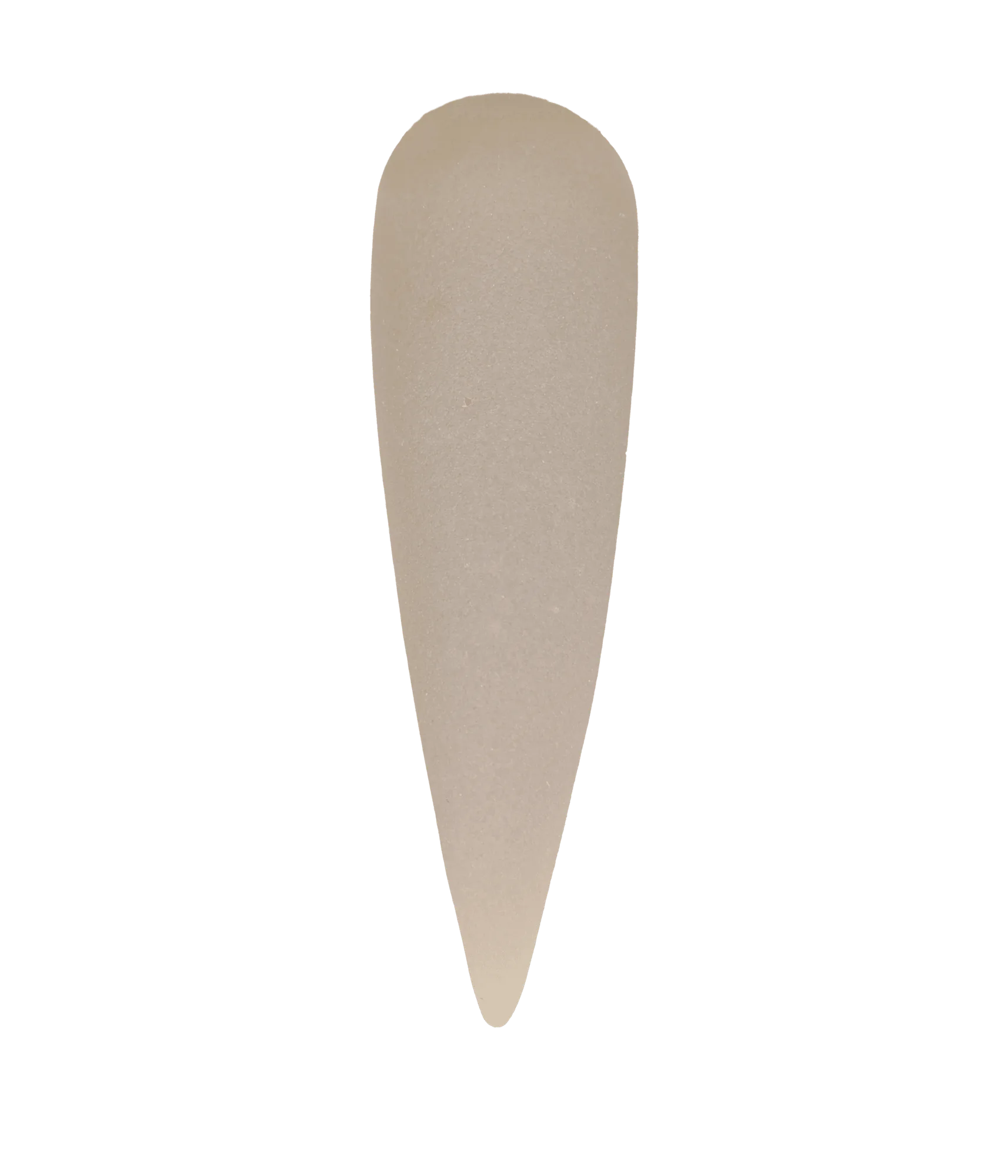
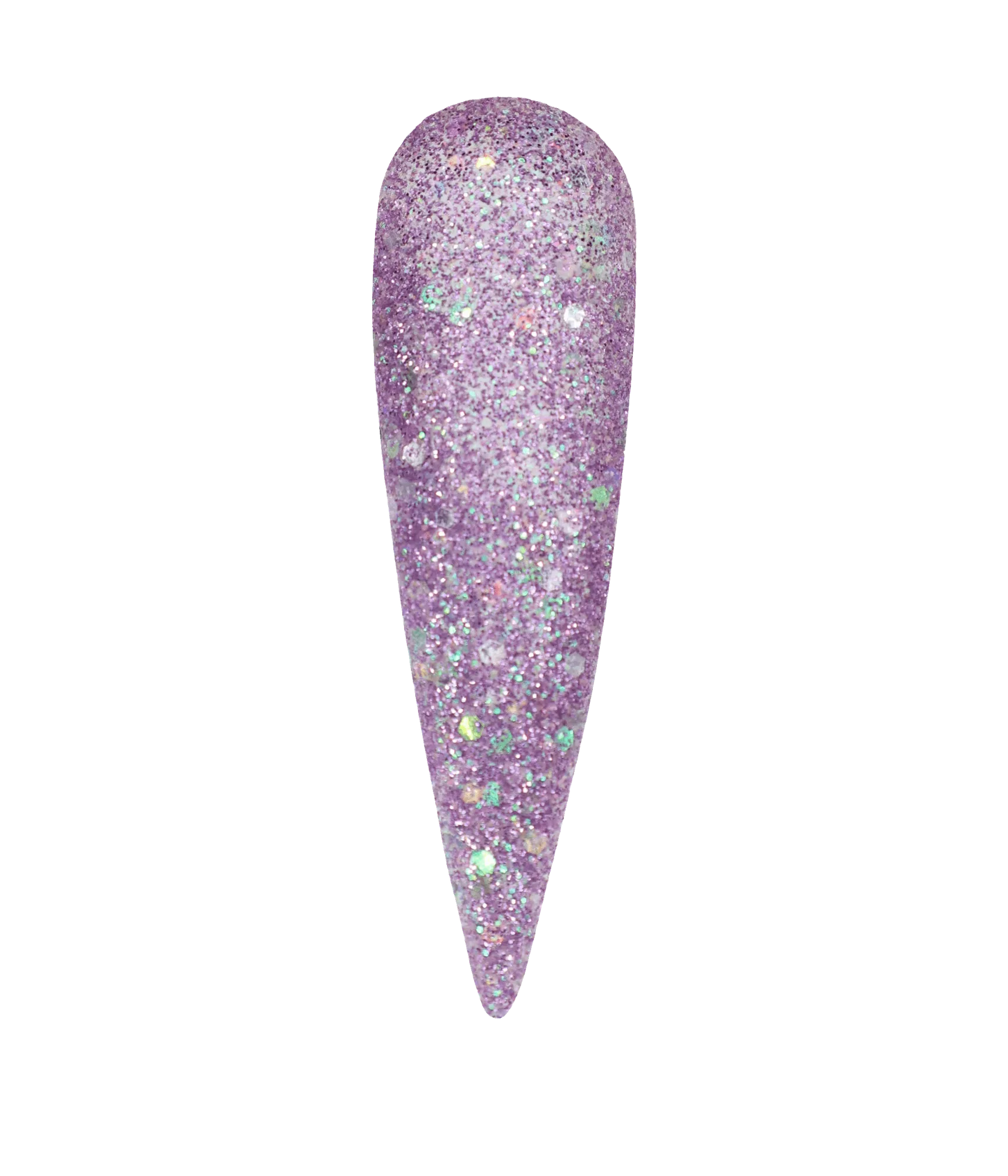
- #2 Buttery Nipple - Acrylic Nail Powder: Jessica Danielle Nails uniquely formulated acrylic powder with a butter-like consistency, designed for precision and ease for both beginners and advanced technicians. A butter-like consistency gives you more working time to build a strong apex at the stress area, which is where super long square tips are most likely to lift or crack.