You’ve just bought a new supplement, and the label says ‘take with food’ or ‘take on an empty stomach.’ But what does that really mean for your body? The timing of your supplements can significantly affect how well they are absorbed and whether they cause any digestive upset. As a nutritionist-formulated brand for women, we want to help you get the most out of every capsule, gummy, or scoop.
In this guide, we’ll break down the science of supplement timing, highlight which types of supplements are best taken on an empty stomach versus with food, and give you practical tips to incorporate into your daily routine. Whether you’re taking collagen gummies for skin support or a protein powder for muscle recovery, knowing the optimal timing can make a world of difference.
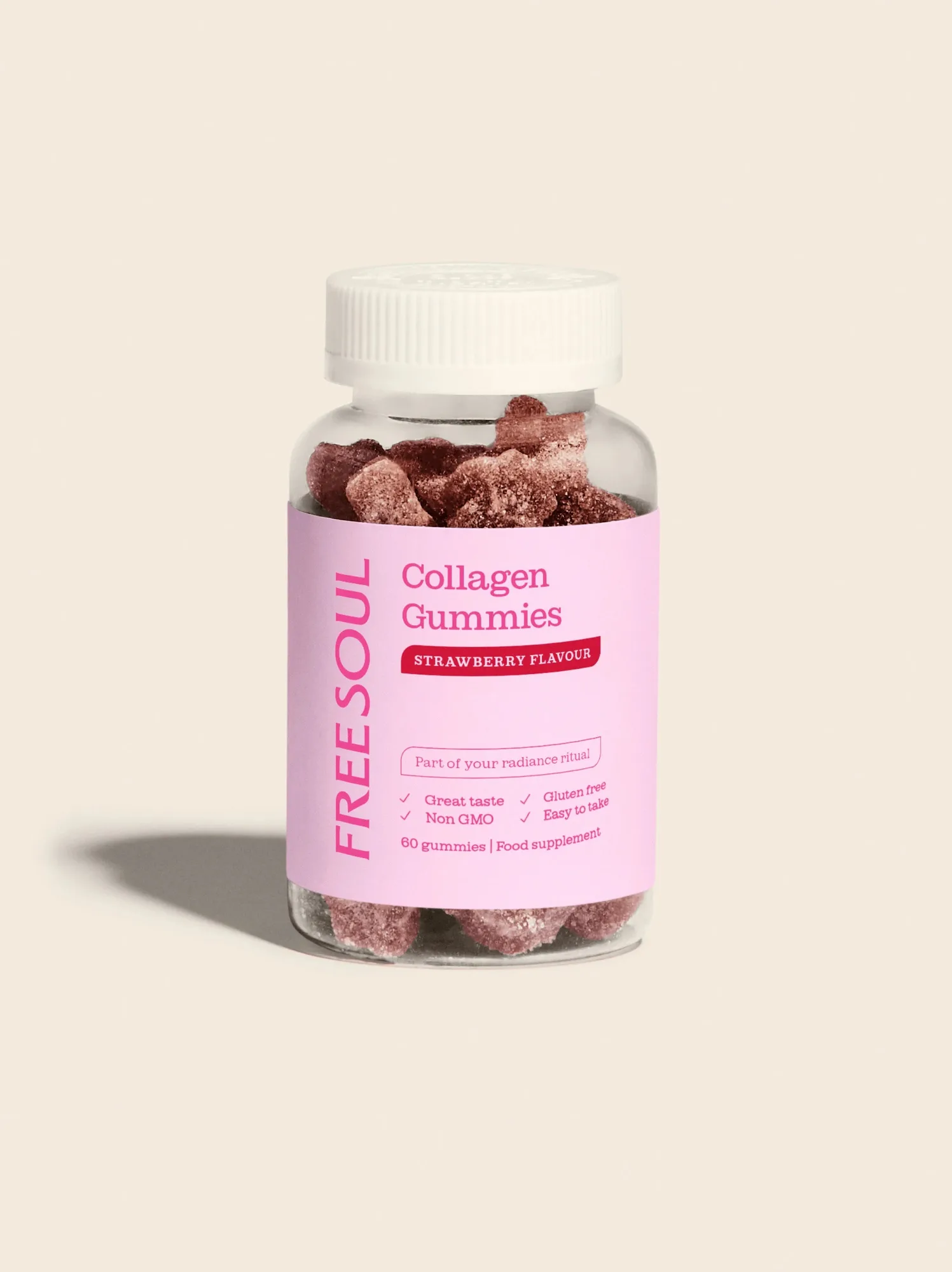
collagen gummies
Why Timing Matters: Absorption and Tolerance
The main reason timing matters is that food can either enhance or hinder the absorption of certain nutrients. For example, fat-soluble vitamins (A, D, E, K) need dietary fat to be absorbed properly, so taking them with a meal that contains healthy fats is beneficial. On the other hand, some supplements are better absorbed on an empty stomach because food can compete with the nutrient for absorption sites or slow down its uptake.
Another factor is tolerance. Some supplements, like iron or certain B vitamins, can cause nausea if taken on an empty stomach. In contrast, others, like probiotics, are best taken on an empty stomach to avoid the harsh acidic environment of digestion that occurs after eating. Understanding these differences helps you avoid discomfort and ensures you get the full benefit of your supplements.
- Check the label: Always read the recommended timing on your supplement bottle, as it’s based on the specific formulation.
- Listen to your body: If a supplement upsets your stomach, try taking it with a light snack even if the label says empty stomach.
- Be consistent: Taking your supplements at the same time each day helps you remember and allows your body to adapt.
Supplements to Take on an Empty Stomach
Certain supplements are best taken on an empty stomach—usually 30 minutes before a meal or 2 hours after. This is because food can interfere with their absorption or reduce their effectiveness. For example, creatine monohydrate is often recommended to be taken on an empty stomach for faster uptake into the muscles. If you’re using a creatine supplement, such as Pure Creatine: Monohydrate Powder, taking it in the morning or between meals can help maximize its benefits.
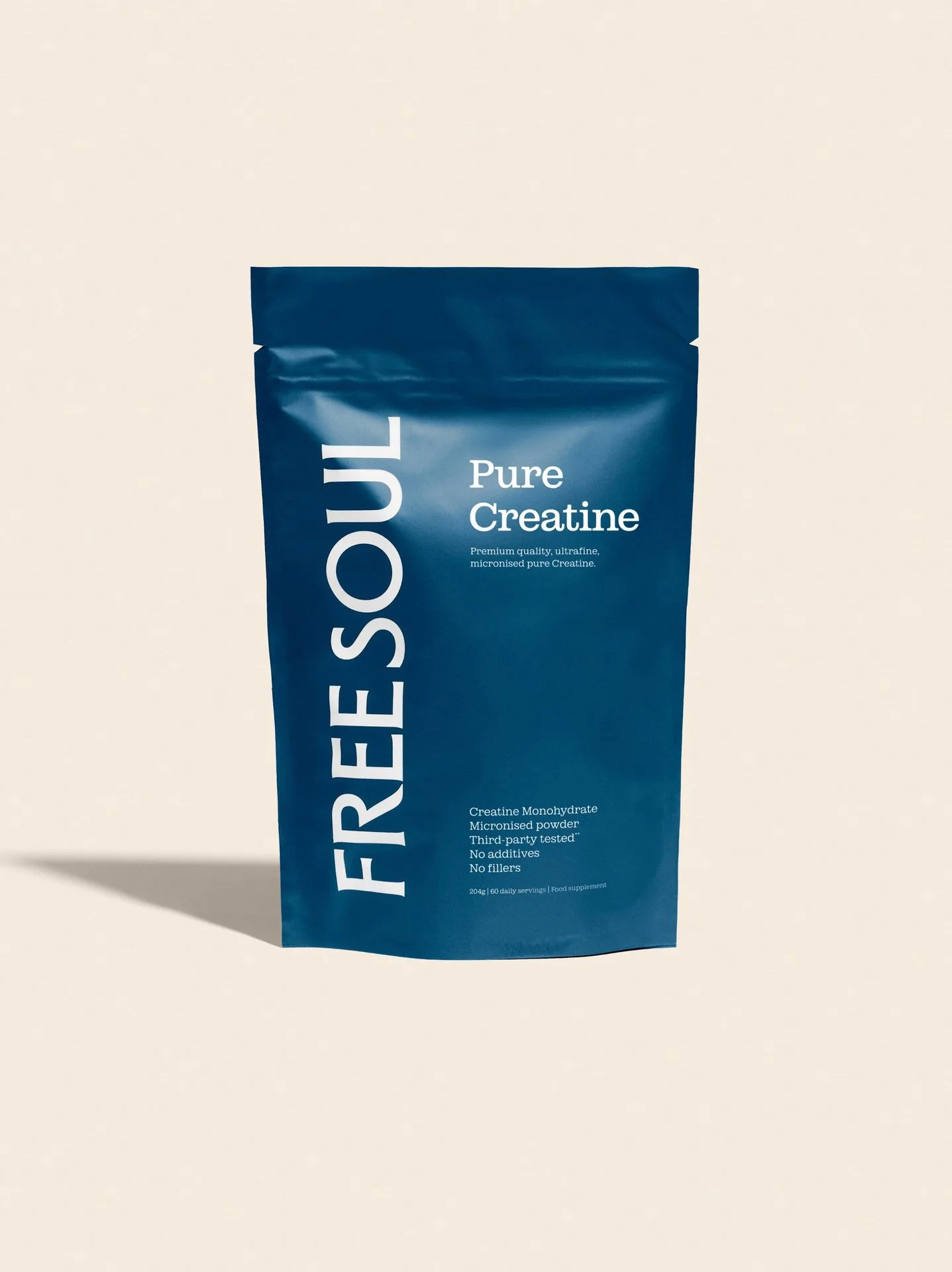
Pure Creatine: Monohydrate Powder
Additionally, some probiotics and certain amino acids are better absorbed when the stomach is relatively empty. However, if you experience any digestive discomfort, it’s perfectly fine to take them with a small snack. The key is to find what works best for your body while still getting the intended benefits.
- Creatine: Take on an empty stomach for quicker absorption, but it’s not a deal-breaker if you take it with food.
- Probiotics: Empty stomach helps protect the beneficial bacteria from stomach acid.
- Iron: Take with vitamin C on an empty stomach to enhance absorption, but if it causes nausea, take with food.
Supplements That Are Better With Food
Many supplements are better absorbed when taken with a meal, especially those that are fat-soluble or can irritate the stomach. For instance, omega-3 fatty acids, coenzyme Q10, and vitamins A, D, E, and K should be taken with food that contains fat. Similarly, magnesium supplements can cause digestive upset on an empty stomach, so taking them with a meal can reduce that risk.
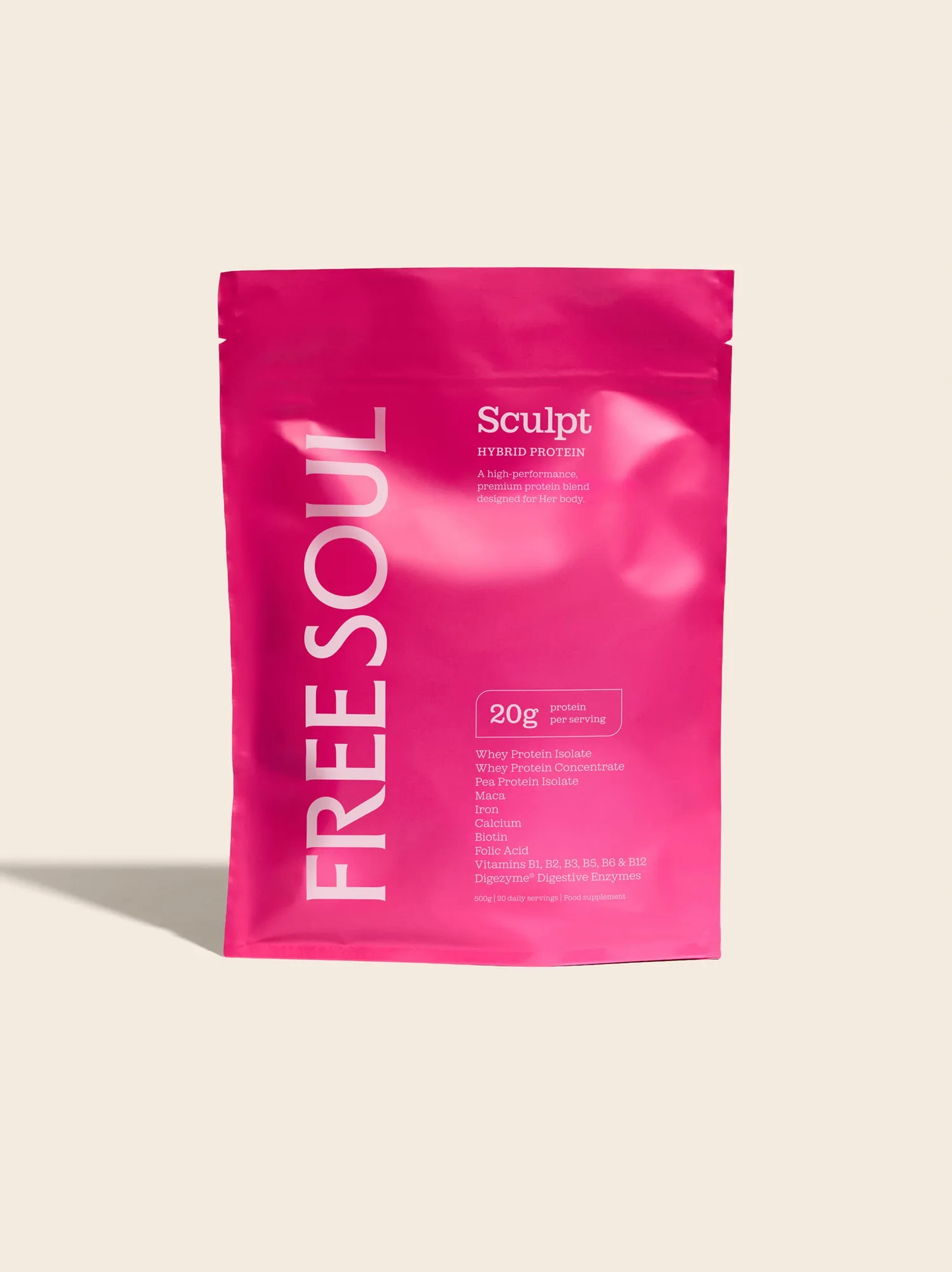
If you’re taking a protein powder like Free Soul Sculpt Hybrid Protein Powder Blend, you can mix it with water or milk and enjoy it as a snack or with a meal. The protein itself doesn’t necessarily need food, but combining it with a balanced meal can help with satiety and overall nutrient intake. For women using supplements like collagen gummies, taking them with food is often recommended to avoid any potential stomach discomfort and to support digestion.
- Fat-soluble vitamins: Always take with a meal containing healthy fats like avocado, nuts, or olive oil.
- Magnesium: Take with food to minimize digestive issues.
- Probiotics (if sensitive): Some women prefer taking them with a light breakfast to avoid any stomach upset.
Practical Tips for Your Daily Routine
Creating a supplement routine that works for you involves a bit of trial and error. Start by organizing your supplements and noting which ones need to be taken with food and which can be taken on an empty stomach. For example, you might take your creatine in the morning on an empty stomach, and your fat-soluble vitamins with lunch. Consistency is key, so try to stick to the same times each day.
If you’re using multiple supplements, you might also consider combining them in a way that’s convenient. For instance, you could add a scoop of collagen powder to your morning coffee or smoothie, which counts as with food. Or, you could take your gummy supplements with your breakfast. The goal is to make it easy to remember and to ensure you’re getting the maximum benefit.
- Keep a supplement organizer to plan your daily intake.
- Set reminders on your phone for specific times.
- If you take a protein powder, consider blending it with fruits and greens for a nutrient-packed meal replacement.
Special Considerations for Women's Health
Women have unique nutritional needs, and some supplements are specifically formulated to support hormonal balance, bone health, and energy levels. For example, myo-inositol is often taken for PCOS support and is generally well-tolerated with or without food. However, to minimize any potential stomach upset, you may choose to take it with a meal.
Additionally, if you’re taking supplements like collagen gummies for skin and joint health, you might wonder if timing matters. Collagen is a protein, and while it can be taken on an empty stomach, some women find it easier on digestion when taken with food. The key is to listen to your body and adjust accordingly. Always consult with a healthcare provider before starting any new supplement, especially if you have underlying health conditions.
- For hormonal support supplements like inositol, split the dose to reduce any digestive issues.
- If you’re pregnant or nursing, always check with your doctor before taking any supplement.
- Keep a journal to track how you feel after taking supplements at different times.
Finding the right timing for your supplements is a simple yet powerful way to enhance their effectiveness and your overall well-being. Whether you choose to take them on an empty stomach or with food, the most important thing is to be consistent and attentive to how your body responds. Explore our range of women-focused supplements, including Pure Creatine: Monohydrate Powder and Collagen Gummies, to find the perfect addition to your routine.