Quick Answer
For diabetes support, look for a multivitamin that covers magnesium, chromium, and B vitamins, and consider herbal ingredients like cinnamon, fenugreek, and berberine that have research behind blood sugar balance. Always choose products that are third-party tested and discuss any supplement with your healthcare provider, especially if you take medication.

berberine
Managing diabetes involves more than just monitoring blood sugar—it also means paying attention to your overall nutrient intake. Certain vitamins and minerals play key roles in glucose metabolism, nerve health, and energy production, and a targeted supplement can help fill gaps that diet alone might miss.
But not all supplements are created equal. This guide breaks down the key nutrients to look for, explains how to choose a diabetic multivitamin, and offers practical decision rules to help you pick products that are safe and effective.
Key Nutrients for Diabetics
Several nutrients are especially important for people with diabetes. Magnesium, for example, supports insulin sensitivity and glucose control, while chromium helps the body use insulin more effectively. B vitamins, particularly B12 and folate, are crucial for nerve health—a common concern for those with diabetes. Vitamin D also plays a role in insulin function and bone health.
When choosing a diabetic multivitamin, look for a formula that includes these nutrients in meaningful amounts. Avoid mega-doses that exceed the Daily Value unless your healthcare provider recommends them, as excessive intake can sometimes cause side effects or interfere with medications.
- Check the label for magnesium, chromium, B12, folate, and vitamin D.
- Compare amounts to the Daily Value—more isn't always better.
- If you take medication, ask your pharmacist about potential interactions.
Blood Sugar Support Supplements: What Works
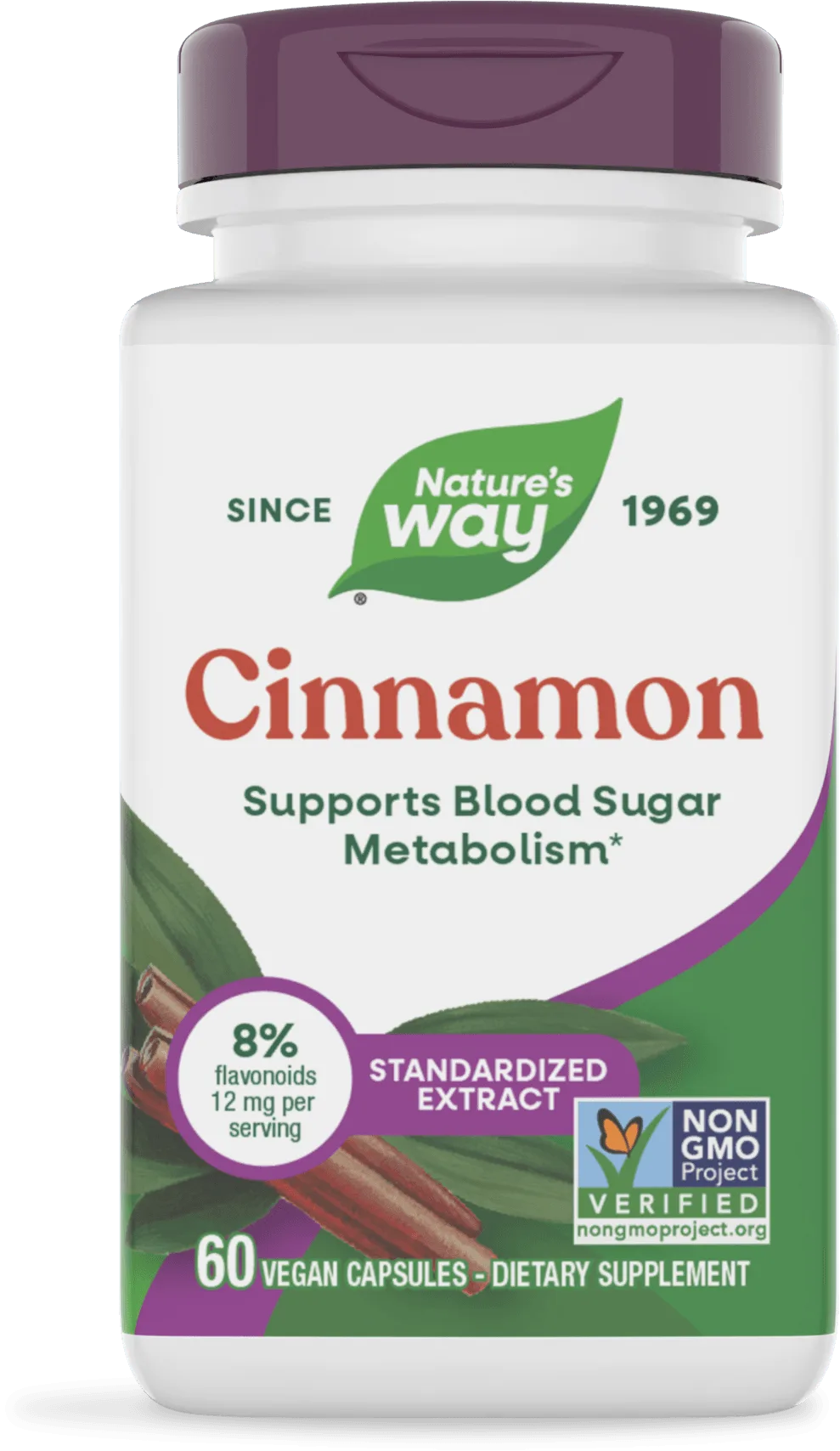
Beyond a multivitamin, some herbal supplements are used for blood sugar support. Cinnamon, fenugreek, and berberine are among the most studied botanicals. They may help improve insulin sensitivity or slow carbohydrate absorption, but results vary from person to person.
It's important to remember that supplements are not a replacement for diabetes medication or lifestyle changes. Think of them as a complement to a balanced diet and regular physical activity. Always choose products from reputable brands that provide clear labeling and third-party testing.
- Cinnamon and fenugreek are common in blood sugar support formulas.
- Berberine is potent but may interact with other medications—talk to your doctor.
- Look for standardized extracts to ensure consistent ingredient levels.
How to Choose a Diabetic Multivitamin
When selecting a diabetic multivitamin, start by checking the label for the key nutrients mentioned above. Look for a formula that provides at least 100% of the Daily Value for most vitamins and minerals, but be cautious with fat-soluble vitamins like A, D, E, and K, which can accumulate in the body.
Consider the form of the supplement—capsules, tablets, and gummies all have pros and cons. Gummies often contain added sugar, which might not be ideal for diabetics. Capsules and tablets are usually sugar-free and easier to portion. Also, check for allergens and whether the product is suitable for your dietary preferences, such as vegan or gluten-free.
- Opt for sugar-free forms like capsules or tablets if you're watching carbohydrate intake.
- Verify that the product is third-party tested for purity and potency.
- Read reviews to see how others with diabetes have responded to the formula.
Decision Rules for Choosing Supplements
- Rule 1: Check for essential nutrients: Look for a diabetic multivitamin that includes magnesium, chromium, B12, and vitamin D. These are commonly low in people with diabetes and support glucose metabolism and nerve health. If a formula lacks these, keep looking.
- Rule 2: Beware of added sugars: Gummy vitamins often contain added sugar, which can affect blood sugar levels. Choose capsules or tablets unless you find a sugar-free gummy. Read the label for sugar content and carbohydrate count.
- Rule 3: Consider herbal ingredients with caution: Herbs like cinnamon, fenugreek, and berberine may support blood sugar, but they can interact with diabetes medications. Always consult your doctor before adding them. When in doubt, ask your healthcare provider.
Herbal Supplements That Can Fit Into a Diabetes Routine
- https://natureswaybx.com/products/cayenne-fruit-384749Cayenne Fruit: Nature’s Way Cayenne Fruit is used to aid digestion and support circulation, and contains capsaicin which gives it its heat. Good circulation is important for people with diabetes, as they are at higher risk for circulatory issues. Cayenne may be a complementary addition to a diabetes care plan.
- Burdock Root: Nature’s Way Burdock Root is traditionally taken for joint health. Joint discomfort can accompany diabetes, especially with age. Burdock root might be one herbal option to discuss with your healthcare provider for joint support.
Who Should Consider These Supplements?
Best for
- People with type 2 diabetes who have nutrient gaps in their diet and want a comprehensive multivitamin.
- Individuals looking for herbal support for circulation or joint health as part of a holistic diabetes management plan.
Not for
- People with type 1 diabetes or those on insulin therapy without medical supervision, as supplements can affect blood sugar levels.
- Pregnant or nursing women, or anyone with kidney disease, unless cleared by a doctor.
Choosing the right supplements for diabetes involves more than picking a bottle off the shelf. Focus on key nutrients, watch for added sugars, and always involve your healthcare provider in the decision. With the right approach, supplements can be a valuable part of your diabetes management toolkit.