Quick answer
For most people, the most sustainable sleepwear is the pair you will actually wear for years, wash gently, and repair instead of replace. Choose natural or low-impact fibers like cotton or Tencel, avoid unnecessary blends, and prioritize a comfortable fit over trends. Start with a set like the Compiegne Long Pajama Set in 100% cotton or a Tencel option if you want a lighter, plant-based feel.
Sleepwear is a small category with a big environmental footprint if you treat it as disposable. The fabric you choose determines how long a pajama set lasts, how often it needs replacing, and how much energy and water go into keeping it clean. That makes fabric the single most important decision for sustainable sleepwear.
This guide gives you clear decision rules for choosing eco-friendly pajamas, including how to read fiber labels, when Tencel sleepwear makes sense, and how fit affects longevity. You will also see how specific HOM sleepwear pieces fit into a more sustainable wardrobe.
Why fabric is the biggest sustainability lever in sleepwear
The fiber content of your pajamas affects almost everything: how many washes it survives, how much water and detergent it needs, and whether it can be recycled or composted at the end of its life. Synthetic fabrics like polyester are durable but shed microplastics and often pill, which shortens wear. Natural fibers like cotton are breathable and biodegradable, but conventional cotton is water-intensive. The goal is not a perfect fiber; it is a fiber you will keep and care for properly.
A 100% cotton pajama set that lasts three years and gets washed on cold will almost always have a lower impact than a cheaper blend that loses shape in six months. That is why sustainable sleepwear starts with material transparency, not marketing claims. Look for clear fiber percentages on the label and avoid vague terms like 'eco-blend' that hide what is inside.
- Check the fiber percentage, not just the front-of-pack claim.
- Prefer single-fiber fabrics when possible; they are easier to recycle and often last longer.
- Wash less often by airing pajamas between wears.
Cotton vs. Tencel vs. modal: practical trade-offs
Cotton is the familiar choice: breathable, durable, and easy to wash. It softens over time and handles repeated laundering well, which makes it a strong pick for year-round sleepwear. The trade-off is that conventional cotton uses significant water, so look for organic or recycled cotton when available. If you want a set that feels crisp at first and gets softer with every wash, cotton is a safe bet.
Tencel, also known as Lyocell, is a plant-based fiber made from wood pulp in a closed-loop process that recovers most solvents. It is four times more absorbent than cotton, according to the fabric facts for the Tencel Soft Comfort Micro Briefs, and it feels smooth and cool against the skin. That makes Tencel sleepwear a good match for hot sleepers or humid climates. The trade-off is that Tencel can be more delicate, so wash it on gentle and avoid high heat.
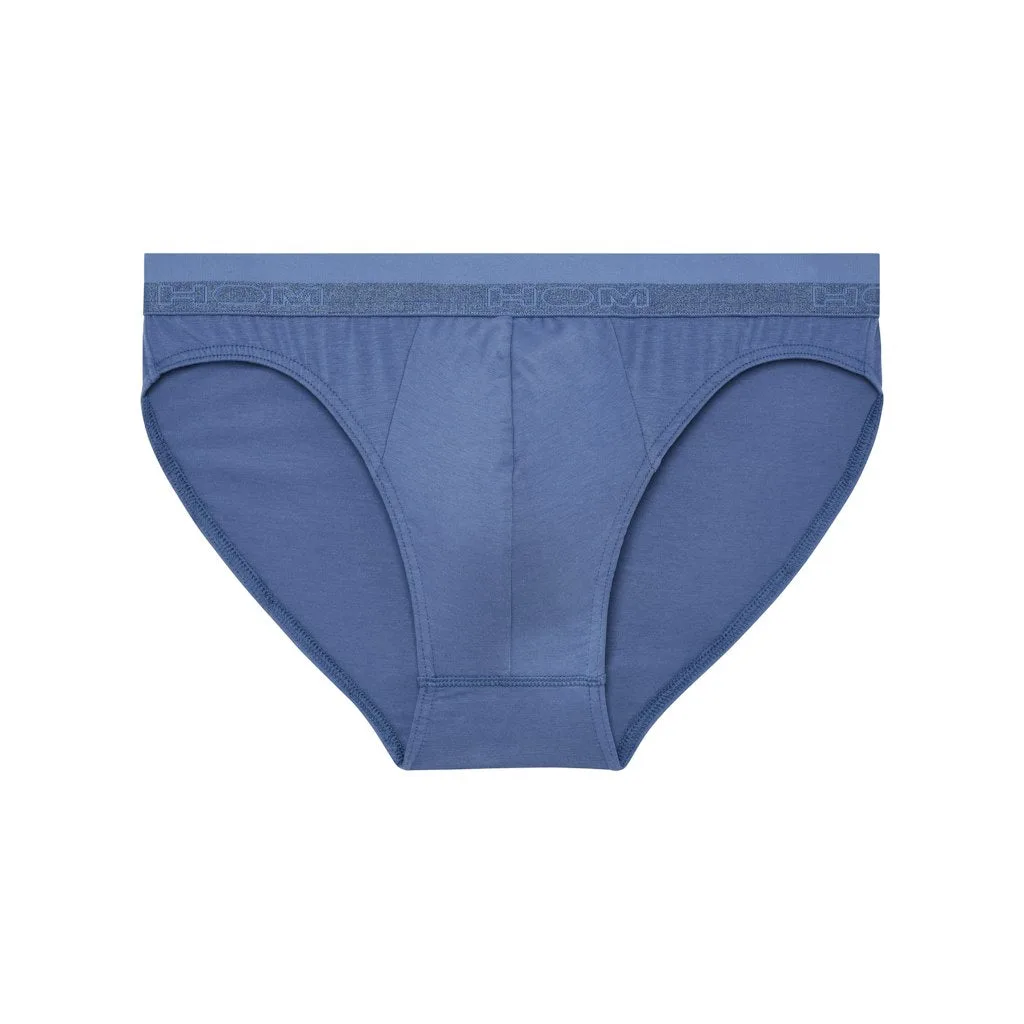
Modal is another plant-based option, often blended with cotton for softness. The Ho1 Mini Briefs use particularly soft modal cotton, which gives a comfortable, supportive feel for everyday wear. Modal resists shrinkage and stays smooth, but it may pill if washed with rough items. Treat modal sleepwear as a mid-weight option: softer than basic cotton, more durable than pure Tencel.
- Choose cotton for durability and easy care.
- Choose Tencel for breathability and a cool, smooth feel.
- Choose modal blends for softness and shape retention.
How fit and care extend the life of sustainable pajamas
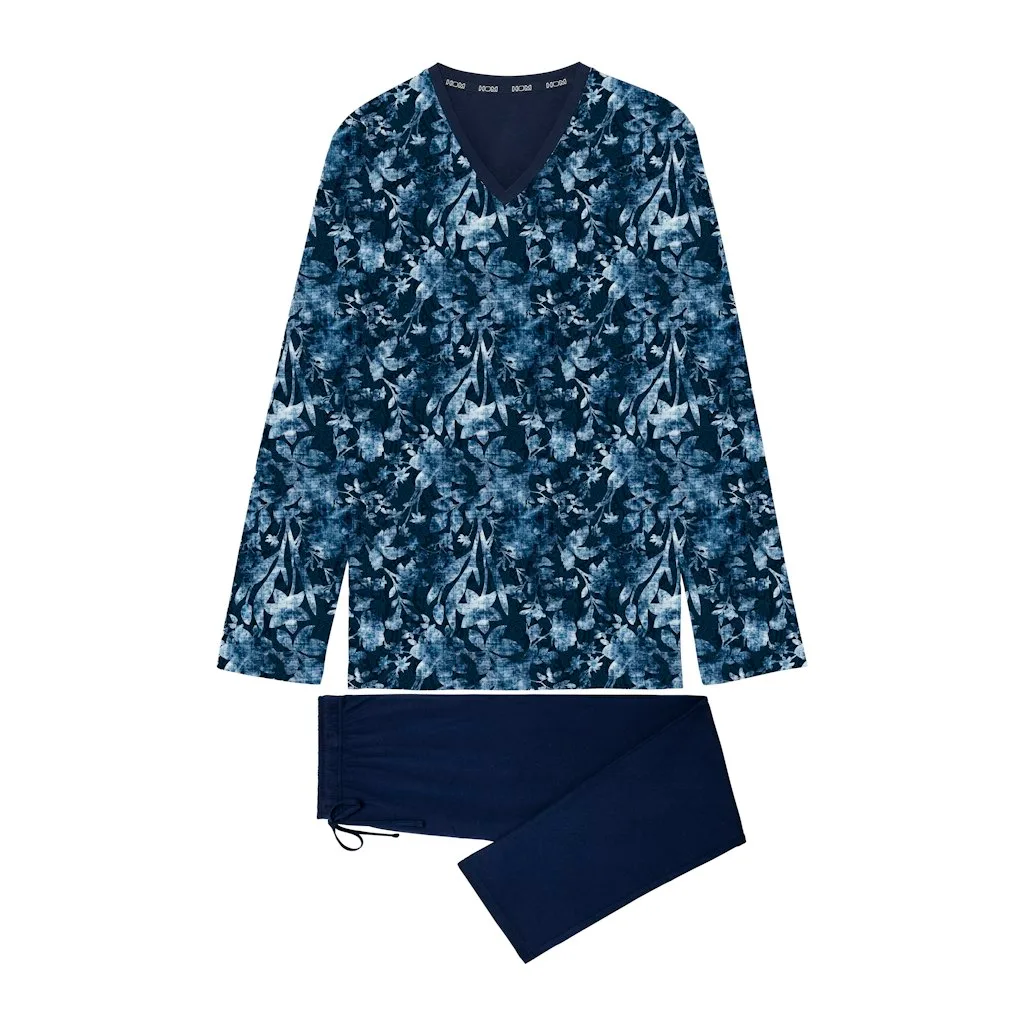
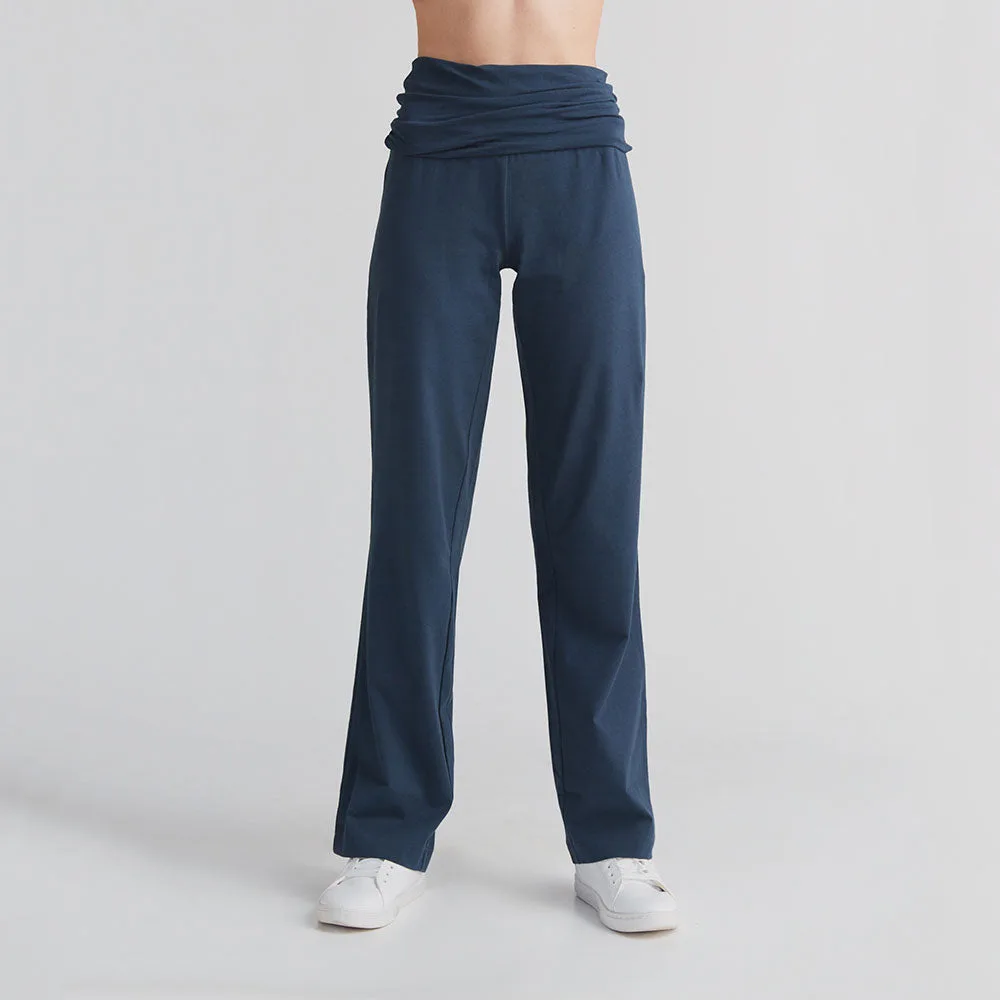
A pajama set that fits well gets worn more and washed less aggressively. Look for a relaxed but not oversized cut, especially at the shoulders and hips, so the fabric does not pull or stretch out. The Compiegne Long Pajama Set combines plain flowing pants with a floral V-neck tee-shirt, which gives you room to move without excess fabric that twists in bed. That balance matters because poor fit is a common reason sleepwear ends up unworn.
Care is the other half of sustainability. Wash sleepwear in cold water with a gentle detergent, turn garments inside out, and skip the dryer when you can. Heat is the fastest way to shrink cotton, pill modal, and weaken Tencel fibers. If you must dry, use low heat and remove items slightly damp. Storing pajamas folded rather than on hangers also prevents stretched necklines and shoulders.
- Wash cold and air-dry to preserve fibers and save energy.
- Use a mesh bag for lightweight Tencel or modal pieces.
- Repair loose seams and replace buttons before they become tears.
Red flags and honest limitations when shopping
Be cautious of sleepwear labeled 'sustainable' without fiber details or care instructions. A truly eco-conscious pair will tell you what it is made of and how to keep it in rotation. Also watch for blends that mix natural and synthetic fibers in ways that make recycling impossible; these are not automatically bad, but they are harder to dispose of responsibly. If the label does not list percentages, treat that as a decision limitation and look for another option.
No fabric is perfect. Cotton can be water-intensive, Tencel requires gentle handling, and modal may pill. The most sustainable choice is often the one that fits your sleep habits and laundry routine, because you will keep it longer. If you sleep hot, prioritize breathability. If you sleep cold, prioritize a slightly heavier cotton or modal blend. Match the fabric to your reality, not to a label.
- Avoid vague 'eco' claims without fiber percentages.
- Check whether the fabric can be washed at home; dry-clean-only sleepwear rarely lasts.
- Buy one well-made set instead of three cheap ones.
Decision rules for choosing sustainable sleepwear
- If you sleep hot or live in a humid climate: Choose Tencel or lightweight cotton. Tencel is highly absorbent and feels cool, while cotton breathes well and handles frequent washing. Prioritize breathability over thickness.
- If you want the lowest-maintenance option: Choose 100% cotton or a modal cotton blend. Both tolerate cold machine washing and air-drying without special handling. Easy care means you will actually keep it in rotation.
- If you are replacing worn-out pajamas: Buy one well-made set in a neutral color instead of several trend pieces. Check fiber percentages and repair seams before discarding old ones. Fewer, better pieces reduce total impact.
- If the label does not list fiber percentages: Treat that as a decision limitation. Without knowing the material, you cannot predict durability, care needs, or end-of-life options. Skip vague claims and choose transparency.
Product facts that support sustainable sleepwear choices
- Compiegne Long Pajama Set | Navy Print 403057-P0RA: Made from 100% cotton, combining plain flowing pants with a floral V-neck tee-shirt for natural softness and all-night comfort. A single-fiber cotton set is easy to wash, breathable, and biodegradable at end of life, making it a strong foundation for sustainable sleepwear.
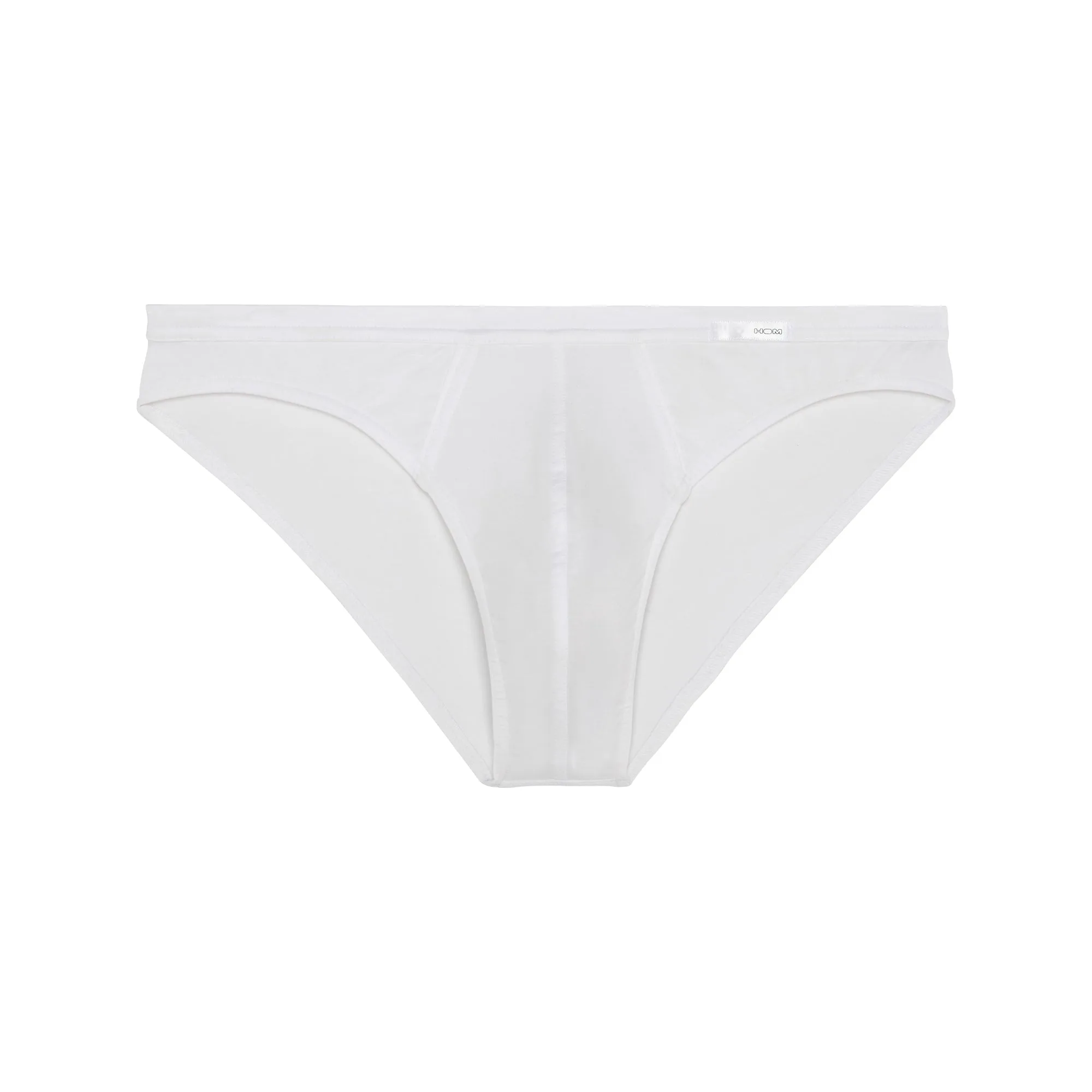
- Tencel Soft Comfort Micro Briefs | White 402463-0003: Made of 97% Lyocell and 3% spandex, a plant-based fiber from wood pulp that is four times more absorbent than cotton and suitable for all body types. Tencel sleepwear offers a cool, smooth feel for hot sleepers, and its high absorbency helps manage night sweats without heavy fabric.
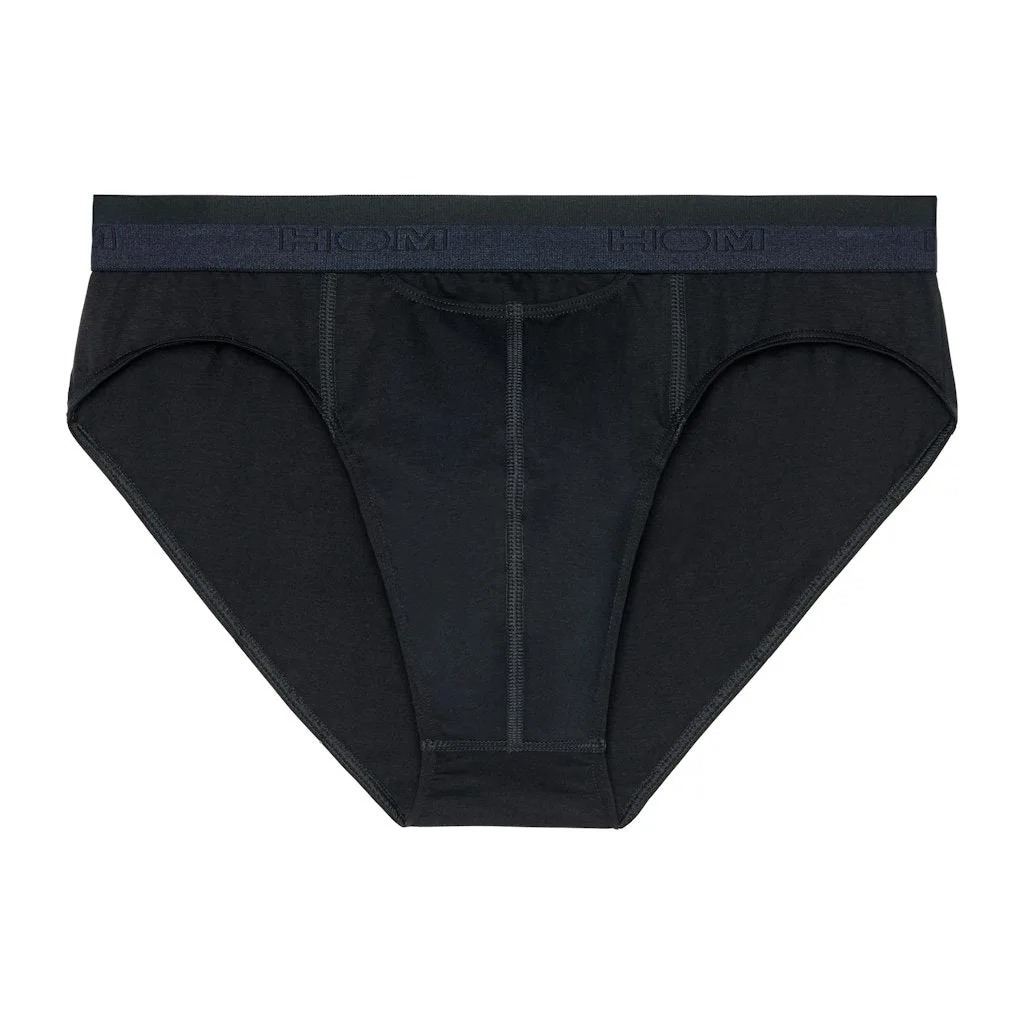
- Ho1 Mini Briefs HO1 | Navy 359521-00ra: Made from particularly soft modal cotton with the HO1 horizontal opening and excellent support all day long. Modal cotton blends balance softness and durability, so they hold shape through repeated washing and reduce the need for frequent replacement.
Fit guidance for sustainable sleepwear
Best for
- Sleepers who want a relaxed but not oversized fit that stays in place overnight
- Anyone building a small sleepwear wardrobe they can wash and wear for years
Not for
- Shoppers looking for disposable or single-season trend pajamas
- Anyone unwilling to wash cold and air-dry to preserve fabric life
Sustainable sleepwear comes down to three choices: a fiber you will care for, a fit you will actually wear, and a habit of repairing instead of replacing. Start with a 100% cotton set like the Compiegne Long Pajama Set or a Tencel piece if you sleep warm, then wash cold and air-dry to get the longest life from every pair.