Quick answer
Sleep sacks are generally safer for newborns once they start showing signs of rolling, because they remove the risk of loose fabric covering the face. Swaddle blankets offer a snug, womb-like feel that can soothe newborns, but must be used correctly and discontinued at the first sign of rolling.
Why swaddle blankets need careful use
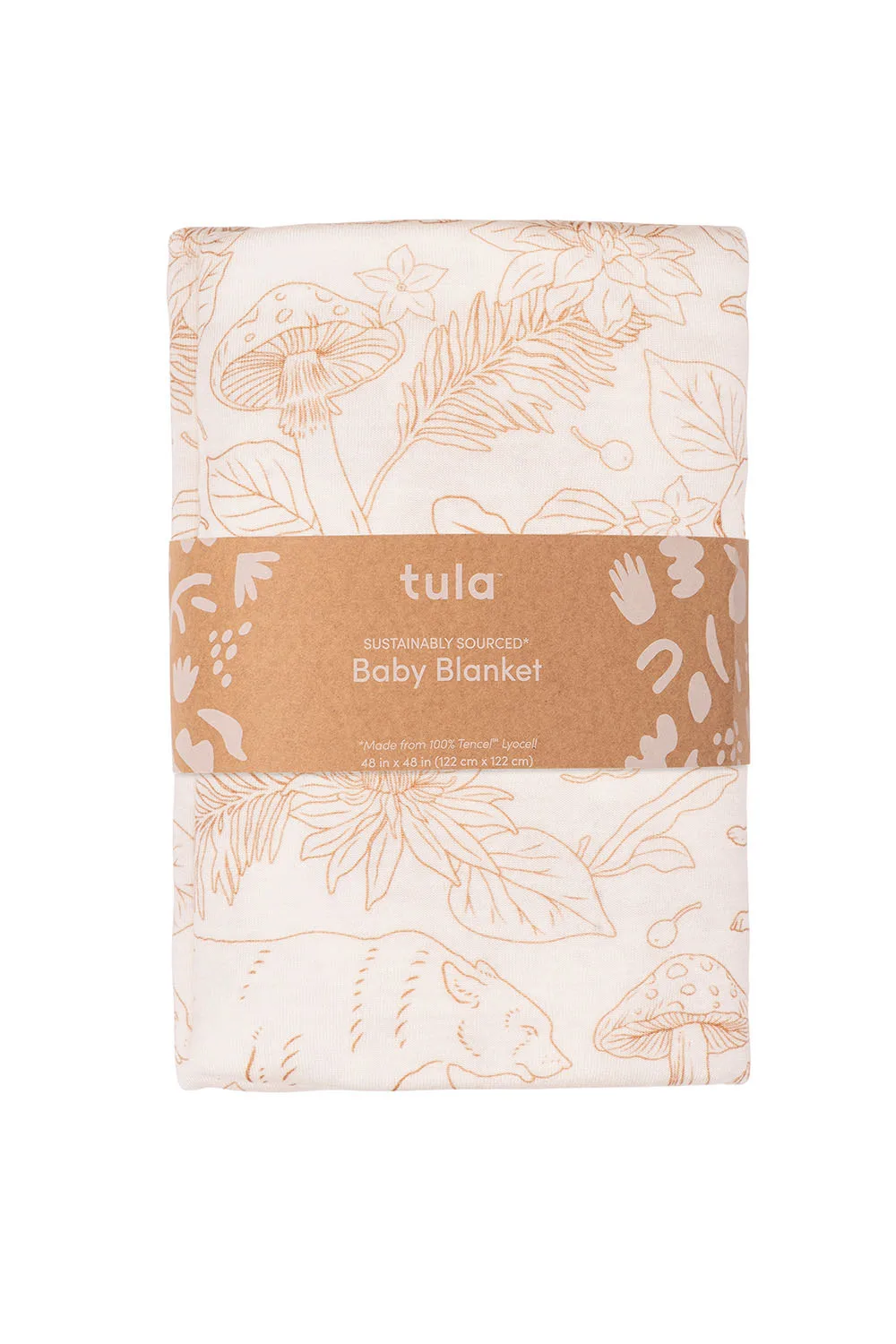
Swaddle blankets, like the Woodlands Swaddle Blanket, are designed to wrap your baby snugly, mimicking the secure feeling of the womb. Their lightweight, breathable fabric is gentle on sensitive skin and provides stretch for a tight wrap. However, the very feature that makes them comforting—the fabric wrap—becomes a hazard if your baby can roll over. Loose swaddling can allow the blanket to come undone and cover your baby's face, increasing the risk of suffocation. Safe swaddling requires a firm wrap that stays in place and constant vigilance for any signs of rolling.
Sleep sacks simplify safe sleep
Sleep sacks (wearable blankets) are essentially a sleeveless, zip-up garment that your baby wears to sleep. They eliminate loose bedding entirely, which directly reduces the risk of SIDS. Because the sack stays on your baby, it can't become untucked or cover their face. This makes sleep sacks a safer choice for the entire first year, especially once your baby starts rolling. They also help maintain a consistent temperature, and many parents find them easier to use during nighttime diaper changes since they zip open from the bottom.
Swaddle blanket vs. sleep sack: Trade-offs at a glance
- Swaddle blanket: Provides a snug, womb-like wrap that can calm a fussy newborn. Requires a tight, secure wrap and must be stopped at the first sign of rolling (usually around 2-4 months). Only use while baby is not rolling. Check the wrap stays tight.
- Sleep sack: Worn like a sleeveless garment. No loose fabric to cover the face, making it safe from birth through the first year. Easier to use for diaper changes and allows more leg movement. Safer for rolling babies. No need to transition out of it until your child is ready for a blanket.
- When to transition: Stop swaddling as soon as your baby shows any signs of rolling, even if they only roll from back to side. Switch to a sleep sack or a wearable blanket to maintain safe sleep. Don't wait until your baby fully rolls—early transition is safer.
Product facts
-
Woodlands Swaddle Blanket: Lightweight and breathable, yet supportive with stretch for a snug swaddle. This means the Woodlands Swaddle Blanket can create a secure, cozy wrap that helps soothe a newborn, but you must stop using it once your baby can roll to avoid suffocation hazards.
Woodlands Swaddle Blanket
Which should you choose?
Best for
- Newborns who are not yet rolling and need the soothing comfort of a snug wrap
- Parents who want a lightweight, breathable option for a tight swaddle
Not for
- Babies who are already rolling or showing signs of rolling (choose a sleep sack instead)
- Parents who prefer a zero-maintenance, no-wrap sleep solution that stays safe all night