Quick answer
Both swaddles and sleep sacks can be safe when used correctly, but they serve different stages. Swaddles help newborns feel secure and reduce startle reflex, while sleep sacks are a safer option once your baby starts rolling. For most families, starting with a swaddle and transitioning to a sleep sack around 8–12 weeks works well.
Swaddle basics: comfort and safety
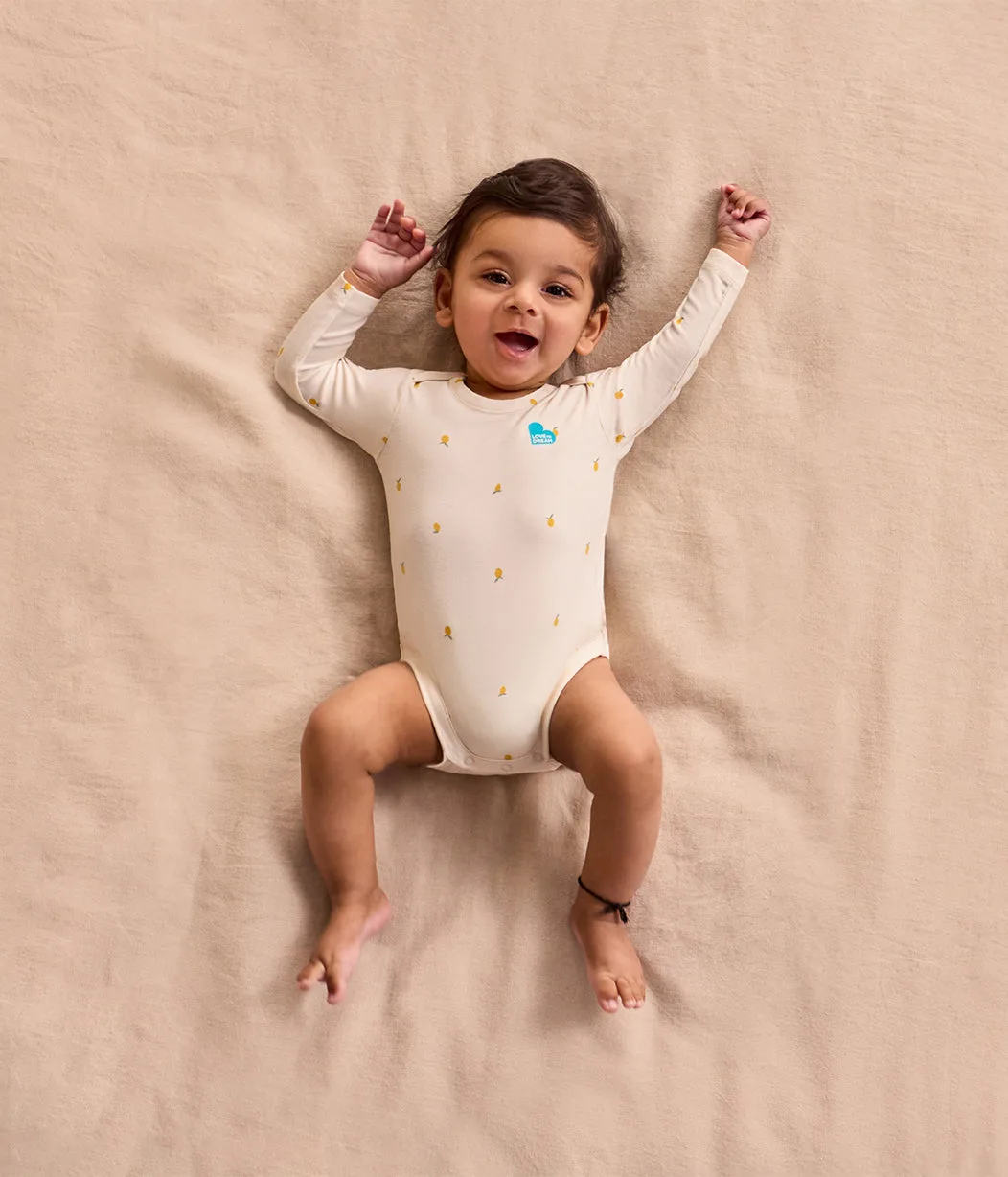
Swaddling mimics the snug feeling of the womb and can help newborns sleep longer by preventing the Moro reflex from waking them. The key is to swaddle firmly but not too tightly, leaving room for hip movement. Stop swaddling as soon as your baby shows signs of rolling over, usually around 2–4 months, because a swaddled baby who rolls is at higher risk for SIDS.
Sleep sack basics: freedom and warmth
Sleep sacks are wearable blankets that keep your baby warm without loose bedding. They allow free movement of arms and legs, which is why they are recommended once a baby starts rolling. Sleep sacks come in different TOG ratings for warmth, so you can adjust for room temperature. The trade-off is that they don't provide the same snug, calming pressure as a swaddle.
When to transition from swaddle to sleep sack
The American Academy of Pediatrics recommends stopping swaddling as soon as your baby attempts to roll over. A common approach is to first transition to a sleep sack with one arm out, then both arms out over a week or two. Some babies adjust quickly, while others may need extra soothing during the change. Having a consistent bedtime routine can help ease the transition.
Swaddle vs. Sleep Sack: Trade-Offs at a Glance
- Safety for newborns: Swaddles are safe only until baby shows signs of rolling. Sleep sacks are safe from birth onward, especially for babies who can roll. Use a swaddle for the first 2–3 months, then switch to a sleep sack.
- Comfort and soothing: Swaddles provide deep pressure that mimics the womb. Sleep sacks offer freedom but less calming pressure. Swaddle for better initial sleep; sleep sack for safer longer-term use.
- Transition ease: Some babies resist the switch; a gradual one-arm-out method can help. Sleep sacks are simpler for parents. Plan a gradual transition over 1–2 weeks.
Products that support safe sleep stages
- Chicken Tikka Masala With Organic Veggies & Indian Spices: Chicken Tikka Masala Baby Food Pouch. Packed with organic carrots, coconut cream, green beans, a blend of herbs & spices and chicken baby food. After a good night's sleep, a nutrient-dense pouch like this one offers a savory, no-sugar-added option to start the day with protein and veggies.
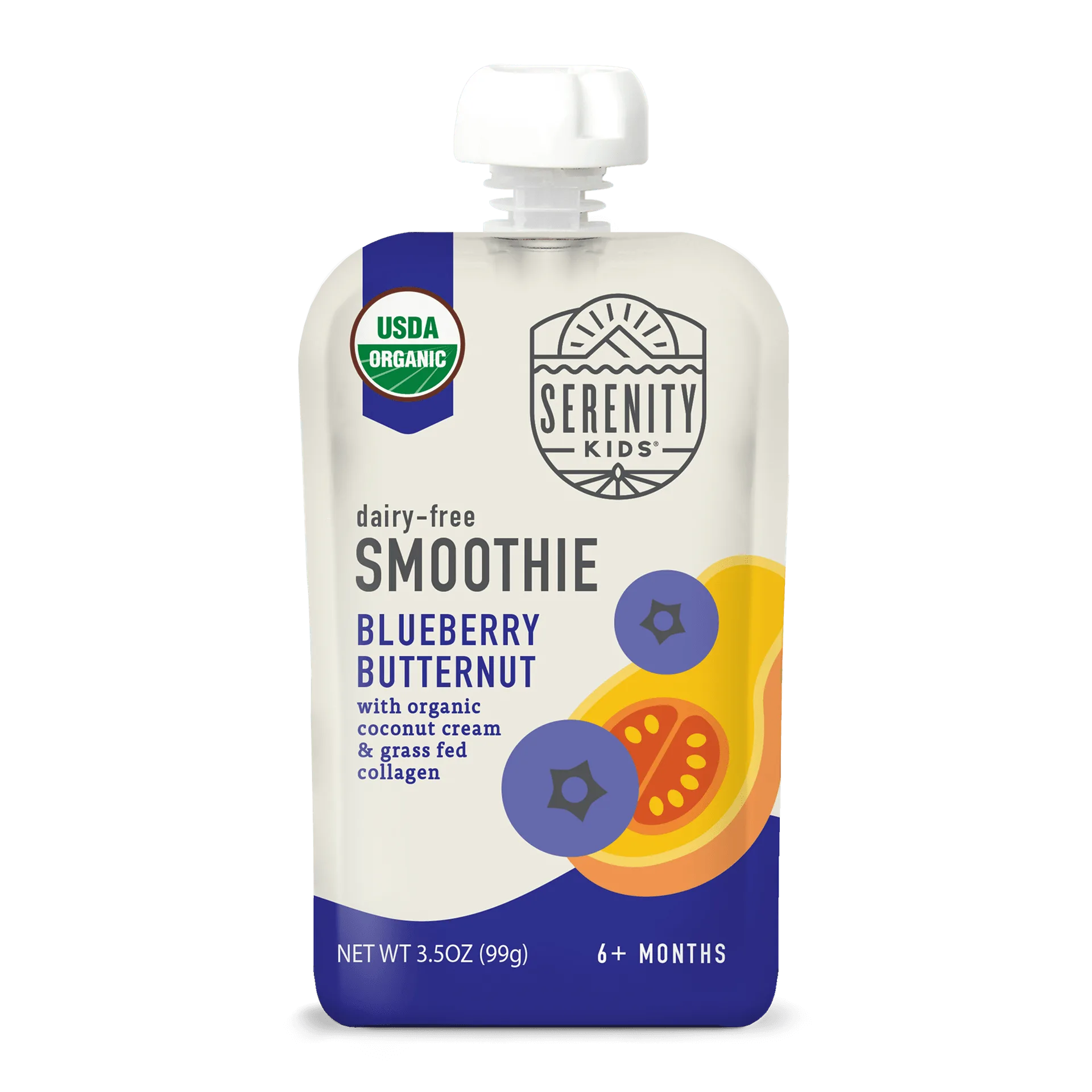
- Organic Blueberry Butternut Dairy Free Smoothie with Grass Fed Collagen: Serenity Kids Organic Blueberry Butternut Dairy Free Smoothie with Grass Fed Collagen. Contains 5g of grass-fed collagen per serving. Dairy-free and egg-free. A quick, nourishing smoothie is perfect for busy mornings after a sleep transition. Collagen supports healthy growth, and the dairy-free formula is gentle on sensitive tummies.
Which sleep solution fits your baby?
Best for
- Newborns under 2 months who startle easily
- Babies not yet rolling and needing extra soothing
Not for
- Babies who can roll over (swaddle only)
- Families wanting a single sleep solution from birth onward