Quick answer
Sweat rash (miliaria) is a red, bumpy irritation from blocked sweat ducts, while chafing is raw, stinging skin from friction. If skin is bumpy and itchy, treat it as sweat rash; if it's raw and painful, treat it as chafing. For either, keep the area clean and dry, and use a friction-reducing powder or antiperspirant to prevent recurrence.
How to tell sweat rash from chafing
Sweat rash appears as small, raised red bumps or tiny blisters, often in skin folds like the groin, underarms, or under the breasts. It itches or prickles and worsens with heat and sweating. Chafing, on the other hand, looks like raw, red, sometimes cracked skin where two skin surfaces or skin and clothing rub together—commonly inner thighs, nipples, or underarms. It stings or burns, especially when you move or shower. If you see both bumps and raw patches, you may have both conditions at once.
- Sweat rash: bumpy, itchy, triggered by heat and moisture.
- Chafing: raw, stinging, triggered by friction and movement.
What helps sweat rash
For sweat rash, the goal is to cool the skin and unblock sweat ducts. Take a cool shower, then gently pat the area dry—don't rub. Let skin air-dry completely before dressing. Avoid heavy creams or ointments that trap moisture. If the rash is itchy, a light dusting of anti-chafing powder can soothe and absorb sweat. If it doesn't improve in a few days, see a doctor; you may need a medicated cream.
What helps chafing
For chafing, protect the skin from further friction. Clean the area with mild soap and water, then pat dry. Apply a friction-reducing powder or balm. If the skin is broken, use a barrier ointment and cover with a bandage until it heals. Avoid tight clothing and repetitive rubbing until the skin recovers. For thigh chafing, moisture-wicking shorts or a anti-chafing stick can help during activity.
Preventing both: daily habits that work
Prevention overlaps for both conditions: keep skin dry, reduce friction, and manage sweat. Shower soon after sweating, dry thoroughly, and choose loose, breathable fabrics. For high-sweat areas like underarms and groin, an antiperspirant can reduce moisture at the source. If you're prone to chafing, apply a powder or balm before activity. And if you sweat heavily in multiple areas, a targeted bundle can simplify your routine.
Diagnosis: Which is it?
- Symptom: small, itchy bumps: Likely cause: sweat rash (miliaria) from blocked sweat ducts. Cool the skin, keep it dry, and use a light powder. If no improvement in 3 days, see a doctor.
- Symptom: raw, stinging skin: Likely cause: chafing from friction. Reduce friction with powder or balm, and avoid tight clothing. If skin is broken and not healing, seek medical advice.
- Symptom: both bumps and raw patches: Likely cause: combined sweat rash and chafing. Treat both: cool and dry the area, then protect from friction. If severe or spreading, consult a dermatologist.
Products that can help
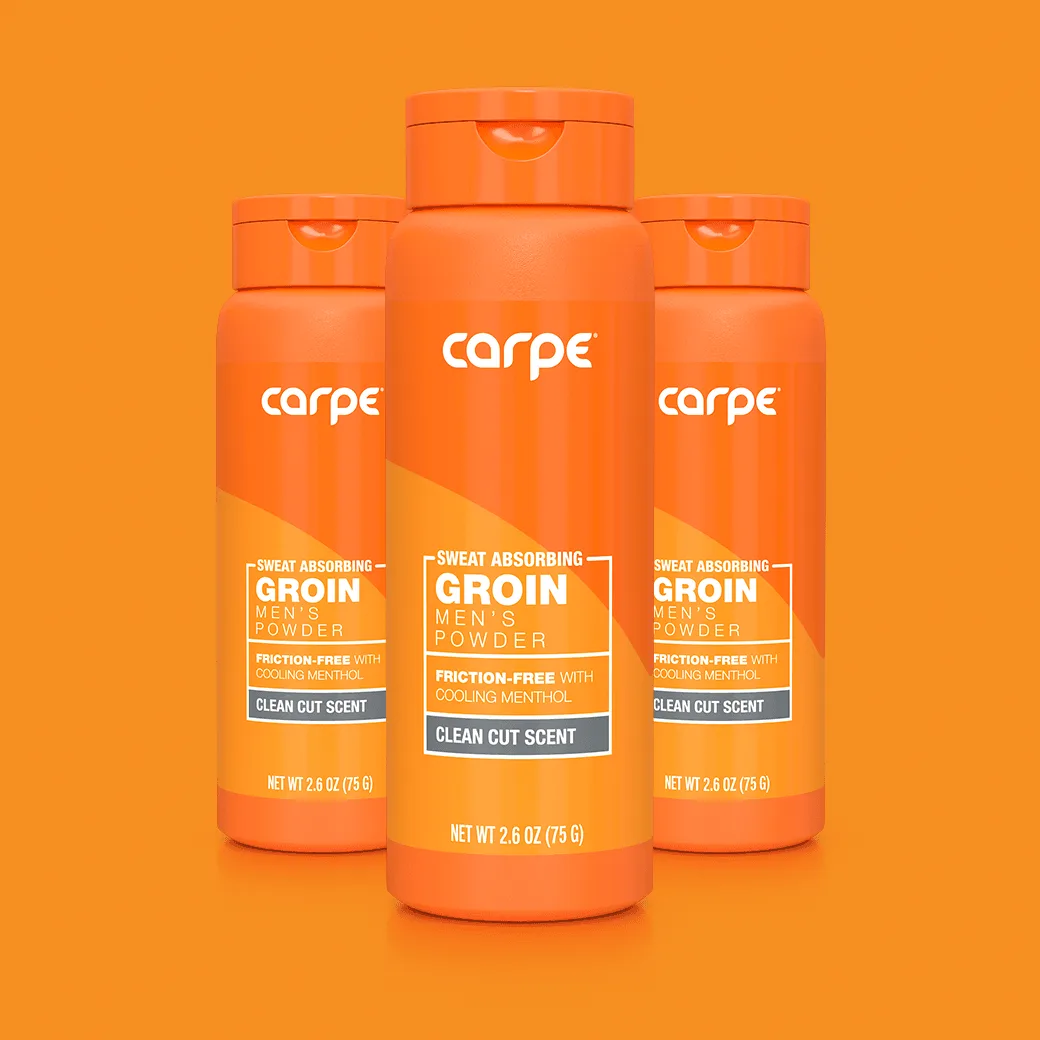
- Men's Groin Powder 3-Pack: Men's Groin Powder 3-Pack is a dermatologist-recommended, friction-free powder that is effective, non-irritating, and residue-free. A powder designed for the groin area can reduce friction and absorb sweat, helping prevent both chafing and sweat rash in a high-risk zone.
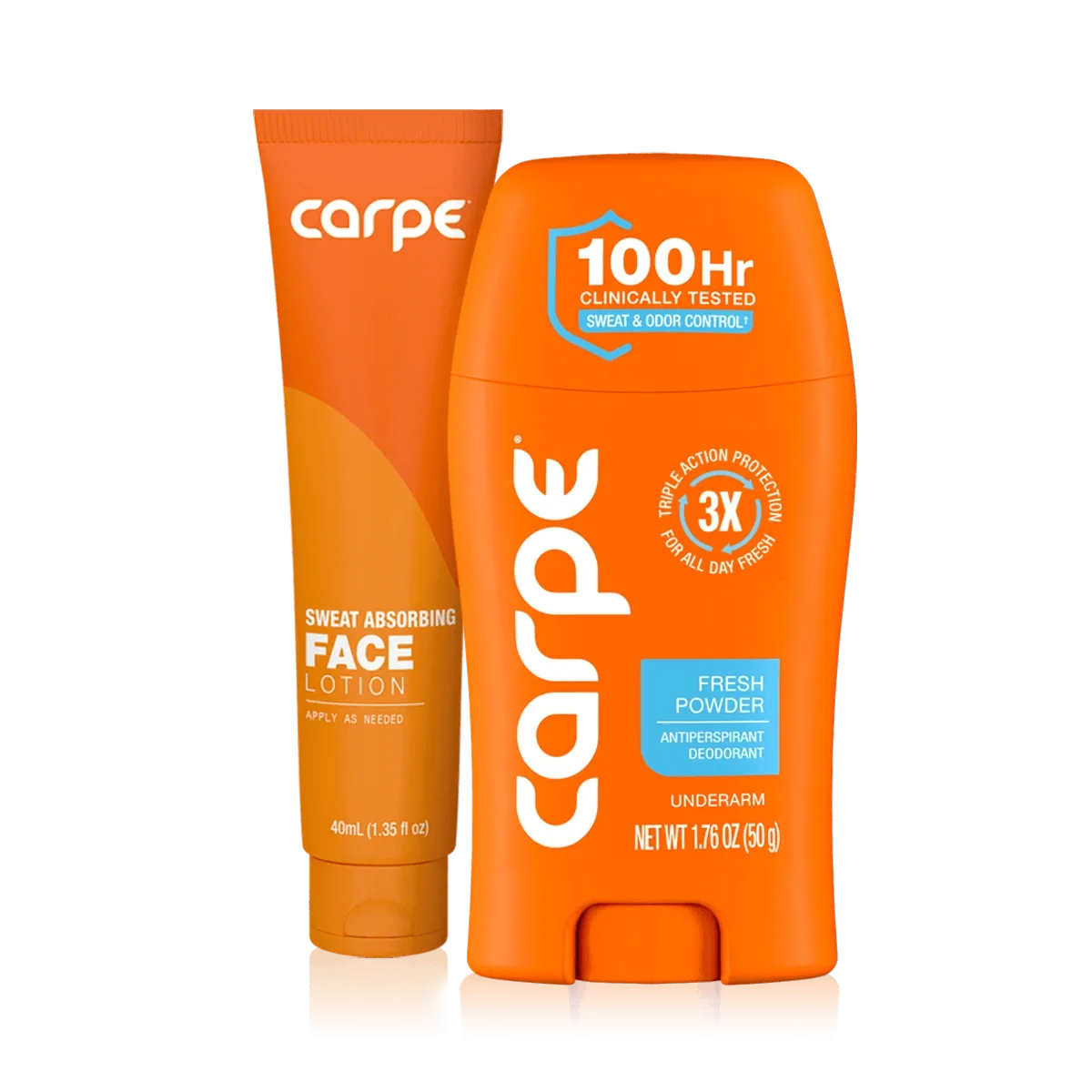
- Underarm & Face: Underarm & Face bundle includes one Underarm Antiperspirant (50 mL) and one Face Antiperspirant Lotion, targeting sweat protection for underarms and face. If you sweat heavily in both areas, this bundle provides targeted antiperspirant protection that can reduce moisture and lower the risk of sweat rash and chafing.
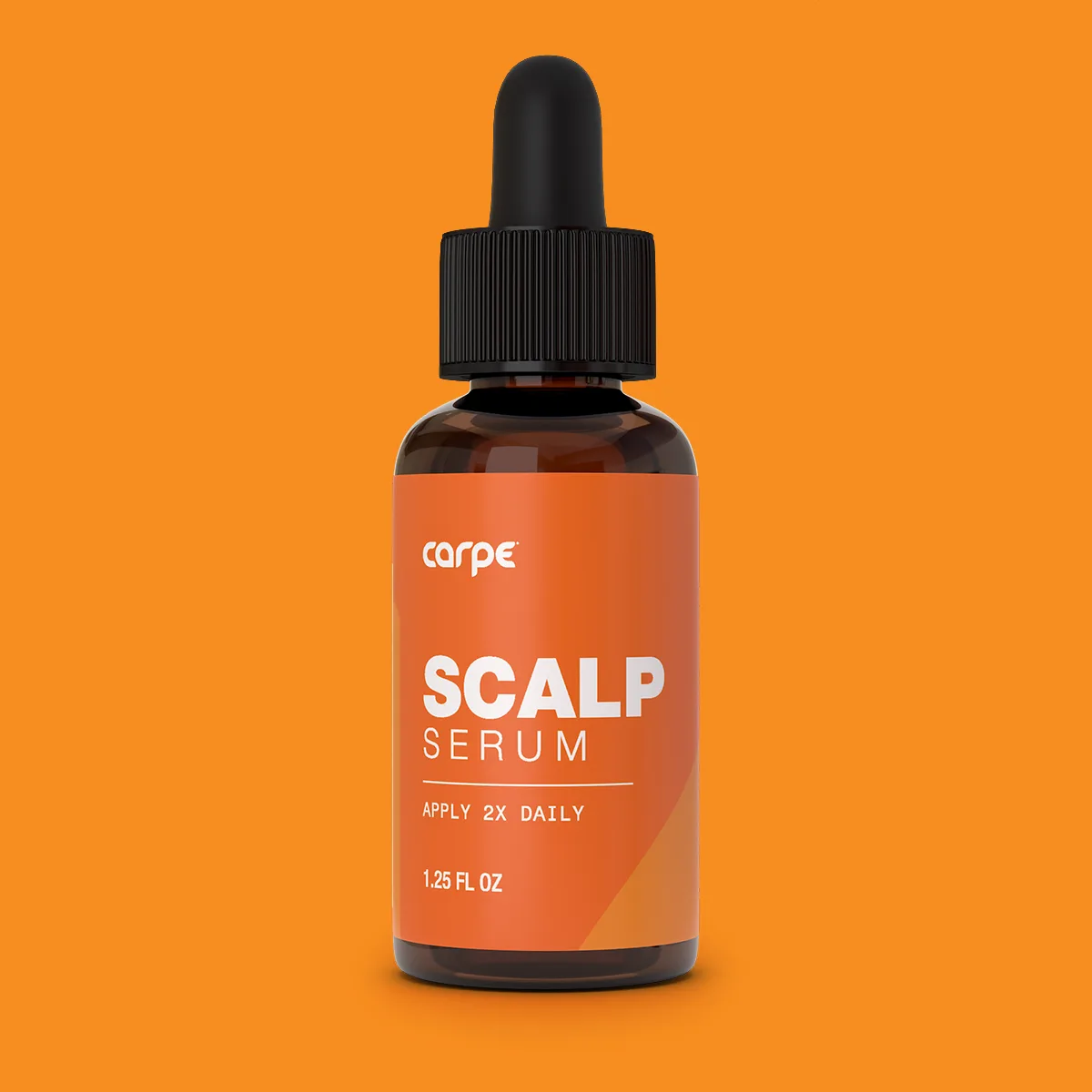
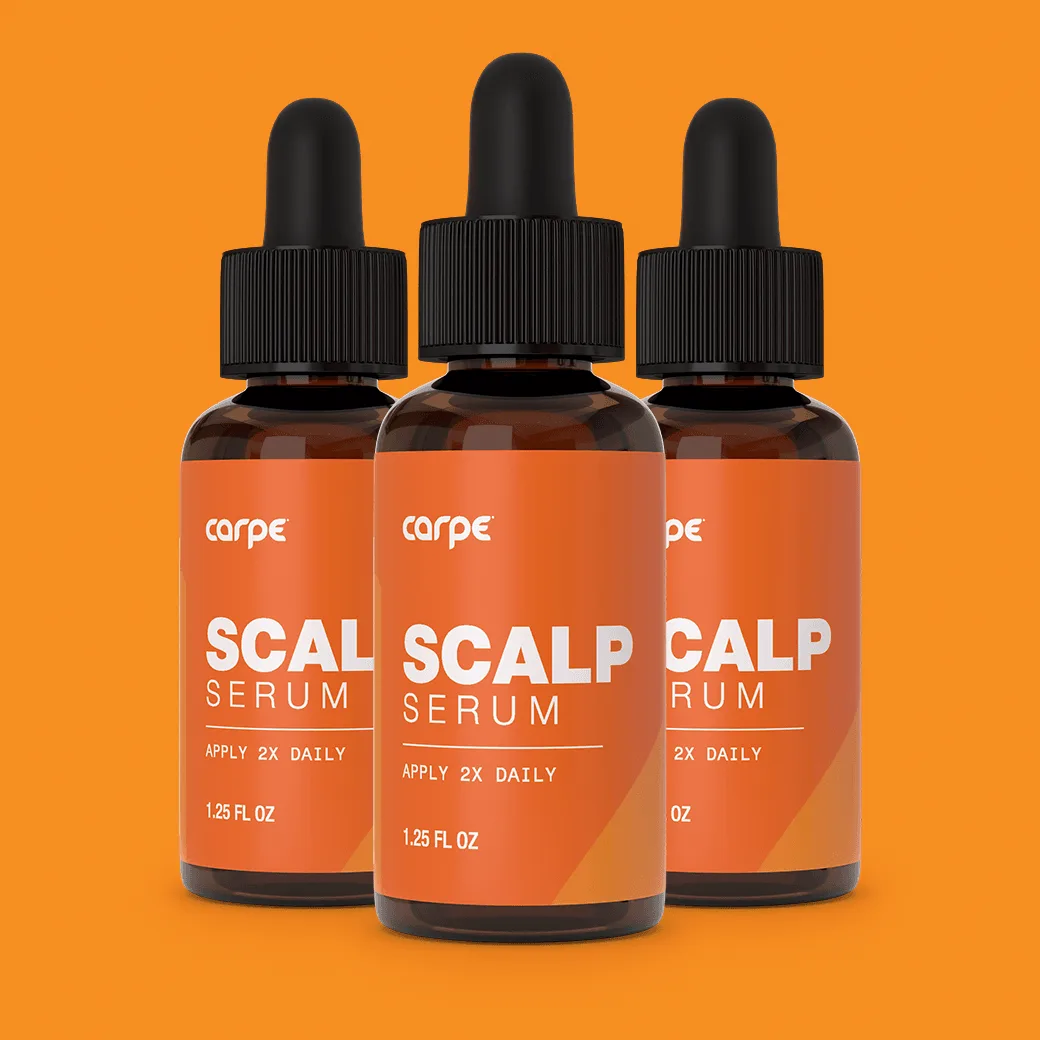
- Scalp Serum 3-Pack: Scalp Serum 3-Pack is a serum for sweaty scalps, formulated after many rounds of testing. For those dealing with sweat rash on the scalp, this serum offers a targeted solution to manage sweat and reduce irritation.