Quick answer
For a pool day where you'll get wet and re-dress quickly, choose a quick-dry mesh or synthetic cover-up. For a beach day where you want warmth, structure, and photos, choose crochet. If you only pack one, pick mesh: it dries fastest, packs smallest, and layers over any swimsuit. Crochet is the better second piece for cooler evenings and dry-land wear.
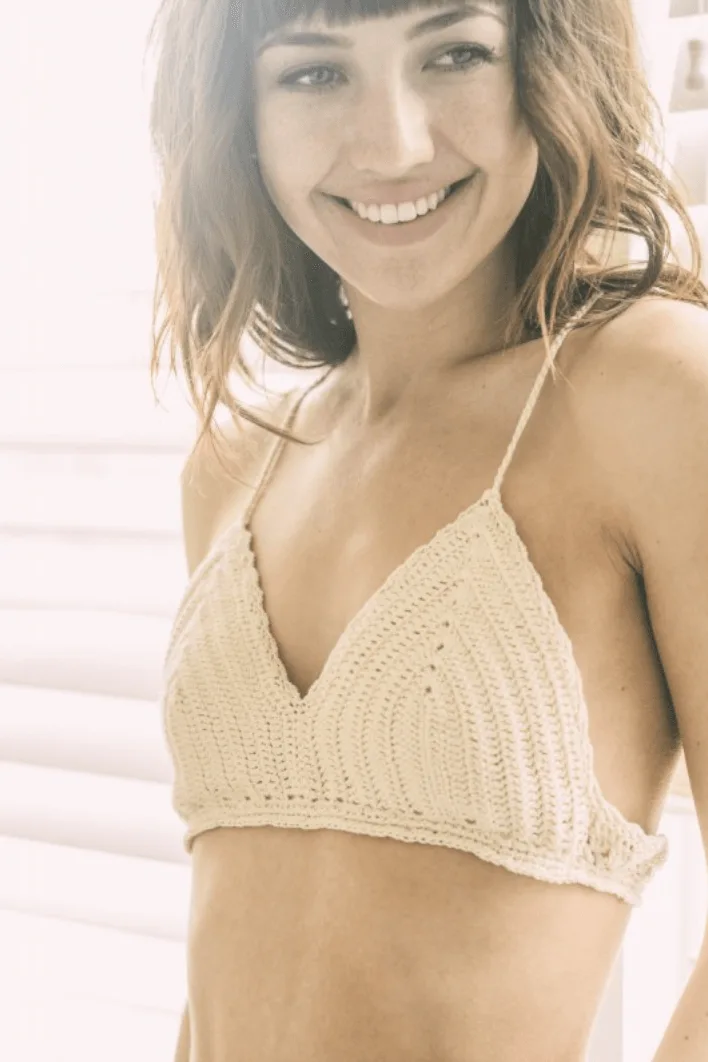
crochet
Most cover-up regret comes down to one thing: the fabric didn't match the plan. A cotton crochet piece feels perfect on a dry beach afternoon and miserable when it's heavy and dripping after a swim. A sheer mesh piece that dries in minutes can feel too revealing when you're walking through a hotel lobby.
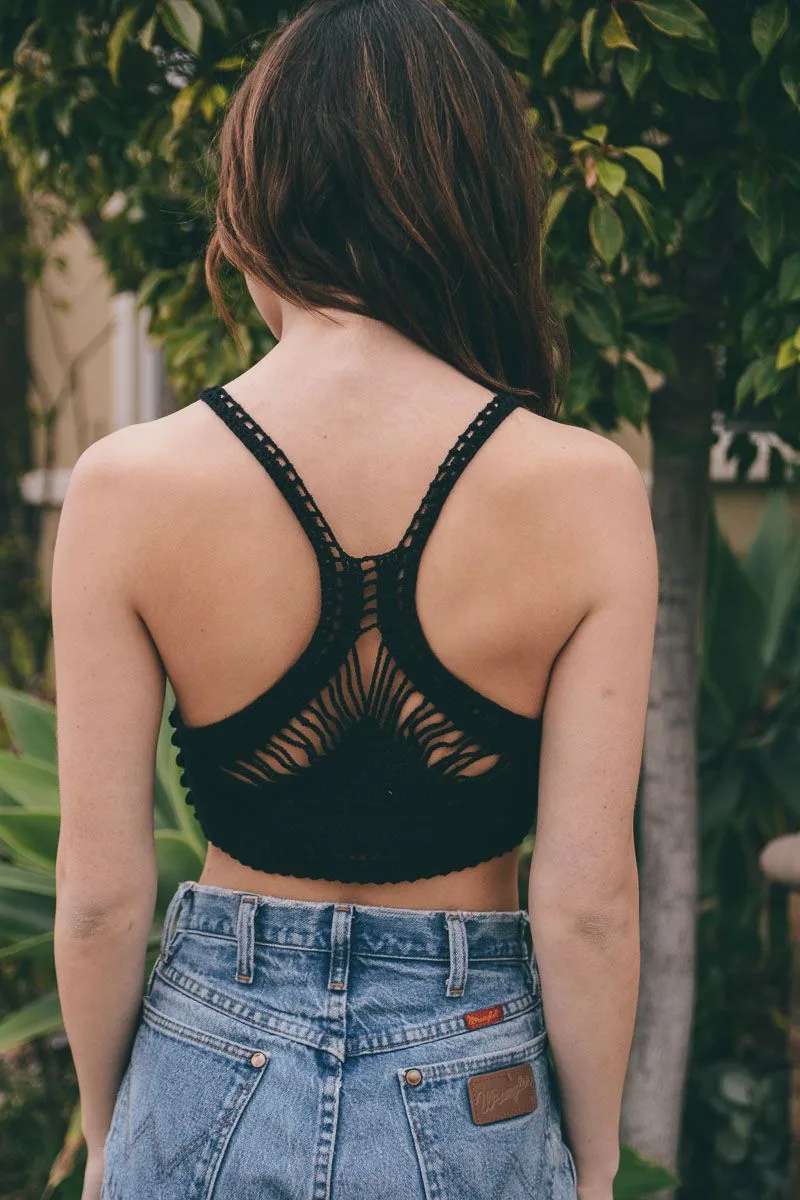
cotton crochet
This comparison breaks down the main swim cover-up materials by drying speed, coverage, packability, and where each one actually works. You'll also see how a couple of real pieces in our catalog illustrate the trade-offs, so you can match fabric to your specific pool-versus-beach routine instead of guessing from a product photo.
Crochet: warmth and texture, slow to dry
Crochet cover-ups are usually cotton or a cotton blend, which gives them a soft hand, visible texture, and a bit of warmth when the wind picks up. That open, holey structure also means airflow, so they don't feel suffocating in heat. The trade-off is water: cotton absorbs it, gets heavy, and can take hours to dry in shade or humidity.
Crochet also snags. Rings, rough beach chairs, and velcro straps catch the loops, and once a stitch pulls, it's hard to hide. If you love the look, treat crochet as dry-land wear: beach walks, lunch, sunset photos. Keep it out of the pool and off wet sand when you can.
- Best worn over a dry swimsuit, not straight out of the water
- Roll, don't hang, when packing to avoid stretching the stitches
Mesh and sheer synthetics: fast drying, minimal coverage
Mesh cover-ups are typically polyester or nylon, which barely hold water. They dry in a fraction of the time cotton needs, pack down to almost nothing, and resist stretching when wet. The catch is coverage: sheer mesh shows whatever is underneath, so it works best as a layer over a swimsuit you're happy to see, not as a modesty piece.
Durability varies with the knit. Fine power mesh holds its shape and resists pulls; loose, open mesh catches on jewelry and bag zippers. Check the seams and hem finish before you commit, because cheap mesh can curl at the edges after one wash.
- Rinse in fresh water after salt or chlorine, then air dry flat
- Choose a darker color if you want more visual coverage from a sheer fabric
Quick-dry blends and knits: the middle ground
Many cover-ups use a synthetic blend engineered to wick and dry fast while offering more opacity than mesh. These tend to drape rather than cling, which makes them more forgiving over a wet swimsuit and easier to wear into a cafe or beach bar. They're the most versatile single option if you don't want to pack two pieces.
The trade-off is feel. Quick-dry synthetics can feel slicker and less breathable than cotton crochet, and some pill or snag over time. Look for a smooth, tight knit over a loose one, and check whether the label lists the fiber content, since unlabeled blends are a gamble on both drying time and shrinkage.
- Squeeze, don't wring, to protect the knit's shape
- A quick-dry piece plus one crochet layer covers almost every trip
Pool versus beach changes the answer
At a pool, you're in and out of water constantly and often walking through indoor spaces. Fast-drying mesh or a quick-dry blend makes more sense because it won't drip on floors or stay damp against your skin. At the beach, you have more dry time and more wind, so crochet's warmth and structure earn their place.
Chlorine is another factor. It's harsh on cotton and can dull crochet over a season, while most synthetics handle pool water better with a quick rinse. If your cover-up does double duty, lean synthetic and save crochet for beach trips.
- Pool bag: one quick-dry piece
- Beach bag: quick-dry base plus a crochet layer for evenings
Fabric trade-offs at a glance
- Crochet: Warm, textured, and photogenic, but absorbs water, dries slowly, and snags on rings and rough surfaces. Choose it for dry beach hours, not pool laps.
- Mesh and sheer synthetics: Dries fastest and packs smallest, but offers minimal coverage and shows whatever is underneath. Choose it when you want a light layer over a swimsuit you love.
- Quick-dry blends: Balances opacity and drying speed and drapes instead of clinging, but can feel slicker and may pill over time. Choose it if you're packing only one cover-up.
Catalog examples that show the trade-offs
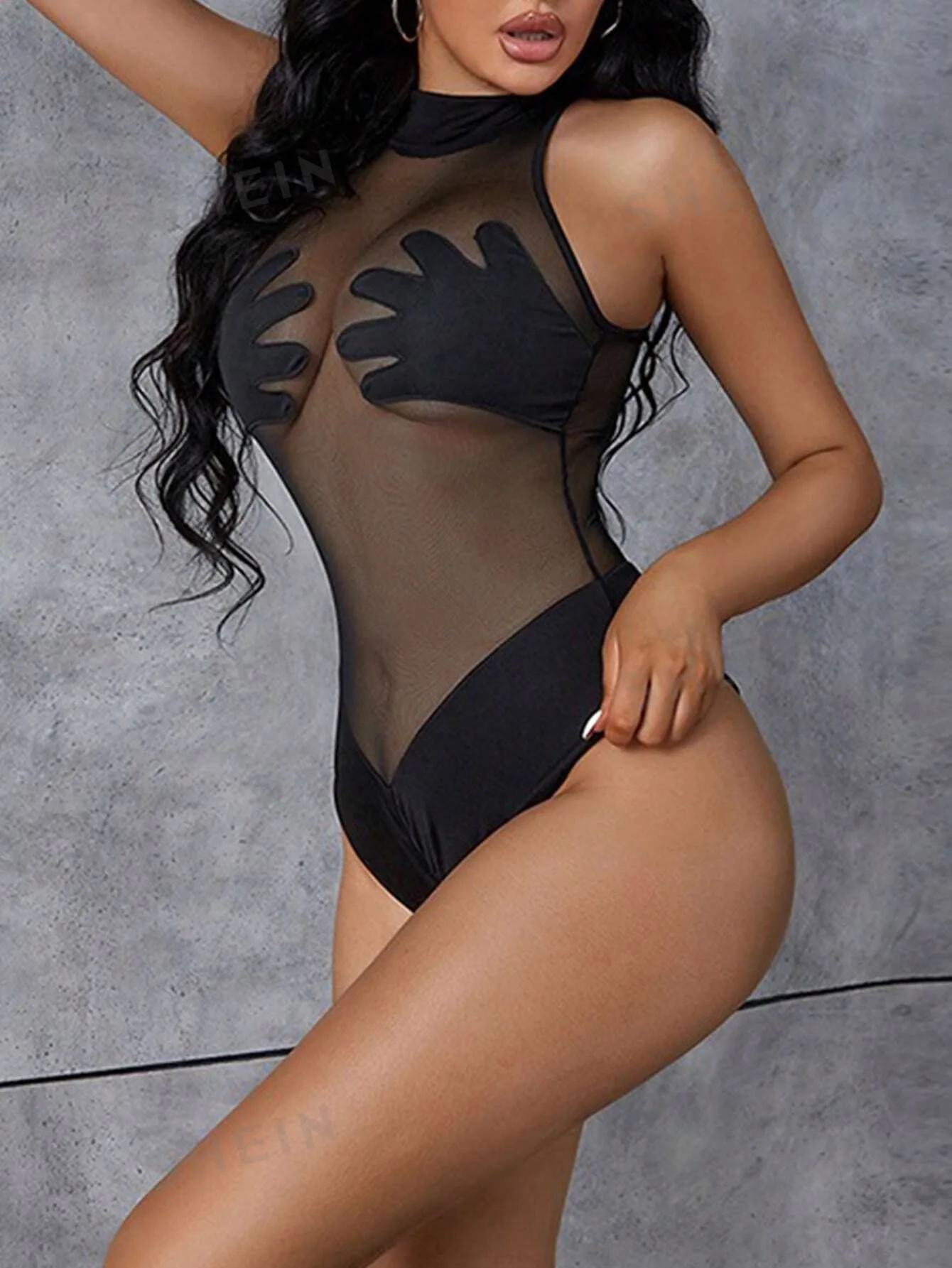
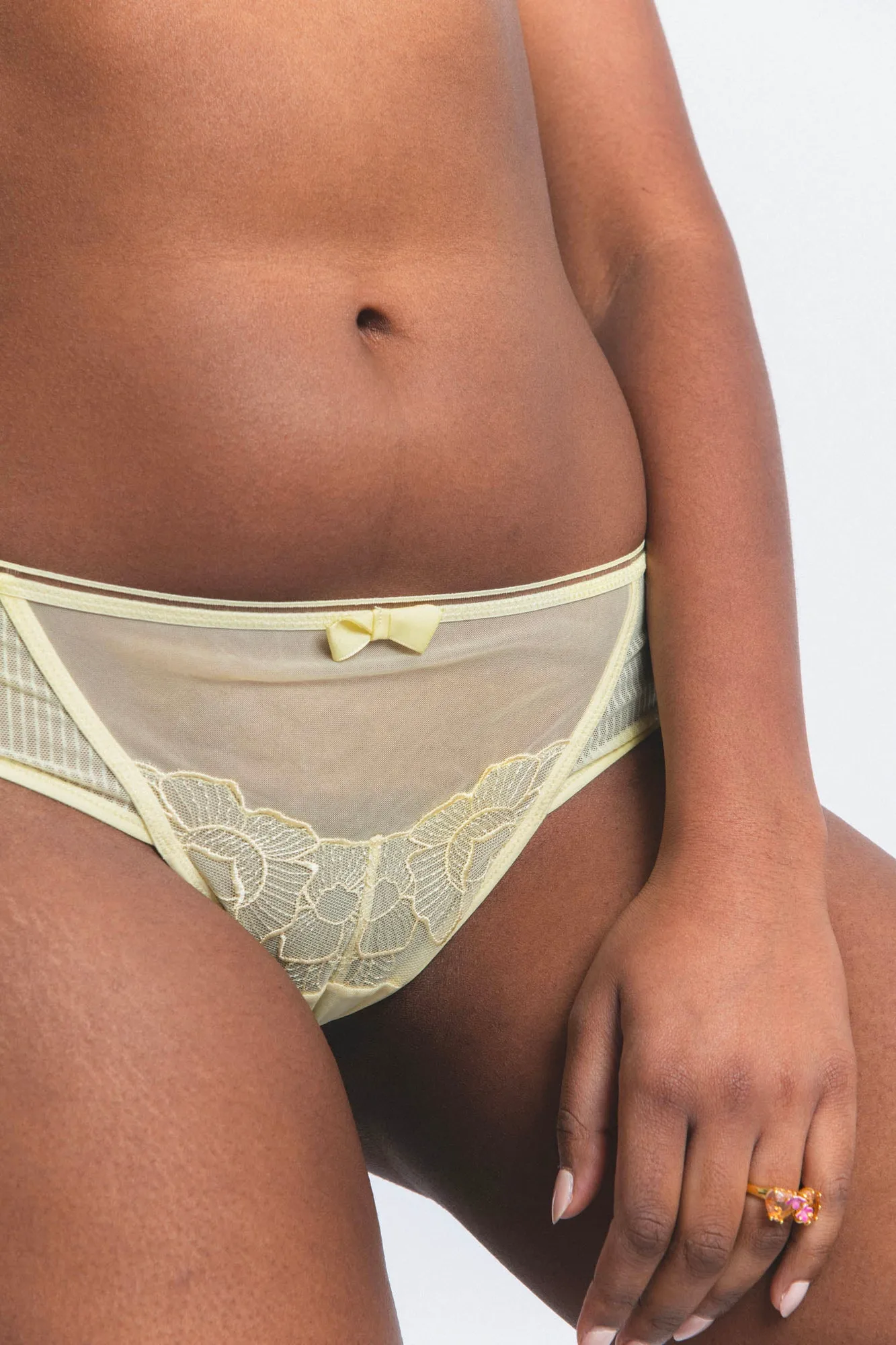
- Hands Off Mesh Bodysuit: Sizes S through XL with listed US sizes, plus length, bust, waist, and hip measurements for each size. Mesh is the fast-drying end of the spectrum, and having full measurements per size lets you judge coverage and fit before ordering rather than guessing from a photo.
- Lifting Nipple Cover Silicone: One size, 5.9 by 4.3, available in Size and Style options. If you choose a sheer cover-up, a discreet silicone cover is what makes the layering feel intentional instead of exposed, and the one-size format keeps it simple to add to an order.
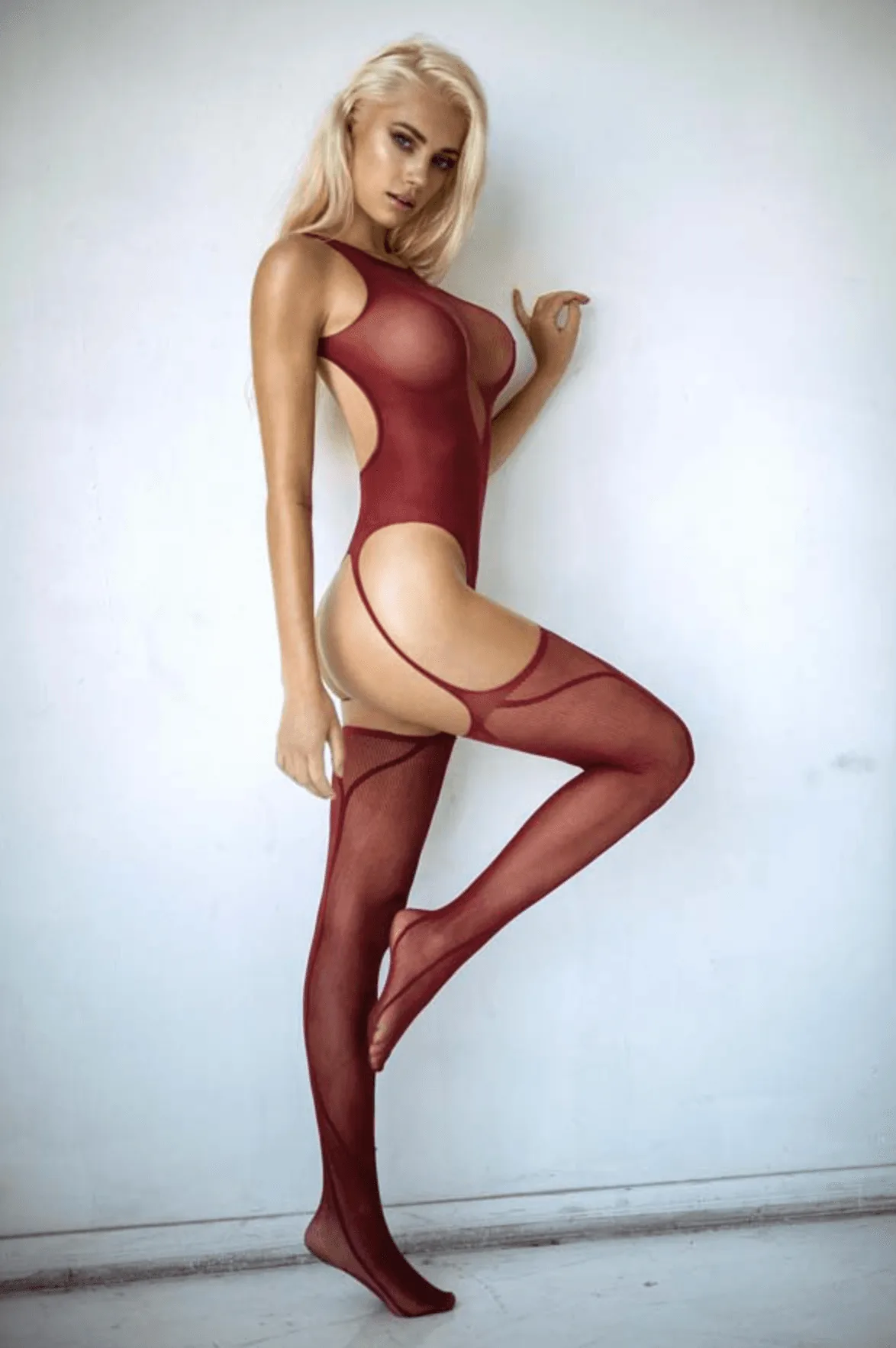
- What You Want: Soft stretch fabric with sheer contour panels, a plunging neckline, an open back, and attached garter tights, in regular and curve sizing, recommended for 90-175 lbs and 5' to 5'10". This is a reminder that sheer panels and open backs are a design choice, not a flaw, so pair them with a cover-up fabric that gives you the coverage level you actually want.
Which fabric should you buy?
Best for
- Pool days and travel where you need fast drying and minimal packing space
- Sheer layering over a swimsuit you're happy to show, with a discreet cover underneath
- Beach evenings and photos where warmth and texture matter more than drying speed
Not for
- Anyone who wants full opacity from a single layer should skip mesh and choose a quick-dry opaque blend
- Swimmers who stay wet for hours should skip crochet, which gets heavy and dries slowly
- People who dislike synthetic feel against the skin should lean toward cotton crochet for dry wear
Match the fabric to the day, not the photo. Quick-dry mesh or a synthetic blend handles pools, travel, and repeat swims; crochet earns its place on dry beach afternoons and cooler evenings. If you're only buying one, start with a fast-drying piece and add crochet later.