Quick Answer
Choose a lightweight sarong or wrap when you want adjustable coverage that packs small and ties in several ways. Choose a structured one-piece swimsuit when you want the swimsuit itself to be the outfit. If you prefer a loose layer over your swimwear, a kimono-style cover-up works best, but check the fabric weight and length before buying.
Start With How Much Coverage You Actually Want
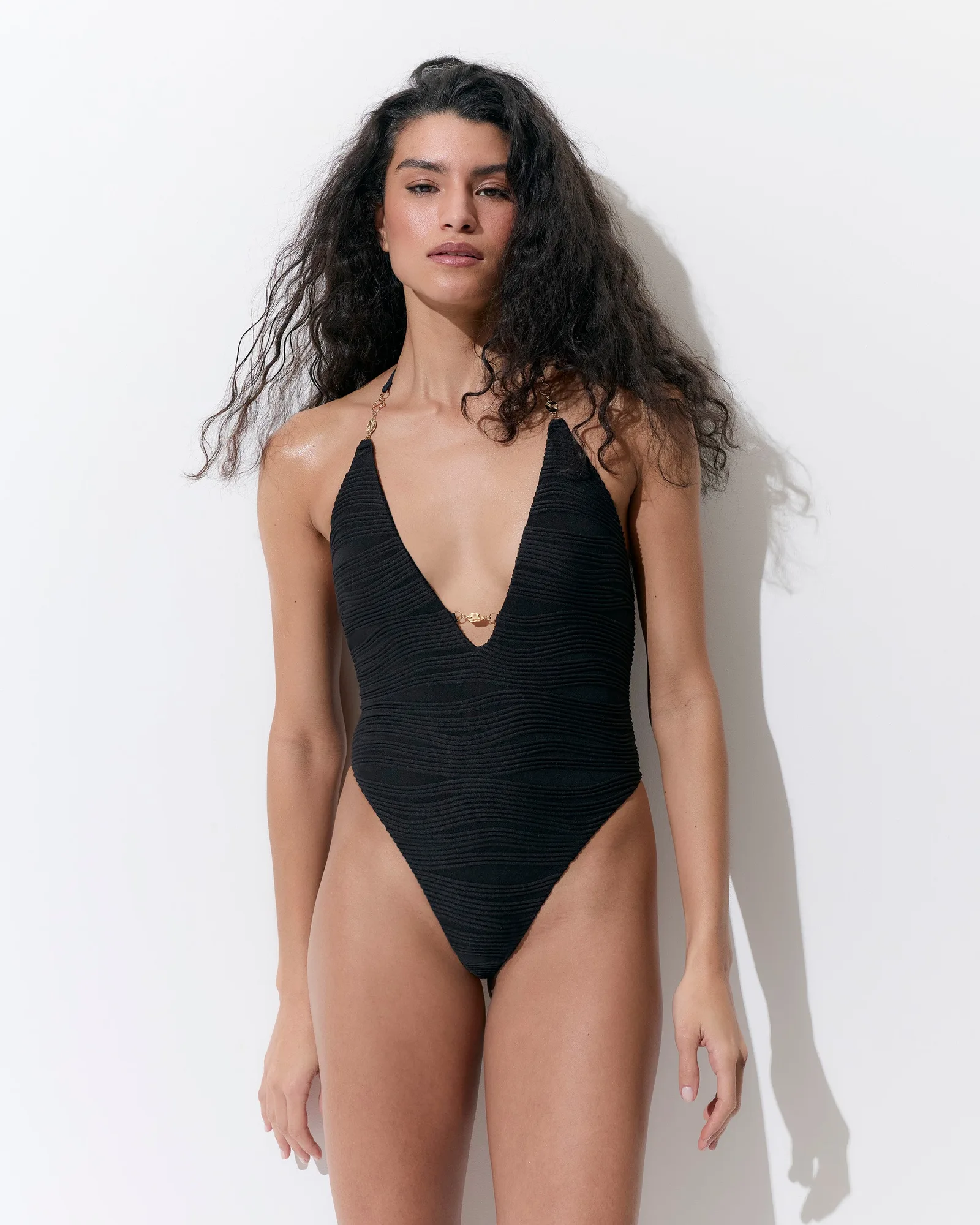
Cover-ups sit on a spectrum from minimal to full. A sarong wrap gives you adjustable coverage because the longer edges act as ties, so you can fasten it at the front, back or side and change how much skin is covered in seconds. A one-piece swimsuit with a plunge neckline and open back, like the Orta Plunge Swimsuit Black, provides full torso coverage but still reads as swimwear rather than clothing. Kimonos and loose layers add coverage without clinging, which suits poolside lounging or walking to a beach bar. Decide whether you want to adjust coverage during the day or set it once and forget it.
Fabric and Weight Decide Where You Can Wear It
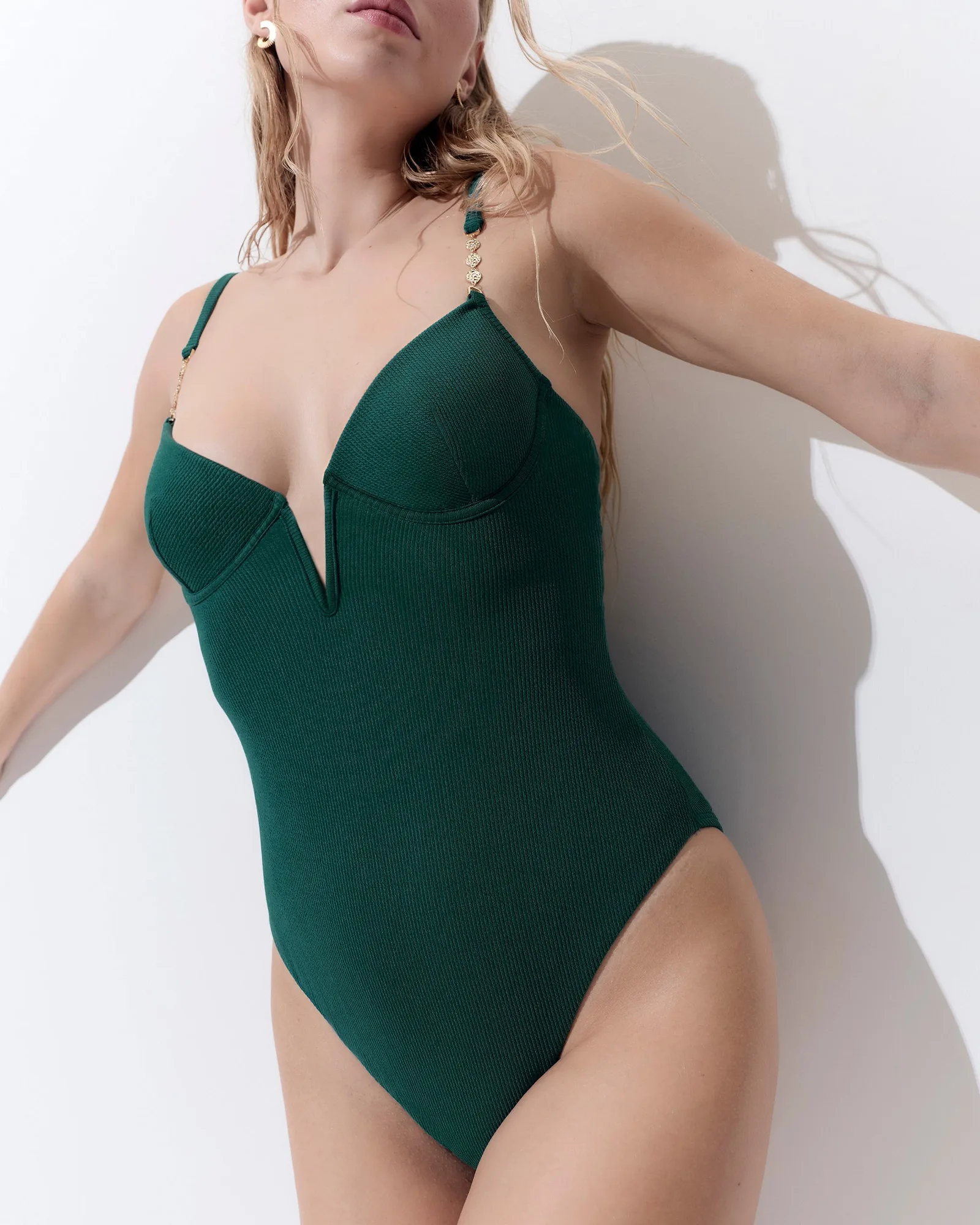
Sheer recycled chiffon, used in the Cori Sarong Navy Peony, drapes softly and dries quickly, making it a strong choice for beach and poolside looks. Textured rib swim fabric with stretch elastic, used in the Caspian Underwire Swimsuit Teal, holds its shape in water and offers a flexible, supportive fit. A lightweight sarong can double as a scarf or a top layer, while a structured swimsuit cannot. If you plan to move between water and a restaurant, pick a cover-up that looks intentional when wet rather than one that becomes heavy or transparent.
Match the Cover-Up to Your Swimwear Silhouette
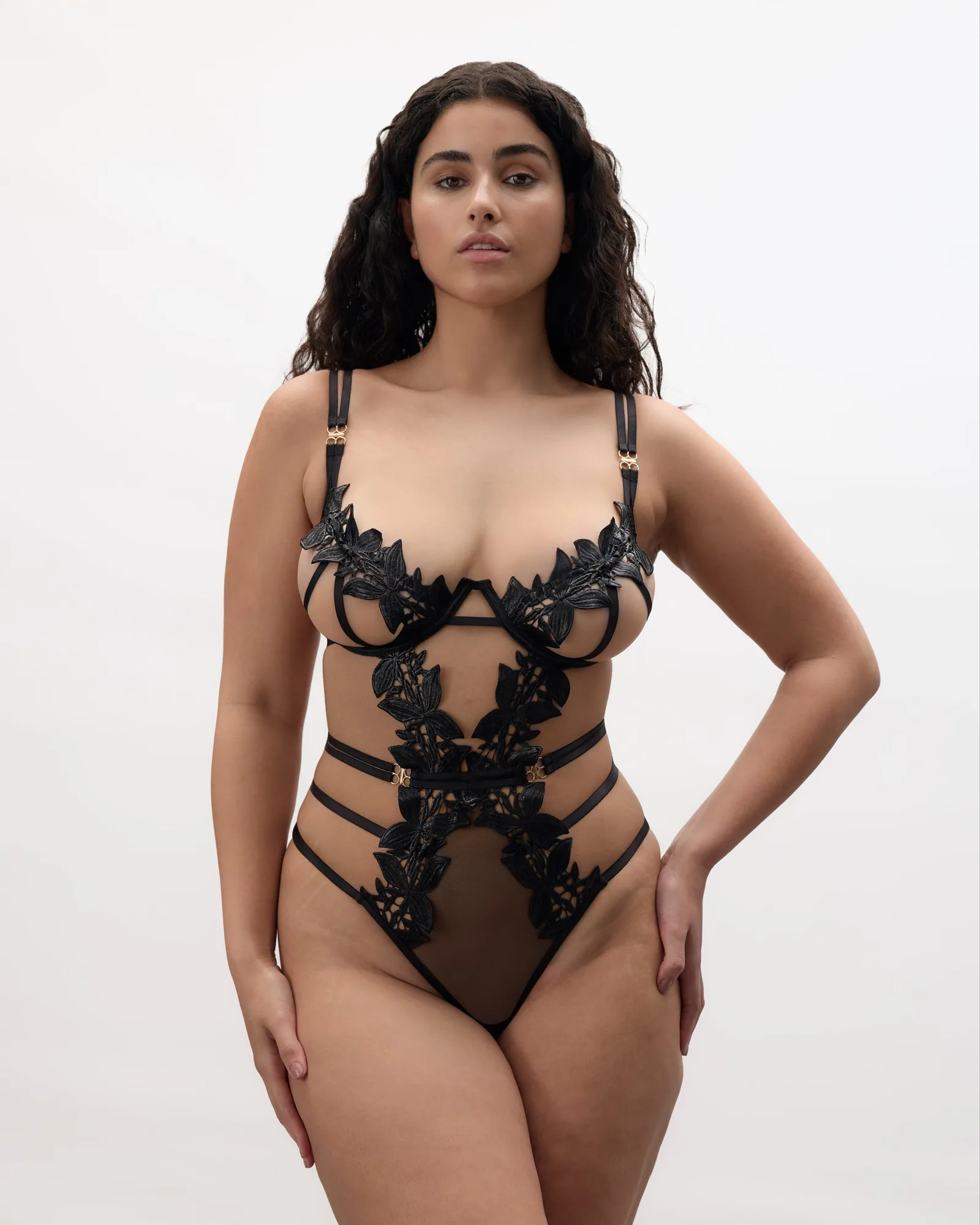
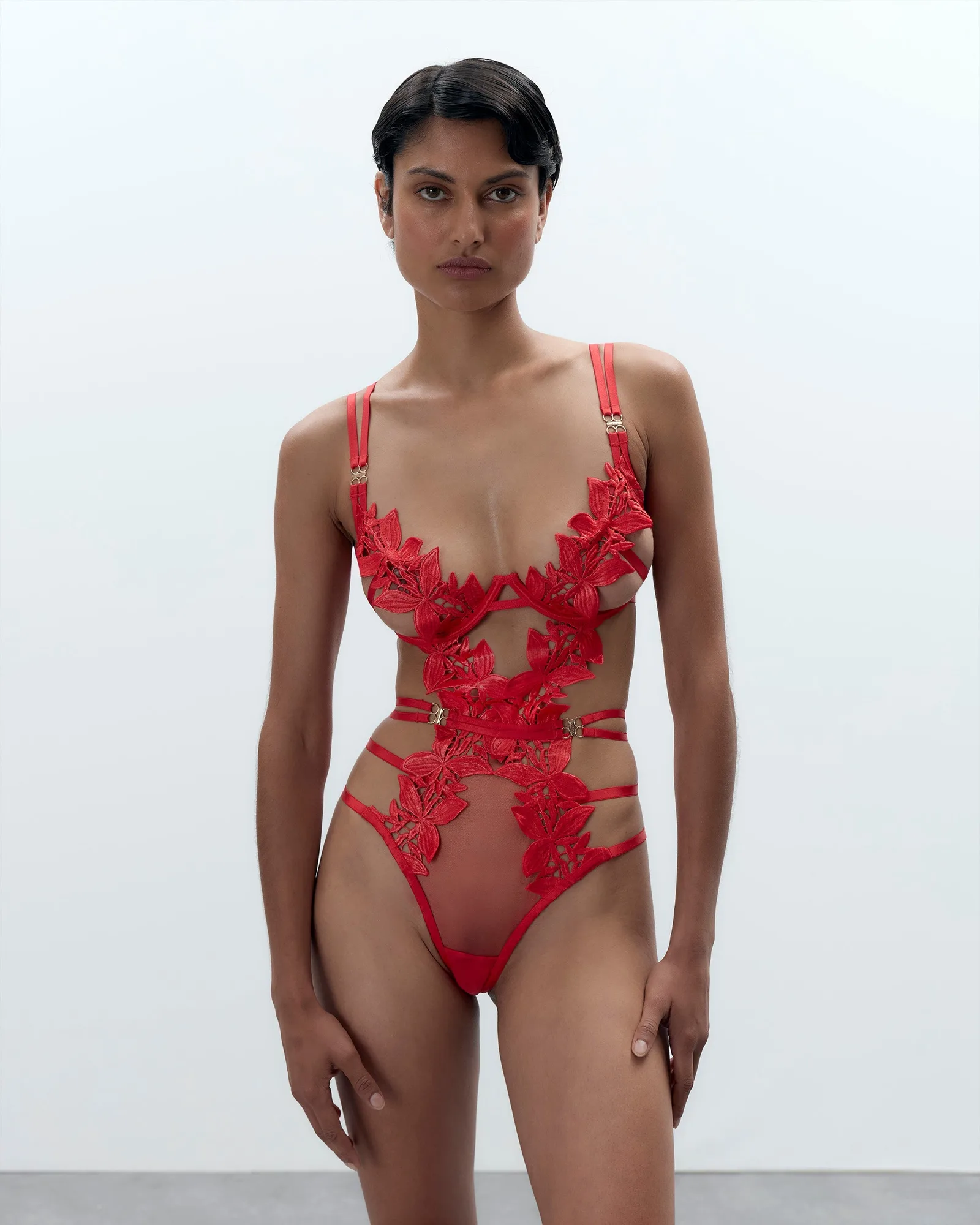
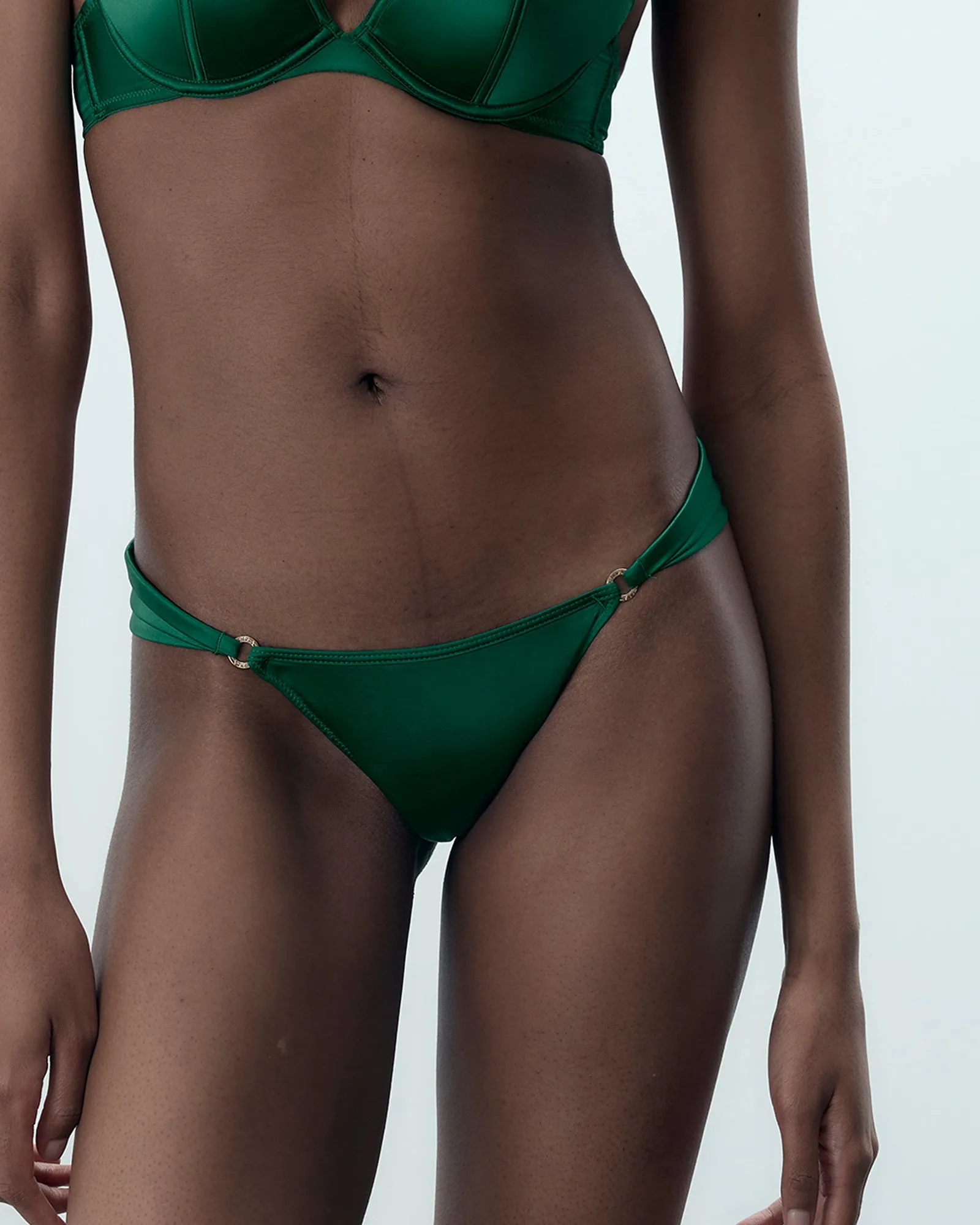
A high-leg, low-back swimsuit creates a balanced finish that pairs well with a short sarong tied at the hip. A plunge swimsuit with gold-tone embellishments, like the Orta Plunge Swimsuit Black, already has decorative detail, so a plain or sheer cover-up prevents visual clutter. If your swimsuit has a deep centre V-wire and underwired cups, as the Caspian Underwire Swimsuit Teal does, a wrap that ties at the side keeps the neckline visible. For an open-cup bodysuit worn as lingerie rather than swimwear, a sarong or kimono adds a layer without hiding the embroidery and strapping.
Fit Checks Before You Buy
For a sarong, check the length against your height and where you want the hem to fall. A sarong that ties at the front, back or side gives you more fit flexibility than a fixed wrap. For a one-piece swimsuit, confirm the adjustable straps and the coverage level: a high-rise fit with a cheeky cut offers less rear coverage than a medium-coverage style. If you are between sizes, prioritize adjustable straps and stretch elastic over a fixed fit. For a kimono-style cover-up, check sleeve width so it does not catch on bag straps, and confirm the fabric is lightweight enough to dry quickly.
Decision Rules for Choosing a Cover-Up
- If you want adjustable coverage: Choose a sarong wrap with ties that fasten at the front, back or side, such as the Cori Sarong Navy Peony. Best for travel and changing coverage between swimming and walking.
- If you want the swimsuit to be the outfit: Choose a structured one-piece with underwired cups and adjustable straps, such as the Caspian Underwire Swimsuit Teal. Skip a separate cover-up when the swimsuit already provides shape and coverage.
- If you want a decorative focal point: Choose a swimsuit with embellishments or a plunge neckline, such as the Orta Plunge Swimsuit Black, and keep the cover-up sheer or plain. Avoid busy cover-ups that compete with gold-tone detailing.
- If you are layering over lingerie: Choose a loose cover-up that does not compress embroidery or strapping, such as a kimono over the Ophelia Open Bodysuit Red. Check that the layer does not flatten open-cup construction.
Product Facts
- Cori Sarong Navy Peony: Cori Sarong Navy Peony is crafted from sheer recycled chiffon with longer edges that act as adjustable ties, so it can be fastened at the front, back or side. You get adjustable coverage and multiple styling options from one lightweight piece, which suits travel and poolside wear.
- Ophelia Open Bodysuit Red: Ophelia Open Bodysuit Red features floral embroidery guipure lace, open cup construction, soft mesh panelling, a thong finish and adjustable straps. It works as a lingerie layer under a cover-up, and the open construction means you should choose a cover-up that does not compress the embroidery.
- Orta Plunge Swimsuit Black: Orta Plunge Swimsuit Black has a textured wave pattern, gold-tone embellishments, a plunge neckline, open-back design, high-rise fit and cheeky cut. The decorative detail and open back mean a simple, sheer cover-up keeps the swimsuit as the focal point.
- Caspian Underwire Swimsuit Teal: Caspian Underwire Swimsuit Teal is made from textured rib swim fabric with stretch elastic, underwired cups, a structured deep centre V-wire, high-leg cut, low back and adjustable straps with gold detailing. The supportive structure and adjustable straps make it a strong choice if you want the swimsuit itself to provide coverage and shape.
Who Each Cover-Up Suits
Best for
- Travelers who want one lightweight piece that ties in several ways
- Poolside loungers who want adjustable coverage without a fixed wrap
- Shoppers who want the swimsuit itself to provide support and shape
Not for
- Anyone who wants full-coverage clothing rather than a swimwear layer
- Shoppers who prefer a fixed, structured cover-up with sleeves and a set length