Quick answer
Rinse your swimwear in cool fresh water immediately after every swim, then air-dry it flat in the shade. Chlorine and salt both weaken stretch fibers over time, and direct sun fades color fast. A quick rinse and smart drying routine is the single most effective way to protect swimwear fabric.
Chlorine, salt, and sunlight each attack swimwear fabric differently, and the damage adds up faster than most people expect. A suit that gets rinsed and dried correctly can hold its shape and color for seasons; one that sits damp in a bag starts to break down in weeks.
This FAQ answers the questions swimmers ask most about keeping swimwear in good condition, from post-swim rinsing to drying, storing, and dealing with fading.
Why does chlorine damage swimwear?
Chlorine is a disinfectant, and it does not distinguish between pool bacteria and the elastane in your swimsuit. It oxidizes the stretch fibers that let the fabric snap back into shape. Over repeated exposure, those fibers lose elasticity, which shows up as sagging, baggy knees, or a suit that never quite fits the same way again.
The fix is timing, not products. Rinsing within 30 minutes of leaving the pool removes most of the chlorine before it can keep working on the fibers. If you swim laps regularly, rotate between two suits so each one gets a full dry and rest cycle.
- Rinse in cool water as soon as you can after swimming.
- Never leave a damp suit in a plastic bag or gym locker.
- Rotate two suits if you swim more than twice a week.
Does salt water damage swimwear the same way?
Salt water is less aggressive than chlorine, but it still leaves salt crystals in the fabric that abrade fibers as the suit moves and dries. Salt also pulls moisture from the fibers, which can make lace or mesh feel stiff and brittle over time. The damage is slower, but it is cumulative if you swim in the ocean often.
A fresh-water rinse after ocean swims is just as important as after pool swims. Pay attention to seams and lined areas where salt tends to linger. If the suit still feels stiff after rinsing, soak it in cool water for 10 minutes and rinse again.
- Rinse after every ocean swim, even if the suit looks clean.
- Soak stiff suits in cool water to dissolve trapped salt.
- Check lined cups and seams where salt collects.
How do I prevent swimwear from fading in the sun?
UV light breaks down dye molecules, which is why bright colors and dark blacks fade first. The sun does most of its damage while the suit is drying, not while you are wearing it. Drying in direct sunlight is the fastest way to dull a new suit.
Air-dry swimwear flat in the shade, ideally on a towel or drying rack. Avoid hanging it by the straps, which stretches them out. If you must dry outside, turn the suit inside out so the outer color layer faces away from the sun.
- Dry in shade, not direct sun.
- Lay flat or hang from the middle, never from the straps.
- Turn the suit inside out if drying outdoors.
Can I wash swimwear in a washing machine?
Hand washing is safest, but a gentle machine cycle works if you use a mesh laundry bag and cold water. Skip the spin cycle and never put swimwear in the dryer. Heat is the enemy of stretch fibers, and dryer heat can cause immediate, permanent damage.
Use a tiny amount of mild detergent. Regular laundry detergent and fabric softener leave residues that break down elastane and can cause discoloration. If you are washing delicate lace pieces alongside swimwear, a laundry bag keeps everything from snagging.
- Use a mesh laundry bag on a gentle, cold cycle.
- Skip the dryer entirely — air-dry only.
- Avoid fabric softener and bleach.
How should I store swimwear between wears?
Make sure the suit is completely dry before storing it. Even slightly damp swimwear grows mildew, which stains fabric and weakens fibers. Store suits flat or loosely folded in a drawer, not compressed in a tight stack.
For travel, pack swimwear in a breathable pouch rather than a sealed plastic bag. If you have to pack it damp, take it out and air-dry it as soon as you arrive. A dedicated laundry bag can double as a travel organizer and keeps wet suits separate from dry clothes.
- Store only when bone dry.
- Keep suits loose, not compressed.
- Use a breathable bag for travel, not sealed plastic.
Swimwear care quick reference
Rinse timing
Rinse in cool fresh water within 30 minutes of leaving the pool or ocean. This single step prevents most chlorine and salt damage.
Drying method
Air-dry flat in the shade. Never use a dryer or hang by the straps. Shade drying prevents fading and stretching.
Washing
Hand wash or use a mesh laundry bag on a gentle cold cycle with mild detergent. Skip fabric softener and bleach entirely.
Storage
Store only when completely dry, loosely folded in a drawer or breathable bag. Damp storage causes mildew and fiber breakdown.
Products that help you care for delicate fabrics
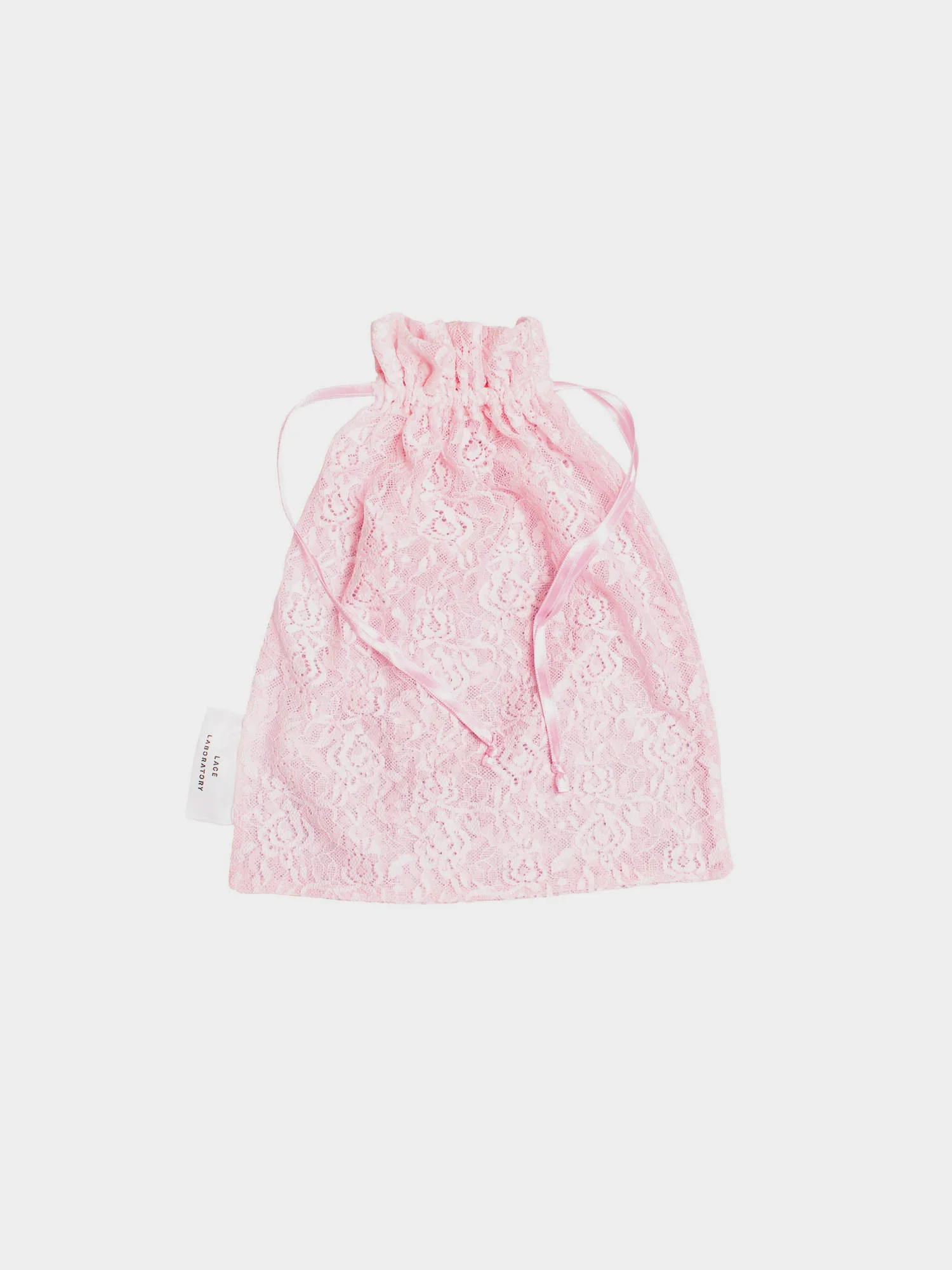
- Laundry Bag - Candy Pink: Thoughtfully designed to shield lace lingerie from snagging and tangling in the wash, helping preserve fabric, fit and shape. Lightweight and elegant in soft Candy Pink with a secure drawstring closure. Use it for gentle machine washing of swimwear and delicates, or as a travel organizer to keep damp suits separate from dry clothes.
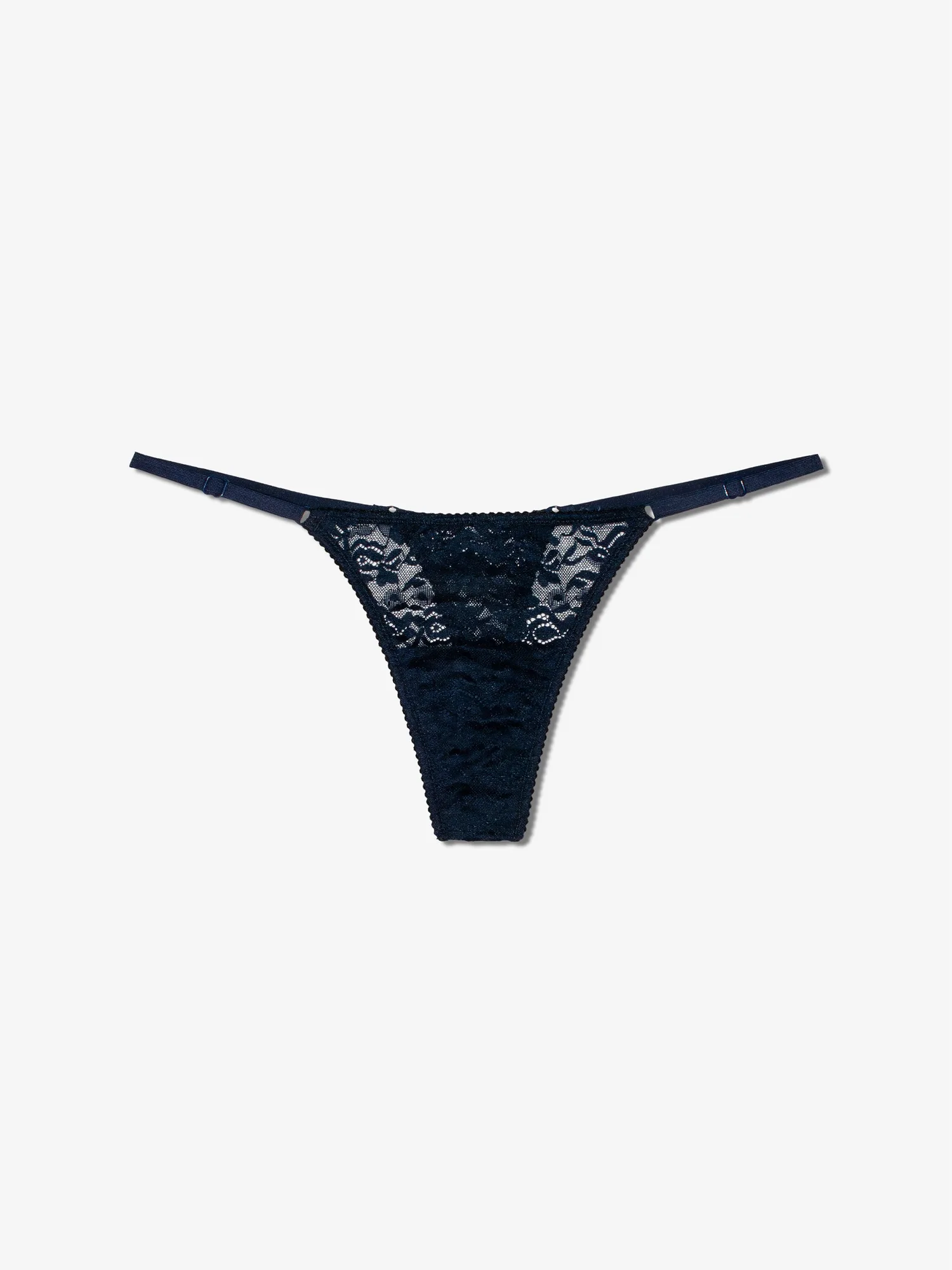
- G String - Midnight Saga: Made of 40% recycled material with adjustable hip straps for a personalized fit. If you want a lower-impact option for beach or pool days, this piece shows how recycled fabrics can still deliver softness and adjustability.
Chlorine, salt, and sun all shorten the life of swimwear, but the countermeasures are simple: rinse promptly, dry in the shade, and store dry. Build those three habits and your suits will keep their fit and color far longer.