Quick Answer
Swimwear uses chlorine-resistant, quick-dry fabrics like nylon-spandex blends, while lingerie relies on delicate lace, mesh, and cotton for comfort and support. Care routines differ: rinse swimwear immediately after swimming, hand-wash lingerie in cold water. Choose swimwear for water activities and lingerie for daily wear or special occasions.
Fabric Composition and Performance
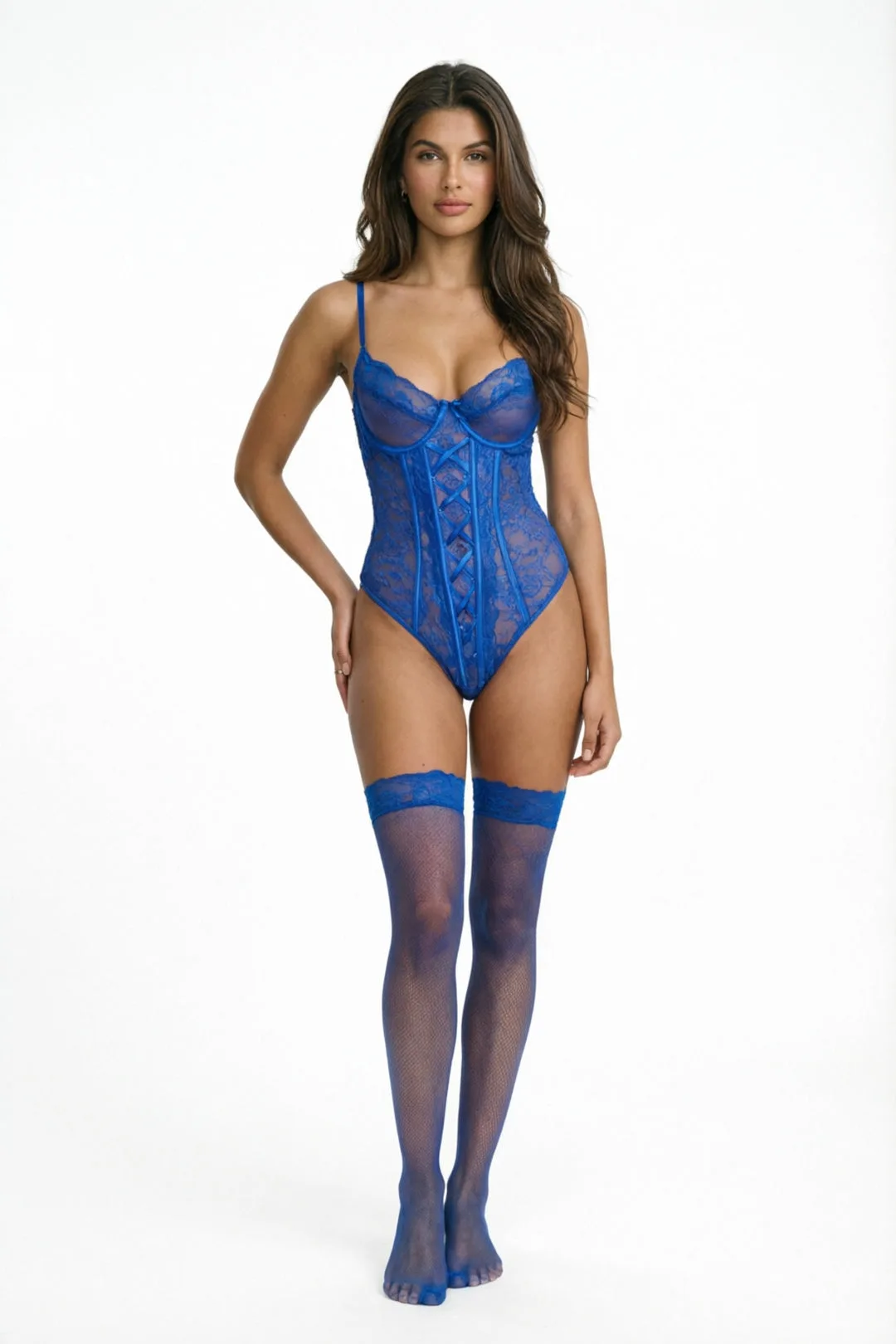
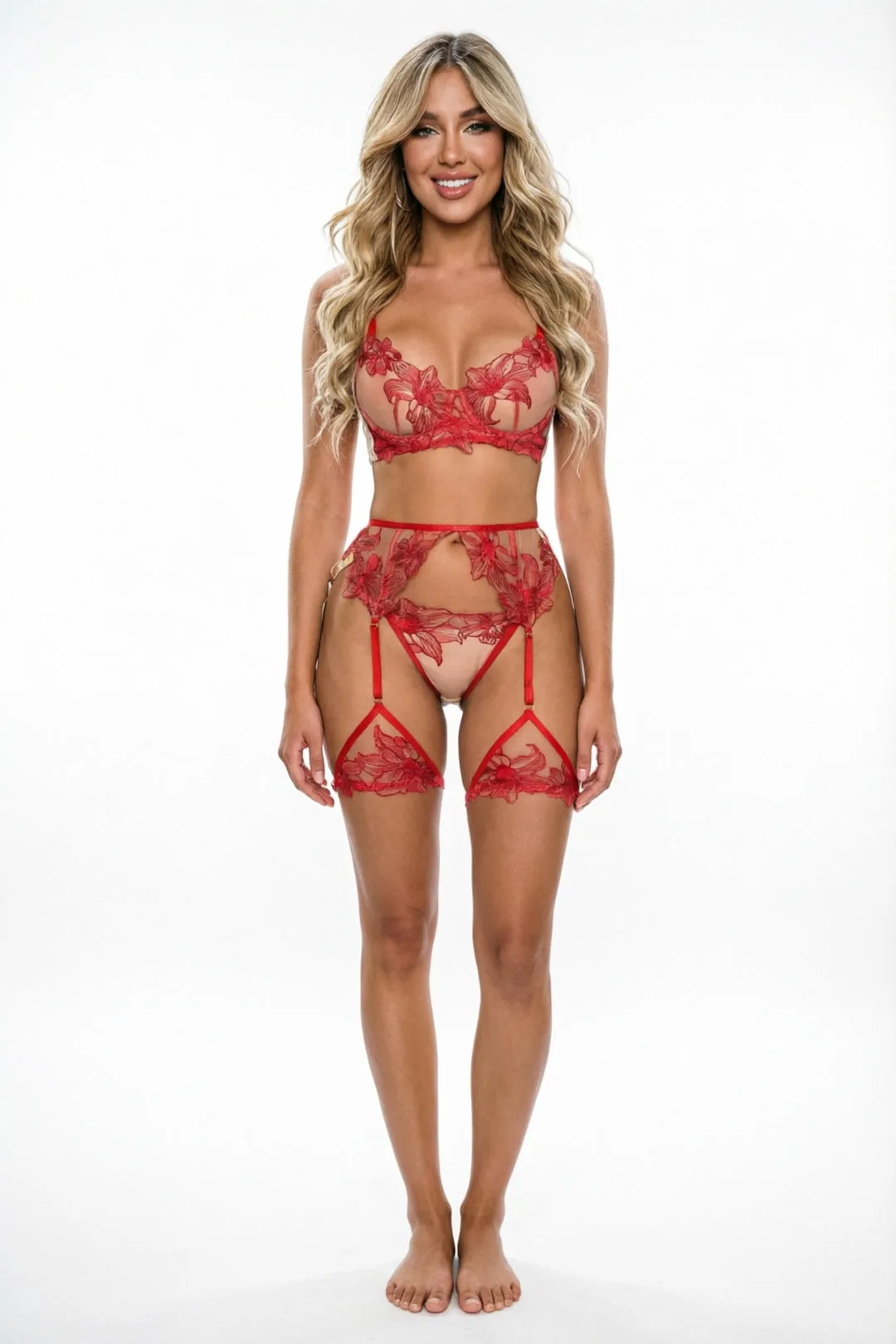
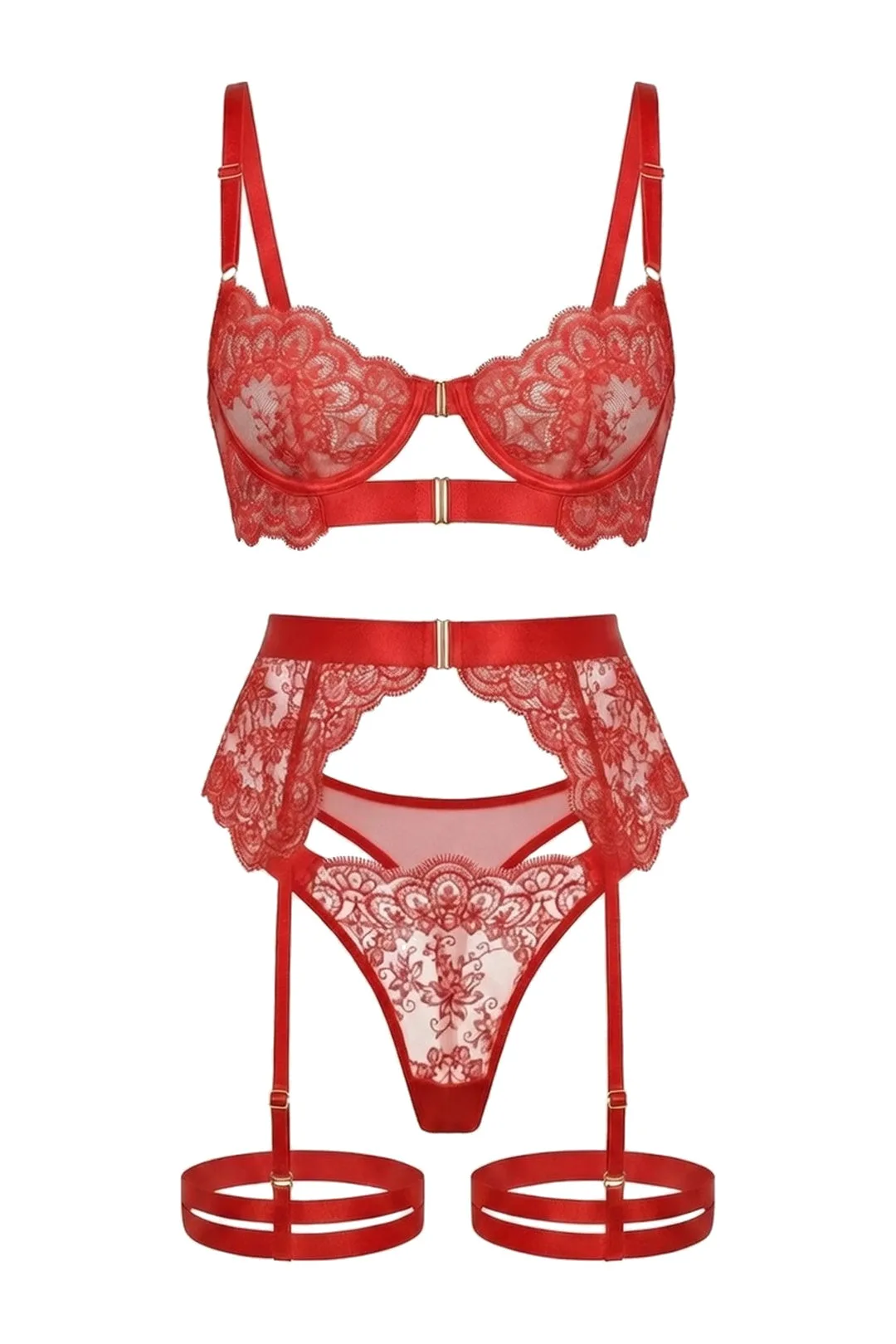
Swimwear fabrics are engineered to withstand chlorine, saltwater, and sun exposure. They typically contain high percentages of nylon or polyester blended with spandex for stretch and shape retention. Lingerie, on the other hand, prioritizes softness and breathability with materials like lace, mesh, cotton, and microfiber. Lace sets often include sheer panels and decorative elements that are not designed for prolonged water contact.
Care Routines That Extend Lifespan
For swimwear, rinse in cool fresh water immediately after use to remove chlorine and salt. Hand-wash with a mild detergent and avoid wringing. Lay flat to dry away from direct sunlight. Lingerie requires similar gentleness: hand-wash in cold water with a delicate detergent, reshape while damp, and air dry. Never machine dry either category—heat breaks down elastic fibers. Using a mesh laundry bag for machine-washing lingerie on a delicate cycle is acceptable only if the care label permits it.
When to Choose Swimwear vs Lingerie
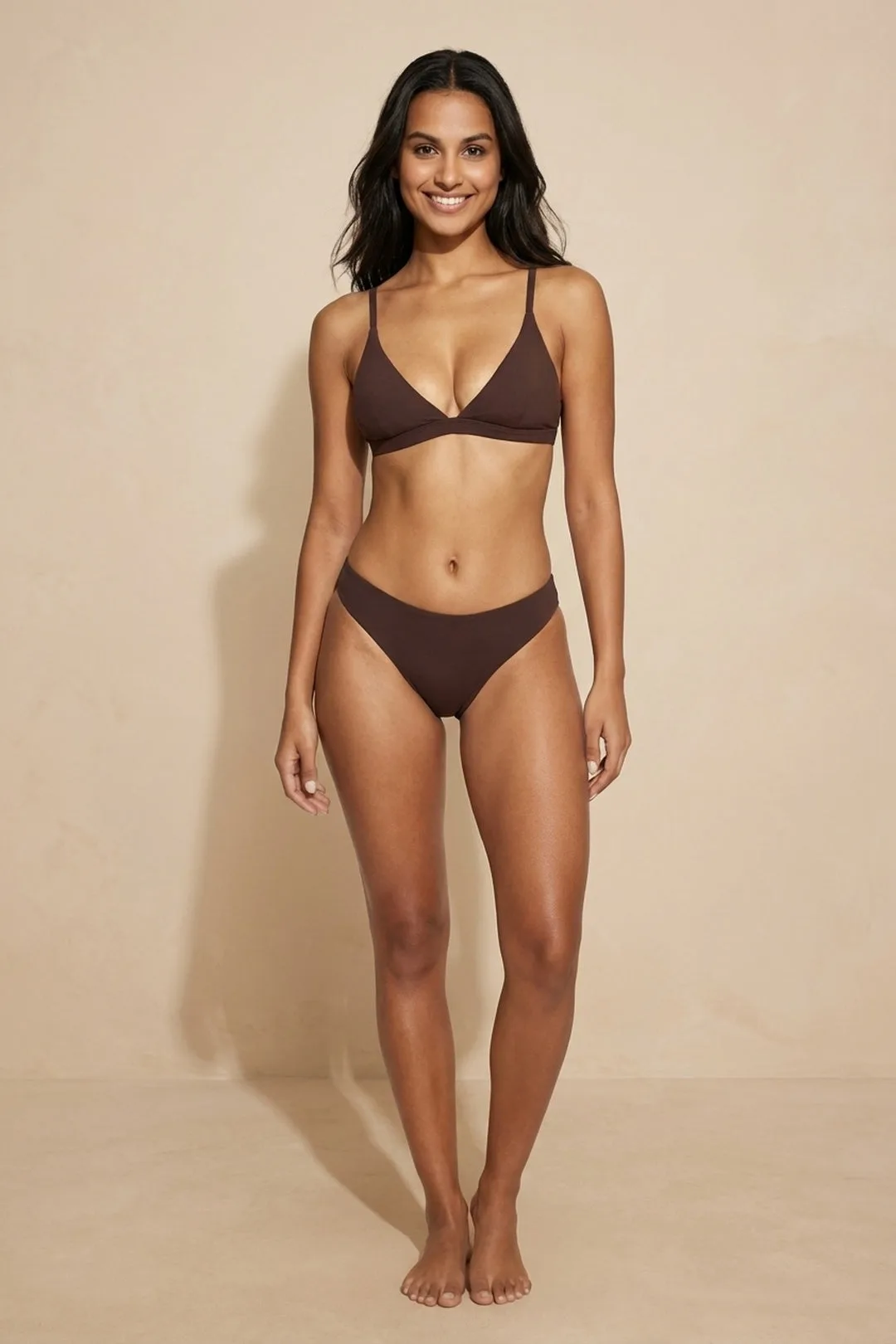
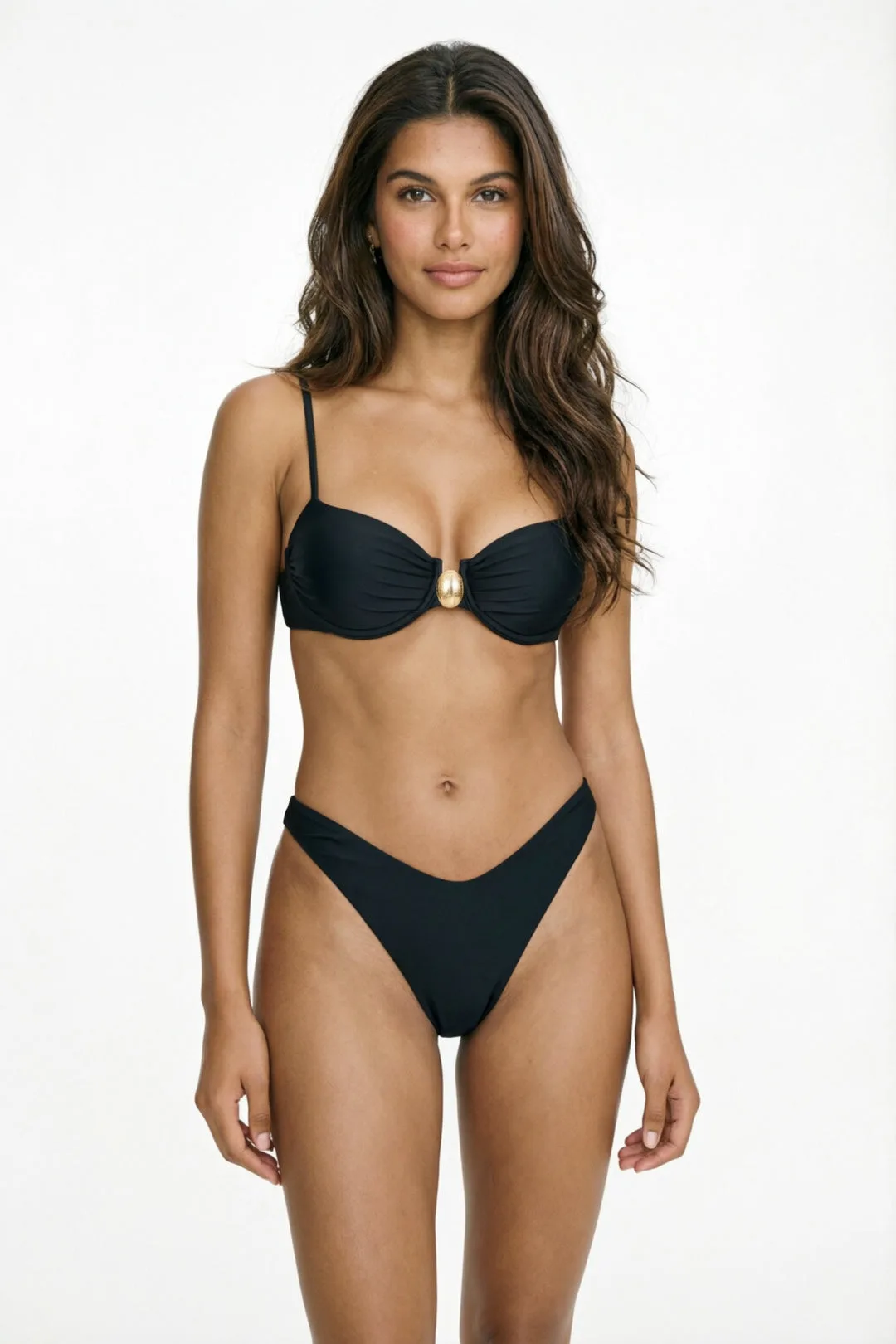
Swimwear is built for active water use—swimming, sunbathing, or beach vacations. Lingerie is intended for everyday comfort, layering under clothing, or intimate moments. A black plunge one-piece swimsuit with gold detail works perfectly for poolside confidence, while a black lace matching set like the Marie Lace set excels for date night or daily wear. The two categories rarely overlap in function, so owning both ensures you're prepared for different scenarios.
Tradeoffs at a Glance
- Swimwear durability vs Lingerie delicacy: Swimwear uses robust nylon-spandex blends that resist chlorine and saltwater. Lingerie lace and mesh are more fragile and prone to snagging or stretching if exposed to water or harsh washing. Reserve lace sets for dry wear; choose swimwear for pool or beach.
- Care simplicity vs Detail maintenance: Both require hand-washing and air drying, but swimwear needs immediate rinsing after use to prevent chlorine damage. Lingerie needs extra care to avoid snagging delicate trims and underwires. Set a quick rinse habit for swimwear; use a lingerie bag for machine washing only if the label allows.
- Support features vs Aesthetic design: Swimwear often includes built-in shelf bras or padding for modesty and support in water. Lingerie offers underwire, adjustable straps, and hook-and-eye closures for precise fit and lift, but these metal components can corrode in water. Check for metal parts before wearing lingerie near water; opt for swimwear for aquatic activities.
Product Facts
- Black Plunge One-Piece Swimsuit with Gold Detail: Black Plunge One-Piece Swimsuit with Gold Detail: sleek black halterneck swimsuit featuring a bold plunge front and gold lion-head detail. Available in XS (UK 6), S (UK 8), M (UK 10), L (UK 12/14), and XL (UK 16). The nylon-spandex construction is designed for water exposure and retains shape after swimming. The gold detail adds a touch of elegance but may require gentle hand-washing to prevent tarnishing.
- Marie Lace Matching Set | Black: Marie Lace Matching Set | Black: black lace lingerie set with sheer mesh panels, intricate floral lace, underwired bra with adjustable straps, and matching thong with adjustable side straps. The delicate lace and mesh panels require cold-water hand-washing and air drying to maintain their structure. The underwire and adjustable straps offer support for daily wear, but the set is not suitable for swimming.
Which One Should You Choose?
Best For
- Active water use: swimming, beach vacations, pool parties
- Daily comfort and layering under clothing
Not For
- Water activities if you choose a lace lingerie set (not chlorine-resistant, metal parts may corrode)
- Extended sun exposure if you choose a delicate lace set (UV rays can weaken fibers)