Quick answer
Inspect your swing set ground stakes once a year, ideally in spring before heavy use. Check for looseness, rust, or bending, and replace any stake that is damaged or no longer holds. Tighten hardware and confirm stakes are fully seated. This simple routine prevents tipping and extends the life of your playset.
Why yearly ground stake inspection matters
Ground stakes hold your swing set legs firmly in the soil. Over time, frost heave, rain, and repeated swinging can loosen them. A loose stake lets the set wobble, which stresses joints and can lead to tipping. Checking once a year catches small problems before they become safety hazards.
Tools and timing for anchor maintenance
You need a few basic tools: a wrench or socket set for bolts, a hammer or mallet, a level, and replacement ground stakes if yours are worn. The best time is early spring, after the ground has thawed but before your kids start daily play. A second quick check in late fall helps prepare for winter.
How to check and service each stake
Work around the set in order so you don't miss any leg. For each stake, test for movement by pushing the leg side to side. If the stake moves, it needs attention. Tighten the bolt connecting the stake to the leg. If the stake is bent or rusted, replace it. When driving a new stake, keep it vertical and stop when the head meets the bracket. Use a level to confirm the leg is plumb.
Yearly Ground Stake Inspection Steps
- Clear the area: Remove mulch, toys, or debris from around each leg so you can see the stake and bracket clearly. Checkpoint: Make sure no grass or dirt hides the connection point.
- Test for movement: Grab each leg and push it firmly side to side. Any wobble means the stake or bolt is loose. Common mistake: Assuming a little movement is normal. It is not—tighten or replace.
- Tighten hardware: Use a wrench to tighten the bolts that secure the stake to the leg. Do not overtighten, as this can crush the wood. Checkpoint: Snug is enough; the stake should not rotate freely.
- Inspect the stake itself: Look for rust, bending, or cracks. A bent stake will not hold. Pull it out if it is damaged. If rust is surface-level only, you can clean and repaint; deep rust means replace.
- Replace if needed: Drive a new ground stake into the soil at the same angle, using a hammer or mallet. Keep it vertical and stop when the head meets the bracket. Use a level to confirm the leg is plumb after installation.
- Check surrounding wood: While you are at each leg, inspect the wood for soft spots, cracks, or discoloration that could indicate moisture damage. If wood is soft, consult a professional; sealing may help but structural damage needs repair.
- Record and repeat: Note the date and any issues in a maintenance log. Set a reminder for next year. A yearly check takes under an hour and prevents costly repairs.
Parts that make anchor maintenance easier
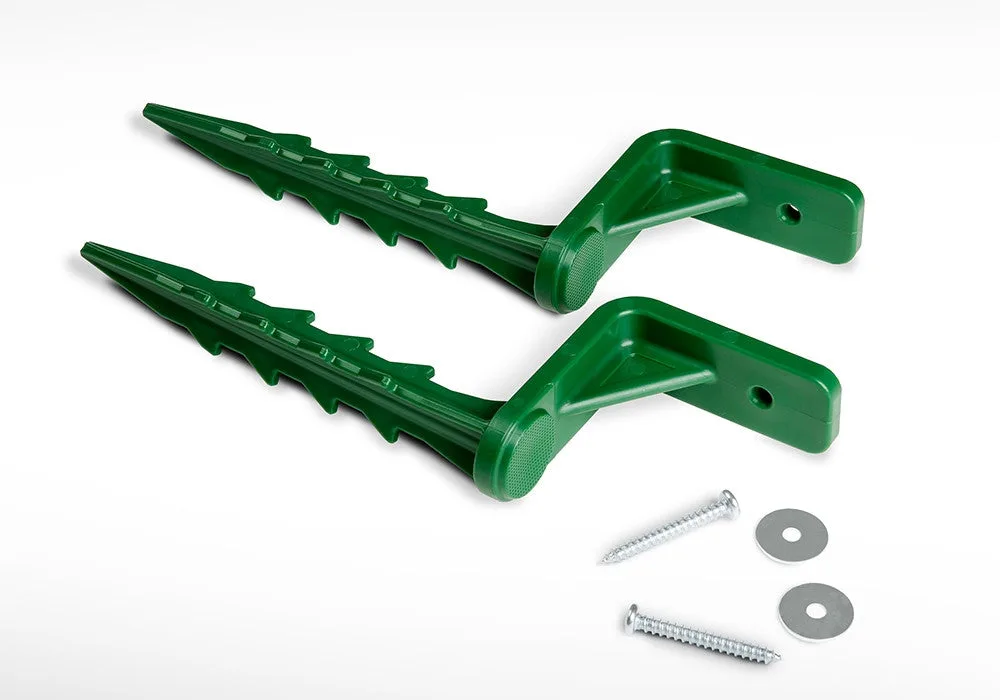
- Ground Stakes (Pair): Ground Stakes (Pair) are simple to install and ensure extra stability for your play set. They attach to the legs of your swing beam and burrow into the ground. We recommend installing new ground stakes as part of your annual maintenance. Having a fresh pair on hand means you can replace a damaged stake immediately instead of waiting for a shipment, keeping your set safe to use.
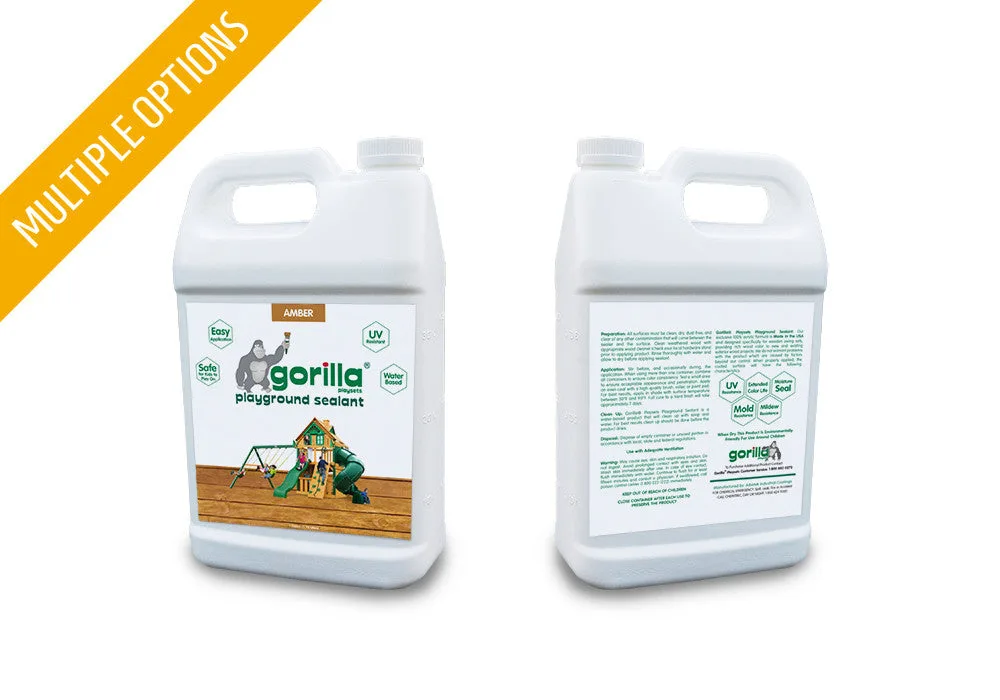
- Playground Stain/Sealant - 1 Gallon: Playground Stain/Sealant - 1 Gallon protects wood from UV rays, mildew, and moisture. It is water-based and designed for wooden swing sets. While checking anchors, inspect the wood around the legs for signs of moisture damage. Sealing extends the life of the wood and helps maintain structural integrity.