Quick answer
SOS Spray and Swipe Concealer are not competitors—they work in sequence. Start with SOS Spray on clean skin to calm redness and irritation, let it dry, then apply Swipe Concealer only where you need coverage. If your redness is reactive or widespread, the spray does the heavy lifting; if you need to conceal specific spots, the concealer finishes the job.
What each product actually does
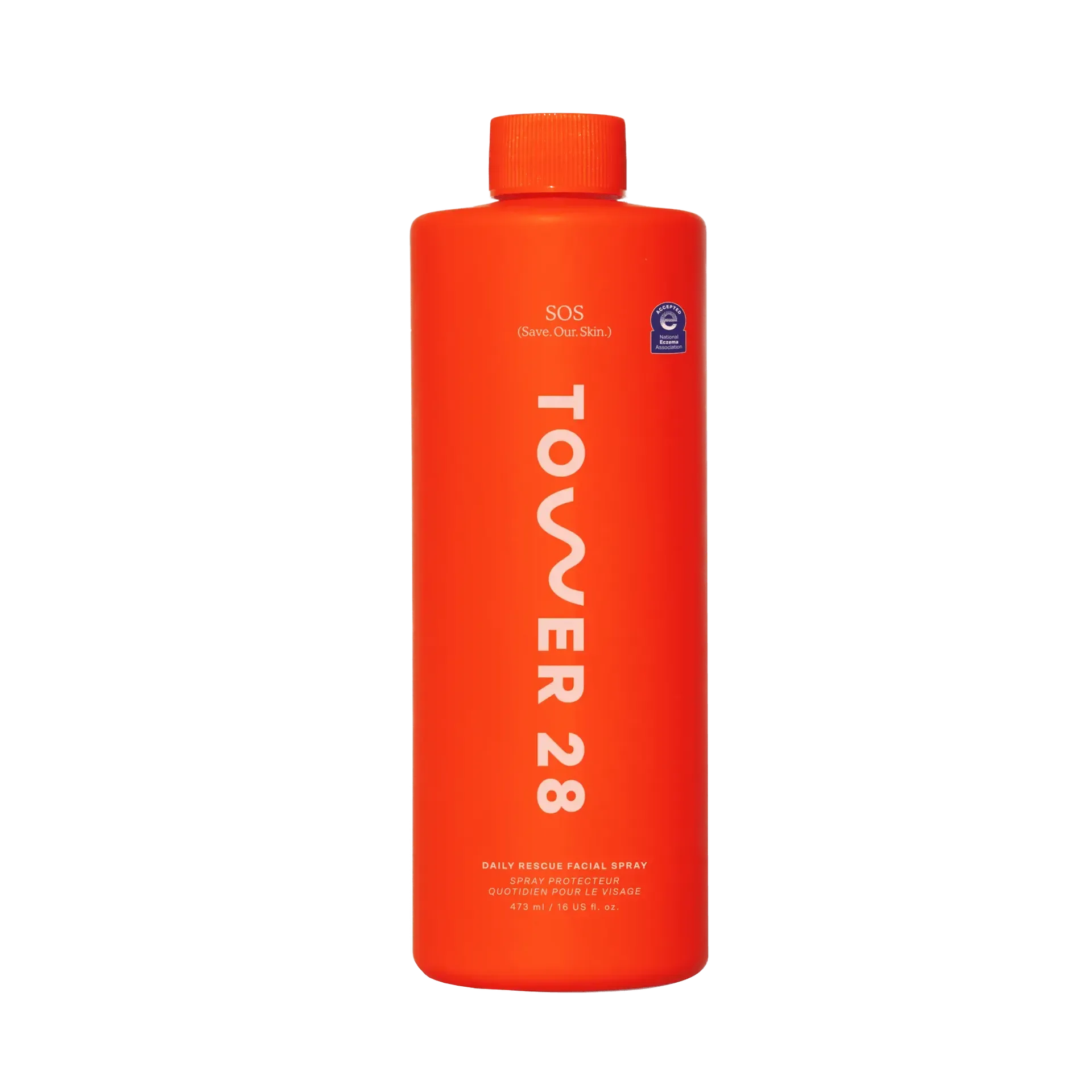
SOS Spray is a hypochlorous acid–powered toner treatment. Hypochlorous acid is naturally produced by your skin; it's anti-inflammatory and antibacterial, which is why the spray helps maintain and prevent redness and irritation. You can use it AM/PM on clean skin in place of toner, and throughout the day over makeup or post-workout to refresh and purify. It doesn't provide coverage—it preps and calms.
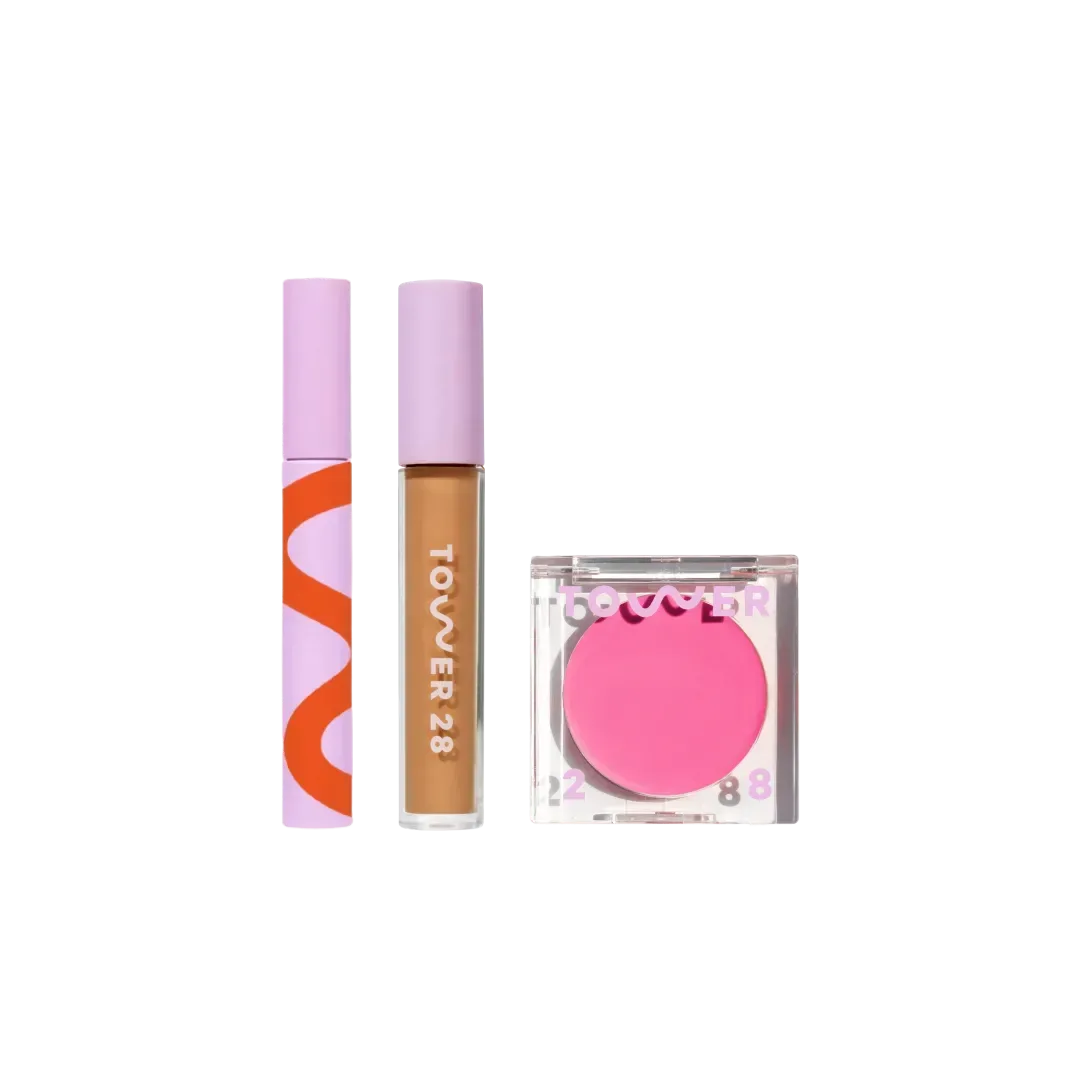
Swipe Concealer is a complexion product designed to cover redness and blemishes. It sits on top of skin, so its job is to even out tone and hide what you don't want to see. It won't treat or prevent irritation, and applying it to already-irritated skin can sometimes emphasize texture if the skin isn't prepped.
The correct base order for sensitive, redness-prone skin
The order matters more than the products themselves. After cleansing, spray SOS Spray and let it absorb fully. If you use a moisturizer or SPF, apply that next. Then go in with Swipe Concealer only where needed—typically the center of the face, around the nose, or on individual blemishes. This sequence prevents the concealer from trapping heat or irritation and gives the spray time to calm the skin before any pigment goes on.
If you're using the SOS Gel Cleanser first, it removes makeup, SPF, oils, and dirt without burning eyes or leaving skin tight—so you start with a clean, non-stripped base. That makes both the spray and the concealer behave better.
How to cover redness without irritation
Use a light hand. Swipe Concealer can be built up, but for reactive skin, thin layers pressed in with a finger or damp sponge are less likely to disturb the skin barrier than buffing. Avoid dragging the product across large areas; spot-conceal instead. If your skin is actively angry, skip the concealer entirely and rely on SOS Spray to bring down the redness first—then reassess.
For all-day wear, keep the Travel SOS Rescue Spray in your bag. A quick spritz over makeup refreshes and purifies without moving the concealer underneath.
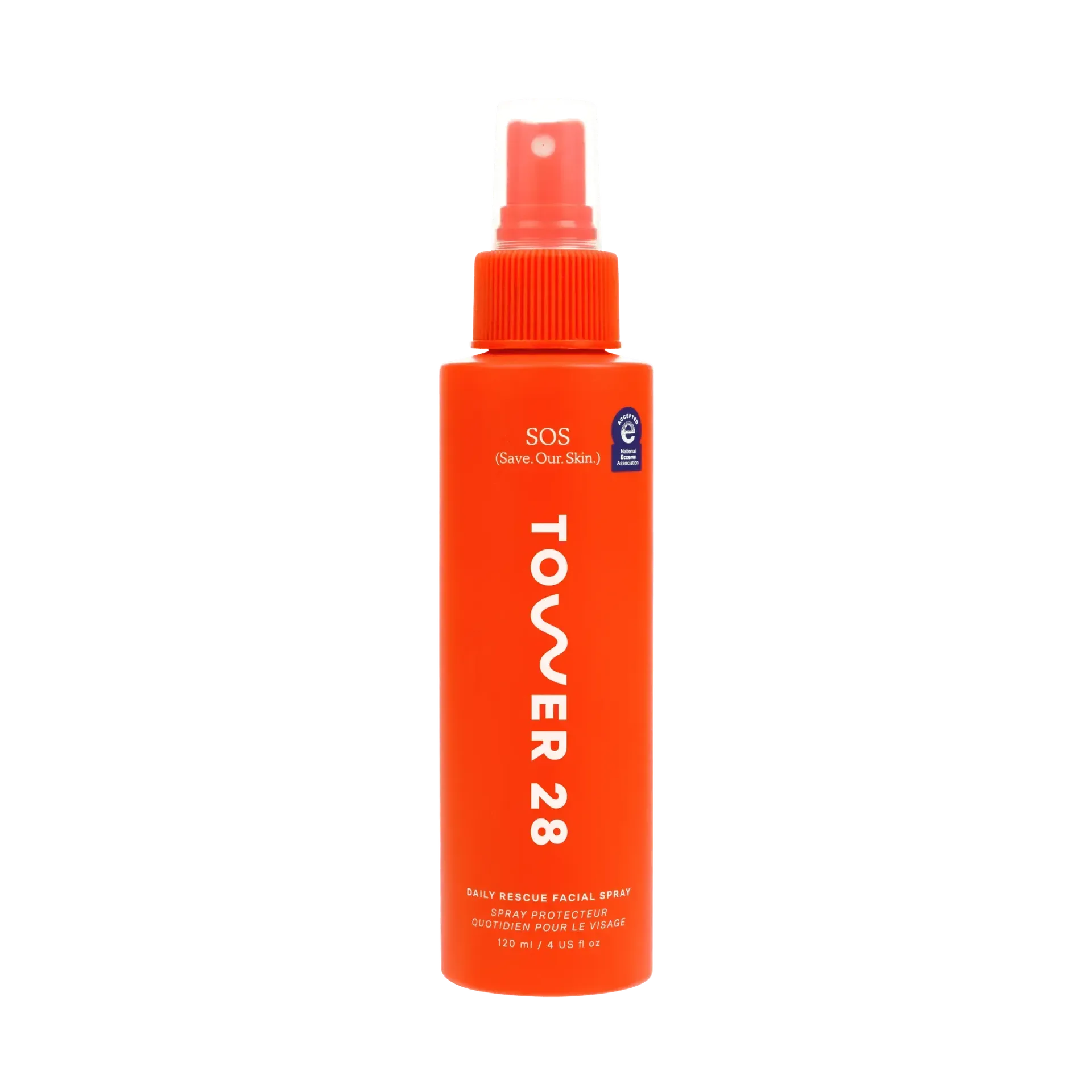
SOS Rescue Spray
Trade-offs: coverage vs. calming
- SOS Spray: Calms and prevents redness with hypochlorous acid, but provides zero coverage. You'll still see uneven tone if you stop here. Best as a first step or midday refresh, not a replacement for concealer.
- Swipe Concealer: Covers redness and blemishes, but it sits on top of skin and won't treat irritation. On unprepared or angry skin, it can look patchy. Use after SOS Spray has dried, and only where you need it.
- Using both: Spray first to calm, then conceal selectively. This order minimizes irritation and gives the most natural finish for reactive skin. If your skin is actively inflamed, skip concealer and reapply SOS Spray instead.
Product facts
- Travel SOS Rescue Spray: Use AM/PM on clean skin in place of toner to maintain and prevent redness and irritation. Also use throughout the day over makeup and as needed (post-workout, etc) to refresh and purify. This makes SOS Spray a prep step and a midday refresher, not a coverage product. It can be used over makeup without disturbing it.
- SOS Gel Cleanser: A gentle daily cleanser with the power to do everything you want aka easily remove makeup, SPF, oils, and dirt, without burning eyes or leaving skin tight. Starting with a clean, non-stripped base means the spray and concealer go on more evenly and with less risk of irritation.
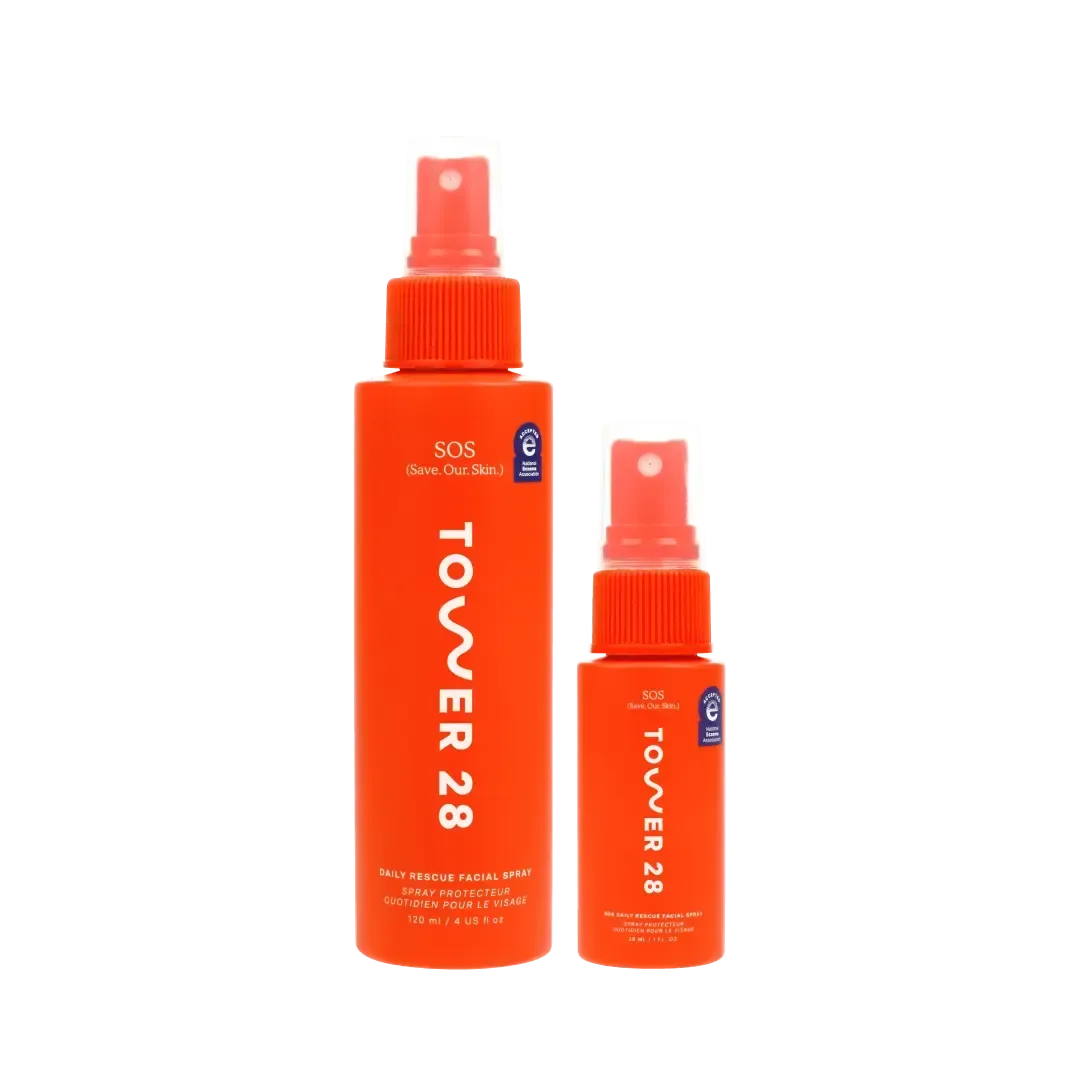
- SOS Spray Duo: A soothing, purifying, and renewing toner treatment for fast angry skin relief. Use AM/PM to maintain and prevent redness and irritation. Spritz SOS anywhere, everywhere with a TSA-approved mini + a regular full-size SOS Daily Rescue Facial Spray Duo. The duo gives you a full-size for your routine and a travel size for touch-ups, so you can keep the calming step consistent wherever you are.
Which should you choose?
Best for
- Anyone with rosacea-prone or reactive skin who needs to calm redness before applying makeup
- People who want a midday refresh that won't ruin their base
- Those who prefer spot-concealing over full-coverage foundation
Not for
- Anyone seeking full-coverage foundation in one step
- Skin that is actively broken or oozing—see a dermatologist first
- Those who want a single product to both treat and cover redness