Quick answer
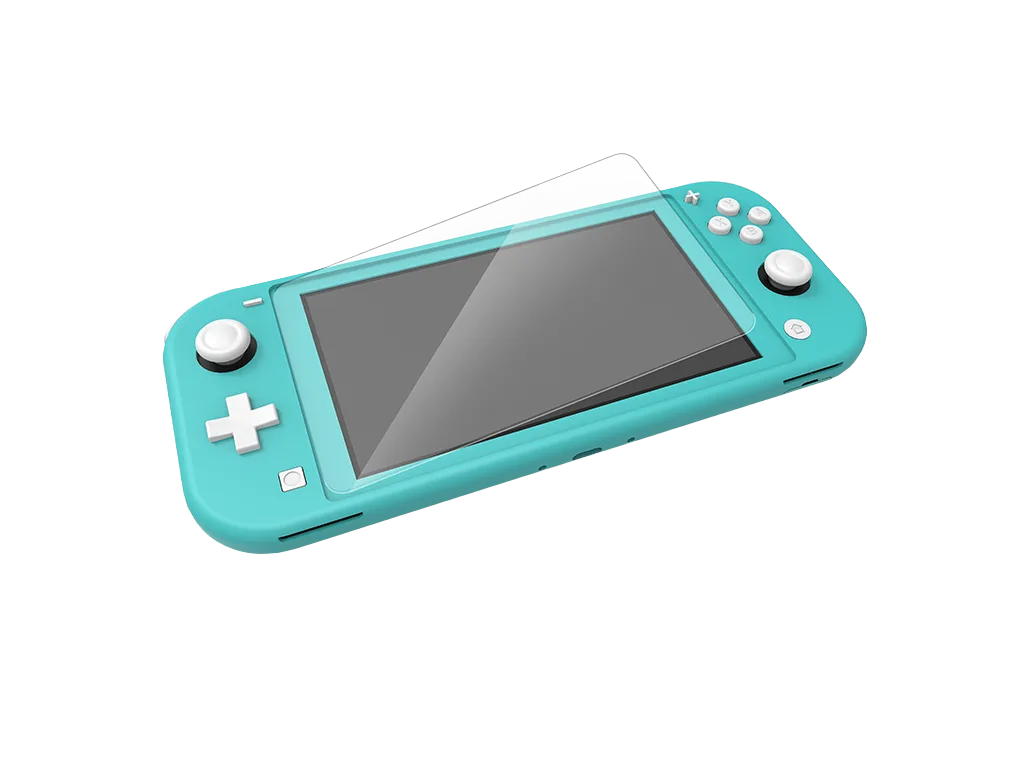
For most Switch 2 owners, a tempered glass screen protector offers better drop and scratch protection with a smooth feel that matches the original display. Film protectors are thinner, cheaper, and can be easier to install, but they sacrifice impact resistance and may show wear faster.
Tempered glass vs film: what actually matters
The biggest difference comes down to impact protection. Tempered glass is a multi-layer hardened sheet that absorbs shock from drops and bumps, often cracking instead of your screen. Film is a thin polymer layer that stops scratches but does little against hard impacts. If you play on the go or share the console with kids, glass is the safer bet.
Clarity and touch feel also separate the two. Quality tempered glass maintains near-100% transparency and a smooth glide for your fingers. Film can introduce a slight rubbery drag and may develop a pebbled texture over time. On the other hand, film is much thinner, so it won't add bulk or interfere with the fit of protective cases.
Installation is another trade-off. Film is more forgiving of small dust specks because it can conform around them. Tempered glass requires a perfectly clean surface and a steady hand, but most kits include an alignment frame to help. If you are new to screen protectors, film may be less stressful to apply.
Fit guidance: matching your protector to your case
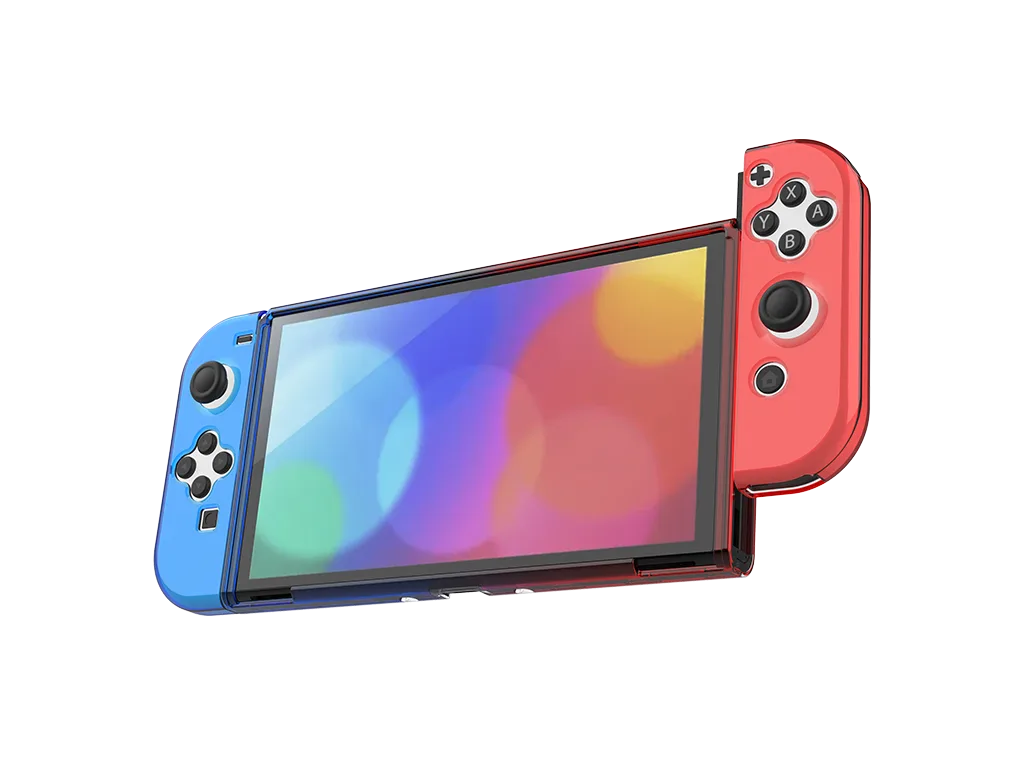
Before you buy, check whether the screen protector is designed for the Switch 2's exact bezels and cutouts. A protector that is too wide can lift when you slide the console into a hard shell case. A protector that is too narrow leaves part of the display exposed. Look for protectors that mention Switch 2 compatibility and include a fit guarantee or sizing template.
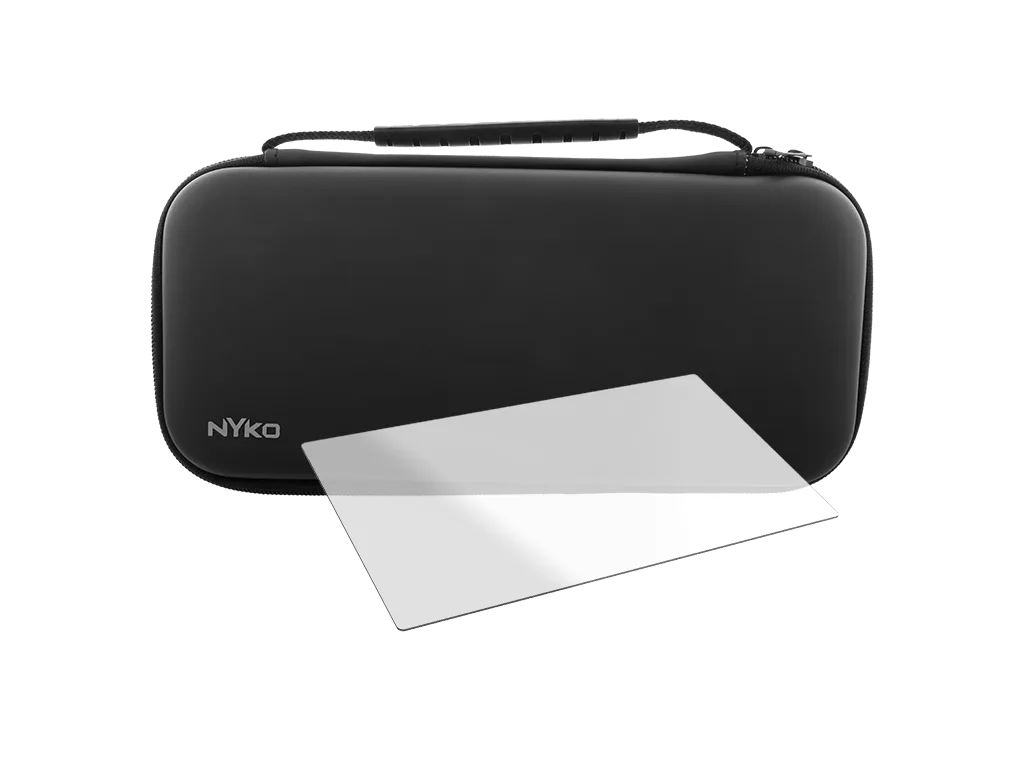
If you plan to use a protective case like the Elite Shell Case for Nintendo Switch Lite, a thin film protector is less likely to cause pressure points or bubbling at the edges. Tempered glass can still work, but you may need to test the fit with your specific case.
Decision rules for choosing your Switch 2 screen protector
- Prioritize drop protection: If you often play handheld or travel with your Switch 2, tempered glass absorbs impact that would otherwise crack the display. Film offers minimal drop defense. Choose tempered glass for impact resistance.
- Keep a slim profile: Film adds less than 0.2 mm of thickness, so it won't interfere with tight-fitting cases or docks. Tempered glass adds 0.3–0.5 mm. Choose film if case compatibility is critical.
- Ease of installation: Film can conform around small dust particles and is more forgiving. Tempered glass requires a dust-free environment and often an alignment tool. Choose film if you are a first-time installer.
- Long-term clarity and feel: Tempered glass stays smooth and clear for years. Film may yellow, scratch, or develop a drag over time. Choose tempered glass for lasting clarity.
Related products that complement your choice
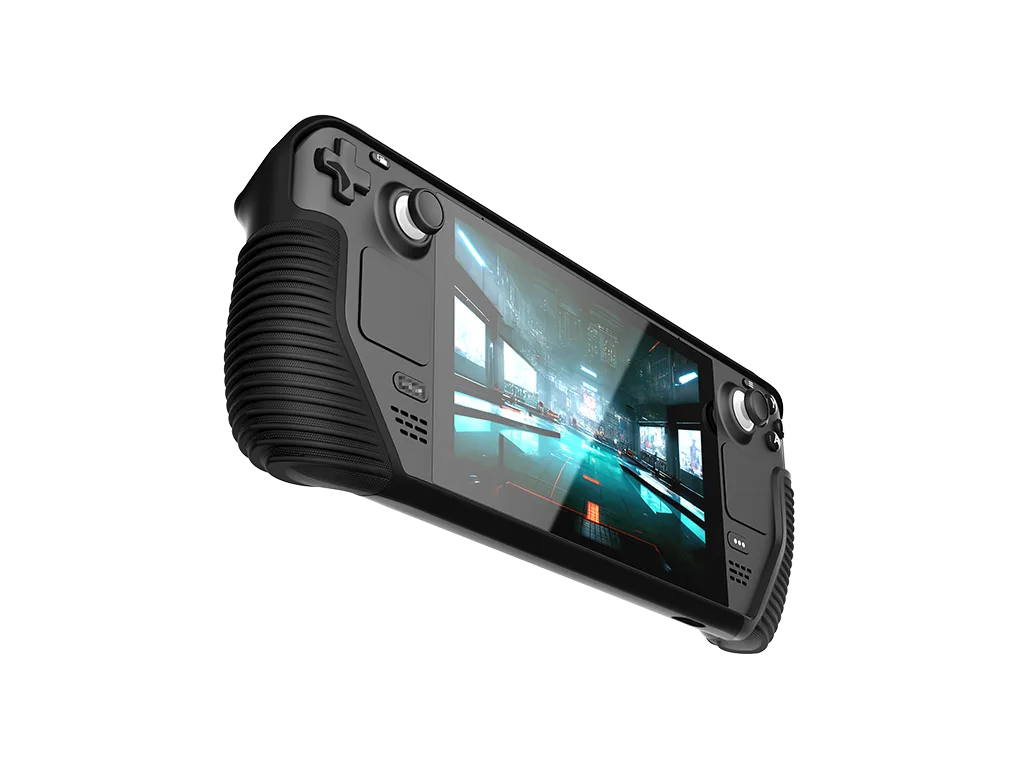
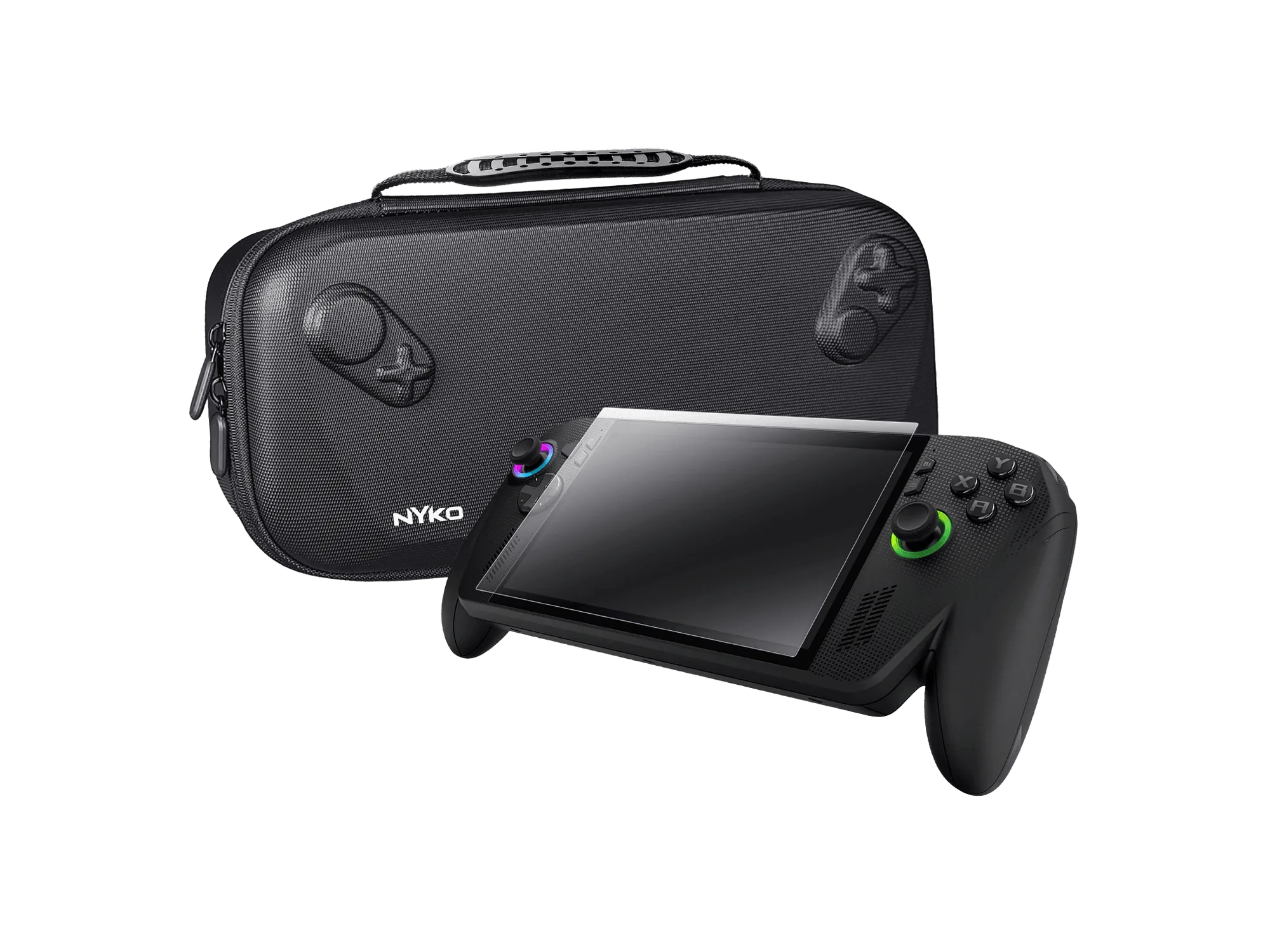
- Play and Go Kit for ROG Xbox Ally X: The Play and Go Kit for ROG Xbox Ally X is a custom-engineered bundle that includes a protective case and high-capacity storage, designed specifically for the ROG Xbox Ally X and ROG Xbox Ally consoles. If you own an ROG Ally X and want all-in-one protection, this kit shows how a bundled case can pair with a screen protector for complete coverage.
- Elite Shell Case (Yellow) for Nintendo Switch™ Lite: The Elite Shell Case for Nintendo Switch Lite features a hard shell exterior, soft plush interior, and an accessory holder for cables. When choosing a screen protector for a Switch Lite, a hard shell case like this one may require a thinner protector to avoid fit issues.
Which screen protector fits your setup?
Best for
- Gamers who want maximum drop protection and a glass-like feel
- Handheld players who carry their Switch 2 in a bag or backpack
Not for
- Users who need a protector that fits perfectly inside a snug hard shell case without any risk of lifting