Quick answer
Most t-shirt damage comes from three habits: washing in hot water, adding fabric softener, and drying on high heat. Wash hunting shirts in cold or warm water, skip the softener, and air-dry or tumble on low. Sweat and dirt are not the enemy — heat and chemical softeners are.
Hunting shirts take a beating: sweat, blood, mud, and the inside of a pack for days at a time. But the damage that ends a shirt's life usually happens after the hunt, in the laundry. A few widely repeated care habits are the real culprits.
Here are the most common t-shirt care myths, with a clear verdict on each — and what to do instead.
Myth: Hot water kills bacteria and gets shirts cleaner
Verdict: False. Hot water does not clean better than cold or warm water for everyday shirts, and it is harder on fabric over time. The heat stresses fibers and can fade dyes, especially on printed tees. For hunting shirts, the goal is removing sweat, salts, and dirt — not sterilizing them.
Wash in cold or warm water with a normal detergent. If a shirt is heavily soiled, treat the spot before washing rather than turning up the temperature. Heat is the thing that shortens a shirt's life, not the water's cleaning power.
- Check the care tag first — it reflects the actual fabric and construction.
- For printed tees, turn the shirt inside out before washing to protect the graphic.
Myth: Fabric softener makes shirts last longer
Verdict: False. Fabric softener and dryer sheets coat fibers with a waxy residue. That coating can reduce breathability and moisture handling, which matters on a shirt you sweat in. It also builds up over time, making the fabric feel stiff or slick rather than soft.
Skip softener and dryer sheets on hunting shirts. If you want a softer feel, use less detergent and avoid overdrying. A shirt that is not coated will manage moisture better and stay comfortable against skin.
- Use a small amount of detergent — more soap does not mean cleaner.
- If static is an issue, air-dry instead of adding a dryer sheet.
Myth: The dryer is fine as long as you use low heat
Verdict: Partly true, but not the best habit. Low heat is gentler than high heat, but any dryer heat adds wear over time. The tumbling action also abrades fabric and can shrink cotton blends. For shirts you want to keep for seasons, air-drying is the safer default.
If you do use a dryer, keep it on low and pull the shirt out while it is still slightly damp. Hang it to finish. That reduces heat exposure and helps the shirt hold its shape.
- Hang-dry in shade — direct sun can fade colors over time.
- Reshape the shirt while damp so it dries without wrinkles.
Myth: You should wash hunting shirts after every wear
Verdict: Not always. If a shirt is only lightly worn and does not smell, airing it out between wears is fine. Overwashing is one of the most common shirt care mistakes — every wash cycle adds a little wear. The key is smell and visible dirt, not a fixed schedule.
After a hard hunt, wash it. After a short drive to the trailhead, hang it up. That balance keeps shirts fresher longer without unnecessary cycles.
- Air shirts outside or in a ventilated space before deciding to wash.
- Never store a damp or sweaty shirt in a bag — that is how odors set in.
Myth: All shirts can be washed the same way
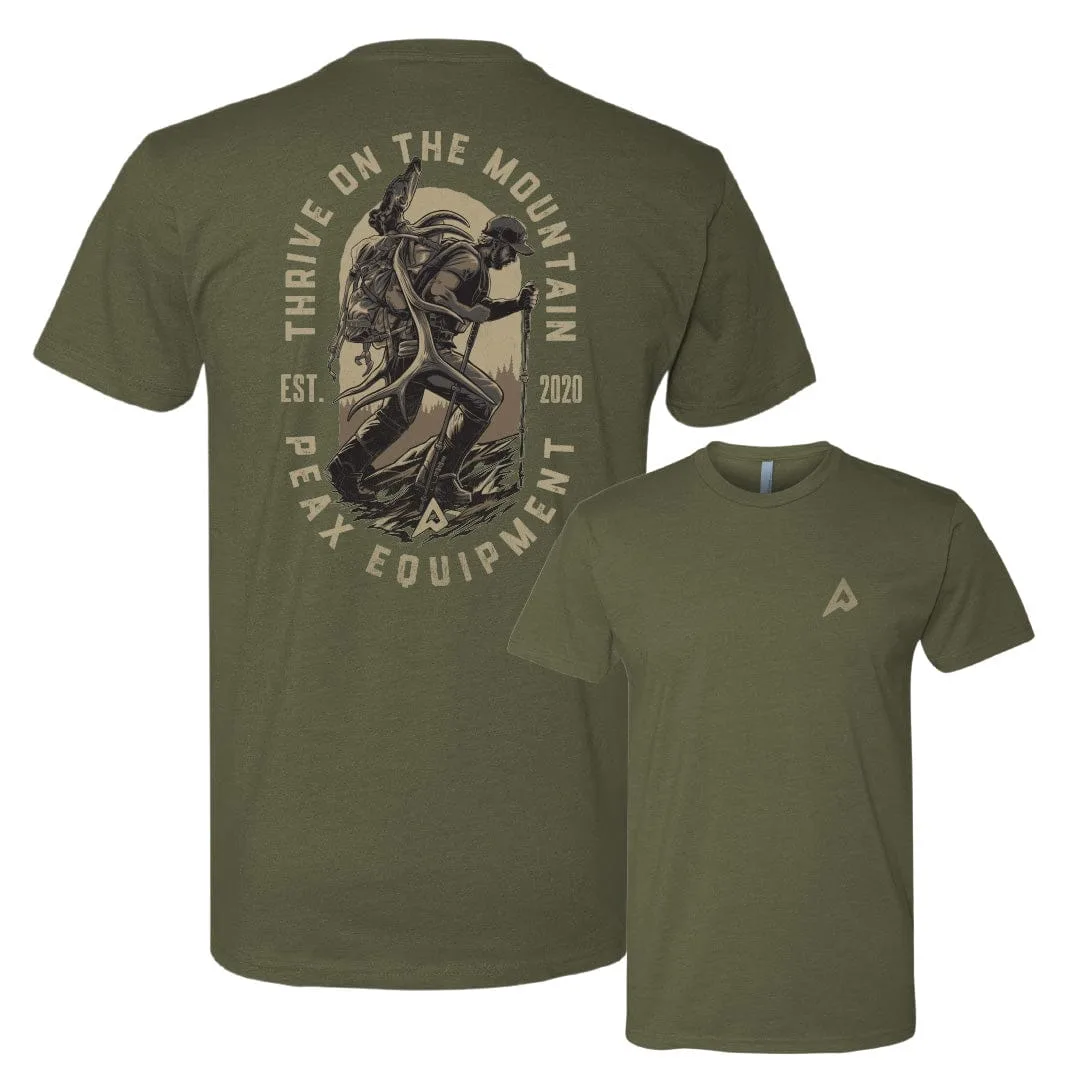
Verdict: False. Fabric and construction differ, and so should care. A heavyweight fleece hoodie and a lightweight tee do not have the same tolerances. The PACKOUT TEE is a standard cotton-blend tee, while the CLASSIC HEAVYWEIGHT HOODIE is cut from durable heavyweight fleece with a structured fit — it holds its shape and wears in rather than out.

CLASSIC HEAVYWEIGHT HOODIE
Read the tag on each garment. When in doubt, cold wash and air-dry is the safest combination for both.
- Separate heavy fleece from lightweight tees to avoid abrasion in the wash.
- Wash like with like — zippers and hooks can snag knits.
Verdicts: shirt care myths, settled
- Hot water cleans better: False. Hot water stresses fibers and fades prints without cleaning better than cold or warm water. Wash cold or warm.
- Fabric softener helps: False. Softener and dryer sheets leave a waxy residue that reduces breathability and moisture handling. Skip softener and dryer sheets.
- Low heat drying is fine: Partly true. Low heat is gentler than high, but air-drying is still the safest way to preserve fit and fabric. Air-dry or tumble low, then hang while damp.
- Wash after every wear: Not always. Air out lightly worn shirts; wash when there is visible dirt or odor. Wash based on use, not habit.
- All shirts wash the same: False. Heavyweight fleece and lightweight tees have different tolerances — check each tag. Match care to fabric, not convenience.
Product facts that matter for care
- PACKOUT TEE: The Packout Tee is a tribute to the moments that break you down, build you up, and somehow make you smile through the pain. Every elk hunter knows the feeling — the burning legs, the soaked base layers, the crushing weight on your hips... and the quiet, stubborn satisfaction that keeps you taking the next step anyway. This is a shirt built for hard use in the field, which makes proper washing and drying habits more important — not less. Treat it like gear, not a disposable tee.
- CLASSIC HEAVYWEIGHT HOODIE: Cut from a durable, heavyweight fleece with a structured fit, it holds its shape, it wears in and not out, and layers easily when the temperature drops. A heavyweight fleece holds shape better than thin knits, but it still benefits from cold washing and low or no dryer heat to preserve that structure over time.
- MIDWEIGHT HOODIE: Built for comfort and everyday wear, this 80/20 Cotton-Fleece Hoodie delivers the perfect balance of warmth and breathability. The low-key embroidered PEAX logo on the chest and back shoulder keeps it subtle, while the premium fit ensures it moves with you from the mountains to town. The 80/20 cotton-fleece blend responds well to cold washing and air-drying, which helps maintain the premium fit and breathability you bought it for.
Good shirt care is mostly about avoiding heat and softener, not about buying special detergent. Wash cold, skip the softener, and air-dry when you can. Your hunting shirts will last more seasons — and feel better on the ones that matter.