Quick answer
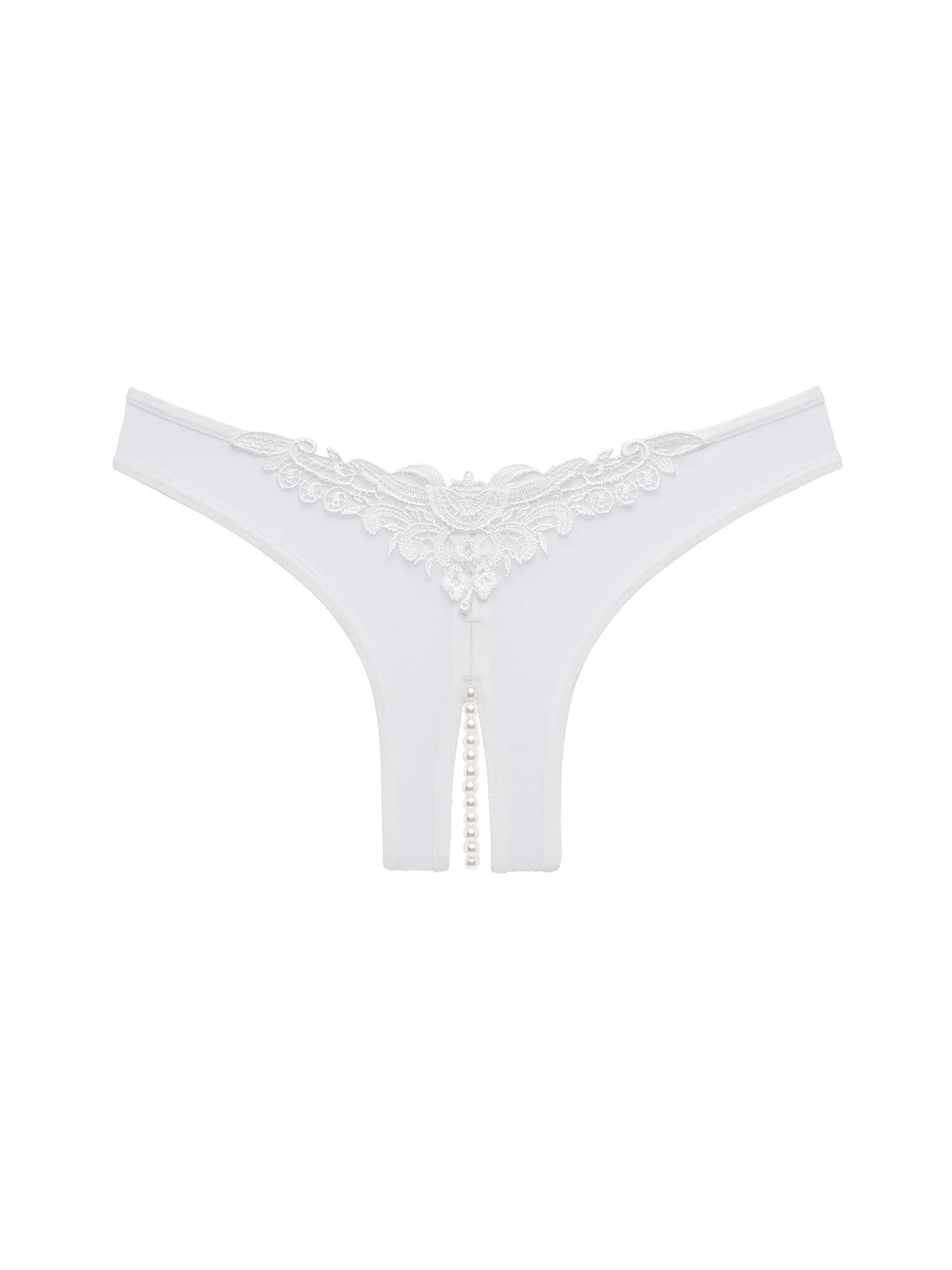
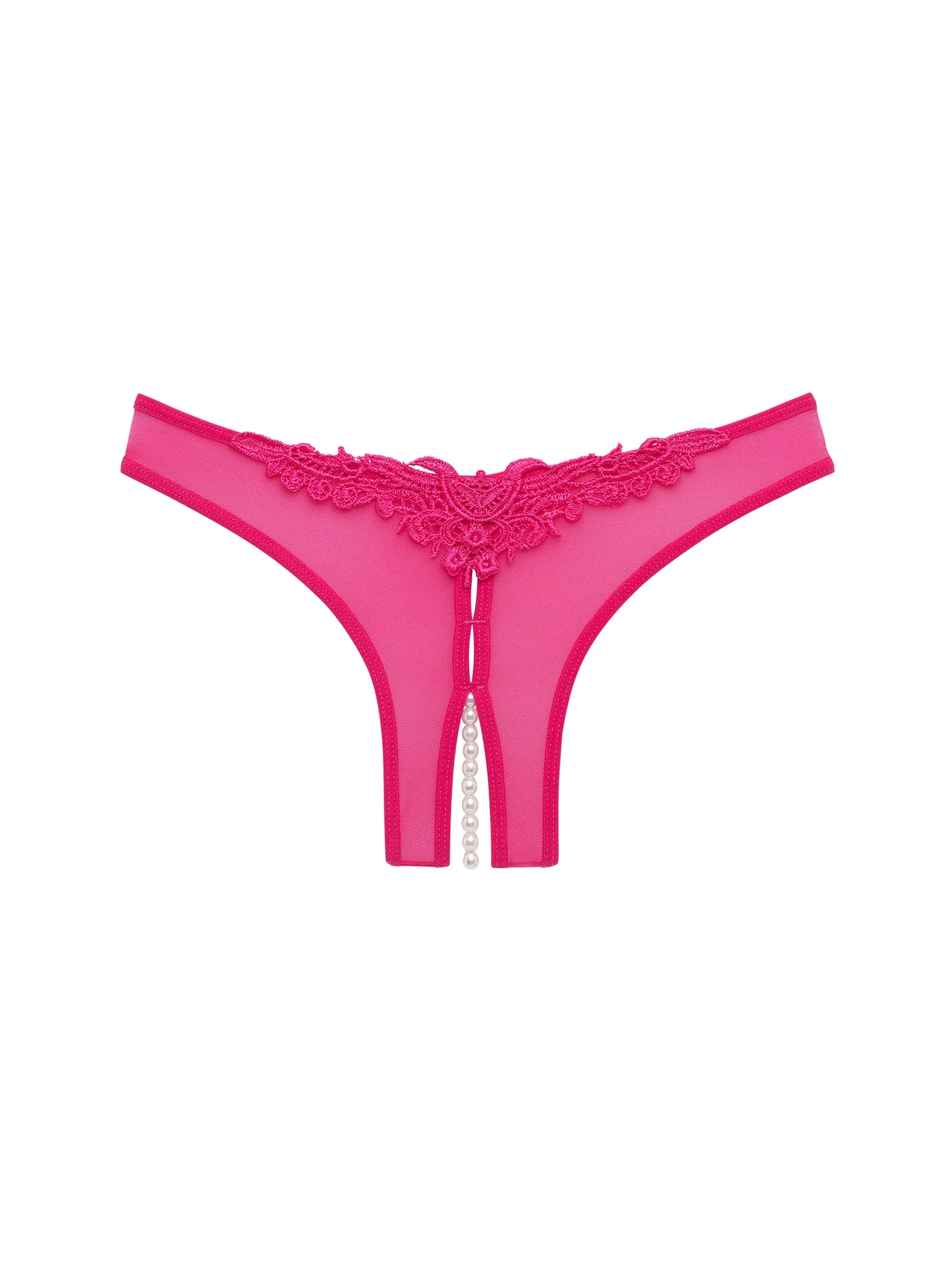
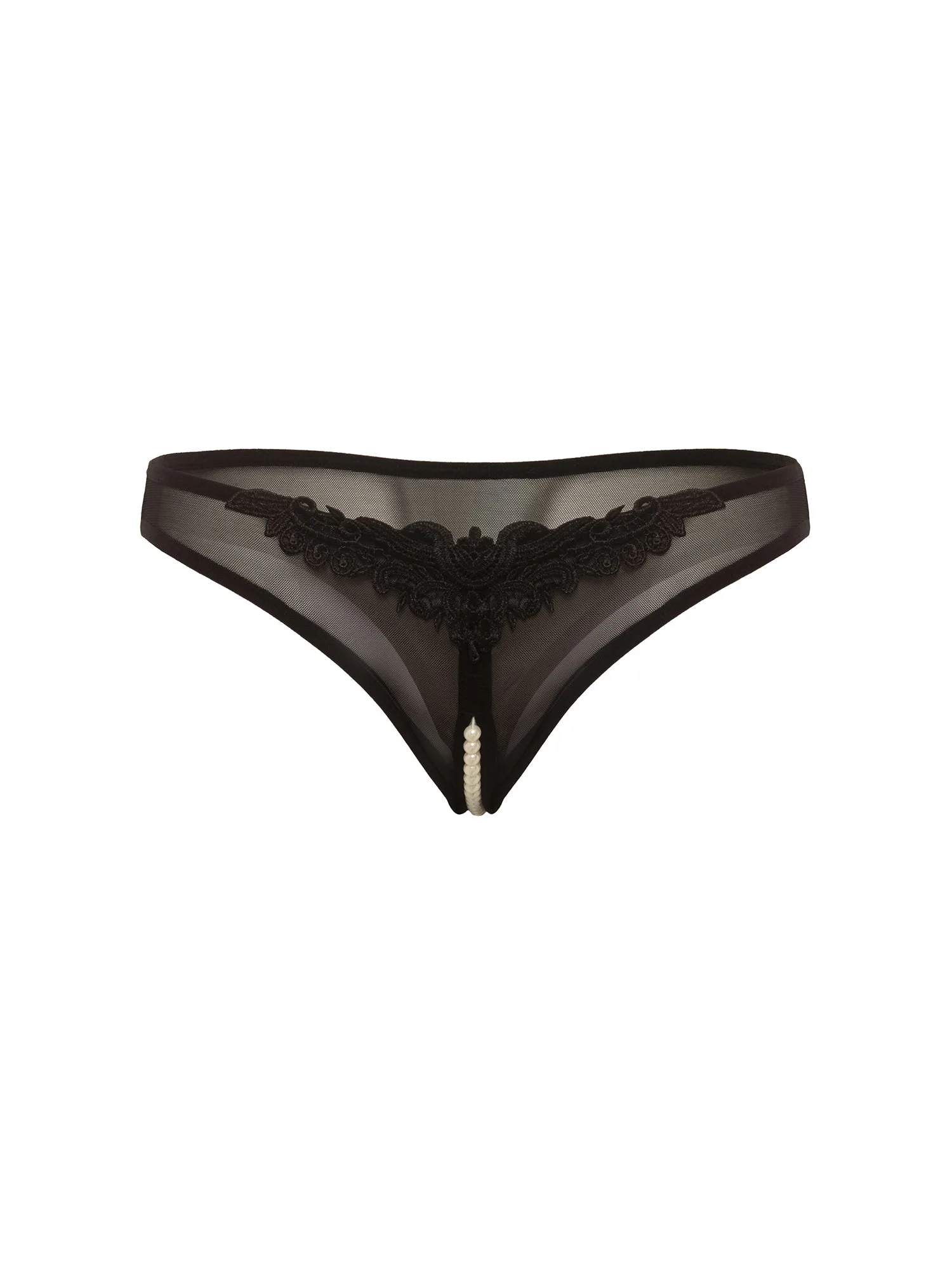
Table pant lingerie is a crotchless panty, often cut high on the hip, designed for easy access and a bold look. Wear it as the base of a layered lingerie outfit, choose your true size so the waistband sits flat, and treat it as the statement piece rather than an everyday panty. If you want a crotchless option that also adds decoration, the https://ohlalacheriehg.com/products/curvy-paradise-lace-pearl-thong-black-0089dc4f87cff12e2f83fbd9-1421726https://ohlalacheriehg.com/products/oh-la-la-cheri-curvy-paradise-lace-pearl-thong-pink-a135cfbf4071731724f129b1-1421727Curvy https://ohlalacheriehg.com/products/oh-la-la-cheri-paradise-lace-pearl-thong-black-c6bfacfc86972a7d9cfe9b00-1421732Paradise Lace Pearl Thong is a strong starting point.
Table pant lingerie sits in that small, specific corner of the lingerie drawer: a panty cut with an open crotch, usually on a high-rise or high-leg frame. It is not a replacement for your daily underwear, and it is not trying to be. It is a piece you choose on purpose.
The confusion around the term is real, because 'table pant' is not a universal industry label. In practice, when a store lists a table pant, you are usually looking at a crotchless panty or thong with a decorative front. This guide walks through what that means, how it compares with a standard panty, and a five-step process for wearing it without fuss.
What table pant lingerie actually is
A table pant is a panty with an open crotch, built so the front and back panels frame the body rather than cover it completely. The name varies by brand, but the construction is consistent: a waistband, a front panel, and an opening at the base. Some styles add lace, mesh, pearls, or straps for decoration. The point is access and visual impact, not coverage.
That makes it different from a standard panty in one clear way: a standard panty is a closed garment, while a table pant is an open one. It also differs from a plain thong, which has a closed crotch and a narrow back. A table pant can have a thong back, a G-string back, or fuller coverage at the rear, so the back style is a separate decision from the open front.
- Check the product description for the words crotchless or open crotch before you buy.
- Look at the back style separately. Open front does not automatically mean thong back.
Table pant vs panty: the practical differences
The main difference is function. A standard panty handles daily wear, moisture, and coverage. A table pant is designed for intimate occasions, layering, or photos, and it usually skips the cotton gusset that a daily panty has. That is not a flaw; it is the design. If you need everyday absorption, wear a standard panty and save the table pant for the moments it was made for.
The second difference is fit behavior. Because there is no closed crotch to anchor the garment, a table pant relies more on the waistband and side straps to stay in place. That means sizing matters more, not less. A waistband that is too loose will slide; one that is too tight will dig. The sweet spot is a waistband that sits flat against the skin without leaving a mark.
- Do not size down hoping for a tighter hold. It usually creates digging, not security.
- If you are between sizes, check the size chart for hip measurement, not just waist.
How to choose a style that suits the occasion
Start with the back. If you want minimal coverage and a clean line under a slip or babydoll, a G-string back works well. If you want more visual interest, a pearl or lace detail at the opening adds decoration. If you want a softer look, a mesh panel with lace appliqué reads more romantic than overtly fetish, which can matter depending on the mood you are setting.
Then match the front to what you will wear over it. Under a babydoll or a robe, a decorated table pant becomes part of the reveal. Under a fitted dress, keep the front smooth and let the back do the talking. There is no single correct choice here, only a choice that fits the outfit you already have in mind.
- Decide the outer layer first, then pick the table pant that supports it.
- If the outfit is sheer, choose a table pant whose front panel you actually want visible.
Care and storage so it lasts
Open-crotch construction often uses delicate lace, mesh, or thin elastic, and those materials do not enjoy a hot wash. Hand wash in cool water with a gentle detergent, then press the water out in a towel instead of wringing. Lay flat to dry. If you must machine wash, use a mesh bag on a delicate cycle, but hand washing is the safer habit for lace and pearl details.
Store table pants flat or folded in a drawer rather than hanging them by the waistband. Hanging stretches elastic over time. Keep pearls and metal hardware from pressing against lace, because that is how snags start. A small drawstring bag per piece is a cheap way to protect a garment that is built to be seen.
- Skip the dryer entirely. Heat is the fastest way to kill elastic.
- Store pearls and hardware away from lace to prevent pulls.
Five steps to wear table pant lingerie well
- Step 1: Confirm the construction before you commit: Read the product description and confirm the crotch is open. Check the back style separately so you know whether you are getting a thong, G-string, or fuller rear coverage. Common mistake: assuming every table pant has the same back. It does not. Checkpoint: you can describe the front and back of the garment in one sentence each.
- Step 2: Measure your hip, not just your waist: Use the size chart and match your hip measurement first, because the waistband and side straps carry the fit. Common mistake: sizing down for a tighter feel. That usually causes digging and does not improve hold. Checkpoint: the waistband sits flat with no roll and no mark when you move.
- Step 3: Put it on before the rest of the outfit: Step into the garment and settle the waistband at your natural hip line first, then adjust the front panel and any straps. Common mistake: pulling it on after tights or a dress, which drags the elastic out of place. Checkpoint: nothing twists when you sit, stand, and walk a few steps.
- Step 4: Build the layer over it deliberately: Choose the outer piece based on whether you want the table pant visible. A babydoll or robe gives a soft reveal; a fitted dress keeps it private. Common mistake: layering so many pieces that the table pant becomes irrelevant to the look. Checkpoint: you can name the one moment in the outfit where the table pant is meant to be noticed.
- Step 5: Care for it like the delicate piece it is: Hand wash cool, press water out in a towel, and lay flat to dry. Keep pearls and hardware from pressing into lace in storage. Common mistake: machine drying, which shortens the life of the elastic faster than anything else. Checkpoint: the garment goes back into the drawer looking the way it came out of it.
Product facts that help you choose
- Curvy Paradise Lace Pearl Thong: Crotchless pearl thong made from soft mesh with Venise lace appliqué and a delicate string of pearls along the crotchless opening. The pearl detail sits exactly where the open design is, so the decoration doubles as the focal point. It is a clear example of a table pant that is meant to be seen, not hidden.
- Marcia Lace Micro G-String: G-string back with soft galloon lace and ultra-thin elastic, made from 90% polyamide and 10% spandex. The high spandex content helps the thin elastic hold its shape, which matters when the garment has no closed crotch to anchor it. A useful comparison point if you want a G-string back without pearl decoration.
- Adaline Embroidered Bra Set: Two-piece set with an unlined underwire bra and a matching high-rise G-string panty with attached garter straps. The high-rise G-string gives you a coordinated top half to pair with a table pant, and the attached garters add a styling option if you want to build a fuller look.
- Valentine Lacey Babydoll Set: A-line lacy babydoll with a triangle cup bodice, adjustable elastic shoulder straps, sheer mesh body with lace inserts, and a ruffled hem. A babydoll is one of the easiest layers to wear over a table pant because the hem falls away from the hip. The adjustable straps let you set the length so the table pant stays visible or covered, depending on your preference.
Table pant lingerie is a specific tool, not a daily staple, and it works best when you treat it that way. Confirm the construction, fit the waistband to your hip measurement, layer it with intention, and care for the delicate materials. Do those four things and the piece does exactly what it was designed to do.