Quick Answer
For gatherings where the goal is to connect, laugh, and learn something new about each other, TableTopics conversation cards are the better choice. If your group prefers structured competition and strategy, regular card games might be more engaging. The best pick depends on your party's mood and purpose.
When you're planning a social gathering, the right game can make or break the evening. You might find yourself choosing between a classic deck of playing cards and a set of conversation-starting cards like TableTopics. Both promise fun, but they deliver very different experiences.
This comparison looks at how TableTopics conversation cards stack up against regular card games for parties and social events. We'll weigh the benefits and trade-offs so you can pick the option that fits your group's vibe.
What Sets TableTopics Apart
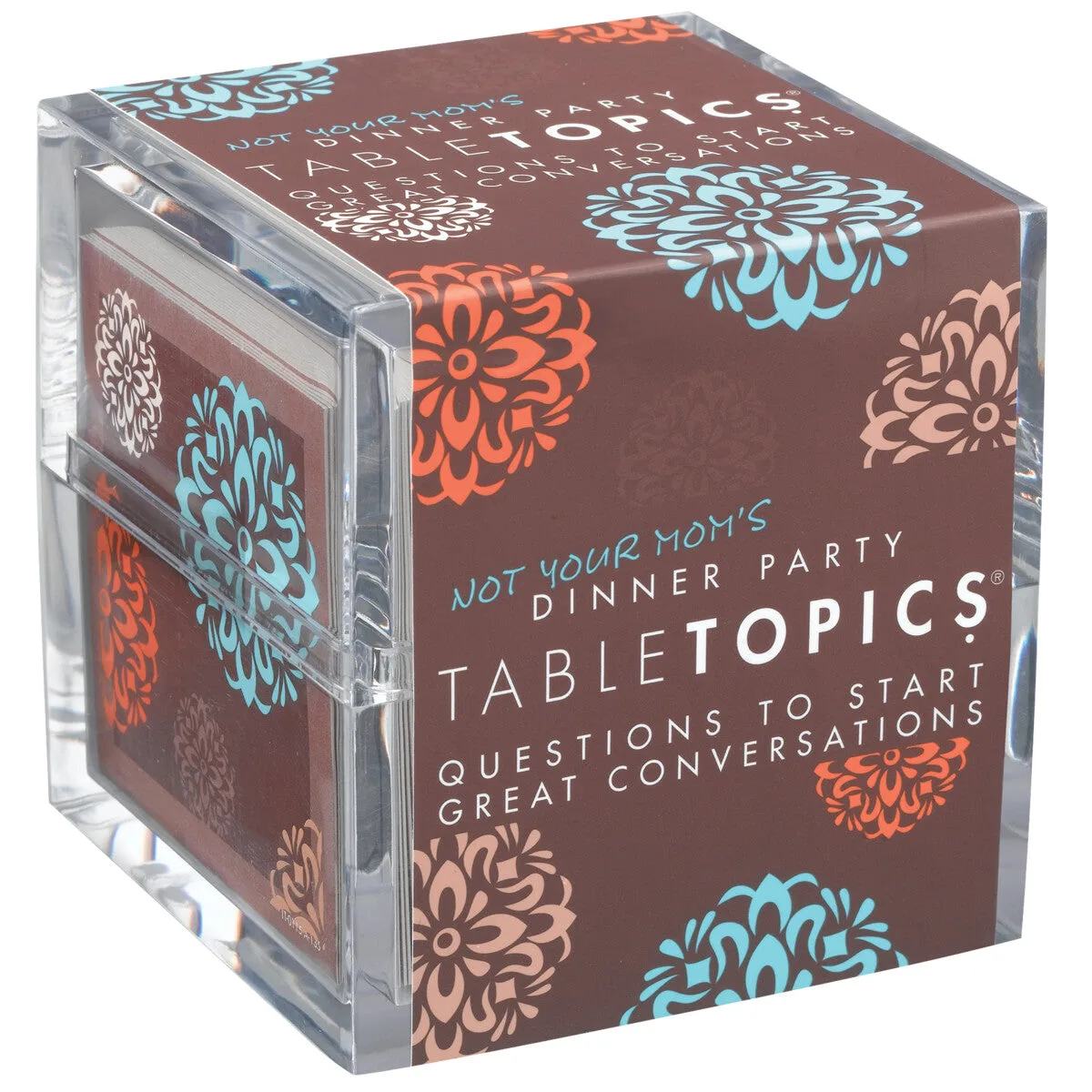
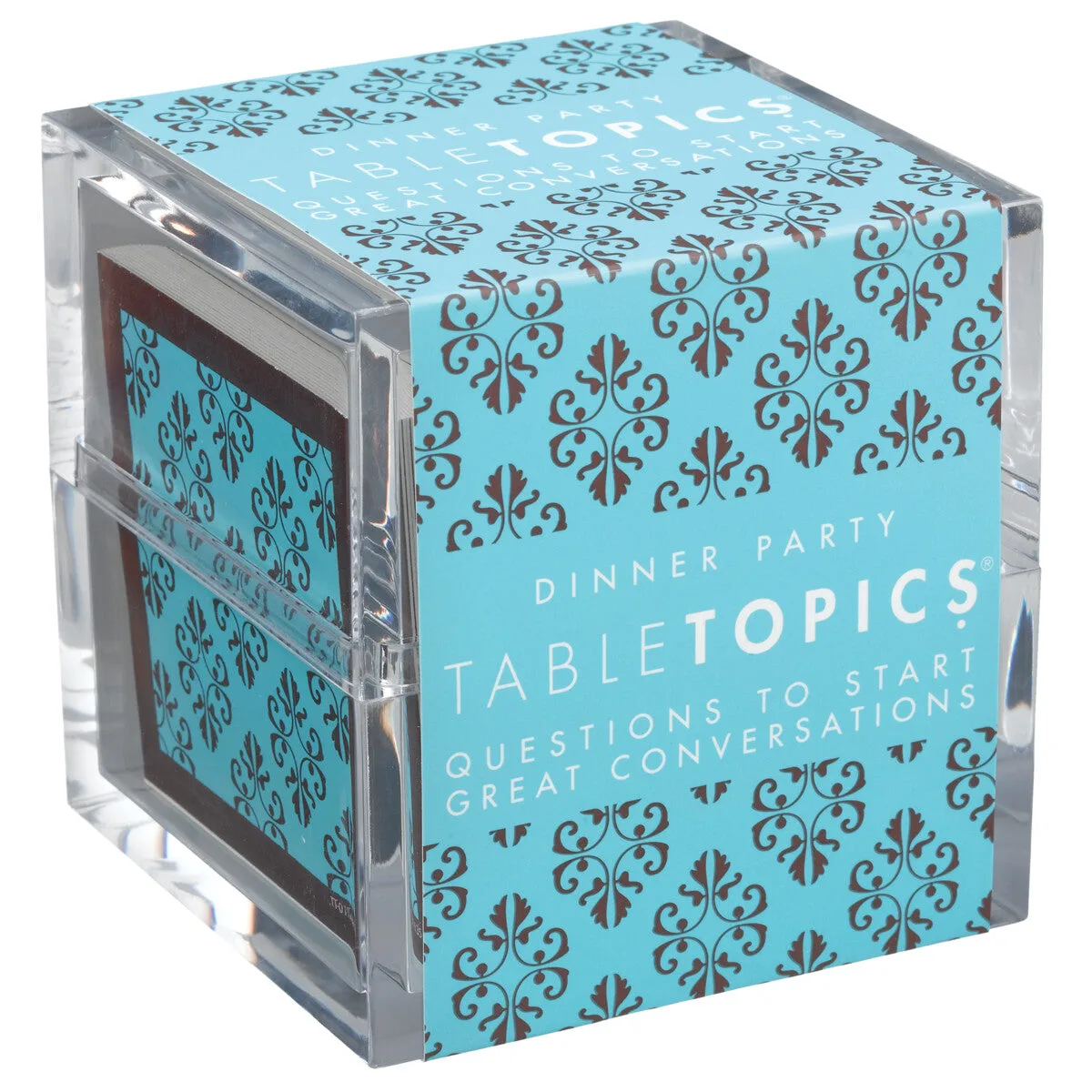
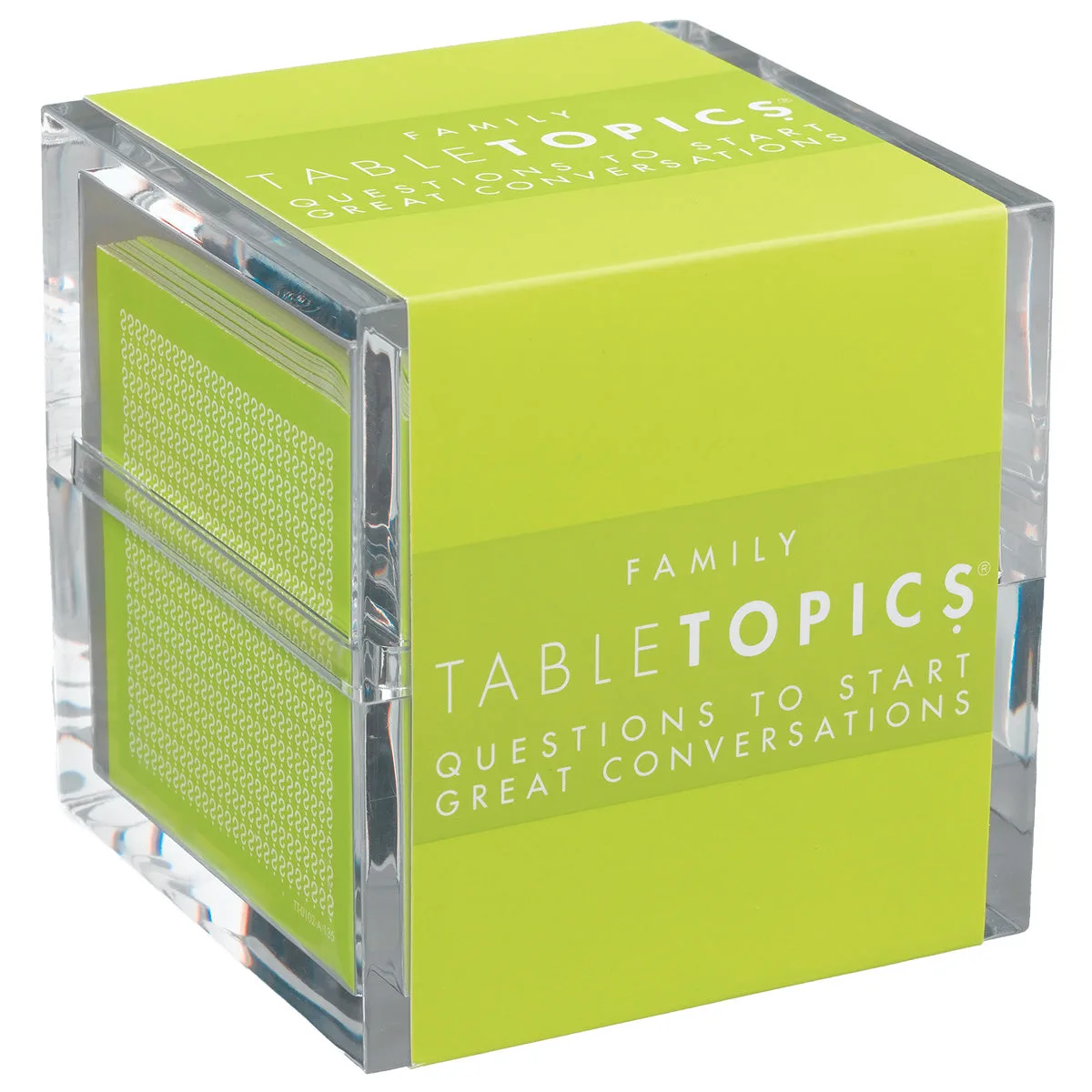
TableTopics cards are designed to spark meaningful and entertaining conversations. Each set contains 135 question cards (in the standard sets) that encourage people to share stories, opinions, and laughter. For example, the 'Not Your Mom’s Dinner Party' set includes questions like 'Would you rather be 10% smarter or 10% better looking?' and 'Have you ever been escorted out by security?' These prompts are crafted to break the ice and get people talking beyond small talk.
Unlike regular card games that focus on rules, points, and winning, TableTopics focus on interaction and connection. They work well for groups of adults who may not know each other well, or for close friends who want to deepen their bond. The cards are portable and easy to play—just draw a card and answer the question.
- Ideal for breaking the ice at parties where guests are not all familiar with each other.
- Prompts encourage storytelling and sharing, which can lead to memorable moments.
The Appeal of Regular Card Games
Regular card games like Poker, Uno, or Exploding Kittens bring their own kind of fun. They offer structured rules, competition, and often a bit of strategy. For groups that enjoy a challenge or a more active, game-focused evening, these can be a great fit. They are also versatile—many games can be played with a standard deck, making them easy to bring anywhere.
However, regular card games often prioritize winning over conversation. During intense rounds, players may focus on their hands and strategies rather than chatting. This can be perfect for groups that are already comfortable with each other and want to engage in playful competition, but it might not help strangers feel more connected.
- Great for groups that love strategy and competition.
- Can be more engaging for people who prefer active over verbal participation.
Comparing the Experience
The core difference lies in the outcome: TableTopics aim to foster conversation and connection, while regular card games aim to entertain through gameplay. If your goal is to have a lively, chatty evening where people leave feeling they know each other better, TableTopics excel. They are particularly effective for dinner parties, mixers, or any event where mingling is key.
On the other hand, if your group thrives on competition and gets a kick out of outsmarting each other, regular card games can provide that adrenaline. They are often more replayable in a single sitting because you can play multiple rounds, whereas a conversation card deck might be exhausted after a few questions if the group is large.
- Consider the energy you want: relaxed and chatty vs. competitive and strategic.
- Think about the group size: conversation cards work well in small to medium groups; card games can accommodate larger groups if the game allows.
Trade-Offs to Consider
- Connection vs. Competition: TableTopics foster personal sharing and bonding, while regular card games focus on winning and strategy. Choose based on whether you want guests to open up or to engage in playful rivalry.
- Replayability: Regular card games can be played repeatedly in one night, while a conversation deck may run out of fresh questions for the same group. If you plan a long game night, card games might offer more sustained activity.
- Group Dynamics: TableTopics work well with mixed groups and strangers, easing awkwardness. Card games often require a baseline of comfort and shared understanding of rules. For icebreaking, go with TableTopics; for a tight-knit group, card games can shine.
Featured TableTopics Sets
- Not Your Mom’s Dinner Party Conversation Cards: Ideal for adults, close friends, hosts, and party guests. Sample questions include 'Would you rather be 10% smarter or 10% better looking?' and 'Boxers or briefs or nothing at all?' This set is perfect for adult parties where you want to encourage bold and funny revelations. It adds a playful edge to dinner parties and get-togethers.
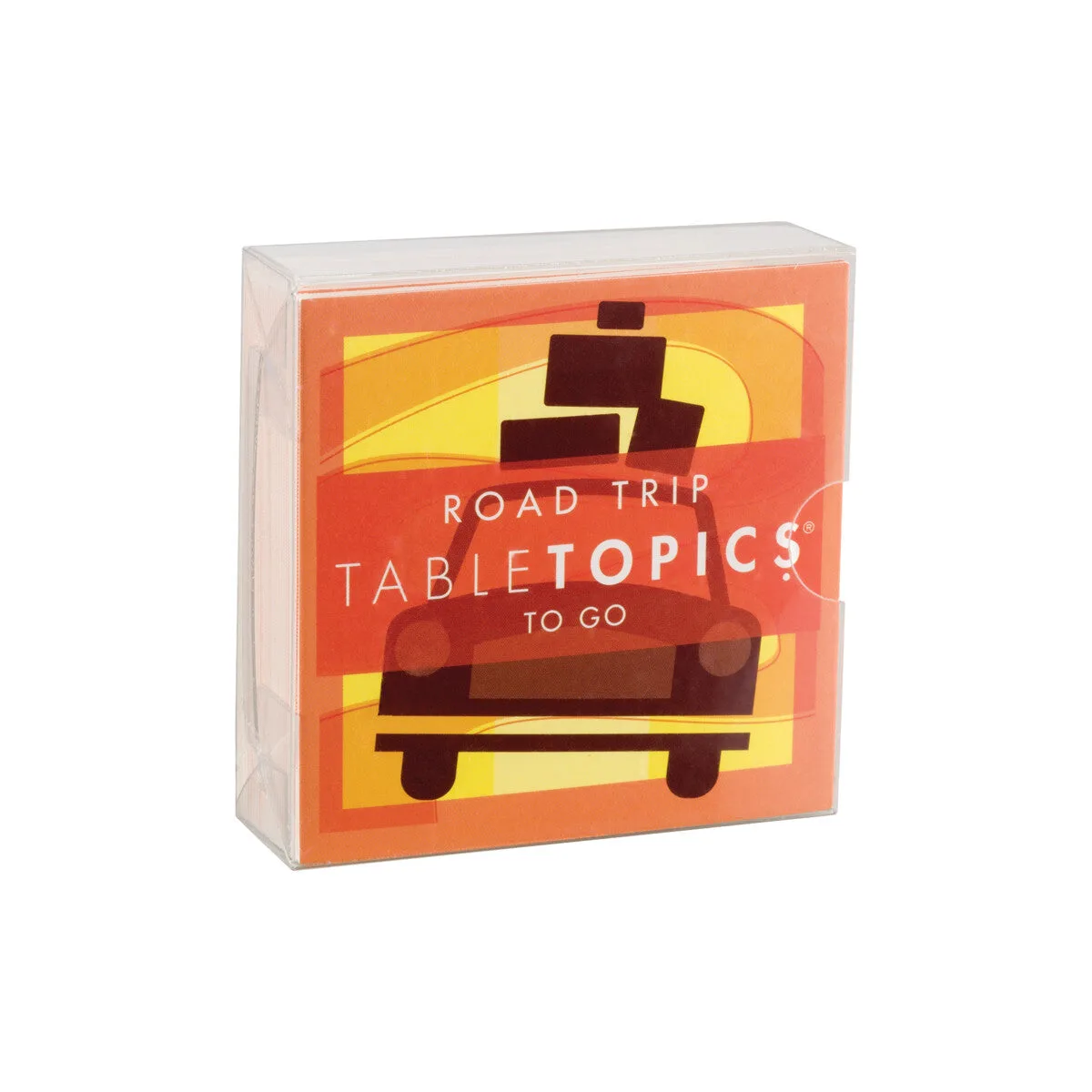
- Road Trip To Go Conversation Cards: A To Go set with 40 family conversation cards, ideal for families, friends, and kids. Questions include 'What car would be most fun for a family driving trip?' and 'What do you miss the most when you’re away from home?' If you're planning a road trip or a casual gathering with mixed ages, this compact set keeps everyone engaged and is easy to pack. It's a lighter alternative to full-size sets.
Which Should You Choose?
Best for
- Dinner parties and social mixers where the goal is to get guests talking and laughing.
- Groups of friends who want to deepen their relationships and share personal stories.
Not for
- Groups that prefer structured rules and strategic gameplay over open-ended conversation.
- Events where the primary objective is to have a competitive activity rather than a chat.
Ultimately, both TableTopics and regular card games have a place in your entertainment arsenal. For social gatherings centered on connection and conversation, TableTopics conversation cards are an excellent choice. For groups that crave competition and strategy, stick with traditional card games. Consider the mood you want to set, and you'll pick the right game every time.