Quick answer
Choose a tack hammer with interchangeable heads based on three things: the head material you need for your most common material, a handle that reduces hand strain during repetitive tapping, and whether the hammer accepts the blade or chuck system you already own. If you mostly do upholstery, prioritize a magnetic or split head that holds tacks. If you do mixed crafts, a modular handle that accepts multiple head profiles saves money over buying separate hammers.
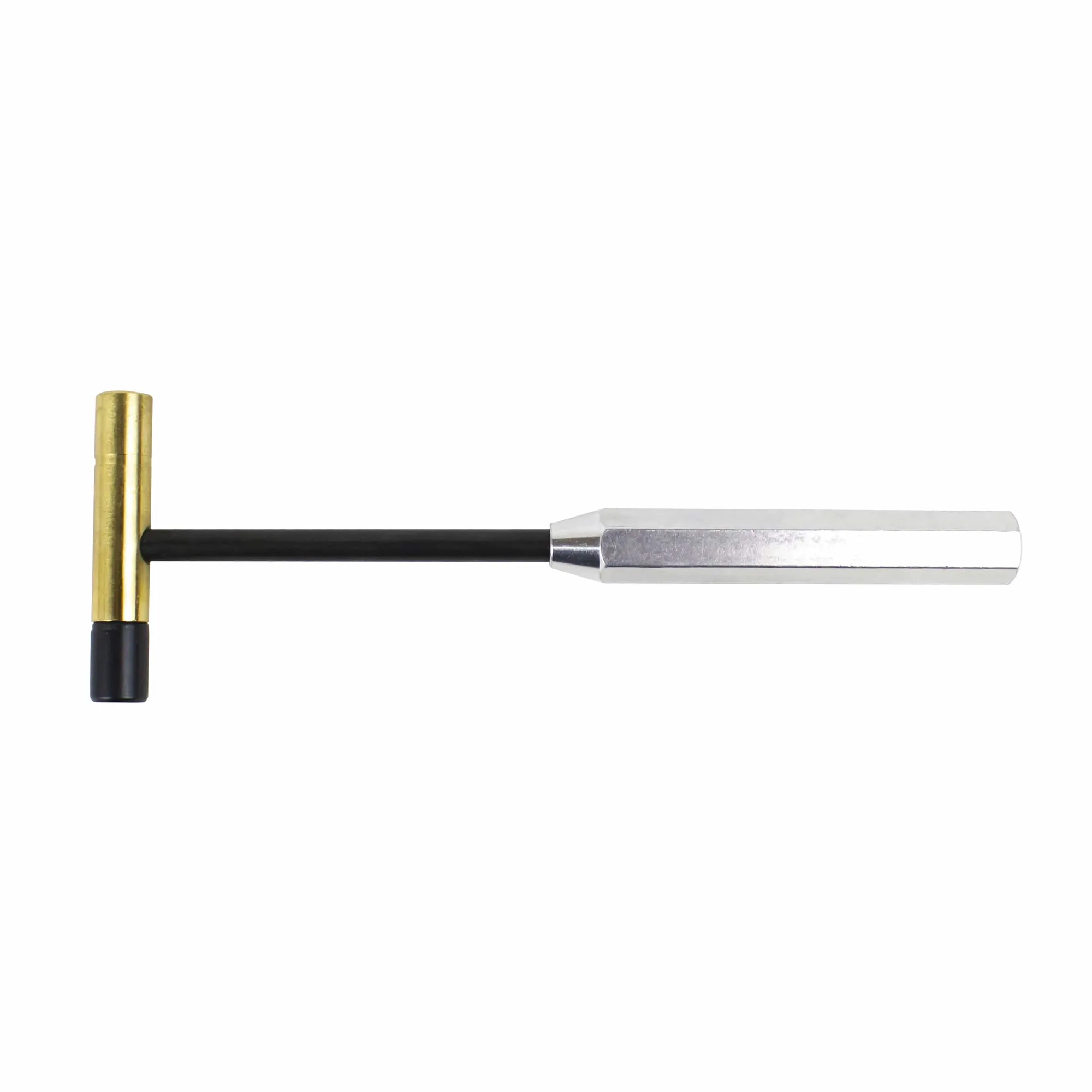
tack hammer with interchangeable heads
A tack hammer with interchangeable heads solves a specific problem: you need one handle that can drive tacks, set small nails, and sometimes hold a blade or chuck for detail work. The trouble is that most product listings focus on the hammer head and skip the part that actually affects your hand after an hour of work.
This guide gives you concrete decision rules for choosing an interchangeable head hammer for upholstery and small crafts. You will see how head material, handle design, and compatibility with existing tools change what you should buy. We will also cover when a dedicated upholstery hammer beats a modular one, and when a small craft knife or pin vise is the better tool for the job.
Head material and profile: match the head to the material, not the label
Interchangeable heads usually come in nylon, brass, steel, or rubber. Nylon and rubber are for tapping without marring; brass is for softer metals and rust-resistant work; steel is for driving tacks and small nails where deformation does not matter. If you work with upholstery tacks, a steel or brass head with a slightly domed face gives you a clean strike without slipping. For crafts like leather or foam, a nylon head prevents dents.
Profile matters as much as material. A flat face spreads force and is safer for setting tacks straight. A rounded or tapered face concentrates force for starting small nails. If the listing does not state the head profile, treat that as a limitation: you may need to buy a separate head set to get the profile you want, which adds cost and storage.
- Buy at least two head materials if you switch between metal tacks and soft craft materials.
- Check that replacement heads are sold separately; otherwise a worn head means replacing the whole hammer.
Handle and grip: the part that decides whether you can work for an hour
A tack hammer is light, often under 8 ounces, so the handle does most of the ergonomic work. Look for a handle that is long enough to fill your palm without forcing a tight grip. Rubberized or textured grips reduce slipping when your hands are dry or slightly oily. A hexagonal or contoured handle can help you feel the head angle without looking.
Weight distribution matters more than total weight. A head-heavy hammer drives tacks with less swing, which is easier on your wrist during repetitive upholstery work. A handle-heavy hammer gives more control for delicate crafts but requires more effort per strike. If you have wrist or hand strain, choose the lighter head and let the handle do the guiding.
- Test the grip with the head installed; a handle that feels fine alone can feel unbalanced once the head is on.
- For repetitive tacking, a swivel or pivoting head can reduce wrist rotation, but it adds a failure point.
Compatibility with blades, chucks, and existing tools
Some interchangeable head hammers share a chuck system with pin vises or hobby knives. That matters if you already own blades or chucks from the same brand. A hammer that accepts a standard chuck lets you switch from tapping to holding a small blade for detail work without changing tools. If the hammer uses a proprietary thread, you are locked into that brand's heads.
Check the connection type before buying. A threaded connection is secure but slower to change. A quick-release collar is faster but can loosen under vibration. Magnetic holders are convenient for tacks but weak for blades. If the product page does not specify the connection, assume it is proprietary and budget for buying heads from the same seller.
- Measure the chuck or thread diameter if you plan to reuse heads from another tool.
- If you need a blade holder more than a hammer, a pin vise with interchangeable chucks may be the better first purchase.
When a modular hammer is the wrong choice
A dedicated upholstery hammer with a fixed head is often cheaper and more durable than a modular one. If you only drive tacks and never switch materials, the extra heads and connection points are unnecessary complexity. A fixed head also has no loosening risk, which matters if you work overhead or at odd angles.
For very fine craft work, a small hammer may still be too much tool. A hobby knife or pin vise gives you more control for cutting, scoring, and holding small bits. The right decision is to buy the modular hammer only if you genuinely need two or more head types on one handle.
- If you use one head material 90 percent of the time, buy a fixed-head hammer and a separate tool for the other jobs.
- Modular hammers are best for shared workspaces where different people need different heads.
Decision rules for buying an interchangeable head hammer
- Rule 1: Buy for your most common head material: If you drive metal tacks most of the time, choose a steel or brass head. If you tap soft materials, choose nylon or rubber. Do not buy a multi-head set if you will only use one head. Checkpoint: name the head material you will use 80 percent of the time before you buy.
- Rule 2: Match the connection type to your existing tools: Threaded connections are secure but slow. Quick-release is fast but can loosen. Magnetic is convenient for tacks but weak for blades. If you already own chucks or blades from a brand, buy a hammer that accepts them. Checkpoint: confirm the thread or chuck diameter before buying replacement heads.
- Rule 3: Choose handle weight based on repetition, not total weight: A head-heavy hammer reduces swing effort for repetitive tacking. A handle-heavy hammer gives more control for delicate crafts. If you have hand or wrist strain, go lighter and let the handle guide the strike. Checkpoint: hold the hammer with the head installed before committing to a long project.
- Rule 4: Skip the modular hammer if you only need one head: A fixed-head upholstery hammer is cheaper and has no loosening risk. Buy modular only if you genuinely need two or more head types on one handle. Checkpoint: if you cannot name a second head you will use within a month, buy fixed.
Product facts that affect your decision
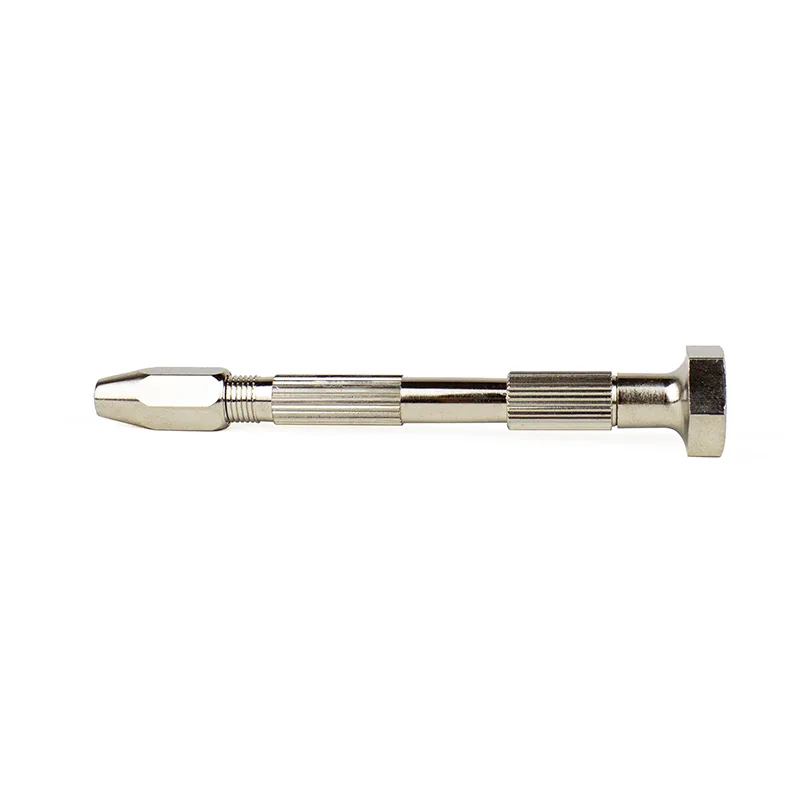
- Swivel Head Pin Vise with 4 Chucks: Equipped with a hexagonal swivel head and four interchangeable chucks, this pin vise offers seamless bit rotation while minimizing hand strain. If your main need is holding small bits or blades for detail work, this pin vise gives you the interchangeable chuck system without the weight of a hammer. It is a better fit than a tack hammer when you are not driving tacks.
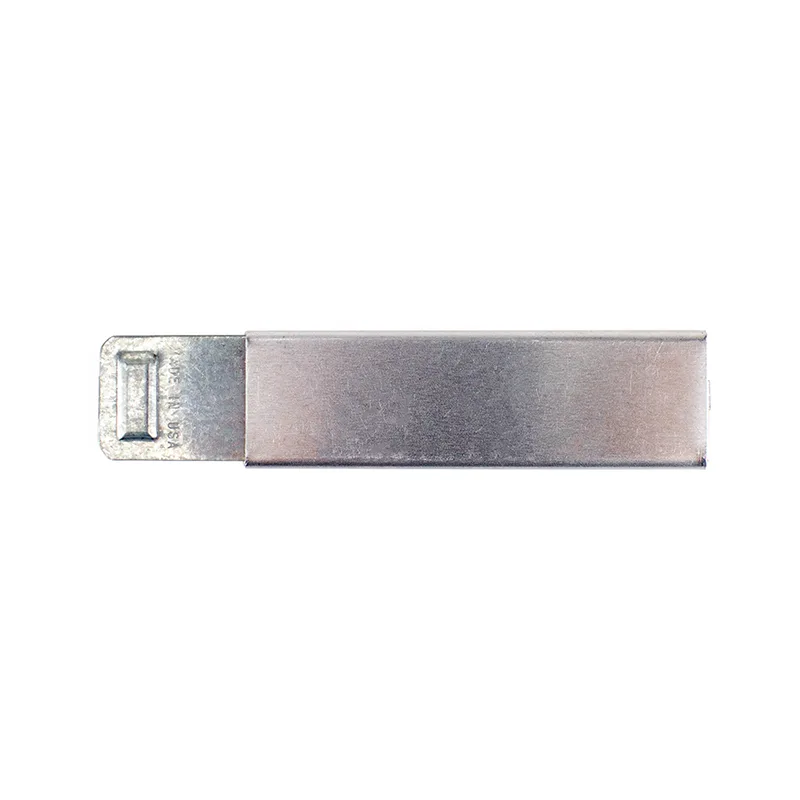
- K12 All Purpose Tap Knife with 5 Extra Blades: A reliable and precise cutting tool designed for hobbyists, professionals, and creatives alike, equipped with #9 blades. For cutting tasks that often accompany upholstery and crafts, this knife handles cardboard, vinyl, foam board, and polymer clay. If your work is mostly cutting rather than tapping, this is the more useful tool.
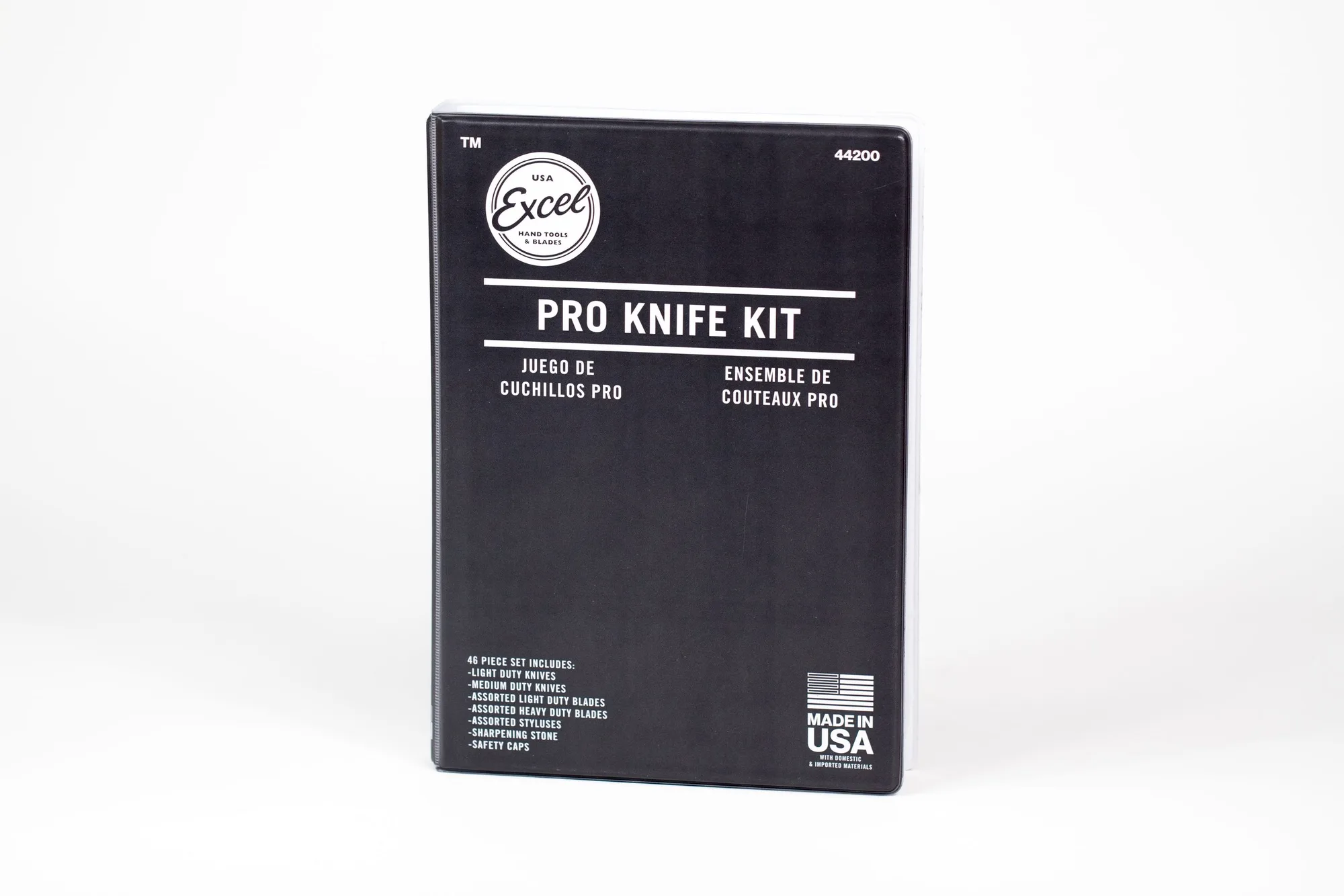
- Super Deluxe Knife Set with 43 Blades and Knives: Includes knife handles that house a 4-jaw aluminum chuck for more secure blade positioning and hold than your standard light-duty knife, with a snug-fitting, twist lock shatter-resistant safety cap. A 4-jaw aluminum chuck gives you a secure hold for interchangeable blades, which is the same principle you want in an interchangeable head hammer. If you need a system that holds multiple tool types securely, this set shows what a good chuck design looks like.
Who should buy which
Best for
- Upholsterers who drive tacks and need a light, controllable strike
- Crafters who switch between tapping, setting, and holding small blades
- Shared workshops where different users need different head materials
Not for
- Anyone who only drives one type of tack and never changes heads
- Heavy framing or construction work that needs a full-size hammer
- Fine detail work better served by a pin vise or hobby knife
Buy the interchangeable head hammer that matches your most common head material and your existing chuck system. If you only need one head, a fixed upholstery hammer is simpler and cheaper. For detail work that is mostly holding or cutting, a swivel head pin vise or a tap knife with extra blades will serve you better than a hammer.