Quick Answer
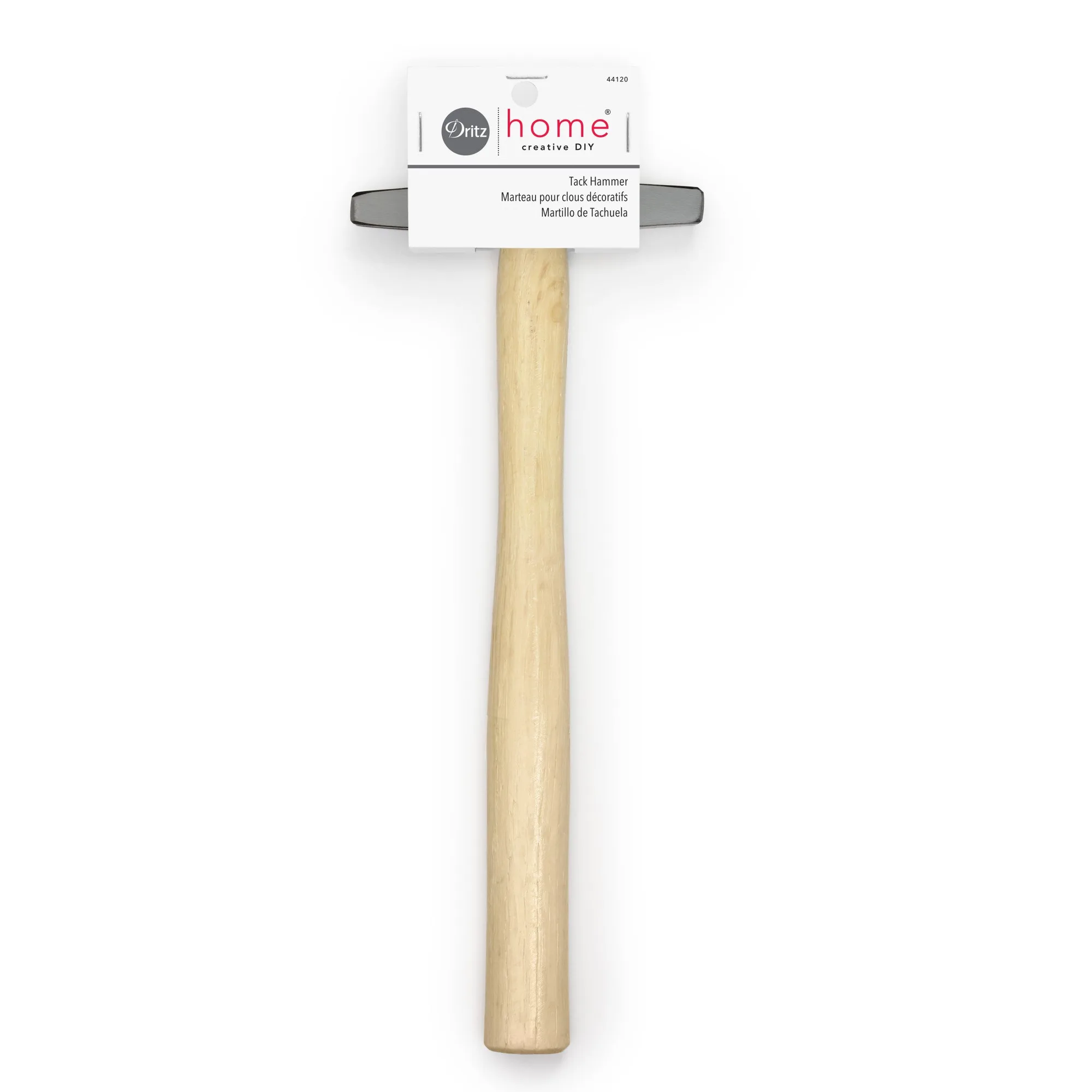
For upholstery and detailed tack work, a https://prymamerica.com/products/44120-cb0d93db390a1c00eecfd77d-1316609tack hammer is the better choice because its lightweight head and magnetic tip let you place small tacks precisely without crushing fabric. A regular claw hammer is better for general carpentry, demolition, and driving larger nails. If you do both, keep a tack hammer for delicate projects and a claw hammer for heavy-duty tasks.
When you're upholstering a chair or attaching decorative tacks, the hammer you choose affects both the finish and your frustration level. A tack hammer and a regular hammer look similar, but their weight, balance, and face design serve very different purposes.
This comparison breaks down the trade-offs between tack hammers and regular hammers—specifically claw hammers—so you can decide which one belongs in your toolbox. We'll also cover when a small hammer might be a better fit and how to match the tool to your project.
What Is a Tack Hammer?
A tack hammer is a lightweight tool designed for driving small tacks, brads, and pins. Its head typically weighs between 5 and 7 ounces, and one or both faces are magnetic to hold tiny tacks in place while you start them. The handle is usually shorter than a standard hammer, giving you more control in tight spaces like the inside of a chair frame.
Because the head is light, you can tap tacks in with short, controlled strokes. That precision matters when you're working near fabric, leather, or finished wood—areas where a heavy blow could cause damage. Tack hammers are common in upholstery, furniture restoration, and some craft projects.
- Magnetic faces hold tacks for one-handed starting.
- Light head reduces fatigue during repetitive tacking.
- Short handle improves access in tight corners.
What Is a Regular Hammer (Claw Hammer)?
A regular hammer, often a claw hammer, is the general-purpose tool most people picture. It has a heavier head—typically 16 ounces—and a curved claw for pulling nails. The striking face is hard and flat, designed for driving large nails into wood with force.
Claw hammers excel at framing, rough carpentry, and demolition. The claw lets you remove bent nails, and the weight makes quick work of long fasteners. However, that same weight and hard face can dent soft metals, crush fabric, and split thin wood if you're not careful.
- Heavy head drives large nails efficiently.
- Claw removes nails and pries apart materials.
- Not ideal for delicate or precision work.
Key Differences: Tack Hammer vs. Regular Hammer
The biggest difference is weight and control. A tack hammer's light head lets you make many small, accurate strikes, while a regular hammer's weight delivers power for big fasteners. That power is a drawback when you need finesse.
Another difference is the face. Tack hammers often have magnetic faces to hold small tacks, and some have a smooth face to avoid marring. Claw hammers have a milled or smooth face for grip on large nail heads, plus a claw for removal. Using a claw hammer on upholstery tacks can flatten the tack heads and damage surrounding fabric.
- Use a tack hammer for tacks under 1 inch and delicate surfaces.
- Use a claw hammer for nails over 1 inch and rough work.
- Never use a claw hammer to set decorative tacks—you'll dent them.
When to Use a Tack Hammer
Reach for a tack hammer when you're attaching upholstery tacks, decorative nails, or small brads. It's also the right choice for installing dust covers, attaching webbing, or any task where you need to hold a tiny fastener and strike it without a second hand.
If you're working with delicate fabrics or finished surfaces, a tack hammer's lighter touch helps you avoid dents and tears. It's also less tiring if you have dozens of tacks to place, since the lighter head reduces wrist strain.
- Upholstery and furniture restoration.
- Craft projects with small nails or pins.
- Any job where a magnetic tip saves time.
When to Use a Regular Hammer
A regular claw hammer is your go-to for building, repairing, and demolishing. Driving 16d framing nails, assembling crates, or pulling old nails? Use a claw hammer. It's also better for striking chisels or pry bars, though a dedicated mallet is safer for chisels.
If you're hanging a picture or assembling furniture with small nails, a regular hammer can work, but you'll need a light touch. For anything finer, a tack hammer or small hammer gives you more control.
- Framing, carpentry, and demolition.
- Pulling nails with the claw.
- Driving fasteners larger than 1 inch.
What About a Small Hammer?
A small hammer—often called a jeweler's hammer or precision hammer—falls between a tack hammer and a regular hammer. It's lighter than a claw hammer but may lack the magnetic tip of a tack hammer. If you already own a small hammer, it can handle light tacking in a pinch, but you'll miss the magnetic convenience.
For occasional upholstery projects, a small hammer might be enough. But if you tack regularly, a dedicated tack hammer is worth the investment for its magnetic face and balanced weight.
- Small hammers work for light tapping but don't hold tacks.
- Tack hammers are specialized for upholstery.
- Choose based on frequency and fastener size.
Trade-Offs at a Glance
- Weight and control: A tack hammer's light head (5–7 oz) gives you precise control for small tacks, but it lacks the driving power of a 16 oz claw hammer. Choose based on fastener size: small tacks need finesse, large nails need force.
- Face design: Magnetic faces on tack hammers hold tiny tacks for one-handed starting. Claw hammers have a claw for nail removal but can crush tack heads. Never use a claw hammer on decorative tacks—you'll damage them.
- Versatility: A claw hammer handles framing, demolition, and nail pulling. A tack hammer is specialized for upholstery and light tacking. If you only own one hammer, a claw hammer is more versatile, but you'll need a tack hammer for fine work.
Tools and Supplies That Pair Well
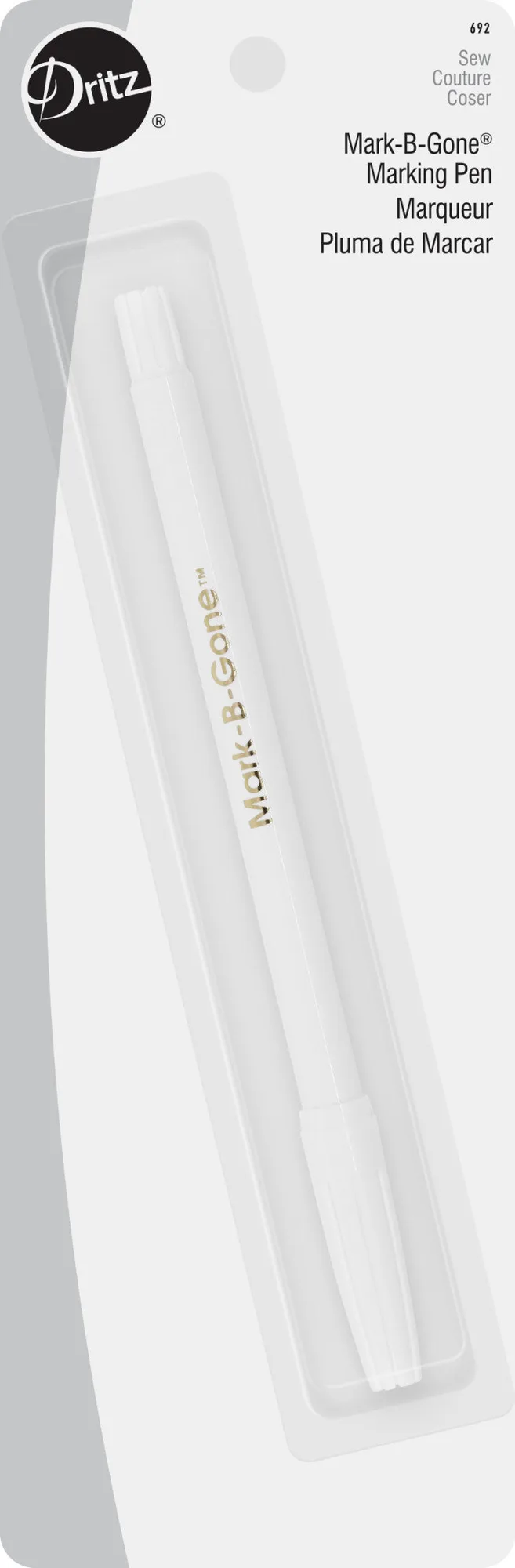
- https://prymamerica.com/products/dritzmarkbgonepen1pc-11e90037d669f049f66dc622-1316424Mark-B-Gone Marking Pen: The Dritz Mark-B-Gone Marking Pen disappears when wiped off with a damp cloth. Use it for marking patterns and designs on dark fabrics. Before you tack, mark your tack placement lines with a water-soluble pen. The marks vanish later, so you get precise alignment without permanent dots.
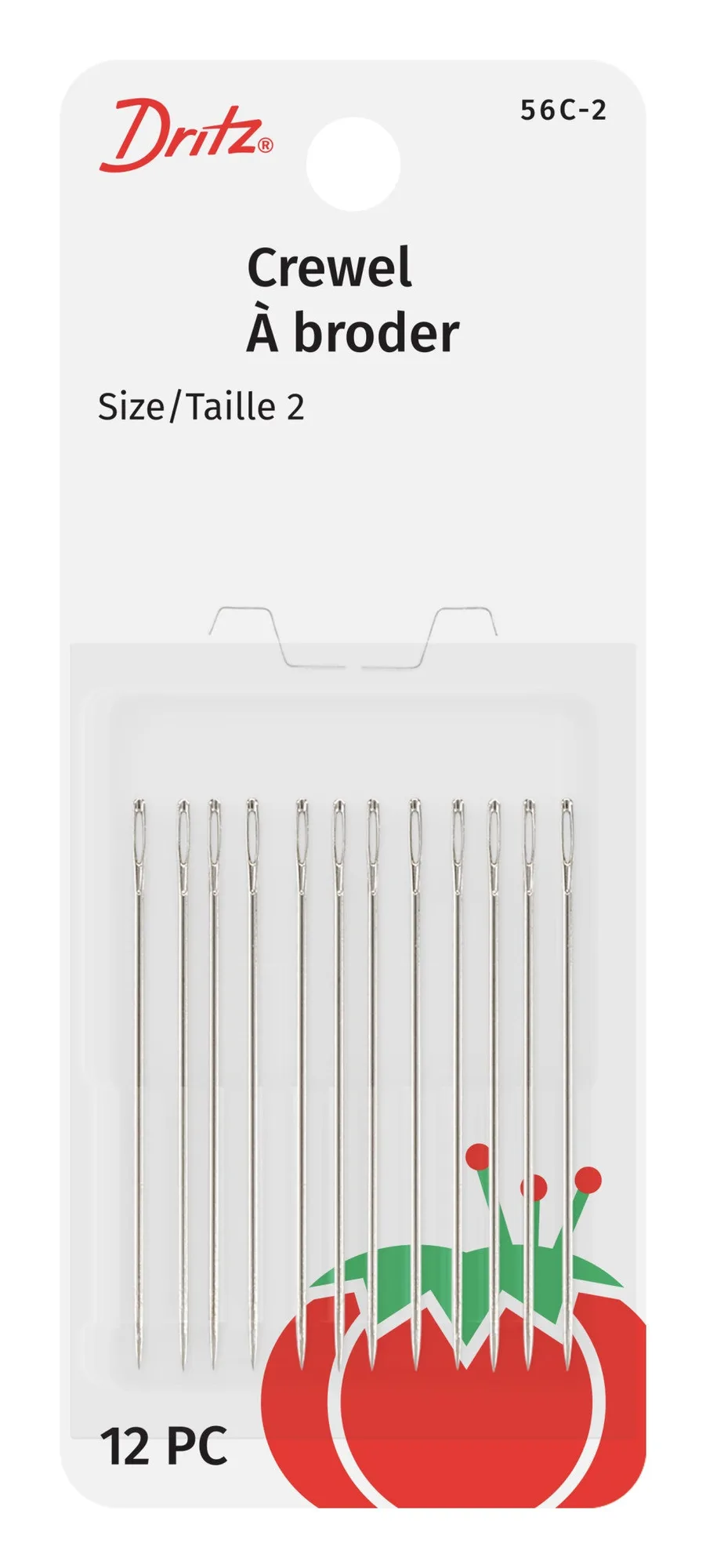
- Crewel Hand Needles, Size 2, 12 pc: The Dritz Crewel Hand Needles are generally used for embroidery, with sharp, medium-length needles and larger eyes for easier threading of multiple embroidery threads and thicker yarns. If your upholstery project includes decorative embroidery or tufting with thick threads, these needles handle the heavier yarns that standard needles can't.
Which Hammer Fits Your Project?
Best for
- Upholsterers attaching tacks, decorative nails, or brads
- Crafters working with small fasteners and delicate materials
- Anyone who wants a magnetic tip to hold tacks while starting
Not for
- Framing or driving nails larger than 1 inch
- Demolition or pulling nails—use a claw hammer
- Heavy striking tasks that require a 16 oz head
A tack hammer and a regular claw hammer serve different jobs. Keep both if you do a mix of upholstery and general carpentry. If you're just starting out, buy the hammer that matches the majority of your projects—and add the other when the need arises.