Quick answer
Choose a tack hammer for upholstery tacks, small finishing nails, and delicate craft or repair work where control matters more than force. Choose a standard hammer for framing, demolition, and driving large nails where you need weight and striking power. If you do both kinds of work, keep one of each; they are not interchangeable.
A tack hammer and a standard hammer solve different problems. The tack hammer is small, light, and built for precision: setting tacks, brads, and small nails without crushing surrounding material. A standard hammer is heavier and longer, designed to move a lot of force into a nail or to break things apart.
The confusion comes from the word hammer. In practice, the tack hammer vs hammer decision is really about scale. Upholstery hammer uses, model-making, and trim work reward a light head and a short handle. Framing, pallet repair, and demolition reward mass and swing speed. This comparison walks through the trade-offs so you can buy the right tool the first time.
What a tack hammer does well
A tack hammer is a small, lightweight hammer, usually with a short handle and a head that may have a magnetic tip for holding tacks. It shines when you need to place many small fasteners accurately: upholstery tacks, decorative nails, brads, and small finishing nails. The low weight lets you tap rather than swing, which reduces the chance of denting fabric, wood, or foam.
Because the head is small, you can work in tight corners and along edges where a full-size hammer would be clumsy. That control is the whole point. If your task involves dozens of tiny fasteners or delicate surfaces, a tack hammer is the right tool. If it involves driving a 16d framing nail, it is the wrong tool.
- Use a tack hammer when the fastener is small and the surface is easy to mar.
- Use a tack hammer when you need to hold a tack with one hand and tap with the other.
What a standard hammer does well
A standard hammer, typically 16 oz to 24 oz with a longer handle, is a force tool. It drives large nails, sets stakes, taps apart joints, and handles light demolition. The extra mass means fewer swings and less effort on big fasteners. The longer handle adds leverage and swing speed, which is exactly what you do not want when setting a tiny tack.
The trade-off is control. A standard hammer is more likely to bend a small nail, crush softwood, or slip off a tack and hit the workpiece. It is also heavier to carry and harder to use in tight spaces. For general construction and repair, though, it is the more versatile of the two.
- Match the hammer weight to the nail size; too heavy a hammer bends small nails.
- Keep a standard hammer for framing, and a tack hammer for trim and upholstery.
Head weight, handle length, and control
The main difference is head weight. A tack hammer head is measured in ounces, often under 8 oz, while a standard hammer is usually 16 oz or more. That weight difference changes how much force you can deliver and how precisely you can deliver it. Light head equals less force but more control; heavy head equals more force but less finesse.
Handle length matters too. A short handle keeps your hand close to the work for accuracy. A long handle increases swing speed and power. Neither is better in the abstract. The right choice depends on whether your job is precision or power. If you are unsure, start with the lighter tool for finish work and the heavier tool for rough work.
- For small tacks, a 4-8 oz head is plenty; heavier heads cause damage.
- For framing nails, a 16-24 oz head is the common range.
When to use a tack hammer for upholstery and crafts
Upholstery hammer uses are the classic case: attaching fabric to a frame with tacks, securing webbing, and setting decorative nails. The magnetic tip found on many tack hammers holds the tack so your fingers stay clear. That is a real safety and accuracy benefit when you are working with hundreds of small fasteners.
Craft and hobby work also benefits. Setting small brads in a model, tapping together a small box, or adjusting a tight joint all favor a light hammer. If you already own a craft knife set, a tack hammer is a logical addition for the assembly side of the project. It is not a replacement for a standard hammer; it is a precision companion.
- Keep a tack hammer in your upholstery or model-building kit.
- Do not use a tack hammer to drive nails larger than it is designed for.
Trade-offs at a glance
- Force vs control: A standard hammer delivers more force per swing, which is necessary for large nails but risky for small tacks. A tack hammer delivers less force but far more control. Pick based on fastener size, not habit.
- Reach vs precision: A long handle gives leverage and speed but is clumsy in tight spaces. A short handle gives accuracy but cannot drive big nails. If the work is in a corner, the short handle wins.
- Surface damage risk: A heavy head can crush wood, dent foam, or mark fabric. A light head reduces that risk but requires more taps. For visible surfaces, use the lighter hammer.
- Kit space and cost: A tack hammer is small and inexpensive, so it is easy to keep alongside a standard hammer. Neither replaces the other for all jobs. Most workshops benefit from owning both.
Product facts to know
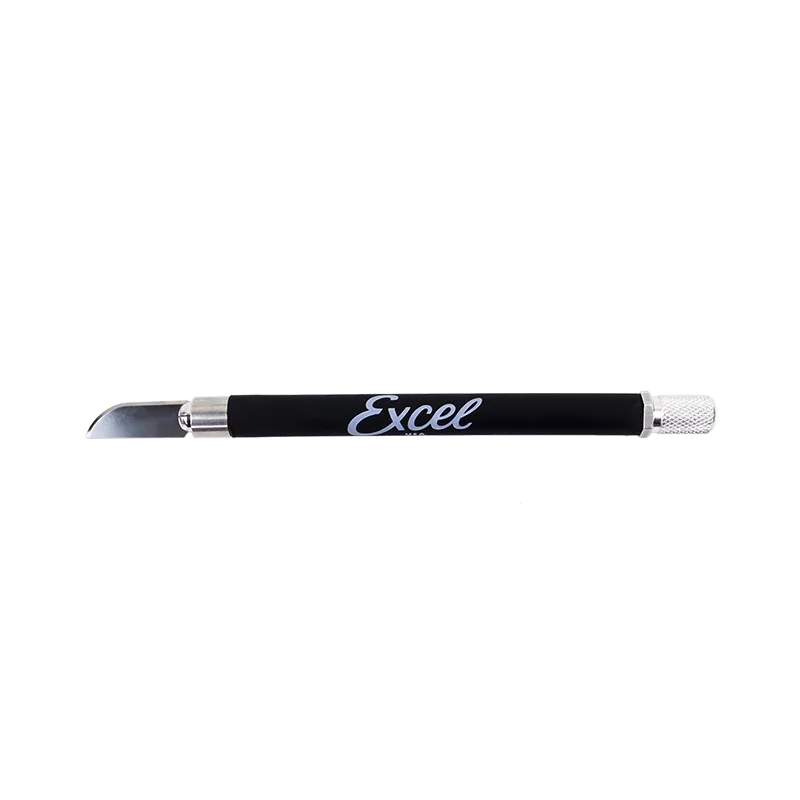
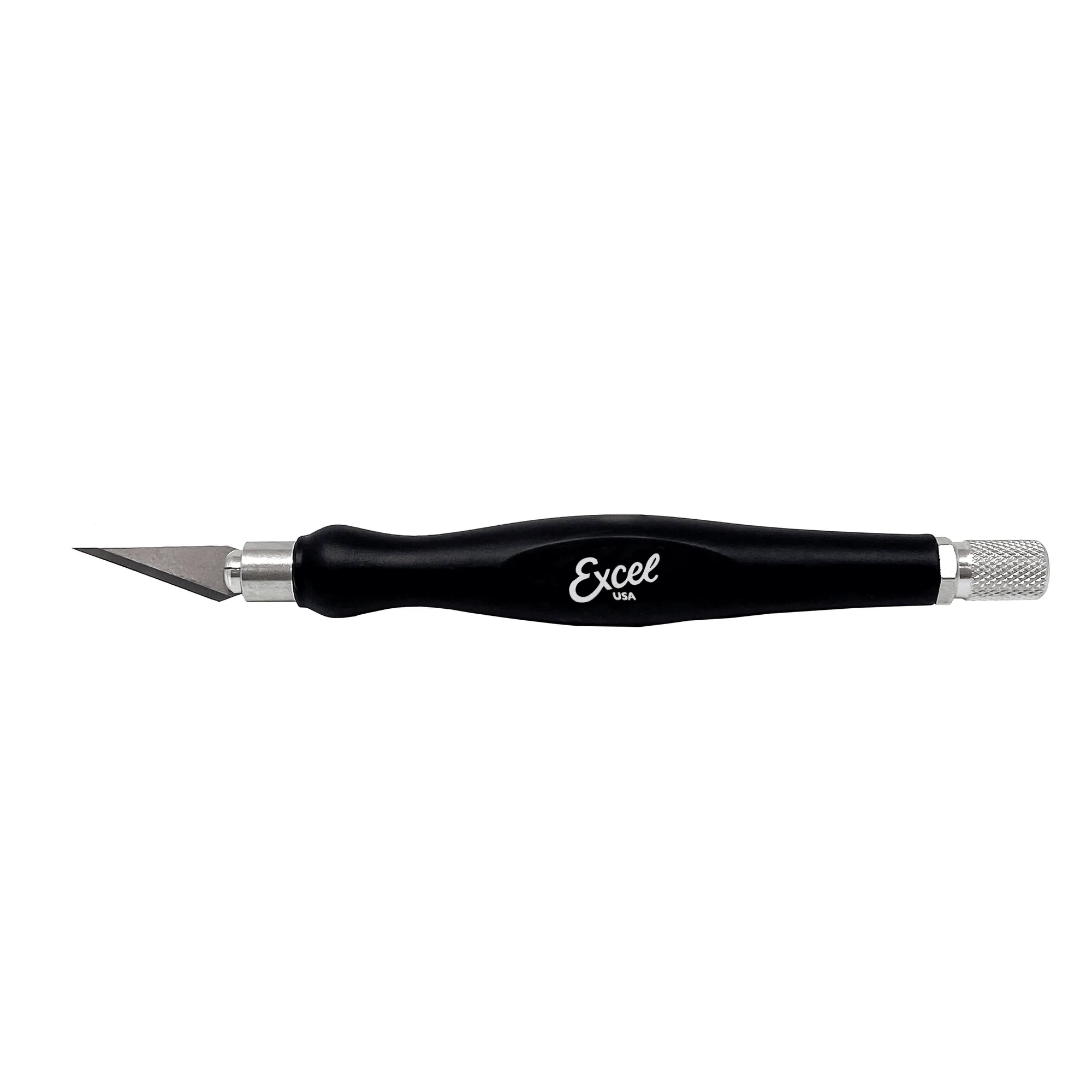
- K3 Pen Knife with Curved Blade: Excel Blade K3 Pen Knife with #10 Curved Blade, soft grip rubberized handle, replaceable #10 curved blade, safety cap, 4-jaw aluminum chuck, made in the USA. Used for cutting, trimming, and stripping paper, plastic, cork, wood, cloth, film, leather, cardboard, foam boards, linoleum, and rubber. If your project involves upholstery or trim, you will often pair a tack hammer with a precision knife. This pen knife handles the cutting and trimming side while the hammer sets fasteners.
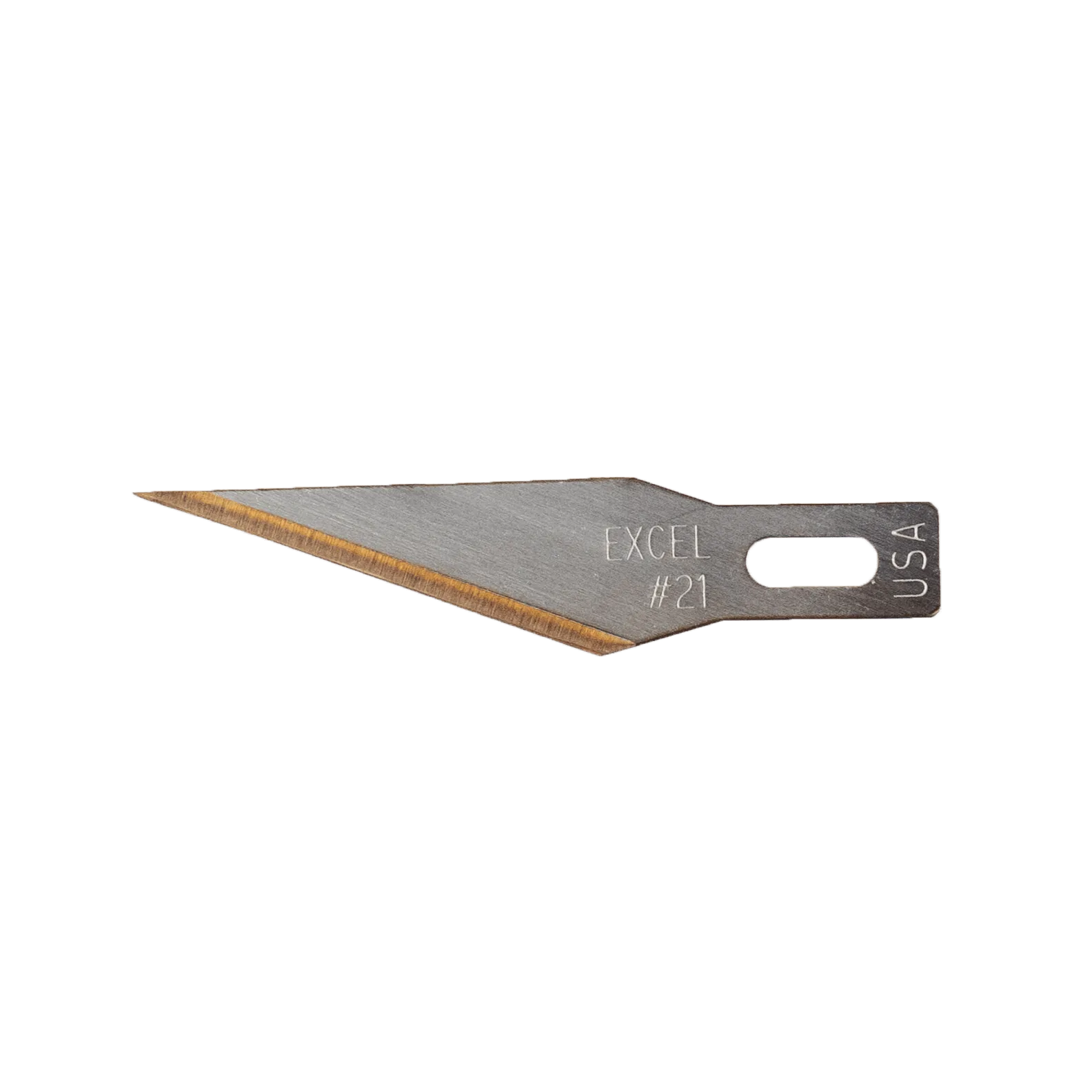
- #21 TiN Coated Stainless Steel Blade: Excel Blades #21 Titanium Nitride Coated Blade, stainless steel with TiN coating for durability and corrosion resistance, maintains edge longer and reduces friction on light-weight materials. A sharp, long-lasting blade reduces the need to press hard, which is useful when you are trimming material before or after hammering tacks. Fewer blade changes means less interruption.
- K26 Fit Grip Ergonomic Craft Knife: Excel Blades K26 Soft Grip Craft Knife with #11 Blade, rubberized handle for comfort and control during extended use, popular for crafting precision. For long upholstery or craft sessions, an ergonomic knife handle reduces hand fatigue. That matters when you alternate between cutting and tapping tacks.
Which hammer fits your work?
Best for
- Upholstery, trim, and craft projects with small tacks and brads
- Model makers and hobbyists who need precise, low-force strikes
- Anyone working on delicate surfaces where a heavy hammer would cause damage
Not for
- Framing, demolition, or driving large nails
- Heavy construction where striking force and leverage matter
- Prying or striking metal tools that require a heavier head
A tack hammer and a standard hammer are different tools for different scales of work. Buy the tack hammer for upholstery, trim, and delicate assembly; buy the standard hammer for framing and force. If you do both, keep both on the bench and reach for the one that matches the fastener, not the one that is closest.